In an era marked by constant noise, distraction, and material accumulation, the concept of minimalism has emerged as a beacon for those seeking clarity and peace. Minimalism is not merely a design aesthetic; it is a lifestyle choice that can significantly enhance health and wellbeing. By stripping away the non-essential elements of life, individuals may find improved focus, reduced stress, and greater overall satisfaction. This approach resonates deeply in our fast-paced society, where mental and physical health often take a backseat to relentless busyness. Adopting a minimalist mindset can lead to transformative experiences, allowing for deeper connections with oneself and the world around us.
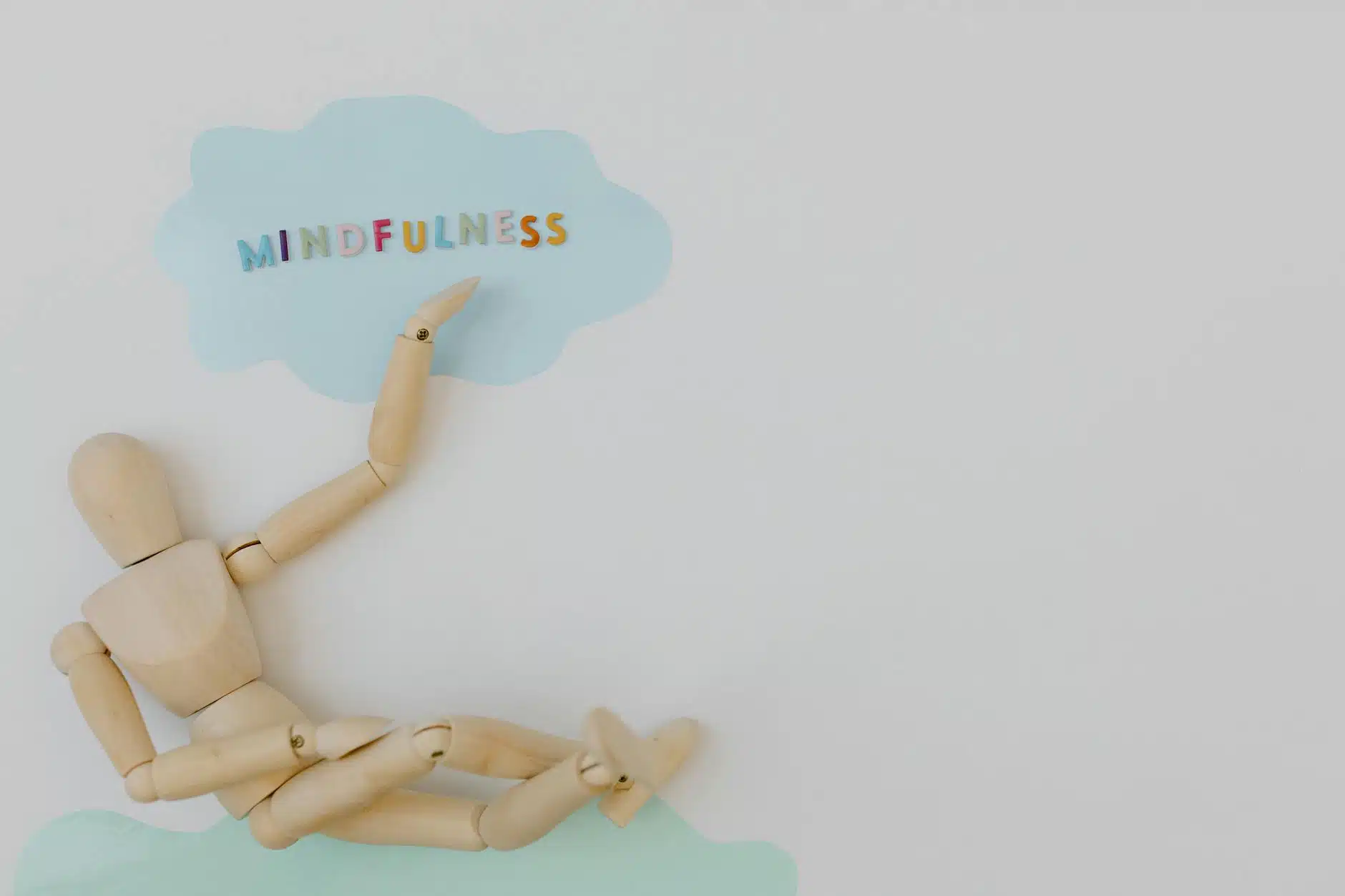
Minimalism for Health: 7 Ways Simplifying Your Life Boosts Wellbeing
Photo by Tara Winstead on Pexels
Understanding Minimalism: Decluttering for Mental Clarity
Minimalism is defined as a lifestyle that emphasizes simplicity and intentionality. At its core, it advocates for the removal of excess—be it material possessions, commitments, or distractions—that detracts from one’s quality of life. The fundamental principles of minimalism can be encapsulated in a few key ideas: intentional living, decluttering, and prioritizing experiences over possessions. These elements work together to promote a more fulfilling existence.
Intentional living is perhaps the most critical aspect of this lifestyle. It encourages individuals to evaluate what truly matters to them, allowing for more conscious choices. This self-reflection often leads to better physical and mental health outcomes, as individuals align their daily actions with their core values. For instance, someone who values health may choose to invest in quality food and exercise rather than accumulating material items. Research indicates that aligning actions with values can lead to greater life satisfaction and a sense of purpose.
Decluttering is another vital principle of minimalism. Studies have shown that clutter can lead to increased stress levels and decreased productivity. A study from the NHS indicates that a chaotic environment can overwhelm the brain, making it more challenging to focus and process information. By creating a clean, organized space, individuals can cultivate a more serene environment, promoting relaxation and clarity.
For example, a 2011 study published in the journal Psychological Science found that participants in cluttered environments exhibited higher levels of cortisol, a stress hormone, compared to those in orderly spaces. Finally, minimalism encourages prioritizing experiences over possessions. Research suggests that experiences tend to provide greater and more lasting happiness than material goods. According to the Mayo Clinic, focusing on meaningful interactions and activities can lead to improved mental health and wellbeing. This shift in focus fosters connections that enrich one’s life, ultimately leading to a more fulfilling existence. By investing in experiences, such as travel, family gatherings, or hobbies, individuals often cultivate memories that contribute significantly to their happiness and emotional resilience.
Psychological Benefits of Minimalism: Reducing Stress and Anxiety
Engaging in minimalism can yield significant psychological benefits, often leading to improved mental health. One of the most prominent effects is the reduction of stress and anxiety. Cluttered environments are known to contribute to feelings of overwhelm. A study published in the journal Health Psychology found that individuals in cluttered spaces reported higher stress levels than those in organized environments. The presence of physical clutter can serve as a constant reminder of tasks that need to be completed, resulting in a heightened state of anxiety.
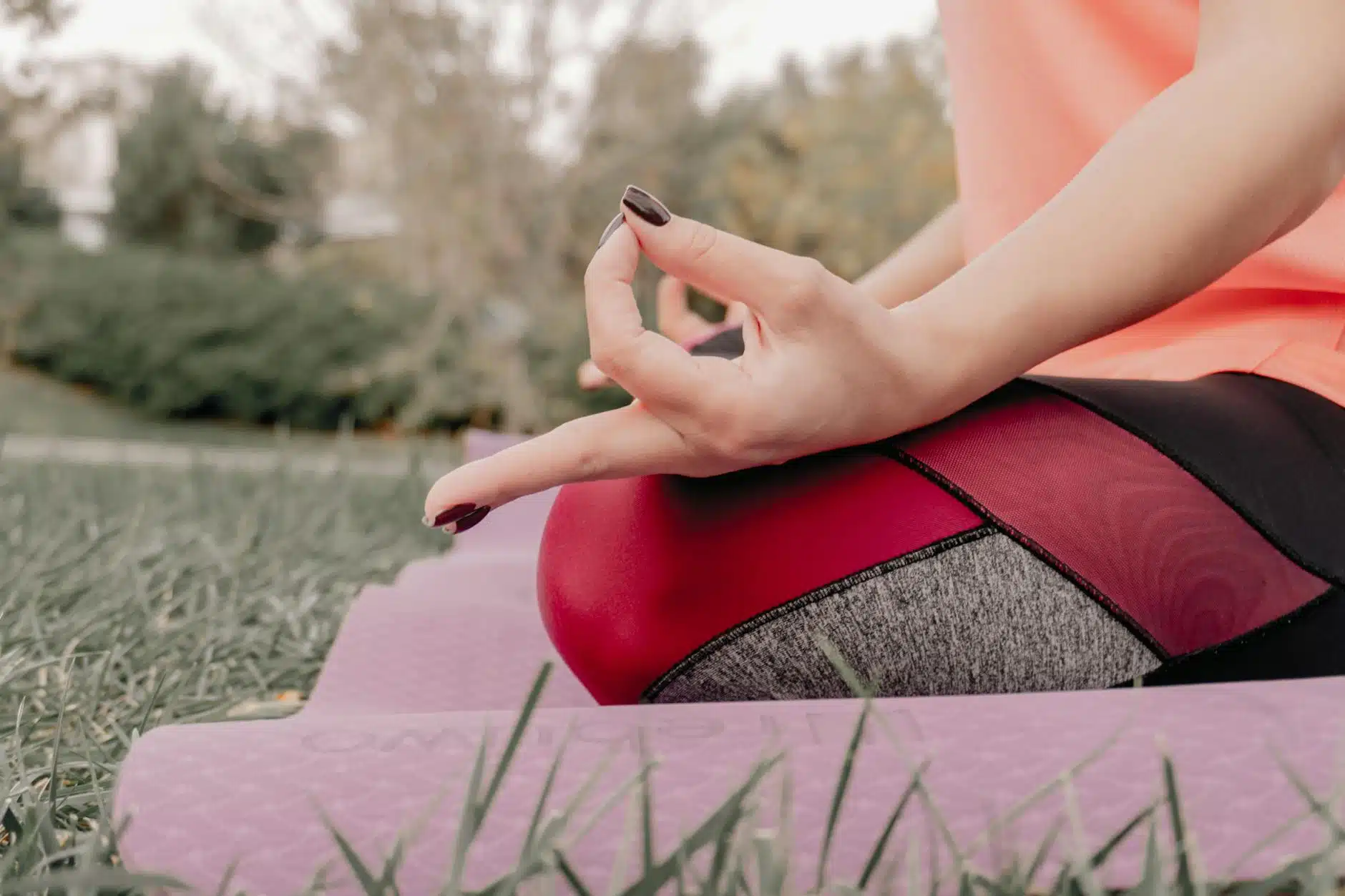
Photo by Zulfugar Karimov on Pexels
By adopting a minimalist lifestyle, individuals can create a calming atmosphere that promotes relaxation. This simplification allows for better emotional regulation, as individuals become less distracted by external chaos. Furthermore, the act of decluttering itself can be therapeutic. It can serve as a tangible way to exert control in one’s life, which is particularly beneficial for those experiencing anxiety or depression. Engaging in activities such as organizing a closet or clearing out a garage can provide a sense of accomplishment,
Moreover, minimalism can enhance focus and productivity. When distractions are minimized, individuals can devote their attention to tasks that truly matter.
This increased focus has been linked to greater job satisfaction and overall productivity. A study conducted by the Centers for Disease Control and Prevention found that environments designed to reduce distractions can improve performance outcomes.
Implementing a minimalist workspace, such as using a clean desk policy, can lead to improved concentration and efficiency.
Lastly, engaging with minimalism can foster a sense of gratitude and appreciation. When individuals intentionally choose what to keep in their lives, they often find deeper value in their possessions and experiences.
This shift in mindset can lead to enhanced overall happiness, as individuals cultivate a sense of contentment with what they have, rather than longing for more.
Practicing gratitude, such as keeping a daily gratitude journal, can significantly increase psychological wellbeing and lead to a more optimistic outlook on life.
Physical Health Benefits: Mindful Consumption and Wellbeing
The benefits of minimalism extend beyond mental health, impacting physical health as well. One of the most notable effects is the encouragement of a healthier lifestyle. By simplifying choices, individuals often gravitate toward healthier habits. For instance, a decluttered kitchen may lead to more home-cooked meals, which tend to be more nutritious than processed foods. Research has shown that people who cook at home consume fewer calories and healthier ingredients compared to those who rely on takeout or fast food.
Photo by www.kaboompics.com on Pexels
Moreover, minimalism promotes physical activity by encouraging individuals to spend more time engaging in nature and outdoor activities. The minimalist ethos often includes a desire to spend less time indoors and more time appreciating the natural world.
This shift can lead to increased physical activity levels, which are crucial for maintaining a healthy weight and reducing the risk of chronic diseases. A study published in the World Health Organization indicates that regular physical activity can lower the risk of cardiovascular disease, type 2 diabetes, and several types of cancer.
Research indicates that individuals who incorporate more outdoor activities into their lives tend to experience lower blood pressure, improved cardiovascular health, and enhanced overall wellbeing. According to the WHO, engaging with nature can also lower stress levels and improve mood, making it a vital component of a healthy lifestyle.
Activities such as hiking, gardening, or simply walking in a park can provide significant physical benefits while allowing individuals to connect with their surroundings.
Additionally, minimalism encourages mindful consumption. By emphasizing quality over quantity, individuals are more likely to invest in healthier, sustainably sourced products. This approach not only benefits personal health but also supports environmental sustainability, creating a positive feedback loop that enhances community wellbeing.
For example, purchasing locally sourced foods often leads to a better understanding of nutritional content and supports local farmers, contributing to a healthier community overall.
Minimalist Time Management: Prioritizing Your Wellbeing
Time is one of the most valuable resources we possess, yet many individuals find themselves overwhelmed by commitments and obligations. Minimalism provides a framework for better time management by encouraging individuals to prioritize what truly matters. This approach leads to a more balanced and fulfilling life. The first step in this process is recognizing and eliminating time-wasting activities that do not contribute to personal or professional goals.

Photo by Bráulio jardim on Pexels
One of the foundational principles of minimalism in time management is learning to say no. The ability to decline unnecessary commitments allows individuals to focus on activities that align with their values and goals.
This not only reduces stress but also creates space for essential self-care practices, such as exercise and relaxation. Research shows that setting boundaries can lead to lower stress levels and improved life satisfaction.
For example, an individual might choose to decline extra work responsibilities that do not align with their career goals, allowing for more time to focus on professional development.
Furthermore, minimalism encourages individuals to streamline their daily routines. By eliminating non-essential tasks, individuals can create more time for activities that enhance their wellbeing.
For example, a simplified morning routine may involve fewer decisions, leading to a smoother start to the day. This approach can significantly improve mental clarity and focus.
A study published in the NHS supports the idea that focused work periods can lead to improved efficiency and effectiveness. Using techniques like the Pomodoro Technique, where individuals work in focused bursts followed by short breaks, can enhance productivity and prevent burnout.
Additionally, minimalism promotes the concept of “time blocking,” where individuals allocate specific blocks of time for various activities. This structured approach allows for greater productivity, as tasks are completed in dedicated timeframes without distractions.
By consciously planning out their days, individuals can ensure that they allocate time for both work and leisure, leading to a more balanced lifestyle. This technique can be particularly effective for those juggling multiple responsibilities, as it provides clarity and direction for daily activities.
Minimalism in Relationships: Fostering Deeper Connections
Minimalism has a profound impact on personal relationships, fostering deeper connections with others. By simplifying one’s life, individuals can dedicate more time and energy to nurturing relationships that truly matter.
This intentional focus on quality connections can enhance emotional wellbeing and overall satisfaction. In a world where social media and digital distractions often dominate our attention, minimalism encourages a return to face-to-face interactions and meaningful conversations.
One of the key aspects of minimalism in relationships is the emphasis on presence. When individuals declutter their lives, they often find themselves more available to engage fully with family and friends. This presence fosters genuine connections and strengthens bonds, leading to more fulfilling interactions.
According to research, meaningful relationships are a significant predictor of happiness and longevity. For instance, studies have shown that individuals with strong social connections are healthier and may live longer than those who are more isolated.
Moreover, minimalism encourages open communication and vulnerability. By reducing distractions and prioritizing quality time, individuals can cultivate an environment conducive to honest conversations. This openness can lead to improved understanding, conflict resolution, and emotional support within relationships.
For example, setting aside specific times for family dinners or regular catch-ups with friends can strengthen bonds and enhance emotional intimacy.
Additionally, minimalism allows individuals to evaluate their social circles critically. Often, people find themselves surrounded by acquaintances or obligations that drain their energy. By embracing a minimalist approach, individuals can choose to invest in relationships that bring joy, support, and positivity into their lives.
This shift can lead to increased emotional resilience and overall wellbeing. Engaging in activities that foster these relationships, such as group outings or shared experiences, can deepen connections and enhance life satisfaction.
How to Begin: Practical Strategies for Minimalism for Health
Embarking on a minimalist journey requires intentionality and commitment. The first step is to evaluate your current lifestyle. Take time to reflect on what truly matters to you. Consider your values, priorities, and goals.
This self-assessment will guide your decisions as you begin to declutter your life. Establishing a clear vision of what you want to achieve through minimalism can significantly enhance your motivation and commitment to the process.
The next phase involves decluttering your physical space. Start small by selecting one area of your home to tackle. The process can be overwhelming if approached too broadly, so breaking it down into manageable sections is crucial.
As you declutter, ask yourself whether each item adds value to your life. If not, consider donating or discarding it. The “Marie Kondo” method encourages individuals to keep only those items that “spark joy,” which can be a helpful guideline during this process.
Once your physical space is organized, shift your focus to mental and emotional decluttering. This involves eliminating negative influences and distractions from your life. Consider reducing screen time, unsubscribing from unnecessary emails, and practicing mindfulness techniques to cultivate a more peaceful mindset.
Techniques such as meditation, journaling, or even spending time in nature can help clear mental clutter and promote emotional clarity.
Additionally, implement strategies for maintaining a minimalist lifestyle. Create routines that prioritize self-care, such as exercise, meditation, and quality time with loved ones. Regularly reassess your commitments and make adjustments as needed to avoid overwhelming yourself.
For example, setting boundaries around work hours and making time for hobbies or relaxation can help maintain balance in your life.
Frequently Asked Questions
Q: What is minimalism?
A: Minimalism is a lifestyle choice that focuses on simplicity and intentionality. It encourages individuals to remove excess possessions, commitments, and distractions from their lives, allowing for a more fulfilling and less stressful existence. The philosophy promotes the idea that less is more, enabling individuals to prioritize what truly matters to them. This often leads to improved mental clarity, reduced stress, and enhanced overall wellbeing. By adopting minimalism, individuals can create more space for experiences, relationships, and personal growth, ultimately transforming how they live and interact with the world.
Q: How does minimalism improve mental health?
A: Engaging in minimalism can lead to reduced stress and anxiety by creating a more organized and calming environment. It promotes focus and productivity, as individuals are less distracted by clutter. Furthermore, the act of decluttering can be therapeutic, providing a sense of control and accomplishment that enhances emotional wellbeing. Studies have shown that people in decluttered environments report feeling calmer and more in control of their lives. Additionally, minimalism fosters gratitude and appreciation for what one has, which can further enhance positive emotions and lower levels of anxiety and depression.
Q: Can minimalism affect physical health?
A: Yes, adopting a minimalist lifestyle can positively impact physical health. By simplifying choices, individuals are more likely to engage in healthier habits, such as cooking nutritious meals and spending more time outdoors. Minimalism also encourages mindful consumption, leading to better food choices and overall wellbeing. Research indicates that individuals who live minimally tend to experience lower levels of stress and higher levels of physical activity, which are crucial for maintaining a healthy weight and reducing the risk of chronic diseases. Ultimately, a minimalist lifestyle can lead to a more balanced and healthier life.
Q: How can I start living a minimalist lifestyle?
A: To begin your minimalist journey, start by assessing your current lifestyle and identifying what truly matters to you. Gradually declutter your physical space by focusing on one area at a time. For instance, you might start with a closet or a single room. Additionally, reduce mental and emotional clutter by eliminating negative influences and distractions. Consider setting boundaries around your time, reducing screen time, and making time for self-care practices. Implement routines that prioritize your well-being, and regularly reassess your commitments to ensure they align with your values and goals.
Q: Is minimalism only about decluttering physical space?
A: While decluttering physical space is a significant aspect of minimalism, it also encompasses mental and emotional decluttering. Minimalism encourages individuals to simplify their lives in all areas, including commitments, relationships, and daily routines. It promotes intentional living and prioritization of what truly enhances one’s wellbeing. For example, minimalism may involve reducing time spent on social media, letting go of toxic relationships, or simplifying daily tasks to focus on what truly matters. Ultimately, minimalism is about creating a more meaningful and fulfilling life by eliminating distractions and excess.
Conclusion
Incorporating minimalism into your life can yield profound benefits for both mental and physical health. As individuals simplify their environments and commitments, they often discover a renewed sense of clarity, purpose, and joy.
From reducing stress to fostering healthier habits, this lifestyle encourages a focus on what truly matters. By prioritizing experiences over possessions, individuals can cultivate deeper relationships and a greater appreciation for life.
Ultimately, minimalism is not just about living with less; it is about creating space for more of what enriches our lives. As you embark on your minimalist journey, remember that it is a personal and evolving process. Embrace the journey and the changes it brings, and you may find that simplifying your life leads to a more balanced and fulfilling existence.
Minimalism for health and wellbeing is a powerful approach to improving one’s quality of life—one intentional choice at a time. By actively engaging with the principles of minimalism, you can transform not only your physical space but also your mental and emotional landscape, leading to holistic wellbeing and a life rich with meaning and fulfillment.
Other of articles:
5 Positions At Work To Relieve Your Back
The information provided is for reference only. Please consult a professional physician if you experience any discomfort.