Endometriosis, a chronic condition affecting approximately 1 in 10 women, is notorious for its lengthy diagnosis time, averaging between 7 to 10 years. Many women endure debilitating symptoms, which can significantly impact their quality of life, without a clear understanding of their condition. The endometriosis diagnosis delay often stems from a combination of factors, including lack of awareness, stigma, and the complexity of symptoms that can mimic other health issues. This article explores the reasons behind this lengthy process and offers practical steps to help women obtain a timely diagnosis and appropriate care.
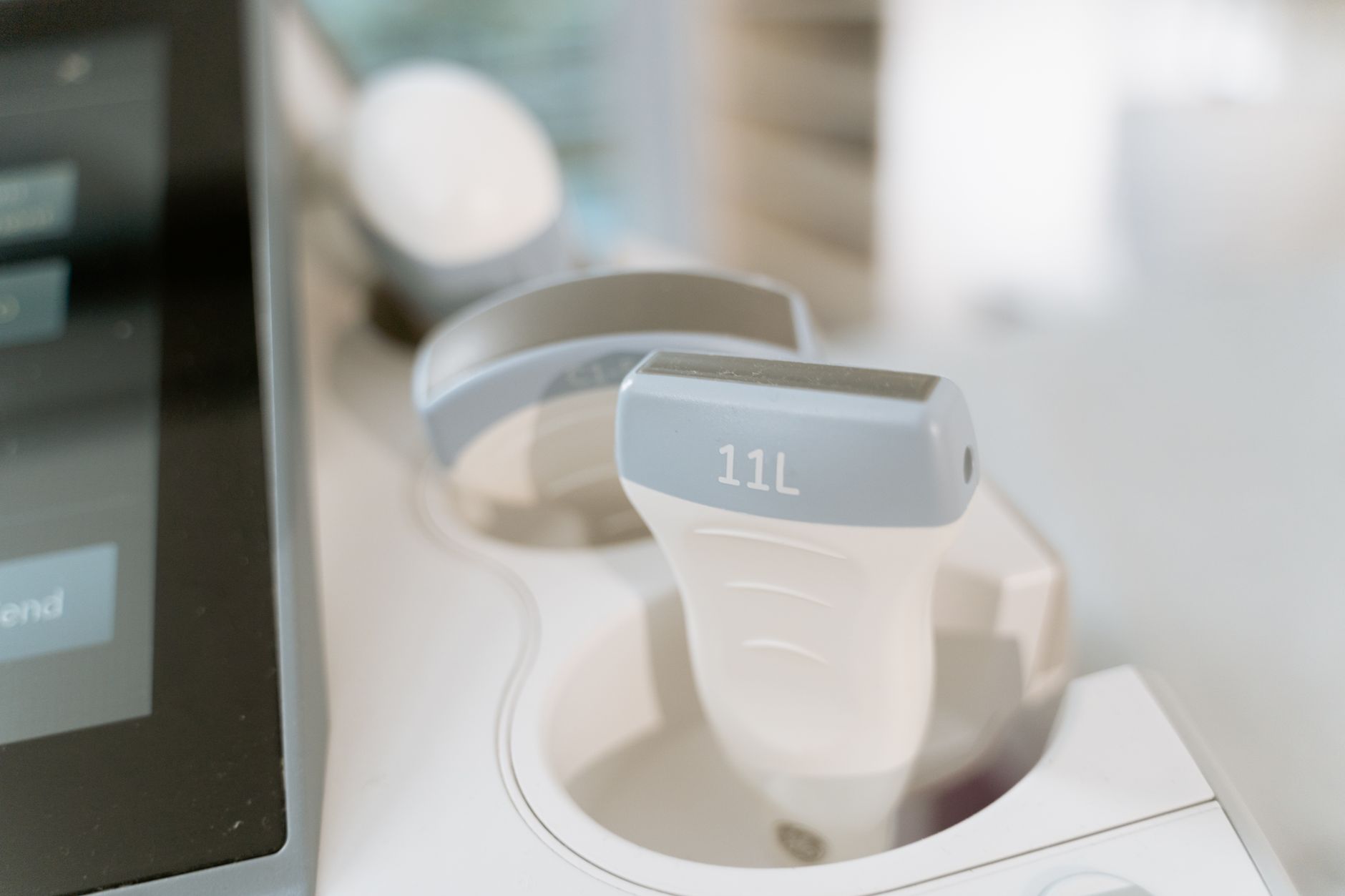 Endometriosis Diagnosis Delay: Why It Takes Years and How to Get Help Faster
Photo by MART PRODUCTION on Pexels
Understanding Endometriosis and Chronic Pelvic Pain
Endometriosis occurs when tissue similar to the lining of the uterus, known as endometrial tissue, grows outside the uterus. This can lead to inflammation, pain, and the formation of scar tissue. Common locations for this tissue include the ovaries, fallopian tubes, and the outer surface of the uterus. In severe cases, it may even spread to other organs within the pelvic cavity. The symptoms of endometriosis can vary widely from one woman to another, making it a challenge to diagnose.
The most prevalent symptom is pelvic pain, often associated with menstrual periods. However, some women may experience pain during intercourse, bowel movements, or urination. Other symptoms can include excessive bleeding, infertility, and gastrointestinal issues. It’s essential to note that the severity of the symptoms does not always correlate with the extent of the condition. Some women with severe endometriosis may have mild symptoms, while others with a milder form may experience debilitating pain.
Understanding the pathophysiology of endometriosis is crucial for grasping its impact. The endometrial-like tissue outside the uterus responds to hormonal changes in the menstrual cycle, leading to cyclical bleeding and inflammation. This process can cause scar tissue to form, resulting in adhesions that can bind organs together, causing further pain and complications. The presence of this tissue can also lead to the development of endometriomas, or “chocolate cysts,” which are fluid-filled sacs on the ovaries that can affect fertility.
The Impact of Endometriosis on Women’s Health and Well-being
The implications of endometriosis extend beyond physical symptoms. The condition can lead to emotional distress, anxiety, and depression, further complicating the health landscape for those affected. According to a study published in Healthline, women with endometriosis are at a higher risk for mental health issues, particularly due to the chronic pain and fertility concerns associated with the condition.
Moreover, the impact on relationships and daily life can be profound. Many women report feeling isolated or misunderstood, particularly if they struggle to convey the nature of their pain to friends, family, or even healthcare providers. This emotional toll can contribute to the overall struggle of navigating a diagnosis and pursuing treatment options. According to a survey by the Endometriosis Foundation of America, nearly 40% of women with endometriosis reported that their condition affected their relationships, leading to feelings of frustration and loneliness.
In addition to mental health challenges, the financial burden of endometriosis can be significant. Many women face high medical costs, including diagnostic tests, treatments, and potential surgeries. This financial strain can further exacerbate the emotional toll of the condition, creating a cycle of stress and pain. Therefore, it is essential for women to have access to comprehensive support systems, including mental health resources and financial counseling, to navigate these challenges effectively.
Common Misconceptions About Endometriosis and Diagnosis
One of the primary reasons for the endometriosis diagnosis delay is the prevalence of misconceptions surrounding the condition. Many people erroneously believe that endometriosis is merely a severe menstrual issue, which can lead to dismissive attitudes from healthcare providers. This misunderstanding often results in women being told that their symptoms are “normal” or simply a part of womanhood.

Photo by Atlantic Ambience on Pexels
Additionally, there is a stigma associated with menstrual pain, leading some women to downplay their symptoms. This can result in a lack of urgency when seeking medical help. As a result, many women endure unnecessary suffering before finally receiving a proper diagnosis. In some cases, healthcare practitioners may themselves harbor misconceptions, believing that the condition is overdiagnosed or that women are exaggerating their symptoms.
Another common misconception is the belief that endometriosis only affects women of reproductive age. However, endometriosis can affect women at any age, including adolescents. Early diagnosis is crucial for managing symptoms effectively and minimizing long-term complications, including infertility. Education and awareness campaigns about endometriosis can help dispel these myths and encourage women to seek help sooner.
Raising Awareness and Education for Endometriosis Support
Improving awareness and education surrounding endometriosis is crucial for addressing these misconceptions. Healthcare providers must receive training to recognize the symptoms and understand the complexities of the condition. The American College of Obstetricians and Gynecologists emphasizes the need for ongoing education and research to better understand endometriosis and its impact on women’s health.
Moreover, community outreach programs and patient advocacy groups play a vital role in educating women about the signs of endometriosis. By raising awareness, women can be empowered to advocate for themselves and seek the care they need sooner, potentially reducing the diagnosis delay. Support from organizations such as the Endometriosis Foundation of America can provide resources, including symptom trackers and educational materials, to help women communicate their experiences effectively to healthcare providers.
Despite the barriers, there are also signs of progress in endometriosis awareness. Social media campaigns, public events, and collaboration with healthcare professionals are helping to bring attention to this often-overlooked condition. By fostering a supportive community and encouraging open discussions, we can work towards reducing stigma and improving diagnosis rates.
Seeking a Diagnosis: Steps for Endometriosis Treatment

Photo by www.kaboompics.com on Pexels
For women experiencing symptoms indicative of endometriosis, taking proactive steps toward diagnosis is critical. Here are some practical actions to consider when seeking a diagnosis:
Documenting Symptoms for Endometriosis Management
Keeping a detailed record of symptoms can be incredibly beneficial. Women should make note of the type, intensity, and frequency of their pain, along with any other symptoms they experience. This documentation can provide valuable information for healthcare providers and help guide discussions during medical appointments. Using a symptom diary or mobile app can help track symptoms over time, making it easier to identify patterns and triggers.
Additionally, women should note any lifestyle factors that may impact their symptoms, such as diet, exercise, stress levels, and sleep quality. This comprehensive approach can help healthcare providers understand the full scope of the condition and develop a tailored treatment plan.
Finding the Right Specialist for Endometriosis Care
Seeking care from a provider who specializes in women’s health or has experience with endometriosis can significantly improve the likelihood of receiving an accurate diagnosis. It’s essential to feel comfortable discussing symptoms openly and to seek a second opinion if initial evaluations do not yield satisfactory answers.
During appointments, women should feel empowered to ask questions and express their concerns. If necessary, they can request a referral to a specialist who focuses on reproductive health. This can lead to more comprehensive evaluations and targeted testing. Furthermore, considering factors such as the provider’s communication style, willingness to listen, and familiarity with endometriosis can influence the quality of care received.
Considering Diagnostic Tests and Laparoscopy
Diagnosis typically involves a combination of pelvic exams, imaging tests such as ultrasounds or MRIs, and sometimes laparoscopic surgery. Laparoscopy is the gold standard for diagnosing endometriosis as it allows for direct visualization of endometrial tissue. According to the Mayo Clinic, this minimally invasive procedure can also enable treatment during the same visit, such as removing abnormal tissue or adhesions.
While imaging techniques can help identify cysts or abnormalities, they are not always definitive for diagnosing endometriosis. Many women may undergo multiple tests before receiving a conclusive diagnosis, emphasizing the importance of persistence and advocacy in this process.
Challenges in Diagnosis and Pelvic Health
The journey to an accurate diagnosis can be fraught with challenges. One significant hurdle is the variability of symptoms among women. Many conditions, such as pelvic inflammatory disease or irritable bowel syndrome, can mimic the symptoms of endometriosis, making it difficult for healthcare providers to pinpoint the issue. This overlap can cause frustration for both patients and doctors as they navigate through potential diagnoses.

Photo by Gustavo Fring on Pexels
Additionally, the lack of widespread awareness about the condition can lead to misdiagnosis or delayed diagnosis. Many women may dismiss their symptoms as typical menstrual discomfort, delaying their visit to a healthcare provider. In some cases, providers may not prioritize endometriosis as a potential diagnosis, resulting in further delays.
The Role of Imaging and Laparoscopic Surgery
While imaging techniques, such as ultrasounds and MRIs, can be helpful, they are not always definitive for diagnosing endometriosis. These methods may identify cysts or other abnormalities but cannot confirm the presence of endometrial tissue. Therefore, the surgical approach of laparoscopy remains crucial for accurate diagnosis. This procedure allows for direct visualization of the pelvic organs, and if endometriosis is present, the surgeon can also treat it during the same operation.
The reluctance some women experience in seeking surgical interventions can also contribute to delays in diagnosis. Concerns about anesthesia, recovery time, and potential complications may make women hesitant to undergo diagnostic laparoscopy. However, understanding the benefits of this procedure can help alleviate fears and encourage women to pursue this vital step toward diagnosis and treatment.
Advocating for Yourself in the Healthcare System
Women often find themselves needing to advocate for their health, particularly when navigating the complexities of endometriosis. Here are some strategies for effective self-advocacy:
Being Prepared for Appointments and Consultations
Preparation is key when attending medical appointments. Women should arrive with their documented symptoms, questions, and any relevant medical history. This preparation can help facilitate a more productive conversation and ensure that all concerns are addressed. Having a friend or family member accompany you can also provide emotional support and help you remember important details discussed during the appointment.
Educate Yourself and Your Provider on Endometriosis
Staying informed about endometriosis can empower women during their healthcare journey. Sharing relevant articles or research with healthcare providers may help bridge gaps in knowledge and lead to more informed discussions. Resources from organizations like the Office on Women’s Health can serve as useful educational materials. Additionally, joining support groups or online forums can provide valuable insights and shared experiences from other women facing similar challenges.
Available Treatment Options and Hormonal Therapy
Once diagnosed, women with endometriosis have several treatment options available, tailored to their specific situation, symptoms, and reproductive plans. Treatment may include medication, hormonal therapy, or surgical intervention.
Managing Symptoms with Medications and Hormonal Therapy
Over-the-counter pain relief medications, such as nonsteroidal anti-inflammatory drugs (NSAIDs), can be effective for managing mild to moderate pain. Hormonal therapies aim to reduce or eliminate menstruation, thereby decreasing the growth of endometrial tissue. Options may include birth control pills, hormonal IUDs, and GnRH agonists. These treatments can help regulate hormonal fluctuations and reduce the severity of symptoms.
While hormonal treatments can alleviate symptoms, they do not cure endometriosis. Women should discuss potential side effects and the long-term implications of these treatments with their healthcare providers. For some, hormonal therapies may be the first step in managing their symptoms, but they may eventually require more invasive treatments such as surgery.
Surgical Options for Endometriosis Relief
For women with severe symptoms or those who wish to become pregnant, surgical options may be considered. Laparoscopic surgery can remove endometrial implants and scar tissue, potentially relieving pain and improving fertility. In some cases, a hysterectomy may be recommended, especially for those who do not plan to have children in the future. However, it’s important to note that a hysterectomy is not a guaranteed cure for endometriosis, as some women may continue to experience symptoms post-surgery.
Making informed decisions about treatment options is crucial. Women should consider factors such as their age, reproductive desires, and overall health when determining the best course of action. Consulting with a multidisciplinary team of healthcare providers can help ensure comprehensive care and support.
Living with Endometriosis: Lifestyle and Coping Strategies
Living with endometriosis requires ongoing management and coping strategies. Many women find that lifestyle changes can reduce symptoms and improve their quality of life. Here are some effective strategies:
Diet and Nutrition for Inflammation Reduction
Some studies suggest that certain dietary changes can help manage symptoms. A diet rich in whole foods, fruits, vegetables, lean proteins, and healthy fats may reduce inflammation. Women are encouraged to limit processed foods and sugars, as these can exacerbate symptoms. Staying hydrated and incorporating anti-inflammatory foods, such as omega-3 fatty acids found in fish, nuts, and seeds, may provide further relief.
In addition to dietary changes, it’s beneficial for women to explore food sensitivities, as certain foods may trigger symptoms. Keeping a food diary to track what you eat alongside your symptoms can help identify potential triggers. Although dietary adjustments may not cure endometriosis, they can contribute positively to overall well-being and symptom management.
Exercise and Stress Management for Chronic Pain
Regular physical activity can enhance overall health and potentially alleviate some symptoms of endometriosis. Exercise releases endorphins, which can help reduce pain perception. Activities such as yoga, swimming, or even gentle walks can be beneficial in managing stress and pain levels.
Stress management techniques, including mindfulness, meditation, and relaxation exercises, can also play a crucial role in managing symptoms. Chronic stress can exacerbate pain and discomfort, making it vital to find effective coping mechanisms. Many women report that engaging in activities they enjoy, such as hobbies or spending time with loved ones, can help alleviate stress and improve their overall quality of life.
Frequently Asked Questions
Q: What are the early signs of endometriosis?
A: Early signs of endometriosis can include pelvic pain, particularly during menstruation, heavy periods (menorrhagia), pain during intercourse, and gastrointestinal issues like bloating or nausea. It’s important to note that the severity of symptoms can vary significantly between individuals, and some may experience minimal discomfort despite having advanced forms of the condition. Women should also be aware that symptoms may worsen over time, emphasizing the need for timely medical evaluation and intervention.
Q: How is endometriosis diagnosed?
A: Diagnosis typically involves a combination of medical history review, pelvic examinations, imaging tests like ultrasounds or MRIs, and sometimes laparoscopic surgery. Laparoscopy is considered the definitive method for diagnosing endometriosis, as it allows for direct visualization and potential biopsy of the endometrial tissue. Women may also undergo a series of tests to rule out other conditions, which can contribute to the overall delay in diagnosis. Seeking second opinions and being persistent in communicating symptoms can be critical steps in obtaining an accurate diagnosis.
Q: Can endometriosis affect fertility?
A: Yes, endometriosis can impact fertility in some women. The condition can cause scarring and adhesions that interfere with the reproductive organs, making it more challenging to conceive. However, many women with endometriosis can still become pregnant, and various treatment options are available to assist with fertility. These options can range from hormonal treatments to surgical interventions aimed at removing endometrial tissue. In vitro fertilization (IVF) may also be considered for women facing fertility challenges due to endometriosis.
Q: Are there any natural remedies for managing endometriosis symptoms?
A: While there is no cure for endometriosis, some women find relief through natural remedies such as dietary changes, herbal supplements, and acupuncture. However, it’s crucial to consult with a healthcare provider before starting any new treatment to ensure safety and efficacy. Some natural supplements, like ginger, turmeric, and omega-3 fatty acids, have anti-inflammatory properties and may help alleviate symptoms. Additionally, keeping a symptom diary can help identify which natural remedies are most effective for individual cases.
Q: How can I support someone with endometriosis?
A: Supporting someone with endometriosis involves being understanding and empathetic. Listen to their experiences, validate their feelings, and encourage them to seek medical help when needed. Offering to accompany them to appointments or helping with daily tasks can also provide much-needed support. Educating yourself about the condition can help you understand their struggles better and offer informed support. Encouragement to join support groups or connect with others facing similar challenges can also be beneficial.
Q: What lifestyle changes can help manage endometriosis symptoms?
A: Lifestyle changes that may help manage endometriosis symptoms include regular exercise, a balanced diet rich in anti-inflammatory foods, stress management techniques like yoga or meditation, and ensuring adequate sleep. Each individual’s experience is unique, so it may take time to find the most effective strategies. Keeping a symptom diary can help track the effectiveness of lifestyle changes and identify patterns that contribute to symptom relief. Additionally, fostering a supportive network of friends and family can enhance emotional well-being and coping during difficult times.
Conclusion
The journey to a timely endometriosis diagnosis can be fraught with challenges, but understanding the complexities of the condition can empower women to take charge of their health. By documenting symptoms, advocating for themselves, and seeking knowledgeable healthcare providers, women can navigate the healthcare system more effectively. It is crucial for women to recognize that their experiences are valid and that they deserve appropriate care for their symptoms.
Raising awareness about endometriosis is crucial for reducing the diagnosis delay. As we continue to educate ourselves and others about this condition, we can foster a supportive environment that prioritizes women’s health. The ongoing efforts of advocacy groups and healthcare professionals can help bridge the knowledge gap and ensure that women receive timely and accurate diagnoses.
With the right resources and treatment options, women can manage their symptoms and improve their quality of life. If you suspect you have endometriosis, don’t hesitate to seek help. Early intervention can significantly impact your health and well-being. Remember, you are not alone in this journey; there is a community ready to support you, and together, we can work towards a future where endometriosis is better understood and managed.
Other of articles:
Women’s Cardiovascular Health Risk Factors
Pregnancy and Postpartum Wellness
Breast Health Screening and Self-Exam
The information provided is for reference only. Please consult a professional physician if you experience any discomfort.