


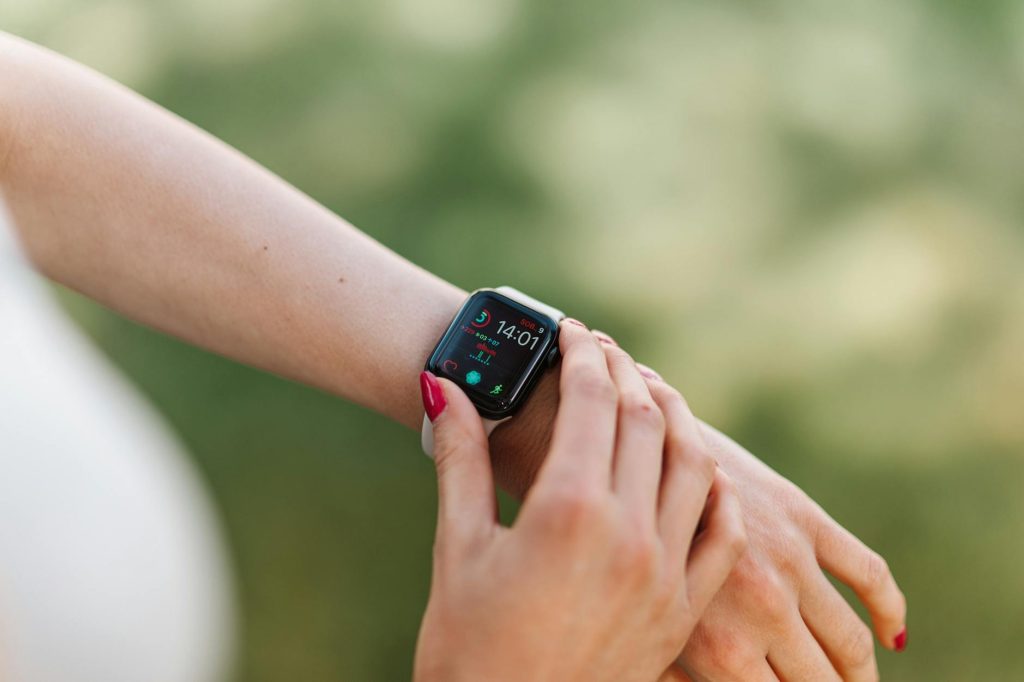
In recent years, the evolution of technology has profoundly impacted numerous sectors, including health and fitness. One of the most exciting advancements is the advent of AI fitness apps. These applications leverage artificial intelligence to offer tailored workout plans, track progress, and even provide nutrition advice. But can these technologies truly replace the individualized guidance of a personal trainer? This article delves into the capabilities and limitations of AI-powered fitness solutions to understand their role in modern fitness.

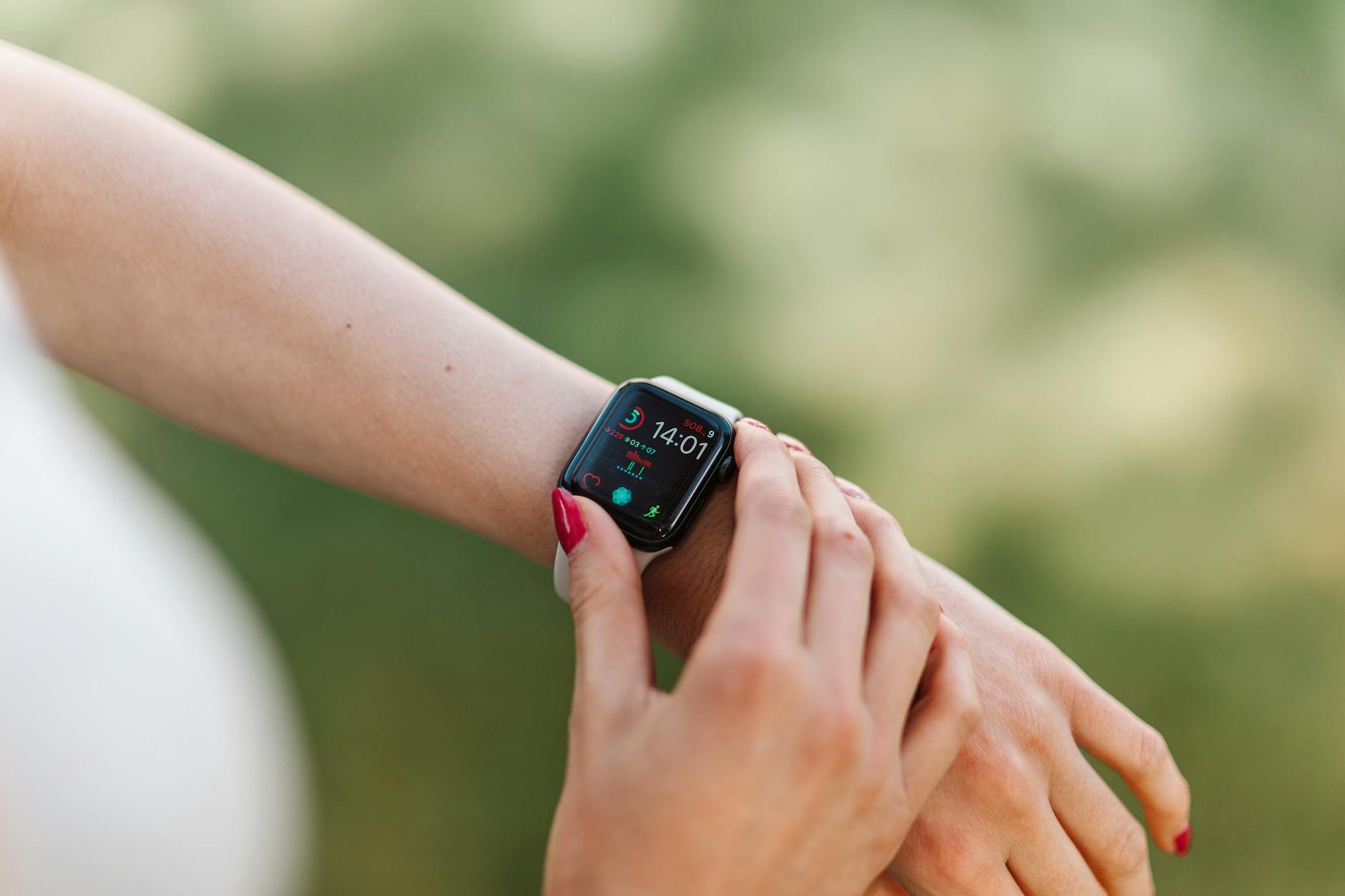
Photo by www.kaboompics.com on Pexels
Understanding AI Fitness Apps
AI fitness applications harness machine learning algorithms to analyze data and generate personalized workout plans. They consider user preferences, fitness levels, and goals to create regimens that adapt over time. Unlike a standard fitness application that merely provides exercises, these smarter alternatives utilize advanced algorithms to ensure that the user remains engaged and challenged. According to a study published in the journal Nature, machine learning models have shown promise in predicting user behavior and customizing workouts effectively, demonstrating a level of personalization that outstrips traditional methods.
Another pivotal aspect of these applications is their ability to learn and improve over time. For instance, as users log their workouts, the system analyzes their performance metrics and feedback to refine future workout routines. They often integrate biometric data from wearable devices like smartwatches, which track metrics such as heart rate, sleep patterns, and calories burned. This comprehensive assessment allows for a holistic view of user health, paving the way for even more tailored guidance. Additionally, some apps now incorporate lifestyle data, such as activity levels outside of workouts, stress levels, and nutrition choices, to foster a truly personalized fitness environment.
The Role of Personalization
One significant advantage of AI fitness apps lies in their capacity for personalization. Each user is unique, possessing different fitness levels, preferences, and goals. Personalization goes beyond merely suggesting a workout routine. These applications provide users with workout schedules that adapt based on adherence, performance, and even seasonal changes. For instance, a runner preparing for a marathon might receive progressively longer runs interspersed with recovery sessions, all adjusted based on how they’ve responded to previous workouts.
Several studies support the idea that personalized approaches in fitness yield better results than generic plans. In a study appearing in the Journal of Medical Internet Research, researchers found that participants using personalized fitness plans through apps showed a 30% higher adherence rate compared to those following standard workout routines. By customizing regimens, these applications can help users overcome plateaus, stay motivated, and achieve long-term success.
Technology and User Engagement
User engagement is critical to any successful fitness regime, and AI fitness apps excel in this area. They implement gamification techniques that keep users motivated through challenges, rewards, and social engagement. Many applications now allow users to connect with friends, share achievements, and compete in challenges. This community aspect can significantly bolster commitment, as social support has been shown to enhance adherence to exercise programs in various studies.
Furthermore, these technologies use behavioral nudges—subtle prompts or reminders—to encourage more frequent engagement. For instance, personalized notifications can remind users of workouts, suggest hydration during intense sessions, or provide encouragement when motivation wanes. Studies reveal that personalized reminders can effectively increase adherence rates to fitness plans significantly. By providing instant feedback regarding their progress, such apps maintain user motivation and accountability, which are vital ingredients in the recipe for fitness success.
The Benefits of Using AI Fitness Applications
AI fitness applications hold several compelling advantages that appeal to a wide range of individuals, from beginners to seasoned athletes. One notable benefit is the convenience they provide. Users can access personalized training sessions from the comfort of their homes or while on the go. In a world where time constraints can be a barrier to consistent exercise, this flexibility is vital. The ability to schedule workouts around personal commitments and barriers significantly enhances adherence, as users are not constrained by physical locations or rigid class schedules.
Moreover, the affordability of AI fitness apps often makes them a more accessible option compared to hiring a personal trainer. While some high-end apps may require a subscription fee, they still remain cost-effective relative to regular personal training sessions. On average, personal trainers may charge between $40 to $100 per hour, which can quickly add up, rendering personal training a luxury for many. This democratization of fitness guidance enables individuals from all walks of life to engage with health and wellness without prohibitive costs.

Photo by Gustavo Fring on Pexels
Broadened Access to Expertise
One of the significant impacts of technology in health is the democratization of access to expert knowledge. AI fitness applications leverage data and research to incorporate scientifically backed workout principles into their training suggestions. This enables users to benefit from insights usually reserved for professional athletes or personal trainers. Additionally, these apps often feature instructional videos and tutorials guiding users on proper form and technique, reducing the chances of injury. With just a smartphone, users can access a wealth of information on strength training, cardiovascular health, and nutritional advice that is technically sound and relevant.
Moreover, many AI fitness apps provide resources such as articles or blogs that offer tips on improving fitness routines, nutrition, and wellness practices. This access to diverse forms of expertise also significantly boosts users’ confidence, as they can make informed decisions about their health and fitness journey. This level of informed decision-making is essential, particularly for those new to fitness, as it fosters a deeper understanding of health and well-being.
Continuous Adaptation
Unlike static workout plans, AI fitness apps continuously adapt to user progress and feedback. As users log their workouts and physical responses, the algorithms refine their recommendations. For instance, if a user consistently reports fatigue, the app may modify the intensity or volume of workouts accordingly. A well-designed app would assess user data through various metrics, including repetition maxes, perceived exertion, and daily energy levels, to ascertain how effectively the user is progressing.
This flexibility enhances the effectiveness of training regimens, increasing the likelihood of sustainable results. Continuous adaptation ensures that users remain engaged and less likely to abandon their fitness plans and helps avoid the issue known as overtraining, which can lead to burnout and injuries. Studies show that users who have a more tailored approach are less likely to quit their exercise program, showcasing the potential for these technologies to promote long-term adherence.
Limitations of AI Fitness Apps
While AI fitness applications are groundbreaking, they also have certain limitations that users should consider before relying solely on technology. One primary drawback is the lack of human interaction. While these apps can simulate coaching through feedback and structure, they cannot offer the face-to-face motivation and encouragement that a human trainer provides. Research indicates that interpersonal dynamics in coaching can be just as crucial as the techniques employed during training.
Furthermore, these applications may struggle with emotional intelligence—an important aspect of effective fitness coaching. Human trainers can read body language, recognize signs of fatigue or frustration, and offer spontaneous modifications that an algorithm may miss. This sensitivity to human emotion can profoundly affect motivation and performance outcomes. In fact, a study published in the World Health Organization journal emphasizes that social bonds and emotional intelligence play pivotal roles in influencing a client’s success in fitness.

Photo by Pavel Danilyuk on Pexels
Potential Over-Reliance on Technology
In our technologically advanced age, there is a risk of over-reliance on digital solutions. Some users might find themselves dependent on AI fitness apps for guidance, inadvertently dulling their ability to listen to their bodies or trust their instincts regarding fitness and health. While technology serves as a valuable supplement, it should not substitute intuitive understanding of one’s personal health and wellness. Over-dependence may lead to missed opportunities for self-discovery regarding what works best for an individual’s body and mind.
To counteract this potential pitfall, users should incorporate regular self-assessment into their fitness regimen. Taking time to reflect on progress without the app can deepen one’s connection to fitness and foster a better understanding of personal goals and limitations. Balancing technology with self-awareness can facilitate a more grounded and enriching fitness journey that encompasses the use of intuition alongside advanced AI tools.
Data Privacy and Security Concerns
As AI fitness apps typically require users to input sensitive personal data, concerns about privacy and data security remain paramount. Users should always be mindful of how their information is collected, stored, and shared. With the increasing number of data breaches reported globally, many might feel apprehensive about detailing their fitness journey on platforms that lack stringent privacy guidelines. Understanding the application’s data privacy policy is crucial before sharing personal details. The trust users place in these technologies is paramount as they engage in sensitive personal development.
Many reputable applications emphasize their security measures, implementing encryption and offering limited data sharing. Choosing apps from established companies with a strong reputation for data security can mitigate many of these concerns. It’s also wise to regularly review app permissions on devices to ensure that only necessary information is shared and to stay updated about any changes to the app’s privacy policies.
Choosing the Right AI Fitness App
With countless AI fitness applications flooding the market, selecting the one that fits individual needs can be daunting. A critical step is to assess personal goals. Whether you aspire to lose weight, build muscle, improve endurance, or simply maintain an active lifestyle, different applications cater to different objectives. Some focus primarily on strength training, while others emphasize cardiovascular activities or integrate various fitness modalities for a well-rounded approach. Individuals should prioritize apps that align their functionalities with their fitness ambitions.
Additionally, interface usability plays a vital role in the user experience. An intuitive design enhances motivation and usability; if an app is complicated or cumbersome to navigate, users may abandon it prematurely. Reading reviews and conducting research beforehand can ease the selection process. User testimonials can provide critical insights into how effectively an app serves its intended purpose and its overall user satisfaction rate.

Photo by Ketut Subiyanto on Pexels
Cost Considerations
While many apps offer free trials or free versions, premium features typically require a subscription. Users should weigh the costs against the features provided. For instance, if an app includes personalized coaching, meal recommendations, and advanced progress tracking, it may warrant the investment. Investigating whether an app regularly receives updates or improvements also adds long-term value to the user’s investment. It’s crucial to ensure that the expense aligns with the app’s features and helps achieve fitness goals effectively.
In addition, many apps offer referral bonuses or family memberships that can lower costs, making it financially feasible for more users to access premium features. Subscribing to a monthly or yearly plan should feel worthwhile, and those who trial different apps may find that many leading options offer discounts or incentives to retain users.
Compatibility with Wearable Devices
Integration with wearable technology can significantly enhance the overall experience. Many AI fitness applications sync seamlessly with wearables like smartwatches or fitness trackers to provide real-time data on heart rate and activity levels. This connection enables a more comprehensive understanding of fitness, leading to better guidance and insights for users. Real-time feedback on performance metrics equips users with the tools they need to make immediate adjustments during their workouts, maximizing efficiency and results.
Moreover, most popular wearable technologies provide insights beyond exercise, such as sleep quality analysis, step counts, calorie tracking, and heart rate variability. Attorneys often recommend wearables, noting that devices like Fitbits and Apple Watches can motivate users, pushing them to achieve daily activity goals. When combined with AI fitness applications, the resulting feedback loop amplifies the overall positive impact on health and fitness.
Real User Experiences with AI Fitness Apps
Exploring real user experiences can provide valuable insights into the effectiveness of AI fitness applications. Many users report increased consistency in their workout routines simply due to the ease of access these apps provide. The convenience of having a personal trainer in one’s pocket allows individuals to fit exercise into their busy lives, leading to improved health and fitness levels over time. Furthermore, users appreciate the ability to track their progress visibly; this instant gratification can reinforce continued participation.
However, some users voice concerns regarding motivation. While the immediacy of an app can be beneficial, others miss the personal connection that comes with traditional trainers. Several studies underline that social support plays a critical role in exercise adherence, indicating that those who engage with trainers or workout groups typically fare better in their fitness journey. Users have reported mixed feelings; while they enjoy the autonomy of working with an app, they occasionally yearn for that human touch to enhance accountability and enthusiasm.
Success Stories
Success stories often provide the best testament to the efficacy of a technique. Numerous users of AI fitness apps have witnessed transformative results. For instance, one avid user of a popular fitness tracker app successfully lost over 50 pounds in a year by following the app’s personalized workout and nutrition guidelines. Tracking progress through weekly check-ins boosted her self-efficacy, motivating her to take on even more challenging fitness goals.
Moreover, stories abound about users who have transformed their mental health through consistent exercise facilitated by AI fitness apps. Many users have reported decreases in anxiety and stress, attributing their improvements to the structured schedules provided by these applications. Similar behaviors demonstrated by those engaging in group workouts via fitness apps reflect enhanced longevity and satisfaction levels. Such narratives lend credibility to the impact of AI technologies on personal wellness journeys, showcasing the tangible benefits of modifying behavior through technology.
Challenges and Feedback
Nevertheless, providing constructive feedback remains essential for AI fitness apps to evolve. While many applications have effective algorithms for feedback, they still cannot replace real-time adjustments and emotional support. Users appreciate apps that allow them to provide direct feedback on their workouts, ideally leading to a continual refinement of the app’s suggestions to better meet their needs. Many applications have built-in systems for collecting user feedback or surveys that track user satisfaction, demonstrating responsiveness to user concerns.
To ensure that the feedback loop is beneficial, developers should prioritize user experience continually. This feedback mechanism not only enhances retention rates but actively fosters a more personalized environment where users feel their perspectives are valued. Ultimately, a responsive development model keeps users engaged while emphasizing the continual improvement of AI fitness applications.
Frequently Asked Questions
Q: Are AI fitness apps suitable for all fitness levels?
A: Yes, AI fitness apps indeed cater to various fitness levels, from beginners to experts. Most applications assess a user’s initial fitness level through assessments or questionnaires during the onboarding process. This helps them to create a personalized approach right from the start. Beginners might start with simple, foundational exercises, focusing on developing proper techniques. Those with more experience can dive into advanced, cross-training or specialized programs. This adaptability is fundamental, ensuring that users progress in accordance with their evolving fitness capabilities. Additionally, as users report feedback and progress, the algorithms modify the programs, maintaining an appropriate level of challenge and preventing staleness in routines.
Q: Do AI fitness apps offer nutritional guidance?
A: Many AI fitness apps include nutritional advice alongside workout plans. Users often have the option to log their meals, which the apps then analyze to offer dietary suggestions. These apps may provide meal plans tailored to specific fitness goals, such as muscle gain or weight loss, and often use food databases to help users track their caloric intake. Some advanced applications may even offer recipe suggestions that balance macronutrients effectively. However, it’s essential to be aware that while these apps offer valuable guidance, the information might not be as comprehensive or personalized as that from a registered dietitian. For those who need in-depth nutritional support, consulting a dietitian could still be highly beneficial for tailored advice and health considerations.
Q: Can AI fitness apps replace traditional personal trainers?
A: While AI fitness applications provide significant benefits in personalization and convenience, they cannot fully replace human trainers. Personal trainers bring emotional intelligence, motivation, and immediate adaptability that current AI technologies cannot replicate. These trained professionals can adjust fitness plans on-the-fly and address specific health concerns, making them invaluable for some individuals. Moreover, trainers can offer stronger accountability and encouragement, often leading to better adherence to fitness commitments. That said, for users looking to undertake fitness endeavors independently or outside traditional settings, AI fitness apps can serve as an excellent complementary resource, filling gaps where trainers may not be available.
Q: How do I ensure my data privacy with these apps?
A: To ensure data privacy when utilizing an AI fitness app, users should review the app’s privacy policy before signing up. Look for clear guidelines on data collection, storage, and sharing. Prioritize applications that have strong data protection measures and the ability to allow users to control their information. Avoid apps that lack transparency regarding their practices. Additionally, users should regularly assess their app permissions on devices, ensuring that only necessary data is shared and that they are comfortable with what the applications access. Regular reviews or scrutiny of app settings can provide users peace of mind and protect their personal information from misuse.
Q: Are there free AI fitness apps available?
A: Yes, several free AI fitness applications are available in the market. While these free versions typically come with limited features, they can still provide valuable workout plans and tracking capabilities. Many apps often provide a freemium model; offering basic features for free while premium features may require a subscription or in-app purchases. Users can opt for premium versions that offer additional features, such as personalized coaching, enhanced analytics, and other beneficial upgrades. These premium features can provide further application utility and insight into personal health journeys. Those interested in exploring multiple options have a chance to trial various apps, compare what suits them, and choose the app that fits their needs best.
Q: What settings should I consider when using an AI fitness app?
A: When using AI fitness applications, consider adjusting settings that align with your individual preferences and goals. Personalization settings often include fitness level, preferred workout types, and target outcomes. Users should enable notifications to receive regular reminders about workouts, hydration tips, and check-ins on progress. Many applications allow customizing feedback frequency based on user preferences. Furthermore, consider taking advantage of social features if available; connecting with friends can enhance motivation. Setting specific milestones within the app, such as completing a certain number of workouts or achieving specific fitness metrics, can also provide additional layers of motivation, helping to keep one engaged and within the rhythm of their fitness journey.
Conclusion
AI-powered fitness apps represent a remarkable development in the world of health and wellness. They provide personalized solutions that can enhance workout experiences for many individuals, making it easier to embark on fitness journeys. Their convenience, accessibility, and adaptability make them excellent alternatives or complements to traditional fitness training methods. However, it is essential to recognize that these applications cannot wholly replace the comprehensive guidance of a personal trainer, as human interaction plays a crucial role in motivation, emotional support, and accountability.
As users navigate the burgeoning landscape of AI fitness applications, finding the right balance between technology and human insight is crucial. While technology can provide exceptional tools for achieving fitness goals, it should be viewed as a complementary resource rather than a sole answer. Incorporating AI fitness apps into one’s routine enables individuals to harness the power of technology alongside the valuable personal touch that trainers can offer. The ongoing evolution in this field brings an exciting frontier in health and wellness, empowering users to achieve their fitness and health goals more effectively than ever before.
Ultimately, informed choices will decide the success of AI fitness applications in an individual’s journey, optimizing personal development while fostering a sense of community and personal connection within fitness practices. With diligence and a holistic approach to health, users can fully realize their potential through these innovative solutions, leading them toward victory in achieving their wellness aspirations.
Other of articles:
The information provided is for reference only. Please consult a professional physician if you experience any discomfort.