How AI Nutrition Assistants Work
In recent years, digital technology has transformed many aspects of our lives, and nutrition is no exception. An emerging trend that has captured the attention of health enthusiasts and professionals alike is the advent of AI nutrition assistants. These intelligent applications leverage artificial intelligence to offer personalized dietary recommendations, recipe suggestions, and nutritional insights tailored to individual lifestyle and health goals. But how do they work, and can we trust the accuracy of their advice? In this article, we will explore the mechanics of these innovative tools and assess their effectiveness in promoting healthier eating habits.

The Technology Behind AI Nutrition Assistants
AI nutrition assistants utilize complex algorithms and machine learning techniques to analyze dietary preferences, nutritional needs, and health metrics. At their core, these tools are fueled by vast datasets, including nutritional information, scientific research, and user feedback. By processing this information, they can generate personalized meal plans, calorie counts, and nutrient tracking.
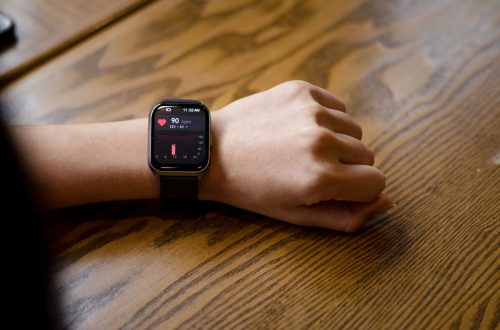
The first step in the functioning of these apps generally involves gathering inputs from users. Information such as age, sex, weight, height, and specific health goals are collected via questionnaires or interactive interfaces. Some advanced platforms even integrate wearable technology, allowing continuous monitoring of dietary habits and physical activity levels. This integration provides a more comprehensive view of a user’s lifestyle, thus enabling better tailored suggestions.
Machine learning plays a crucial role in enhancing the app’s responsiveness and accuracy. By analyzing user behavior and outcomes over time, algorithms can improve recommendations. For instance, if a user consistently fails to adhere to specific meal plans, the AI can identify these patterns and adjust suggestions accordingly. This ongoing learning process is akin to having a personal nutritionist who adapts plans based on feedback and progress.
Additionally, many AI nutrition platforms utilize natural language processing (NLP) to facilitate user interaction. NLP allows users to converse with the application in organic ways, enabling more fluid communication, whether asking about calorie values or requesting recipe ideas based on available ingredients. This interaction can make the experience feel personal and tailored, enhancing user satisfaction.
It’s important to note that while these applications offer convenience, they do not replace professional dietary advice. Health professionals provide personalized recommendations based on years of training, clinical experience, and an understanding of complex health conditions. AI nutrition assistants can, however, complement traditional nutritional counseling and empower individuals to take charge of their dietary habits with informed choices.
Types of AI Nutrition Assistants
Within the realm of AI nutrition, various types of tools exist, each catering to different user needs. Meal planning apps, calorie counters, and food diary trackers are common varieties. Meal planning applications can create weekly menus based on individual preferences and health goals, often sourcing recipes from extensive databases. For instance, platforms like MyFitnessPal and Lifesum also include social features, allowing users to share experiences and recipes with community members, fostering a sense of support and accountability.
Calorie counting apps typically enable users to log meals and snacks, offering insights into their daily caloric intake and nutritional composition. Some applications even feature barcode scanning functionality, making it easier to track packaged foods. Food diary applications, on the other hand, allow users to chronicle their consumption over time, promoting mindfulness about eating habits.
Moreover, some platforms offer advanced features such as analysis of food microbiome interactions or meal timing recommendations, which are based on emerging research. For example, apps like Fooducate offer insights into how different foods affect gut health, while others provide recommendations on optimal meal timing to enhance metabolism and energy levels. These innovations genuinely illustrate the expanding frontiers of artificial intelligence in nutrition, making it easier for users to achieve their dietary goals.
Benefits of Using AI Nutrition Assistants
The potential benefits of utilizing AI-based nutrition tools are manifold, enriching the user experience and dietary outcomes. One significant advantage is that these applications provide convenient access to information and support. Users can find nutritious recipes and meal planning resources at their fingertips, which enhances adherence to health goals. This immediate access can be particularly beneficial for busy individuals or families seeking to navigate weeknight meals effectively.

Photo by Ron Lach on Pexels
Additionally, these tools can facilitate greater awareness of food choices. By encouraging users to log their meals and monitor dietary intake, they cultivate a deeper understanding of nutritional value and portion sizes. Research published in the National Institutes of Health suggests that mindful eating practices can significantly reduce overeating and contribute to healthier weight management. Through regular tracking, users may notice eating patterns or preferences, empowering them to make informed adjustments for better health outcomes.
Furthermore, the personalization aspect is a significant advantage. Traditional dietary recommendations often apply generalized guidelines. In contrast, AI nutrition assistants provide advice tailored to the individual, whether adjusting for dietary restrictions, health issues, or personal preferences. Many applications also allow for customization, enabling users to create profiles that align closely with their lifestyle. This flexibility can lead to lasting shifts in dietary practices.
Moreover, the integration of gamification features—such as progress tracking, challenges, and rewards—adds an element of fun to dietary management. Engaging with one’s nutrition can be enjoyable, potentially leading to sustained behavior change and improved health outcomes. For example, platforms like Noom incorporate psychological principles to encourage sustainable health habits, celebrating small wins and milestones as users progress toward their goals.
Potential Drawbacks and Limitations
Despite the many benefits associated with these applications, some limitations and concerns warrant consideration. A major challenge is data accuracy. These tools rely on extensive nutritional databases, and discrepancies in food composition data can lead to erroneous recommendations. Users should remain vigilant and cross-reference food information with trusted sources, such as government nutritional databases or registered dietitians.
Another potential drawback is the over-reliance on technology. Some individuals may become overly dependent on these applications, neglecting to develop their understanding of nutrition. While AI tools can provide helpful guidance, it’s essential for users to cultivate their nutritional knowledge independently. To mitigate this risk, users can engage in educational opportunities or seek advice from professionals to enhance their understanding of healthy eating habits.
Privacy and confidentiality issues are also significant concerns. Users must share personal information, including health data, with the application, raising questions about the security of this sensitive information. Service providers should be transparent about how they manage user data and assure stringent measures are in place to protect privacy. Before selecting an app, potential users should review the service’s privacy policy and look for third-party certifications for data protection.
Are AI Nutrition Assistants Accurate? A Closer Look
The accuracy of AI nutrition assistants remains a central question among health professionals and potential users. Evaluating their reliability encompasses several factors, including the underlying algorithms, the quality of data, and how feedback is incorporated over time. Generally, these technologies have shown promising results in various studies, but they also can exhibit limitations.

Photo by Tara Winstead on Pexels
Research indicates that AI nutrition assistants can substantially improve dietary habits among users. According to a study published in the National Center for Biotechnology Information, users of nutritional apps reported increased vegetable consumption and adherence to specific dietary regimens. However, the accuracy of calorie tracking remains a contentious topic. Some studies suggest that while users may accidentally underreport their caloric intake, well-designed applications can help to correct this tendency through user feedback and data refinement.
Additionally, the effectiveness of these tools may vary between individuals due to diverse eating habits and levels of adherence. A key factor in determining the accuracy of these applications is user engagement and commitment. One study found that individuals who regularly interacted with their AI nutrition assistant reported more significant improvements in dietary quality compared to those who used the app sporadically.
Furthermore, while machine learning algorithms continuously improve through user interactions and data, they are still susceptible to biases inherent in the data they are trained on. If the underlying data sets lack diversity or fail to represent specific dietary patterns, the recommendations may not be universally applicable. It’s vital for developers to continuously update and expand their databases to reflect evolving dietary research and varied cultural perspectives on food.
In conclusion, while AI nutrition assistants show promise in accuracy and effectiveness, ongoing research and user awareness are crucial for maximizing their potential. Consumers should balance the use of these technologies with traditional nutritional education and professional advice when necessary, integrating insights from both to achieve their health objectives.
Best Practices for Using AI Nutrition Assistants
To get the most out of AI nutrition assistants, users can implement several best practices guiding their journey towards healthier eating. A fundamental step is setting clear health goals. Whether the intention is weight loss, improved energy levels, or managing health conditions, having defined objectives aids the app in generating pertinent recommendations. Users should regularly revisit these goals and adjust them based on progress, ensuring that their dietary focus remains relevant and effective.

Photo by RDNE Stock project on Pexels
Additionally, consistency in logging meals and tracking dietary habits is crucial. Users should take the time to enter accurate data into the application, as this directly impacts the personalization of recommendations. Maintaining diligence in tracking meals ensures maximal benefits from the tool. Many applications can remind users to log meals or check in, which can significantly improve adherence.
Exploring various features offered by these applications is also beneficial. Many AI nutrition assistants provide a plethora of functionalities, such as meal prep guides, grocery lists, and integrated fitness tracking. Utilizing these diverse tools can promote a more holistic approach to wellness and streamline the process of healthy eating. For instance, tools that offer grocery shopping lists based on customized meal plans can save time and help users stick to nutritious choices while shopping.
Seeking Help When Needed
While AI-based tools can greatly enhance dietary practices, seeking support from health professionals should not be overlooked. Registered dietitians and nutritionists are equipped with extensive knowledge and can offer personalized advice tailored to individual medical conditions and lifestyle factors. These professionals can help interpret the data generated by nutrition apps, ensuring users make informed decisions about their dietary choices.
Moreover, collaboration between traditional nutrition knowledge and AI technology can yield optimal outcomes in achieving health goals. Health professionals can assist in addressing any discrepancies noted during tracking, helping users to adjust their habits based on expert guidance. They might also provide additional resources, such as educational materials or workshops, to reinforce positive dietary practices.
Real-World Applications and Success Stories
Real-world applications of AI nutrition assistants showcase their effectiveness in promoting healthier eating habits. Many individuals have shared success stories of achieving specific health goals through diligent use of these platforms. For example, a widely reported case involves a user who employed an AI nutrition assistant to manage diabetes more effectively. The app helped track carbohydrate intake while providing tailored meal suggestions linking blood sugar levels to food choices. As a result, the user reported improved blood sugar control and a deeper understanding of how different foods impacted their health.
Another notable example is a college student who struggled with meal planning due to a busy schedule. By using a meal planning app powered by AI, they created a week’s worth of balanced meals in under an hour. The student appreciated the flexibility to cater to dietary restrictions and preferences while also saving money by avoiding last-minute takeout. Through diligent application usage, they maintained their energy levels and improved concentration during studies.
These stories serve as powerful reminders of how integrating technology into dietary practices can foster lifestyle changes. Success often stems from personal commitment, consistency, and leveraging available resources, including AI technology and professional guidance.
Frequently Asked Questions
Q: How do AI nutrition assistants personalize diet plans?
A: AI nutrition assistants offer personalized diet plans by gathering user-specific information, such as age, weight, dietary restrictions, and health goals. Through this initial assessment, they create a user profile that guides future recommendations. Advanced algorithms analyze this data to generate meal plans that cater to individual preferences while aiming for nutritional adequacy. Beyond static inputs, continuous user interaction allows the app to learn from choices over time. Adaptations might include adjusting macronutrient balances, suggesting new recipes, or even switching food items that users consistently log as favorites or dislikes. The ability to adapt in real-time according to user feedback makes these apps particularly responsive to changing dietary needs.
Q: Are AI nutrition assistants suitable for everyone?
A: While AI nutrition assistants can benefit a wide range of individuals, they may not be appropriate for everyone. People with specific medical conditions, such as eating disorders or complex nutritional needs, should consult healthcare providers or registered dietitians before using these apps. These professionals can provide comprehensive guidance tailored to complex situations, ensuring safety and efficacy. For example, a person with a history of disordered eating may require meal planning assistance that accounts for psychological aspects, rather than solely focusing on calorie tracking. Additionally, children and adolescents should receive guidance from caregivers or healthcare professionals, as their nutritional needs are distinct from adults and require careful consideration.
Q: Can AI nutrition assistants help with weight loss?
A: Yes, many users have successfully achieved weight loss through the guidance of AI nutrition assistants. These applications promote tracking caloric intake and encourage healthier food choices based on individual goals. They often provide meal plans emphasizing nutrient-dense foods while helping users to monitor portion sizes. However, effective weight loss is contextual and varies among individuals. It is influenced not only by dietary adherence but also by physical activity levels, stress management, and emotional well-being. Users should combine the insights from AI nutrition tools with a balanced approach, integrating regular physical activity into their routines and addressing potential psychological barriers that might hinder progress.
Q: What should I consider before using an AI nutrition assistant?
A: Before engaging with an AI nutrition assistant, it’s crucial to consider your health goals, dietary preferences, and any underlying health conditions. Review the app’s features to understand how they align with your needs. Moreover, it’s essential to investigate the application’s privacy policy regarding the handling of personal data to confirm that it complies with data protection regulations. Additionally, consider testing the app over a short trial to evaluate its usability and effectiveness before fully committing. User reviews and ratings can also provide insights into the application’s reliability and real-world performance. Assessing these factors helps set a solid foundation for a positive experience as you embark on your journey toward healthier eating.
Q: How reliable are the nutritional recommendations provided by AI nutrition assistants?
A: The reliability of nutritional recommendations from AI nutrition assistants can vary based on the app’s algorithm, quality of data, and individual user engagement. Many users report positive outcomes, but it’s prudent to remain aware of potential inaccuracies associated with certain recommendations. These applications can deliver reliable advice when they draw from robust and diverse databases. However, it’s important for users to remain engaged and actively track their dietary choices to ensure accuracy. Cross-referencing nutritional advice with established health sources or consulting professionals can help ensure better accuracy. Continuous engagement and proactive management of one’s dietary choices are key to maximizing the advantages of these AI tools while mitigating risks related to inaccuracies.
Conclusion
The rise of AI nutrition assistants represents a significant shift in how individuals approach dietary management. By leveraging advanced technology, these tools provide personalized insights and suggestions aimed at fostering healthier eating habits. With the convenience of accessing tailored recommendations, individuals are empowered to make better food choices that align with their health goals. Moreover, these tools encourage a greater understanding of nutrition, enabling users to be proactive about their diets.
While these applications offer various benefits, such as increased awareness and adaptability, users must remain cautious and consider their limitations. Data accuracy, user engagement, and the importance of professional dietary advice should not be overlooked. It’s essential to balance the use of AI technology with traditional nutritional wisdom, especially for individuals with unique dietary needs or health challenges.
Ultimately, the effectiveness of an AI nutrition assistant can greatly depend on the user’s active participation in their health journey. By utilizing these tools wisely and embracing the resources available through healthcare professionals, individuals may find they can navigate the complexities of nutrition and improve their overall quality of life. Embrace this innovative approach, and let AI assist you in making informed choices for a healthier tomorrow. As technology continues to evolve, the potential for AI nutrition assistants to handle increasingly complex dietary needs will only grow, ensuring that these applications remain valuable companions on the path to health and wellness.
Other of articles:
The information provided is for reference only. Please consult a professional physician if you experience any discomfort.