In recent years, the health and nutrition community has increasingly spotlighted the importance of gut health. Central to this discussion are probiotics and prebiotics. Understanding these two concepts involves examining their unique roles in promoting digestive health, bolstering immunity, and enhancing overall well-being. While they are often mentioned together, probiotics and prebiotics serve distinct functions in our diets. This article explores the differences between these two dietary components, their respective health benefits, and whether one should incorporate both into their diet.
Probiotics vs. Prebiotics: What’s the Difference and Do You Need Both?
Photo by ready made on Pexels
What Are Probiotics?
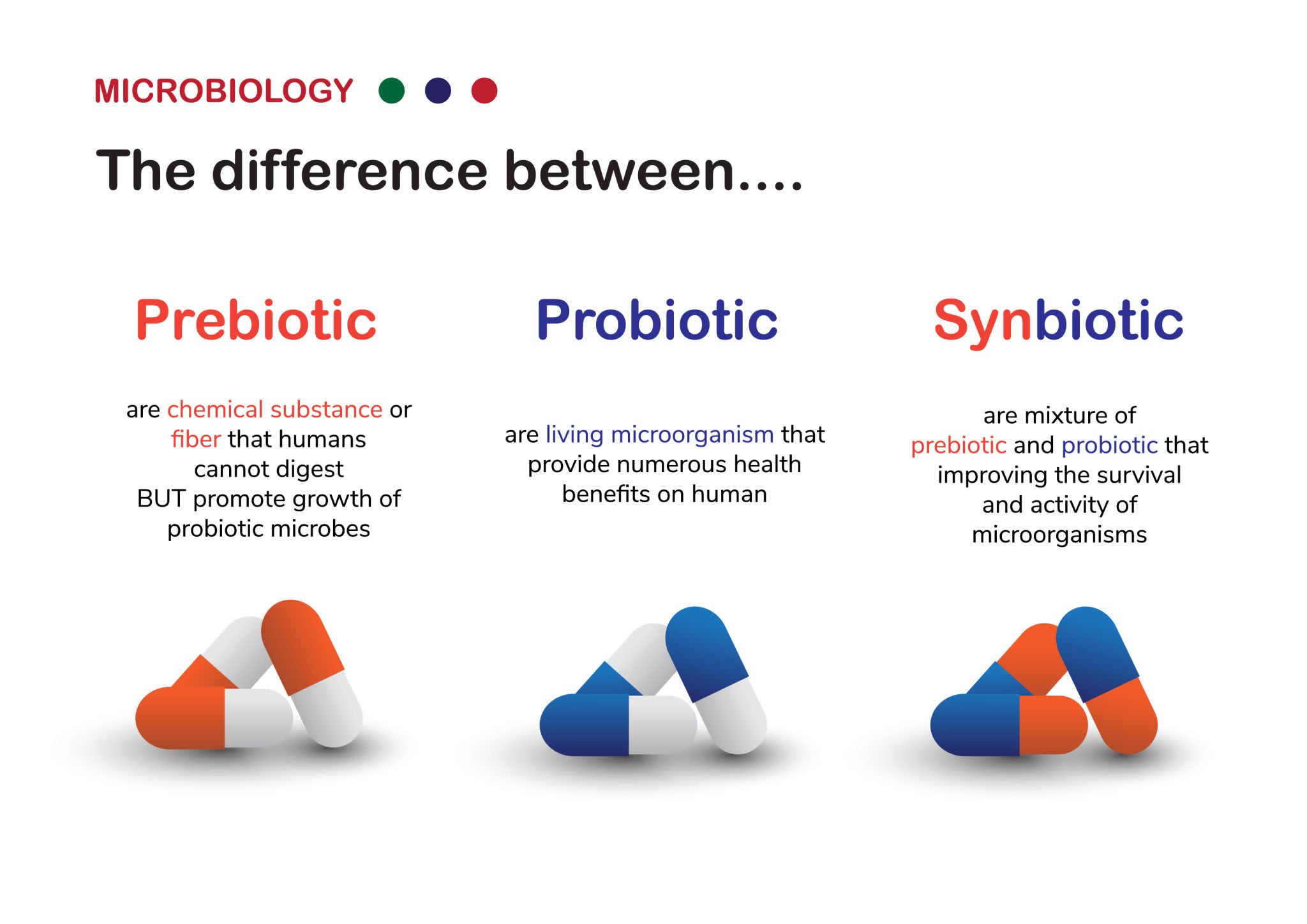
Probiotics are live microorganisms, primarily bacteria and yeasts, that contribute to our health, particularly digestive health. The most commonly known probiotics belong to the genera Lactobacillus and Bifidobacterium. These beneficial bacteria are found in various fermented foods and dietary supplements. When consumed in adequate amounts, probiotics may confer health benefits by maintaining or restoring the balance of gut microbiota, which plays a crucial role in digestion and overall health.
The primary mechanism by which probiotics function is through their ability to inhibit the growth of harmful bacteria. In the large intestine, these friendly microorganisms can help produce short-chain fatty acids, modulate immune function, and enhance gut barrier integrity. Research indicates that these beneficial bacteria can outcompete pathogens, thereby supporting a healthy gut environment. As these microorganisms digest food, they produce metabolites that can influence not only gut health but systemic health as well.
Research has shown that probiotics can be beneficial in managing a multitude of health issues. For example, studies published in the Harvard T.H. Chan School of Public Health highlight the positive impact of probiotics on antibiotic-associated diarrhea and irritable bowel syndrome (IBS). Furthermore, they have been associated with improved symptoms in conditions such as inflammatory bowel diseases (IBD) and the prevention of certain infectious diseases. The European Food Safety Authority has also recognized specific strains of probiotics for their benefits in digestion and gut health, reaffirming the relevance of this intake in clinical guidelines.
Sources of ProbioticsIncorporating probiotics into your diet can be achieved through various foods and supplements. Fermented foods are rich sources of these beneficial bacteria. Yogurt, kefir, sauerkraut, kimchi, and miso are excellent options. Fermented dairy products, particularly yogurt with live active cultures, are often recommended as the most accessible source of these beneficial microorganisms. Additionally, many companies produce probiotic-containing supplements, which can provide a concentrated dose of specific strains for tailored health benefits. It’s essential to choose products that contain live cultures and check for the strain’s specific health benefits.
For those who may be lactose intolerant, fermented dairy options like kefir may still be well-tolerated due to the fermentation process, which breaks down lactose. It’s also vital to consider the food matrix in which probiotics are ingested; they are best consumed alongside prebiotics to enhance their efficacy. Moreover, research is ongoing to better understand which strains provide the most significant health benefits for various conditions, allowing for more personalized dietary recommendations.
Potential Health Benefits
The benefits of probiotics extend beyond gut health. Evidence suggests they may positively influence mental health, strengthen the immune system, and even aid in weight management. The gut-brain connection implies that a healthy gut microbiome can affect mood and cognitive function. Studies, including those reviewed by the National Institutes of Health Office of Dietary Supplements, have shown a correlation between the intake of certain probiotic strains and reduced anxiety and depression symptoms. This line of inquiry is particularly exciting and opens new avenues in mental health treatment.
Moreover, the role of probiotics in regulating the immune system is increasingly being recognized. Probiotics can enhance the production of specific antibodies and the activity of immune cells, leading to more robust immune responses. This is especially relevant during cold and flu seasons, where maintaining immune function is critical. Several studies have shown that regular consumption of probiotics can reduce the incidence and duration of respiratory infections.
Additionally, research has begun to uncover the potential benefits of probiotics for weight management and metabolic health. Certain strains may play a role in regulating appetite and improving lipid profiles, suggesting a complex relationship between gut health and body weight regulation. This area is still being explored, but it underlines the diverse benefits of integrating probiotics into one’s dietary regimen.
What Are Prebiotics?
Unlike probiotics, prebiotics are not live organisms. They are specialized plant fibers that serve as food for the beneficial bacteria residing in your gut. Prebiotics encourage the growth and activity of these good bacteria, thereby promoting a healthy digestive environment. Common sources of prebiotics include foods rich in certain carbohydrates such as inulin, a type of soluble fiber found in foods like garlic, onions, leeks, asparagus, and bananas. Other examples include fructooligosaccharides (FOS) and galactooligosaccharides (GOS), both of which have been studied for their prebiotic effects.
Prebiotics play a vital role in supporting gut health. By acting as a substrate for probiotics, they enable these beneficial microorganisms to thrive. The fermentation of prebiotics produces short-chain fatty acids, which can contribute to gut health by altering the gut environment, enhancing mineral absorption, and even reducing inflammation. When consumed, prebiotic fibers promote beneficial bacteria’s production of substances that may decrease gastrointestinal discomfort and alleviate constipation.

Photo by ready made on Pexels
Sources of Prebiotics
Prebiotics can be easily integrated into the diet through everyday foods. In addition to garlic, onions, and asparagus, other sources include chicory root, artichokes, and whole grains. Many high-fiber foods, such as legumes, nuts, and seeds, can also serve as prebiotics. Incorporating a variety of these foods is advisable for fostering a diverse gut microbiome. The general recommendation is to consume ample fruits, vegetables, and whole grains, which not only provide prebiotics but also essential nutrients important for overall health.
For individuals looking to increase their prebiotic intake, introducing foods progressively can help prevent gastrointestinal discomfort associated with sudden dietary changes. For instance, starting with small amounts of inulin-rich foods like bananas or chicory and gradually increasing intake can help the body adapt. The goal is to ensure regularity in diet, thereby encouraging the beneficial gut bacteria to thrive while minimizing digestive discomfort.
Health Benefits of Prebiotics
Research indicates that prebiotics can have numerous health benefits as well. They are known to improve digestive health by enhancing bowel regularity and reducing symptoms of gastrointestinal disorders, such as constipation and bloating. Their role in enhancing mineral absorption, particularly calcium and magnesium, may contribute to bone health. Furthermore, they support immune function through their ability to enhance the gut barrier and discourage the colonization of pathogenic bacteria.
Prebiotics may also play a role in reducing inflammation, as the fermentation process can produce anti-inflammatory compounds. This has implications for chronic diseases where inflammation is a contributing factor, such as cardiovascular disease and diabetes. Studies suggest that regular intake of prebiotics can improve metabolic profiles and help reduce the risk of obesity and diabetes-related complications. The connection between gut health and systemic health underlines the significance of this nutrient.
Interplay Between Probiotics and Prebiotics
The relationship between probiotics and prebiotics is symbiotic. While probiotics introduce beneficial bacteria into the gut, prebiotics help nourish and sustain these bacteria, allowing them to flourish. This synergy can help maintain a balanced gut microbiome, contributing to better health outcomes. Clostridium difficile infection, for instance, has been shown to be ameliorated by the combined intake of probiotics and prebiotics, illustrating their collective strength in promoting gut health.
Research supports the effectiveness of prebiotics and probiotics when taken together. This combination, often referred to as synbiotics, can enhance digestive health and promote the systematic balance of gut microbiota. Synbiotics can help ensure the survival of probiotics as they travel through the digestive tract. Furthermore, prebiotics can help increase the effectiveness of probiotics, allowing them to produce beneficial short-chain fatty acids. In particular, systematic reviews have noted an improvement in various gut-related illnesses when both are consumed. It’s important to approach this combined strategy with consideration for individual dietary needs and health conditions.

Photo by Nataliya Vaitkevich on Pexels
Choosing the Right Blend
Finding the right balance between probiotics and prebiotics can be tailored to fit individual preferences and health goals. While some individuals may benefit more from supplementation due to specific health conditions, others may find enrichment from whole foods sufficient. The U.S. Department of Agriculture recommends a balanced diet rich in diverse fruits, vegetables, and whole grains to assure adequate fiber and beneficial microorganisms.
When exploring options for both probiotics and prebiotics, consider factors such as specific health goals or dietary restrictions. For instance, someone with a lactose intolerance might benefit from vegan sources of probiotics such as sauerkraut or pickles. Conversely, those looking to increase fiber intake may focus on adding sources like bananas and legumes that are high in prebiotics. More personalized dietary choices can also include functional foods fortified with probiotics and prebiotics, an emerging trend in the food industry.
Considerations in Usage
When considering incorporating both probiotics and prebiotics into your diet, consulting a healthcare provider or a registered dietitian is advisable, especially for individuals with underlying health conditions or those taking antibiotics. Personalized guidance can assist in determining the right strains, dosages, and combinations best suited to individual health needs. This is particularly important in populations that may have compromised immune systems or specific metabolic disorders.
Furthermore, the dosage and timing of intake can significantly influence the efficacy of these supplements. For instance, some studies recommend consuming probiotics on an empty stomach to maximize their effects. Similarly, understanding that prebiotic fibers require time for fermentation means integrating them into meals at appropriate intervals can enhance their benefits. In essence, individualized plans crafted by healthcare professionals can optimize the health benefits from these components.
Are You Getting Enough Probiotics and Prebiotics?
Determining adequate intake of probiotics and prebiotics necessitates an understanding of dietary patterns. For most individuals, consuming a diverse array of fruits, vegetables, and fermented foods can sufficiently provide both types of nutrients. The recommended daily intake of fiber, which includes prebiotics, is about 25 grams for women and 38 grams for men. Fulfilling these needs through whole foods is the best strategy, as they provide additional vitamins, minerals, and antioxidants essential for health.
If you find it challenging to consume these foods regularly, supplements may be a practical option. Available probiotics come with various strains, each tailored to address specific health concerns. While prebiotic supplements also exist, they should be taken with caution and ideally under the supervision of a healthcare professional. The goal should always be to achieve a balance that promotes holistic health through various dietary means rather than relying solely on supplements.
Ultimately, focusing on a dietary approach that prioritizes whole, minimally processed foods can naturally enhance both types of essential nutrients. A consultation with a healthcare professional can help assess dietary habits and consider supplementation if needed. Monitoring how your body responds to different foods and adjusting accordingly can also lead to improved digestive and overall health.

Photo by olia danilevich on Pexels
Connection to Overall Health
Probiotics and prebiotics have critical implications not only for gut health but for overall physical and mental well-being. The gut microbiome plays a pivotal role in crafting overall health status, influencing digestion, immune response, and metabolic functions. Any disruption in this system can lead to a range of health issues, underscoring the importance of nurturing a diverse microbiome.
Emerging research continues to illustrate how our gut health affects other aspects of our health, including mood regulation and cognitive functioning. The gut-brain connection poses fascinating insights into how dietary choices can profoundly influence mental health outcomes, highlighting the necessity of a balanced intake of both probiotics and prebiotics.
In short: Probiotics are live beneficial bacteria, while prebiotics are the fiber-rich foods that feed those bacteria.
Long-Term Health Implications
Long-term strategies incorporating these dietary elements may have profound implications for various chronic health conditions. Studies demonstrate a link between gut microbiota diversity and a reduced risk of chronic diseases such as obesity, diabetes, and inflammatory conditions. Therefore, fostering a healthy gut through balanced intake is increasingly recognized as a cornerstone of preventive health. The focus of research is expanding to encompass ways to manipulate the gut microbiome to prevent or manage chronic illnesses.
Furthermore, young populations, including infants and children, are now recognized for their unique dietary needs concerning probiotics and prebiotics. As the microbiome begins developing from birth, early dietary interventions can pave the way for better long-term health outcomes. Breastfeeding, which is high in prebiotics, is often encouraged to support an infant’s microbiome development. Similarly, gradual introduction of high-fiber foods during weaning stages can help establish a sustainable foundation for lifelong gut health.
Practical Tips for Incorporation
To effectively integrate both types of nutrients into your daily routine, consider simple strategies like adding fermented foods to meals or opting for whole food sources of prebiotics. A smoothie enriched with banana, yogurt, and a sprinkle of chia seeds can yield both probiotics and prebiotics. Combining them not only enhances your diet but also contributes significantly to overall gut health.
Another practical approach is planning meals around your objective of including both types of nutrients. Adding onions, leeks, or garlic to cooked dishes can provide prebiotics, while serving fermented foods as side dishes can introduce probiotics. For instance, a salad topped with yogurt dressing and sprinkled with seeds creates an accessible way to blend these elements. Furthermore, storing nutritious snacks rich in both types, such as trail mix with nuts and dried fruits, can keep you on track throughout busy days.
Frequently Asked Questions
Q: What is the main difference between probiotics and prebiotics?
A: Probiotics are live beneficial bacteria found in certain foods and supplements, while prebiotics are non-digestible fibers that nourish these bacteria. Probiotics help restore balance in the gut, whereas prebiotics aid in sustaining the health of that gut microbiome. Essentially, probiotics can be thought of as the seeds being planted, while prebiotics serve as the fertilizer that helps those seeds grow. Together, they promote a thriving and balanced microbiome, which is crucial for optimal digestive and systemic health.
Q: How can I tell if I need more probiotics or prebiotics?
A: Evaluating your diet is a good starting point. If you consume little to no fermented foods, you may benefit from probiotics. If you’re not getting enough fiber from fruits, vegetables, and whole grains, you might want to focus on increasing your prebiotic intake. Keeping a food diary can reveal patterns in your eating habits. For instance, consider the frequency of foods like yogurt or sauerkraut versus high-fiber foods like beans or oats. Consulting with a healthcare provider can provide more personalized insights into whether you’re meeting your nutritional needs and how to supplement accordingly.
Q: Are there any side effects of taking probiotics or prebiotics?
A: While both are generally considered safe, some individuals may experience mild digestive reactions such as bloating or gas during the initial phase of ingestion. This is common and often resolves as one’s body adapts. However, those with underlying conditions should consult a healthcare provider for tailored advice. In some cases, if you experience severe discomfort or adverse reactions, it may be necessary to adjust the dosage or change the strains being used. It’s important to start with lower doses and assess your response gradually before increasing intake.
Q: Can I take probiotics and prebiotics together?
A: Yes, taking probiotics and prebiotics together can be beneficial because they work synergistically to support gut health. This combination, known as synbiotics, can enhance the effects of both, promoting a more balanced gut microbiome. When taken together, prebiotics can help ensure that probiotics have enough nourishment to thrive and colonize effectively in the gut. This means you can maximize the potential health benefits of each, a strategy that aligns with holistic approaches to nutrition and wellness.
Q: How long does it take to notice the benefits?
A: The time required to observe health benefits can vary. Some individuals may notice improvements in digestive health within a few days, while others may require weeks to months of consistent intake to experience significant changes. Factors such as the specific strains of probiotics used, the initial state of gut health, and overall dietary patterns can influence this timeline. Long-term habits tend to yield the most substantial improvements in gut health, so patience and consistency are essential while integrating probiotics and prebiotics into your lifestyle.
Q: Is it necessary to supplement with probiotics and prebiotics?
A: Supplementation can be helpful, especially for those unable to meet their needs through diet alone. However, consuming a varied diet rich in both fermented foods and fiber-rich plant foods is usually sufficient for most individuals to achieve optimal gut health. It’s often recommended to prioritize food sources before considering supplements, as whole foods provide additional nutrients that can enhance overall health. If you do opt for supplements, choose high-quality products backed by research that addresses specific health concerns.
Conclusion
Understanding the complexities of gut health is essential, particularly in distinguishing between probiotics and prebiotics. Both are essential components contributing to digestive health and overall wellness. Probiotics introduce beneficial microorganisms into the body, while prebiotics serve as nourishment for these microorganisms, promoting a thriving gut ecosystem.
The balance of these two dietary components can be achieved through dietary choices or supplementation, depending on individual needs. While many can benefit from simply enhancing their intake of diverse, whole foods that encompass both probiotics and prebiotics, others may require targeted supplementation for specific health conditions. As we continue to learn about the intricate relationships between diet, gut microbiota, and health, it becomes increasingly clear that both probiotics and prebiotics play significant roles in maintaining overall health and preventing disease.
In today’s world, regulatory challenges and health-related concerns underscore the importance of a strong and resilient gut microbiome. By consciously incorporating a balanced diet rich in both types of nutrients and remaining aware of personal health needs, individuals can foster a healthier future. The prospective benefits of a meticulously tended gut microbiome extend far beyond the digestive system, influencing mental and physical health through complex interactions that warrant further exploration.
Other of articles:
The information provided is for reference only. Please consult a professional physician if you experience any discomfort.