



Every year, millions of people attempt to quit smoking, and the journey can be extremely challenging. Understanding how to quit smoking effectively is crucial for those who wish to break free from tobacco addiction. The harmful effects of smoking are well documented, including increased risks of cancer, heart disease, and respiratory issues. As a result, comprehensive strategies are essential for successfully overcoming this addiction. Here, we will delve into scientifically backed cessation methods, providing a ranked overview of the most effective options available.

Effective Methods to Quit Smoking: Ranked for Success
The Importance of Quitting Smoking
Quitting smoking is one of the most important steps a person can take toward improving their health. Smoking is responsible for numerous health problems that can diminish quality of life and lead to premature death. According to the Centers for Disease Control and Prevention, smoking is a leading cause of preventable disease and death. With the right tools and support, individuals can significantly improve their chances of quitting successfully.
Imagine being able to breathe freely without coughing, restore taste and smell senses, and lower the risk of heart problems. Every benefit obtained from quitting enhances physical and mental well-being. Furthermore, apart from the health benefits, quitting smoking can also lead to substantial financial savings, with costs associated with purchasing cigarettes eliminated. A smoker can save thousands of dollars annually, which can then be directed towards healthier activities or savings.
Understanding the triggers and situations that lead to smoking can aid in creating an effective plan for cessation. Identifying these aspects is crucial as they can undermine an individual’s resolve to quit. Whether through personal resolve, support from family and friends, or professional help, every step taken toward quitting is a step towards a healthier life. This journey does not only benefit the individual but also positively impacts their immediate social circle and public health at large.
Understanding the Addiction to Nicotine
Nicotine addiction forms a complex interplay between psychological dependency and physical addiction. When a person smokes, nicotine quickly reaches the brain, where it stimulates the release of neurotransmitters like dopamine. This chemical reaction creates feelings of pleasure, reinforcing the behavior. Over time, the body becomes accustomed to nicotine levels, leading to withdrawal symptoms when not smoking, driving the individual to continue the habit.
Withdrawing from nicotine can cause a range of symptoms, including irritability, anxiety, cravings, and difficulty concentrating. Duration and intensity vary among individuals, but these symptoms can last from a few days to several weeks, depending on usage patterns. Recognizing the signs of withdrawal is essential for managing expectations and anticipating challenges. Many people are caught by surprise when they experience these symptoms, which can lead them back to smoking if not adequately addressed.
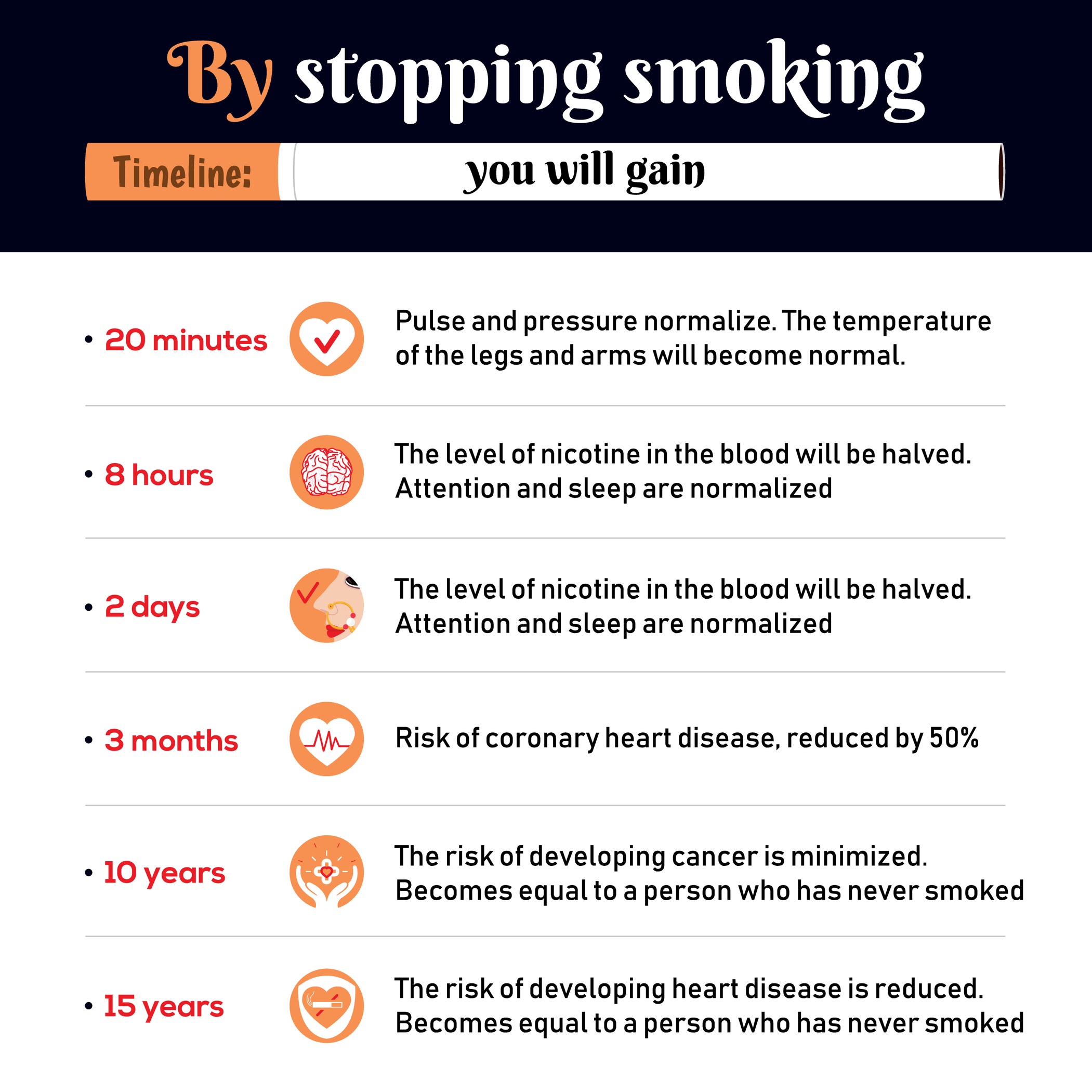
Understanding this powerful addiction is the first step to overcoming it. By educating oneself about nicotine’s effects and the withdrawal process, a smoker can better prepare for the journey of quitting. The more informed a person is, the more empowered they will feel when confronting cravings and relapses. Additionally, one looks up the physiological changes that occur in the body after quitting, underscoring that improvement begins almost immediately. For example, heart rate begins to normalize within just 20 minutes of quitting, making those aware of such benefits more motivated to stick to their cessation plans.


Photo by Boys in Bristol Photography on Pexels
Behavioral Therapy: A Key Component
Behavioral therapy is an essential part of many cessation programs. This approach helps individuals identify and change unhealthy habits and thought patterns associated with smoking. Cognitive-behavioral therapy (CBT) is specifically designed to help individuals recognize triggers and develop coping mechanisms. Research indicates that behavioral methods can double the odds of successfully quitting compared to trying to quit without support. For instance, a study published in the journal “Tobacco Control” found that individuals undergoing CBT were more likely to maintain their quit status after a year compared to their counterparts.
In therapy, patients often learn effective strategies for managing cravings, including relaxation techniques, mindfulness, and distraction methods. One key aspect is developing a personalized quit plan that includes avoiding situations that encourage smoking, practicing stress management, and seeking emotional support. These strategies are vital as they instill resilience against cravings that could otherwise lead to relapse. For example, creating a list of 10 things to do when the urge to smoke arises can serve as a handy tool during tough times.
Additionally, support groups can provide motivation through shared experiences. Talking about the journey with others facing similar challenges can offer encouragement and accountability. Many organizations and healthcare providers offer resources that connect individuals with local or online support groups. For instance, initiatives like the Quit Smoking Community offer forums where individuals can share experiences and advice. Engaging with others who share the same struggles can make the journey feel less isolating and more compelling.


Photo by Total Shape on Pexels
Nicotine Replacement Therapy (NRT)
Nicotine Replacement Therapy is one of the most widely used methods to help individuals quit smoking effectively. NRT involves using products that provide low doses of nicotine without the harmful chemicals found in cigarettes. This approach helps curb withdrawal symptoms and cravings, making it easier to transition away from smoking. A comprehensive review by the Cochrane Library found that NRT significantly increases the chances of quitting, especially when combined with behavioral support.
Common forms of NRT include nicotine patches, gum, lozenges, inhalers, and nasal sprays. Each product works in different ways, allowing users the flexibility to choose what best suits their needs. For instance, a nicotine patch provides a continuous supply of nicotine throughout the day, while gum allows for immediate relief during cravings. Research shows that using NRT can increase the chances of quitting by 50% to 70% compared to placebo methods. Interestingly, meta-analyses indicate that combining various forms of NRT, such as using patches alongside gum, may enhance the likelihood of quitting even further.
Consultation with healthcare professionals is recommended to determine which method of NRT is most suitable. Healthcare providers can guide individuals on how to use NRT effectively and reduce the risk of nicotine dependence. Furthermore, individuals should adhere to dosage recommendations, gradually reducing nicotine levels to prevent dependence. This structured transition can be essential for long-term success. For example, someone using patches might start with a higher dose and gradually lower it over several weeks to minimize withdrawal symptoms.

Photo by SHVETS production on Pexels
Prescription Medications: Varenicline and Bupropion
Other medical options for cessation include prescription medications such as varenicline and bupropion. Varenicline works by reducing withdrawal symptoms and cravings by targeting nicotine receptors in the brain. This medication mimics the effects of nicotine, easing users into a smoke-free life. Clinical studies have highlighted it as one of the most effective pharmacotherapy options for smoking cessation, often significantly improving quit rates. In a study published in the “New England Journal of Medicine,” varenicline was found to nearly double the chances of long-term abstinence compared to placebo.
Bupropion, originally an antidepressant, is another prescription drug that aids in smoking cessation. It reduces cravings and withdrawal symptoms without the direct replacement of nicotine, and it has been shown to assist many in quitting. Both medications offer promising results, but they come with potential side effects that users should discuss with their healthcare providers. Side effects can include insomnia, dry mouth, and mood changes, which necessitate careful monitoring.
As with any cessation method, combining medication with behavioral support tends to yield the best results. A comprehensive approach can lead to a significantly higher success rate while addressing both the physical and behavioral aspects of addiction. For individuals who have made multiple attempts to quit in the past, these prescription medications, alongside tailored behavioral therapy, can offer renewed hope and direction.
Alternative Therapies: Exploring Less Conventional Options
For those who may not respond well to traditional methods or are seeking complementary options, alternative therapies can offer additional support. These can include approaches like acupuncture, hypnosis, and herbal remedies. While scientific evidence may be limited for some of these methods, many users report positive experiences and increased motivation to quit. Studies show that acupuncture, while needing more research, has alleviated symptoms of withdrawal in some participants, making it a potential option for those considering alternatives.
Acupuncture involves inserting needles into specific points on the body to help manage cravings and withdrawal symptoms. Although studies on its effectiveness are mixed, some individuals find it helpful in managing anxiety associated with quitting. Hypnotherapy aims to change the subconscious attitudes and beliefs about smoking, which can be powerful for some individuals looking to quit. For others, engaging in relaxation methods, yoga, or mindfulness practices can enhance their ability to cope with withdrawal and stress. These practices promote mental well-being, which is crucial during the challenging transition to a smoke-free life.
Consulting a qualified practitioner who specializes in these therapies is essential for those interested in exploring these options. While they are not guaranteed solutions, they may provide the additional support needed for a successful transition away from tobacco use. Testimonials and anecdotal evidence from past users can offer encouragement, but it is vital to remember that personal experiences will vary. Ensuring that alternate therapies complement established methods can contribute to an effective quitting strategy tailored to the individual.
Building a Support System
Creating a robust support system is invaluable when attempting to quit smoking. The journey is often filled with challenges, and having friends, family, or co-workers who understand and support an individual’s goal can significantly impact success rates. Sharing the decision to quit can build a sense of accountability, making it easier to resist cravings. A personal example could be a friend joining the journey, creating shared strategies and allowing for moments of accountability.
Support groups, both online and in-person, provide a platform for individuals to share experiences, challenges, and successes with others facing similar battles. Many people find encouragement and pragmatic advice from these groups that they may not get from family or friends. Resources like Smokefree.gov offer tools and connections to support groups tailored to varying needs. Moreover, forums or social networks for people quitting smoking can help individuals find virtual companions who are going through similar struggles. Being involved in a community can boost morale and contribute to ongoing motivation.
Additionally, informing coworkers about the plan to quit can minimize temptations in the workplace, especially during breaks or social gatherings. Positive reinforcement from others can serve as a reminder of one’s commitment and bolster motivation. Celebrating milestones with supportive peers can also add a level of accountability and create a positive reinforcement loop. The focus should be on creating an environment that fosters support, reducing triggers, and encouraging continuous efforts towards quitting.
Staying Motivated: Tips for Long-term Success
Staying motivated after the initial decision to quit smoking is crucial for long-term success. Establishing a quit date gives an individual a target and allows for mental preparation in the weeks leading up to that date. This planning can involve removing cigarettes and ashtrays from the home, identifying triggers, and preparing strategies to cope with cravings when they arise. Having practical methods ready can alleviate stress and uncertainty, making the journey feel more manageable.
Keeping a journal to log progress, triumphs, and setbacks can offer insight into patterns and help to recognize what works best for an individual. Celebrating small milestones, such as one week, one month, or one year smoke-free can also enhance motivation. Such achievements remind individuals of their progress and resilience. Each success is an affirmation of their commitment and strength, allowing them to reflect on how far they have come while serving as a reminder of why they decided to quit in the first place.
Additionally, if a relapse occurs, it should not be viewed as a failure. Instead, it can be an opportunity to reassess strategies and learn from the experience. Being prepared for the possibility of relapse is essential for maintaining motivation throughout the quitting process. Understanding that setbacks can happen not only normalizes the quitting journey but also allows individuals to develop skills to handle future cravings more effectively. Furthermore, creating a plan for what to do in case of a slip can reduce anxiety associated with the process and improve resilience in the long run.
Frequently Asked Questions
Q: How long does it take to quit smoking completely?
A: The timeline for quitting smoking varies significantly from person to person. For some, the initial decision to quit coincides with immediate cessation, while others may gradually reduce their cigarette intake over weeks or months before fully quitting. Typically, the withdrawal phase peaks within a week; however, cravings may last for several months. Smokers must be patient and recognize that the cessation process is not just about stopping smoking; it is about adopting new, healthier behaviors and coping mechanisms.
Recovery involves both physiological and psychological adjustments and can differ based on individual patterns, levels of addiction, and support systems in place. Many people find it helpful to establish a plan focusing on achieving smaller goals leading to full cessation, which can ultimately offer a greater sense of accomplishment.
Q: Can I just cut down smoking instead of quitting entirely?
A: While cutting down on smoking may reduce some health risks, it does not eliminate them completely. Research indicates that nearly all individuals who succeed in quitting become completely smoke-free. Gradual reduction might help some, but full cessation is generally the healthiest and most effective option. Studies reveal that different strategies resonate with various individuals, and for many, achieving complete cessation is the only route to long-term success. Methods like setting a quit date and using cessation aids can reinforce the goal of quitting while creating mechanisms that support a healthy process of weaning off smoking entirely. Support from behavioral therapy and accountability partners can also enhance one’s ability to transition from reduction to full cessation.
Q: What should I do if I feel the urge to smoke again?
A: When the urge to smoke arises, it’s important to have a plan in place. Techniques such as deep breathing exercises, physical activity, or engaging in hobbies can distract the mind from cravings. Some people find that drinking water or chewing sugar-free gum can provide a sensory distraction that alleviates the urge. Utilizing support networks can offer immediate encouragement. Remember that cravings typically last only a few minutes, so waiting them out can be effective. Keeping a list of reasons for quitting handy can remind individuals of their commitment during tough moments and reframe their thinking in those vulnerable times. It’s essential to approach cravings with self-compassion, acknowledging the difficulty of the journey while reinforcing the desire to remain smoke-free.
Q: Are there any risks associated with quitting smoking?
A: While the health benefits of quitting vastly outweigh any potential risks, some individuals may initially experience withdrawal symptoms, including irritability, sleep disturbances, or mood swings. It’s crucial to understand that these symptoms are temporary and lessen over time as the body adjusts to the absence of nicotine. Working closely with healthcare professionals can help manage symptoms effectively and discuss any concerns about quitting smoking. Additionally, maintaining a healthy lifestyle through exercise and a balanced diet can enhance one’s mood and physical wellbeing during the cessation process. Regular check-ins with a support system can also help navigate these challenges and provide reassurance when difficulties arise.
Q: Will I need to try several times before quitting successfully?
A: Yes, for many individuals, quitting smoking requires multiple attempts. Each try can build knowledge about personal triggers and effective coping strategies. Learning from previous experiences is crucial, as different methods may work better at different times in one’s life. Studies indicate that the average smoker may need to attempt to quit several times before achieving long-term cessation. With determination, support, and the right tools, success is achievable. Developing a quit plan that evolves with each attempt can offer clarity around challenges and success factors, increasing the likelihood of permanent quitting in future attempts.
Conclusion
Understanding how to quit smoking involves exploring various methods, finding the right support, and staying committed to the process. From behavioral therapy to nicotine replacement and prescription medications, each approach offers unique advantages to individuals seeking to break free from nicotine addiction. Embracing a comprehensive strategy that includes both medical and behavioral support can significantly enhance success rates.
Furthermore, quitting smoking is not merely about overcoming physical withdrawal; it is also about transforming behavioral patterns and strengthening mental resilience. The psychological aspect of addiction is deeply intertwined with habit and lifestyle, and individual paths to quitting will differ. Recognizing personal patterns, triggers, and resistance will help in crafting a tailored approach that aligns with specific needs and circumstances.
With persistence and effective strategies, achieving a smoke-free life is well within reach. By committing to this journey and utilizing the various tools available, individuals can look forward to the many benefits that come from a healthier, smoke-free existence. It’s essential to celebrate every victory along the way and seek community support when faced with challenges. Quitting smoking is a profound gift not only to oneself but also to loved ones and the community at large. Ultimately, this decision leads to a more vibrant, fulfilling, and healthier life.
Other of articles:
How Smoking Effect Your Health
What is the most dangerous cigarette of the day?
The information provided is for reference only. Please consult a professional physician if you experience any discomfort.