



The menstrual cycle is a natural process that plays a critical role in women’s health. Understanding the phases of this cycle can significantly enhance overall well-being and optimize nutrition throughout the month. Many women experience various physical and emotional changes during their cycles, which can be influenced by dietary habits. This article explores the intricate relationship between menstrual cycle health and nutrition, offering insights into how women can tailor their eating patterns to support their bodies during each phase. By taking a closer look at the hormonal changes associated with the cycle, we can better understand how specific nutritional strategies can alleviate symptoms and promote overall health.

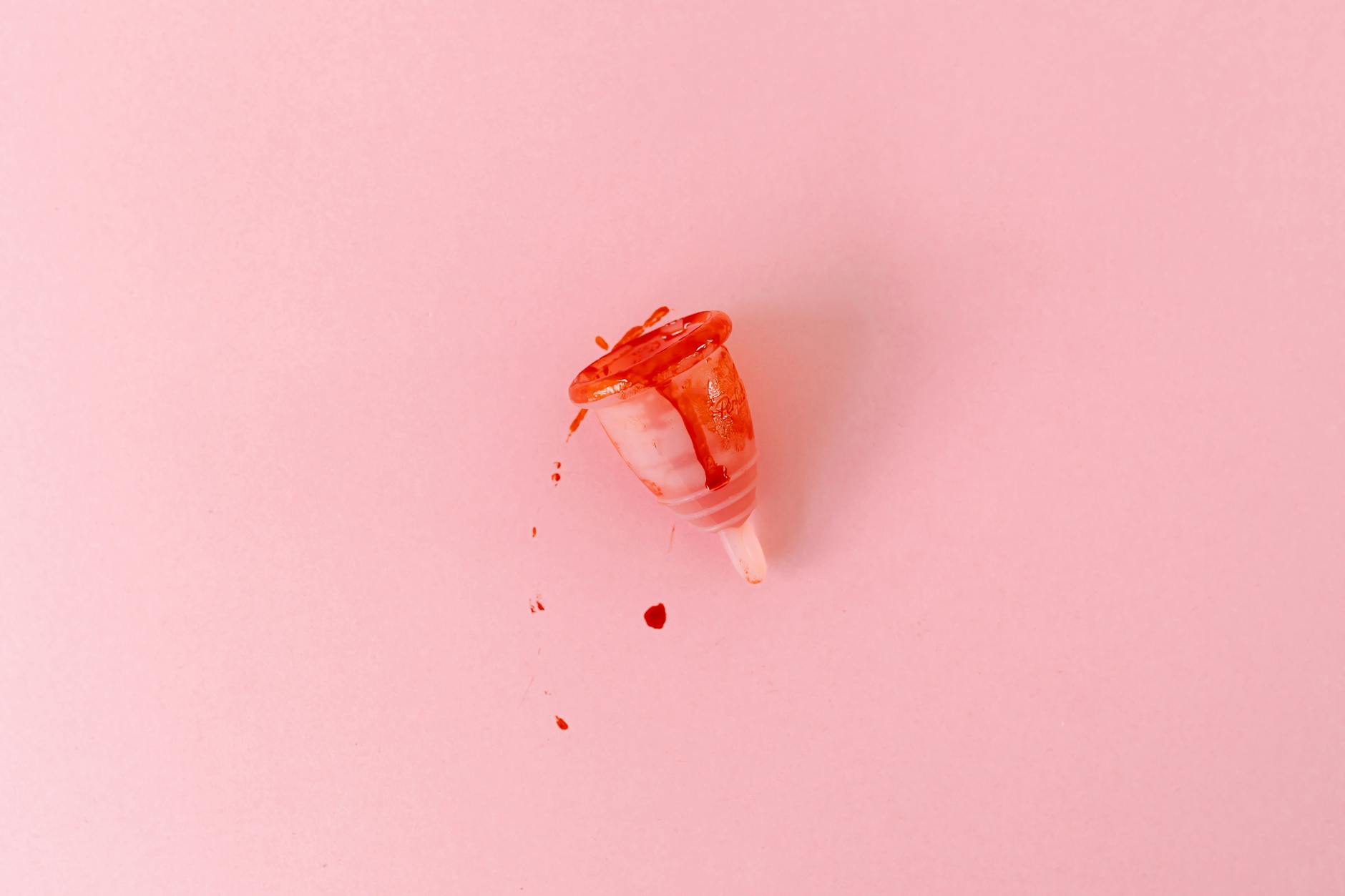
Menstrual Cycle Health Nutrition: Optimize Your Cycle in 2026
Photo by www.kaboompics.com on Pexels
Understanding Your Cycle: Hormonal Changes and Health
The menstrual cycle typically lasts between 21 to 35 days and can be divided into four main phases: the menstrual phase, follicular phase,ovulation, and luteal phase. Each phase is governed by hormonal fluctuations that impact physical and emotional health. During the menstrual phase, which lasts about 3 to 7 days, the body sheds the uterine lining if fertilization has not occurred. This phase can often be accompanied by symptoms such as cramps, fatigue, and mood swings. Research indicates that approximately 50-80% of women experience menstrual pain, which can significantly affect daily activities.
Following menstruation is the follicular phase, where the body prepares for ovulation. Estrogen levels rise, leading to the thickening of the uterine lining. This phase can last from around day 6 to day 14 of the cycle. The peak of this phase culminates in ovulation, where the ovary releases an egg, usually around day 14 in a typical 28-day cycle. After ovulation, the luteal phase begins, lasting about 14 days. During this time, progesterone levels increase to prepare the body for a potential pregnancy. If pregnancy does not occur, hormone levels drop, and the cycle begins anew with menstruation.
Understanding these phases is crucial for recognizing how your body reacts to different nutritional inputs. For instance, hormonal imbalances can lead to symptoms like PMS, irregular cycles, and even conditions such as polycystic ovary syndrome (PCOS). Research suggests that aligning dietary choices with hormonal changes can mitigate symptoms and improve overall health. A study published in the journal Obstetrics and Gynecology emphasizes the importance of diet in influencing menstrual health, highlighting that women who consume a balanced diet rich in fruits, vegetables, and whole grains report fewer menstrual-related symptoms.
Menstrual Phase Diet: Iron and Omega-3 for Cramp Relief
The menstrual phase is often marked by physical discomfort and emotional fluctuations. During this time, the body requires specific nutrients to help alleviate symptoms. Incorporating anti-inflammatory foods can be particularly beneficial. Foods rich in omega-3 fatty acids, such as fish, flaxseeds, and walnuts, can help reduce menstrual cramps and discomfort. A review in the journal Nutrition Research indicates that omega-3 supplementation can significantly reduce pain intensity in women suffering from dysmenorrhea.
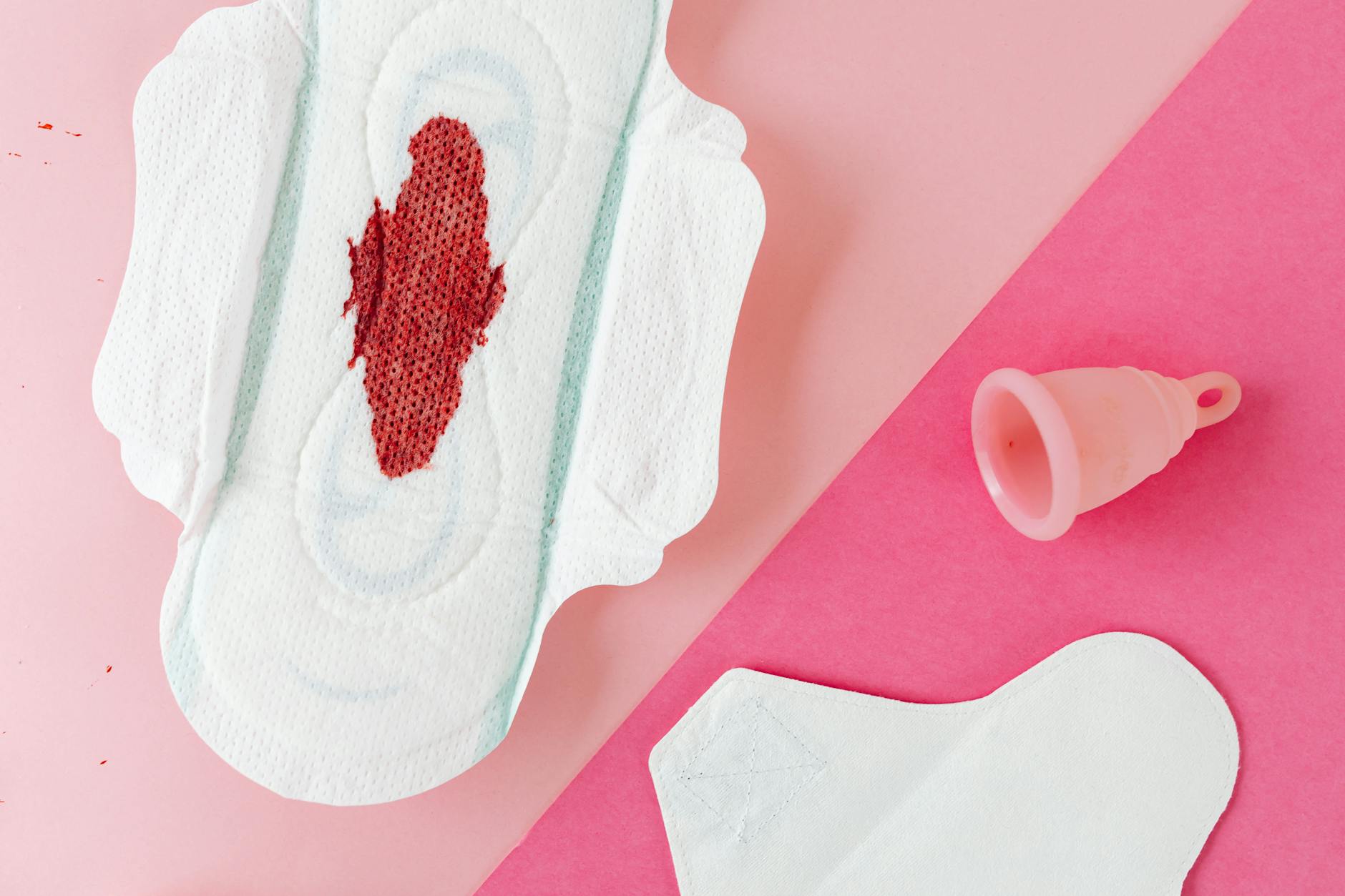
Photo by www.kaboompics.com on Pexels
Additionally, maintaining adequate hydration is crucial, as dehydration can exacerbate symptoms like fatigue and bloating. Drinking herbal teas, such as ginger or chamomile, can provide warmth and comfort while offering anti-inflammatory properties. Iron-rich foods should also be a focus during this phase. Since menstruation involves blood loss, it’s essential to replenish iron levels. Sources of iron include lean meats, legumes, leafy greens, and fortified cereals. Pairing these foods with vitamin C-rich sources, such as citrus fruits or bell peppers, can enhance iron absorption. A study published in The American Journal of Clinical Nutrition found that vitamin C can enhance iron absorption by up to 300% when consumed together.
Moreover, magnesium can play a pivotal role in reducing symptoms such as bloating and mood swings. Foods like dark chocolate, nuts, and whole grains are excellent sources of magnesium. Incorporating these foods into your diet can lead to reduced discomfort during the menstrual phase. For example, a magnesium-rich smoothie with spinach, banana, and almond milk can be a delicious way to meet your nutritional needs while also providing relief from cramps.
Follicular Phase Nutrition: Supporting Muscle and Energy
The follicular phase is a time of renewal and energy. As estrogen levels rise, women may notice an increase in energy and motivation. This is an excellent phase for focusing on a diet that supports muscle recovery and overall vitality. Including lean proteins, healthy fats, and a variety of fruits and vegetables can help optimize energy levels. Lean proteins, such as chicken, turkey, or plant-based sources like lentils, provide the necessary amino acids for muscle repair and overall health.
Photo by www.kaboompics.com on Pexels
Complex carbohydrates, such as whole grains, can provide sustained energy, making them an ideal choice during this phase. Foods like quinoa, brown rice, and oats can help maintain stable blood sugar levels, which is crucial for overall mood and energy stability. A study published in the Journal of Nutrition found that a diet high in complex carbohydrates can improve energy levels and reduce fatigue among women during their cycles.
Additionally, focusing on foods rich in antioxidants, such as berries, can support the immune system and promote overall health. Antioxidants combat oxidative stress, which can be heightened by hormonal fluctuations. In this phase, women may also benefit from foods that enhance estrogen metabolism, such as cruciferous vegetables like broccoli and Brussels sprouts. These foods contain compounds like indole-3-carbinol, which can help balance estrogen levels in the body.
Practical tips for the follicular phase include meal prepping to ensure you have easy access to healthy meals and snacks. For instance, preparing quinoa salads with roasted vegetables and chickpeas can be a nutritious option that provides sustained energy throughout the day. Engaging in light to moderate physical activity, such as yoga or strength training, can also help enhance the positive effects of nutrition during this phase.
Ovulation Phase: Zinc and Hydration for Hormonal Balance
Ovulation is often characterized by a peak in energy and mood, making it an ideal time to engage in physical activity and social engagements. Nutritionally, this phase can benefit from a diet rich in protein and healthy fats, which can help support muscle function and hormonal balance. Foods like eggs, avocados, and lean meats can be particularly beneficial during this time. Eggs are an excellent source of choline, which is vital for brain health and can enhance mood during this high-energy phase.

Photo by Liliana Drew on Pexels
Hydration is also crucial during ovulation, as hormonal changes can lead to fluid retention. Drinking plenty of water and incorporating hydrating foods, such as cucumbers and watermelon, can help alleviate this issue. Foods rich in zinc, such as nuts and seeds, can also support ovarian function and overall reproductive health. A study published in the Journal of Reproductive Health indicates that adequate zinc levels are associated with improved ovulatory function.
Moreover, this phase is an excellent time for women to focus on their mental health. Incorporating foods high in omega-3 fatty acids, like fatty fish, can promote brain health and improve mood. Foods such as salmon, sardines, or plant-based sources like chia seeds and walnuts can provide these essential fats. Research shows that omega-3 fatty acids can reduce symptoms of depression and anxiety, making them a crucial part of a diet during ovulation.
Practical strategies during ovulation include planning social activities or workouts that match your peak energy levels. Engaging in high-intensity exercise or outdoor activities can be particularly fulfilling during this time. For example, consider organizing a hiking trip or participating in a group fitness class to take advantage of the increased energy and motivation.
Luteal Phase: Managing Cravings and Diet for PMS Symptoms
The luteal phase is often associated with premenstrual syndrome (PMS) symptoms, including mood swings, bloating, and cravings. During this time, the body’s need for certain nutrients may increase. Eating a balanced diet rich in whole foods can help manage these symptoms effectively. Incorporating foods high in fiber can aid in digestion and help mitigate bloating. Whole grains, fruits, and vegetables are excellent sources of fiber, which can promote gut health and alleviate discomfort.
Complex carbohydrates can also be beneficial during the luteal phase. Foods like sweet potatoes, whole grains, and legumes not only provide energy but can also help manage cravings. Additionally, incorporating foods high in calcium and vitamin D, such as dairy products or fortified non-dairy alternatives, can alleviate mood swings and reduce PMS symptoms. A study in The Journal of Clinical Endocrinology & Metabolism found that women with adequate calcium intake experienced fewer PMS symptoms.
Furthermore, magnesium-rich foods like leafy greens, nuts, and seeds can help reduce irritability and tension. This mineral plays a vital role in regulating mood and can help ease the emotional fluctuations often experienced during this phase. Foods like spinach, almonds, and pumpkin seeds can be delicious additions to meals during the luteal phase.
To manage cravings effectively, consider keeping healthy snacks readily available. For example, prepare energy bites made from oats, nut butter, and dark chocolate chips to satisfy sweet cravings while providing essential nutrients. Additionally, practicing mindfulness techniques, such as meditation or deep breathing, can help manage stress and emotional fluctuations during this phase.
Supplements: Magnesium and Vitamin D for Menstrual Health
While a balanced diet is essential for menstrual cycle health, some women may benefit from supplements. Vitamin D is crucial for hormonal balance and can enhance mood, especially during the luteal phase. Research suggests that women with lower vitamin D levels may experience more severe PMS symptoms. Additionally, omega-3 fatty acids, either from fish oil or plant sources, can provide anti-inflammatory benefits and support hormonal regulation. A study published in Nutrition Reviews highlights the positive effects of omega-3 supplementation on menstrual pain relief.
Magnesium supplements can also be beneficial for women who experience severe PMS symptoms. This mineral can help alleviate cramps and mood swings. A systematic review in Journal of Women’s Health found that magnesium supplementation may significantly reduce the severity of PMS symptoms. Before starting any supplement regimen, it is crucial to consult a healthcare professional to ensure safety and efficacy. They can help determine appropriate dosages and assess individual needs based on dietary intake and health status.
Incorporating probiotics can also be beneficial for menstrual health. Probiotics support gut health, which is linked to hormonal balance and overall well-being. Foods like yogurt, kefir, and fermented vegetables can provide beneficial bacteria that support the digestive system. For women experiencing menstrual irregularities or discomfort, a probiotic supplement may offer additional support.
Exercise Strategies: Improving Mood Throughout Your Cycle
Physical activity is an essential component of overall health and can significantly influence menstrual cycle health. Engaging in regular exercise can help alleviate menstrual discomfort, improve mood, and regulate hormonal balance. During the menstrual phase, gentle exercises such as yoga or walking can help reduce cramps and improve circulation. A study published in the British Journal of Sports Medicine found that women who engage in moderate exercise during menstruation report less pain and discomfort compared to those who are sedentary.
As energy levels increase during the follicular and ovulation phases, women may find they can engage in more intense workouts. Strength training, cardio, and high-intensity interval training (HIIT) can be beneficial during these times. It’s essential to listen to your body and adjust exercise intensity according to how you feel throughout your cycle. For instance, opting for a high-intensity workout on days when energy levels are high can help maximize benefits, while choosing lower-impact activities during the menstrual phase can help maintain comfort.
In the luteal phase, moderate exercise can help manage PMS symptoms and boost mood. Activities like Pilates or swimming can provide a balance of physical exertion without overwhelming the body. Engaging in exercise can also help regulate hormones and reduce stress levels, which may mitigate some emotional symptoms experienced during this phase.
Practical tips for integrating exercise into your menstrual cycle include scheduling workouts based on your energy levels and symptom patterns. Consider keeping a workout journal to track how different exercises affect your mood and energy throughout your cycle. This can help you identify the best times to push yourself and when to prioritize rest and recovery.
Frequently Asked Questions
Q: How can I track my menstrual cycle for better nutrition?
A: Tracking your menstrual cycle can be done through various methods, including mobile apps, calendars, or journals. Note the start and end dates of your period, along with any symptoms experienced. Many women find apps like Clue or Flo helpful as they allow you to log your symptoms, mood, and dietary habits, creating a comprehensive understanding of your cycle. By identifying patterns in your cycle, you can adjust your dietary choices to support your body’s needs during each phase. For example, you may notice increased cravings in the luteal phase, prompting you to prepare healthy snacks in advance. Additionally, tracking can help you anticipate when to focus on certain nutrients that are particularly beneficial during specific phases of your cycle.
Q: Are there specific foods to avoid during my menstrual cycle?
A: While individual responses can vary, some women may find that certain foods exacerbate symptoms. Processed foods high in sugar and unhealthy fats can lead to increased inflammation and bloating. Caffeine and alcohol may also contribute to mood swings and discomfort. Reducing intake of these foods, particularly in the luteal phase, may help alleviate symptoms. It’s beneficial to monitor how your body responds to different foods throughout your cycle and adjust accordingly. Keeping a food diary can help identify which foods contribute to discomfort and which ones provide relief. Additionally, focusing on whole foods rich in essential nutrients can promote a healthier cycle and reduce symptom severity.
Q: Can nutrition influence my menstrual symptoms?
A: Yes, nutrition can have a significant impact on menstrual symptoms. Certain dietary choices can help alleviate symptoms such as cramps, bloating, and mood swings. Incorporating anti-inflammatory foods, staying hydrated, and focusing on nutrient-dense options can support overall menstrual health. Research indicates that women who consume a balanced diet rich in omega-3 fatty acids, antioxidants, and vitamins report fewer menstrual-related symptoms. A well-rounded diet can help maintain hormonal balance and reduce the severity of PMS symptoms. Moreover, understanding how different foods affect your body during each phase can empower you to make choices that enhance your experience throughout the cycle.
Q: How can I manage cravings during the luteal phase?
A: Managing cravings during the luteal phase involves planning and incorporating healthy snacks into your diet. Foods rich in fiber and protein can help keep you satiated. Opt for whole food options like fruits, nuts, and whole grains instead of processed snacks. Keeping pre-portioned snacks like mixed nuts, yogurt with fruit, or veggie sticks with hummus can help curb cravings effectively. Staying hydrated and practicing mindful eating can also help manage cravings effectively. Engaging in activities such as walking or light exercise can distract from cravings and help regulate mood. Additionally, being aware of your emotional triggers can help you address cravings more effectively, allowing for healthier choices even during this challenging phase.
Q: Is it necessary to take supplements for menstrual health?
A: While a balanced diet is the foundation for menstrual health, some women may benefit from supplements, especially if they have specific deficiencies. Vitamins D and B6, magnesium, and omega-3 fatty acids can all support menstrual health. Vitamin D is particularly important, as studies suggest that low levels can contribute to PMS symptoms. It’s best to consult a healthcare professional before starting any supplements to ensure they are appropriate for your needs. They can help determine appropriate dosages and assess individual needs based on dietary intake and health status. Monitoring your nutrient levels through blood tests can also provide insight into whether supplementation is necessary.
Conclusion
Understanding the menstrual cycle is crucial for optimizing nutrition and overall health. By aligning dietary choices with the various phases of the cycle, women can alleviate symptoms and enhance their well-being. Each phase presents unique challenges and opportunities, making it essential to tailor nutritional strategies accordingly. From anti-inflammatory foods during menstruation to energy-boosting options during ovulation, the right diet can make a significant difference in how women experience their cycles.
Furthermore, engaging in regular physical activity and considering supplements can enhance the benefits of nutrition. A holistic approach to menstrual cycle health empowers women to take charge of their bodies and make informed choices that lead to improved quality of life. By understanding and respecting the natural rhythms of the menstrual cycle, women can cultivate a deeper connection with their bodies and promote better reproductive health.
Ultimately, embracing this eating approach can lead to a more balanced and fulfilling life, helping women to thrive throughout their unique cycles. Taking the time to educate oneself about the menstrual cycle and its relationship with nutrition can be transformative. It allows women to harness the power of food to support their health, manage symptoms, and feel empowered throughout every phase of their menstrual journey.
Other of articles:
The information provided is for reference only. Please consult a professional physician if you experience any discomfort.