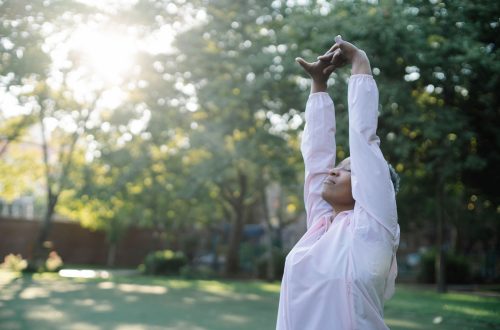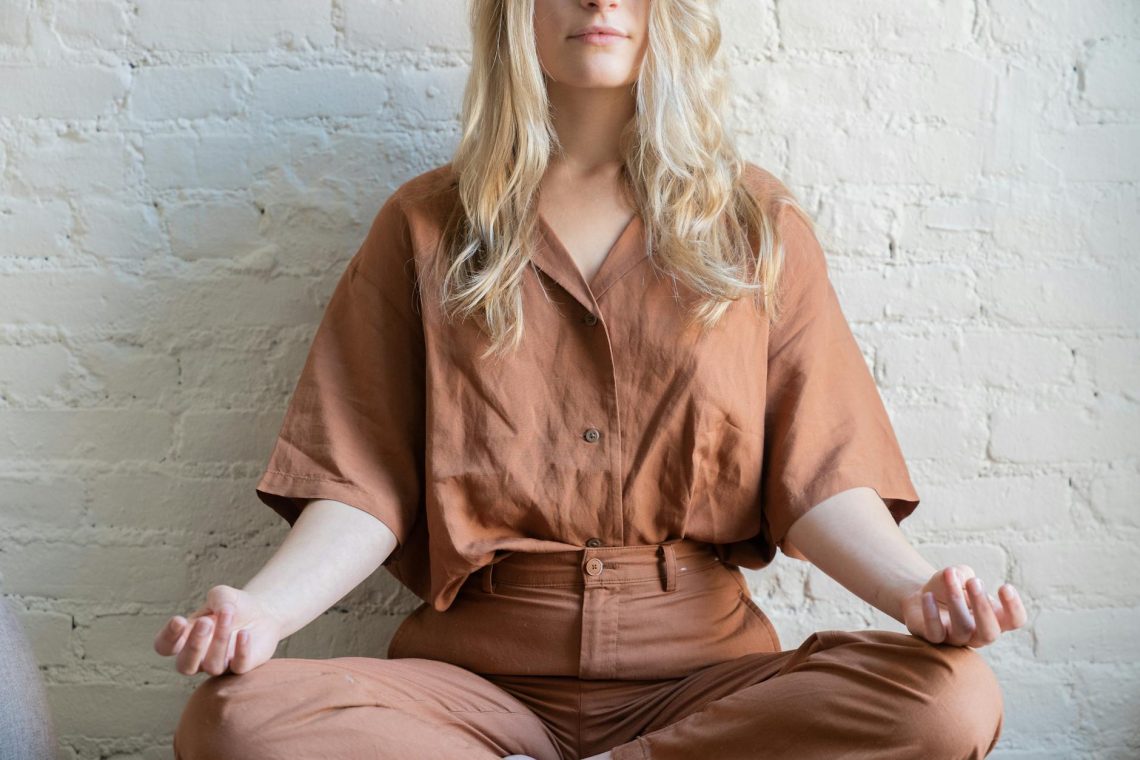
In today’s fast-paced world, stress has become a common experience for many individuals. As life demands increase, finding effective ways to manage stress is essential for maintaining overall mental health. One of the most effective methods in this regard is mindfulness meditation. This practice not only helps to alleviate stress but also fosters a greater sense of well-being and emotional resilience. In this comprehensive guide, we will explore the various aspects of mindfulness meditation for stress relief, including its benefits, techniques, and how to incorporate it into your daily routine.
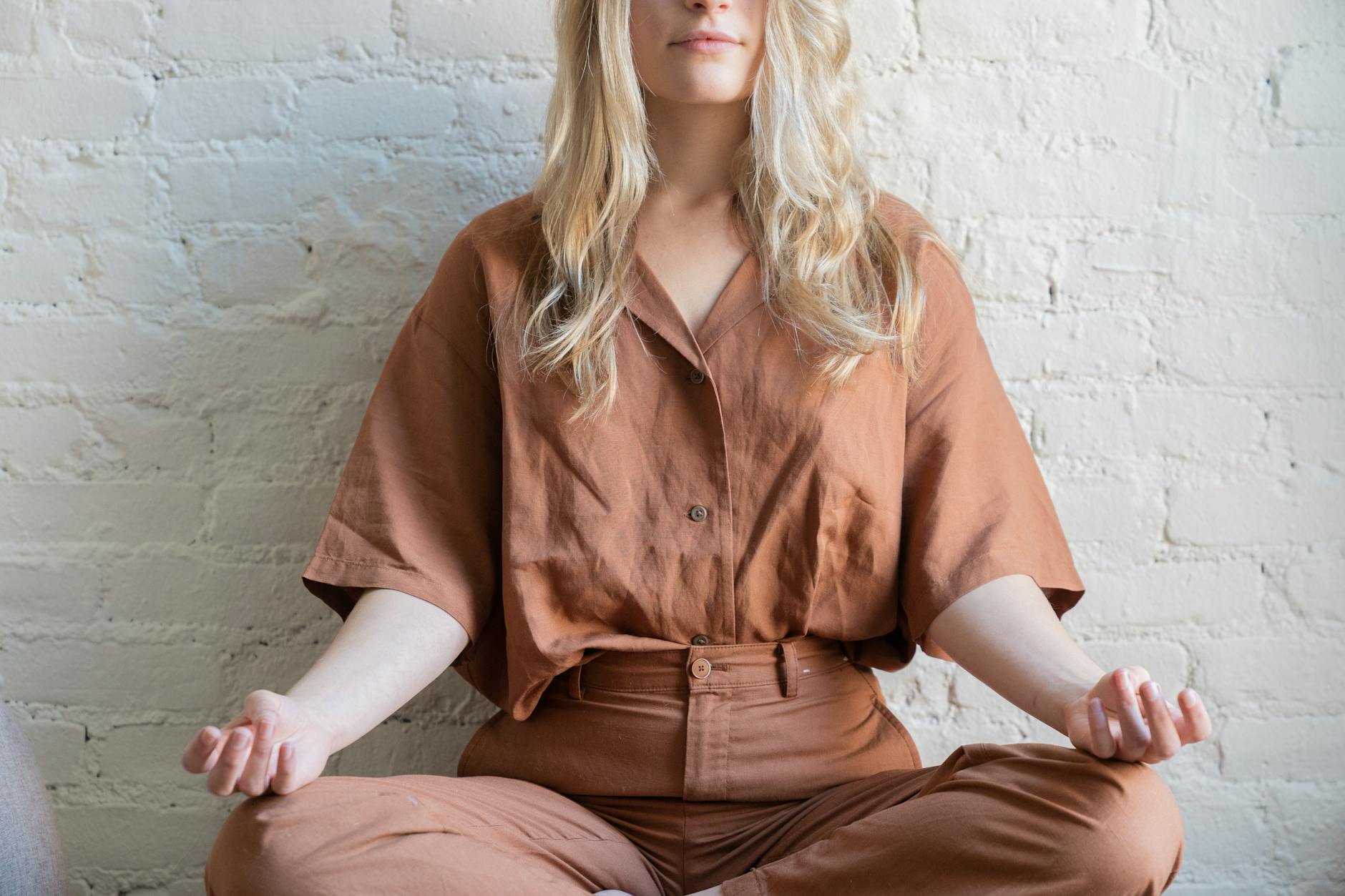
Understanding Mindfulness Meditation
Mindfulness meditation is a mental practice that involves focusing your attention on the present moment without judgment. It encourages awareness of thoughts, feelings, and bodily sensations. This approach is rooted in ancient Buddhist practices but has gained popularity in modern psychology due to its effectiveness in reducing stress and enhancing mental clarity.
The essence of mindfulness lies in cultivating an open, accepting awareness that allows individuals to observe their experiences rather than react to them. This practice can help create a buffer against stressors, enabling a healthier response to life’s challenges. Research has shown that mindfulness meditation can significantly lower cortisol levels, a hormone associated with stress, leading to a more balanced emotional state. For instance, a study published in the journal Psychosomatic Medicine found that individuals practicing mindfulness demonstrated reduced cortisol levels in response to stress, showcasing its effectiveness.
The practice of mindfulness meditation has evolved over the years, leading to various approaches and techniques that cater to different preferences and lifestyles. Whether through guided sessions, self-directed practices, or integrating mindfulness into everyday activities, this approach offers flexibility and adaptability. Importantly, mindfulness is not about eliminating stress but about developing a new relationship with it, allowing individuals to respond thoughtfully rather than react impulsively.
The Science Behind Mindfulness
Numerous studies have explored the impact of mindfulness meditation on mental health. For instance, research published by the National Institute of Mental Health indicates that mindfulness practices can enhance emotional regulation, decrease anxiety, and improve overall psychological well-being. This is particularly important in an era where mental health issues are increasingly prevalent.
Moreover, mindfulness meditation has been shown to promote neuroplasticity, the brain’s ability to reorganize itself by forming new neural connections. This adaptability can lead to changes in thought patterns and emotional responses, equipping individuals with the tools to better manage stress. Engaging in this practice regularly can help in rewiring the brain to respond more calmly to stressors. A meta-analysis of 47 studies involving over 3,500 participants published in the journal JAMA Internal Medicine found that mindfulness meditation can improve anxiety, depression, and pain, underscoring its profound impact on mental health.
Benefits of Mindfulness Meditation for Stress Relief
Engaging in mindfulness meditation offers a plethora of benefits, particularly for those seeking stress relief. Firstly, it enhances self-awareness, allowing individuals to identify triggers and patterns associated with their stress. This awareness is crucial for developing healthier coping mechanisms. For example, individuals may notice that work-related stress often arises from specific situations or interactions. Recognizing these triggers enables them to approach such situations with mindfulness, reducing their emotional reactivity.
Moreover, mindfulness meditation has been linked to improved emotional regulation. By fostering a non-judgmental attitude towards thoughts and feelings, practitioners can experience emotions more fully without becoming overwhelmed. This can lead to reduced feelings of anxiety and depression, as well as an increased sense of peace. A study published in Mindfulness journal demonstrated that participants who engaged in mindfulness meditation showed significant reductions in anxiety scores compared to those who did not practice mindfulness.
Furthermore, consistent practice can improve focus and concentration. As individuals learn to maintain their attention on the present moment, they can also better manage distractions, leading to increased productivity and a sense of accomplishment. This is particularly beneficial in work environments where multitasking can lead to stress and decreased performance. By practicing mindfulness, individuals can enhance their ability to concentrate on tasks, ultimately reducing stress and improving job satisfaction.
Getting Started with Mindfulness Meditation
Starting a mindfulness meditation practice may seem daunting, but it can be easily integrated into daily life. The following steps outline a simple approach to begin this transformative journey.
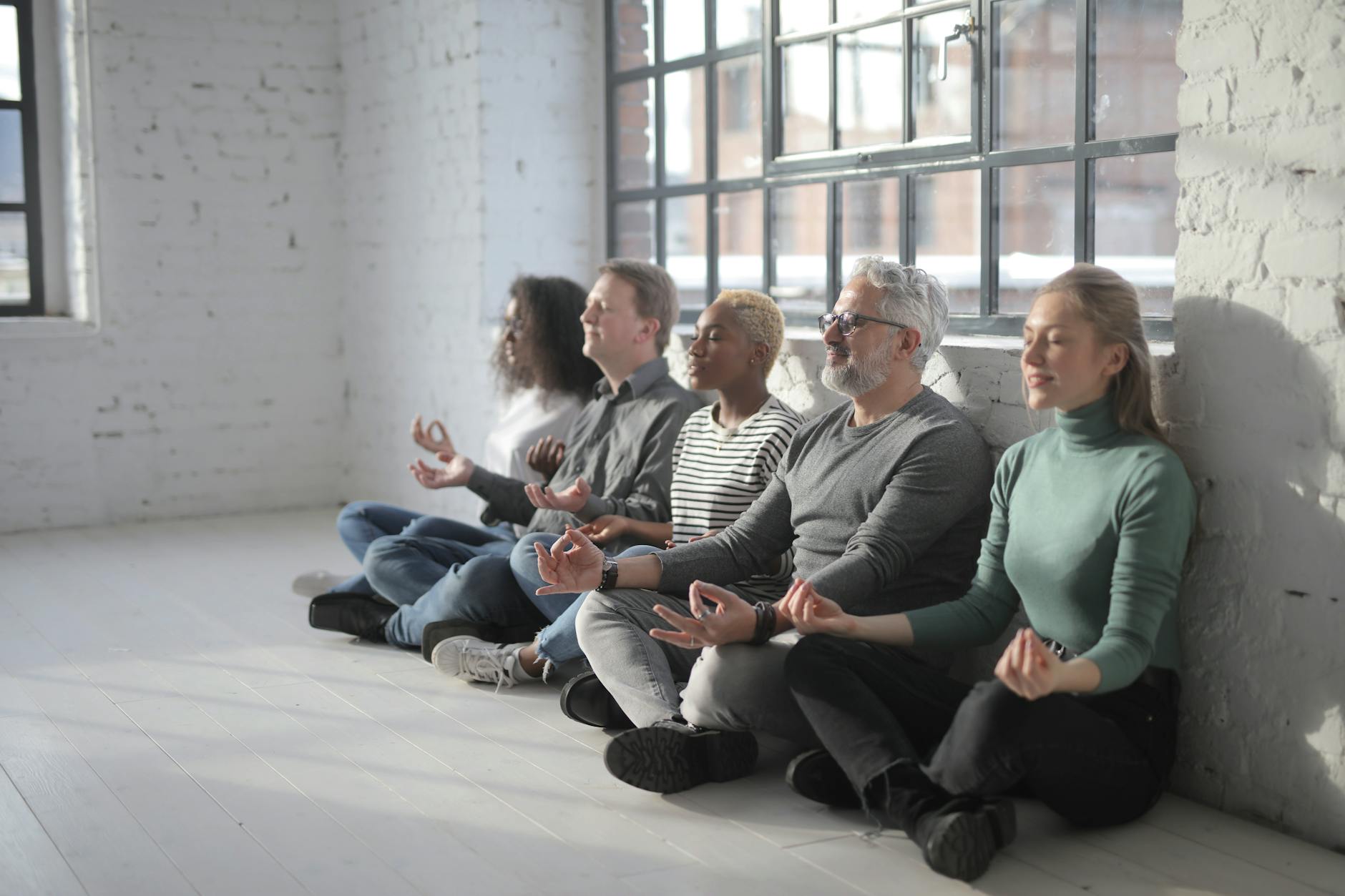
Photo by Andrea Piacquadio on Pexels
Creating a Comfortable Space
The first step in establishing a mindfulness meditation practice is to create a comfortable and quiet space. This environment should be free of distractions and conducive to relaxation. You may choose to sit on a cushion, chair, or even lie down, depending on what feels most comfortable for you. Consider incorporating elements that promote tranquility, such as soft lighting, calming scents, or soothing music. This dedicated area will signal your mind that it is time to engage in meditation, making it easier to transition into a mindful state.
Research has shown that a well-defined meditation space can enhance the overall experience and effectiveness of the practice. For instance, a study published in Behavioral Research and Therapy found that individuals who practiced in a designated space reported higher levels of motivation and commitment to their meditation routines. This suggests that creating an intentional space can positively influence your practice.
Setting Aside Time
Next, it is essential to set aside dedicated time for your practice. Start with short sessions, perhaps five to ten minutes daily, and gradually increase the duration as you become more comfortable with the practice. Consistency is key; aim to practice at the same time each day, whether in the morning, during lunch breaks, or before bedtime.
Establishing a routine will help reinforce the habit and make it easier to incorporate mindfulness meditation into your daily life. Over time, you will likely find that this practice becomes a cherished part of your day. To help facilitate this routine, consider using a meditation app that offers reminders and guided sessions. Many individuals find that scheduling their meditation sessions, just like any other important appointment, increases their adherence to the practice.
Basic Mindfulness Meditation Techniques
Starting a mindfulness meditation practice may seem daunting, but it can be easily integrated into daily life. The following steps outline a simple approach to begin this transformative journey.
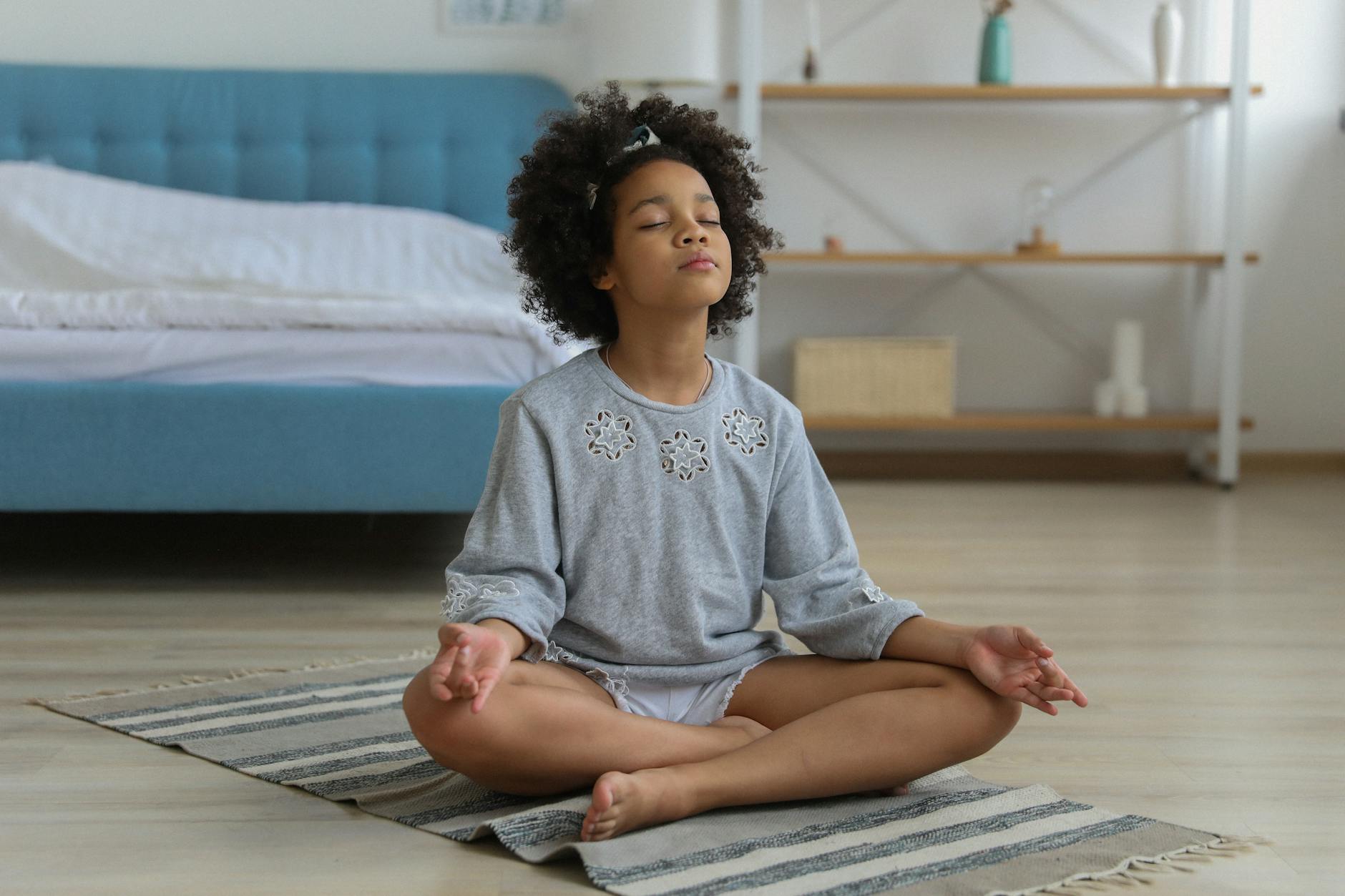
Photo by Monstera Production on Pexels
Breath Awareness
One of the simplest and most effective mindfulness techniques is breath awareness. This practice involves focusing your attention on your breath as it flows in and out of your body. To begin, sit in a comfortable position and close your eyes. Take a few deep breaths to center yourself, then allow your breath to return to its natural rhythm.
As you breathe, pay attention to the sensation of the air entering and leaving your nostrils, the rise and fall of your chest, and the feeling of your abdomen expanding and contracting. If your mind wanders, gently guide your focus back to your breath without judgment. This practice helps cultivate concentration and brings awareness to the present moment. Research has indicated that breath awareness can effectively reduce stress and anxiety, providing immediate benefits during times of distress.
Body Scan
The body scan technique involves systematically focusing on different parts of your body, promoting relaxation and awareness of physical sensations. To practice a body scan, find a comfortable position and close your eyes. Begin by directing your attention to your toes, noticing any sensations, tension, or relaxation. Gradually move your focus up through your body, pausing at each area to observe how it feels.
This practice not only enhances body awareness but also helps release built-up tension and stress. By the time you reach your head, you should feel a sense of relaxation and calmness enveloping you. A study published in Journal of Clinical Psychology highlighted that participants who practiced body scan meditation reported a significant decrease in stress levels and improved overall well-being. This technique is particularly beneficial for individuals with chronic stress or anxiety, as it allows for a deeper connection between the mind and body.
Incorporating Mindfulness into Daily Life
Mindfulness is not limited to formal meditation sessions; it can also be integrated into daily activities. Here are some practical ways to incorporate mindfulness into your everyday life.

Photo by RDNE Stock project on Pexels
Mindful Eating
Mindful eating involves paying full attention to the experience of eating, including the taste, texture, and aroma of your food. This practice encourages you to slow down and savor each bite, fostering a deeper connection to your meals. To practice mindful eating, begin by eliminating distractions, such as television or smartphones, during meals. Focus on the colors, smells, and flavors of your food, and chew slowly, appreciating each bite.
Research has shown that mindful eating can lead to healthier food choices and improved digestion. By tuning into your body’s hunger and fullness cues, you may also find that you are less likely to overeat, supporting overall wellness. A study published in Appetite found that participants who practiced mindful eating reported greater satisfaction with their meals and a decrease in emotional eating behaviors. This approach can be particularly helpful for those looking to improve their relationship with food.
Mindful Walking
Another way to incorporate mindfulness into your life is through mindful walking. This practice involves being fully present while walking, paying attention to the sensations in your feet, the movement of your legs, and the rhythm of your breath. To practice mindful walking, choose a quiet area where you can walk without distractions. As you walk, focus on each step, noticing how your feet connect with the ground.
If your mind begins to wander, gently redirect your attention back to the physical sensations of walking. This practice can be especially beneficial for those who may find it challenging to sit still during meditation. Mindful walking allows you to engage with your surroundings while cultivating a sense of presence. A study in the journal Mindfulness found that participants who engaged in mindful walking reported lower levels of stress and an increased sense of connection to their environment.
Overcoming Challenges in Mindfulness Meditation
While mindfulness meditation offers numerous benefits, many individuals face challenges as they begin their practice. Understanding these obstacles can help you navigate them effectively.
Dealing with a Wandering Mind
One of the most common challenges in mindfulness meditation is dealing with a wandering mind. It is entirely normal for your thoughts to drift during practice. Instead of becoming frustrated, recognize that this is part of the process. When you notice your mind wandering, gently acknowledge the thought and redirect your attention back to your chosen focus, whether it be your breath or a specific sensation.
Over time, you will likely find it easier to maintain your focus, but it is essential to approach this challenge with patience and compassion. Mindfulness is about accepting your experience as it is, without judgment. Studies have shown that the practice of acknowledging and redirecting wandering thoughts can enhance overall mindfulness skills, making it easier to manage stress in daily life.
Managing Expectations
Another challenge is managing expectations regarding the outcomes of mindfulness meditation. Many individuals may start with the belief that they should feel a certain way or achieve a specific level of calmness. It is crucial to approach your practice with an open mind, free from preconceived notions. Instead of seeking immediate results, focus on the process and the small moments of clarity and peace that arise during your practice.
By letting go of expectations, you allow yourself to experience mindfulness more fully, leading to a deeper sense of satisfaction and well-being. Research indicates that those who practice mindfulness without the pressure of specific outcomes report greater long-term benefits, including improved emotional regulation and reduced stress levels.
Mindfulness Meditation Resources
For those interested in deepening their mindfulness meditation practice, numerous resources are available. Books, apps, and online courses can provide guidance and support as you embark on this journey.
Recommended Books
Several books offer insights into mindfulness meditation and its benefits. “Wherever You Go, There You Are” by Jon Kabat-Zinn is a classic that introduces the principles of mindfulness in an accessible manner. Another excellent resource is “The Miracle of Mindfulness” by Thich Nhat Hanh, which provides practical exercises and teachings on how to incorporate mindfulness into daily life. These books can serve as foundational texts for anyone looking to understand and implement mindfulness meditation.
Mindfulness Apps
Many apps are available to assist individuals in their mindful journey. Headspace and Calm are popular options that offer guided meditations, sleep stories, and mindfulness exercises. These platforms can help beginners establish a routine and provide ongoing support as they delve into their practice. Additionally, apps like Insight Timer offer a wide variety of free guided sessions led by experienced instructors, making it easier to find a style that resonates with you.
Frequently Asked Questions
Q: How often should I practice mindfulness meditation?
A: The frequency of mindfulness meditation practice can vary from person to person. However, consistency is key. Aim for at least five to ten minutes daily, gradually increasing the duration as you become more comfortable. Establishing a routine can help reinforce the habit and make it a natural part of your day. Many practitioners find that meditating first thing in the morning sets a positive tone for the day, while others prefer to meditate during lunch or before bed to unwind. Ultimately, the best approach is the one that fits seamlessly into your lifestyle and feels sustainable over the long term.
Q: Can mindfulness meditation help with anxiety?
A: Yes, mindfulness meditation has been shown to be effective in reducing anxiety symptoms. By fostering a non-judgmental awareness of thoughts and feelings, individuals can learn to navigate their anxiety with greater ease. Research indicates that regular practice can help decrease anxiety levels, contributing to improved mental health. For example, a study in the journal Clinical Psychology Review found that mindfulness-based interventions significantly reduced anxiety and stress in participants, highlighting its potential as a therapeutic tool. Many individuals report feeling more grounded and less reactive to anxiety-provoking situations after engaging in mindfulness meditation consistently.
Q: Do I need to sit cross-legged to meditate?
A: No, you do not need to sit cross-legged to meditate. The most important aspect is finding a comfortable position that allows you to stay alert and focused. You can sit in a chair, on a cushion, or even lie down if that feels more comfortable for you. The goal is to maintain a posture that supports your meditation practice. If you find sitting still for long periods challenging, consider using a cushion or a chair with back support to help you maintain a comfortable and stable position throughout your meditation.
Q: What if I don’t feel any changes after starting mindfulness meditation?
A: It’s important to remember that mindfulness meditation is a gradual process. Changes may not be immediately noticeable, and this is perfectly normal. Instead of focusing on outcomes, try to appreciate the small moments of clarity and peace that arise during your practice. With time and consistency, you may begin to notice subtle shifts in your mental state. Many practitioners find that the benefits of mindfulness accumulate over time, leading to increased emotional resilience and a greater ability to cope with stress. Patience is key; give yourself permission to explore and grow at your own pace.
Q: Can I practice mindfulness meditation while doing other activities?
A: Yes, mindfulness can be practiced during various activities, not just during formal meditation sessions. Engaging in mindful eating, walking, or even washing dishes can help cultivate awareness in everyday life. The key is to focus your attention fully on the activity at hand, fostering a sense of presence in the moment. For instance, when washing dishes, pay attention to the sensations of the water, the smell of the soap, and the movement of your hands. This practice can enhance your overall mindfulness skills, making it easier to integrate mindfulness into all aspects of your life.
Conclusion
Mindfulness meditation is a powerful tool for stress relief that can significantly enhance your overall well-being. By cultivating awareness and acceptance of the present moment, you can develop healthier coping mechanisms for life’s challenges. The benefits, supported by scientific research, underscore its effectiveness in reducing stress, improving emotional regulation, and promoting mental clarity. Regular practice can lead to profound shifts in how you experience your thoughts, emotions, and interactions with the world around you.
As you embark on your mindfulness journey, remember that each individual’s experience is unique. Embrace the process, be patient with yourself, and allow your practice to evolve over time. With consistent effort and an open heart, mindfulness meditation can become a transformative part of your life, providing lasting stress relief and a deeper sense of inner peace. As you continue to practice, consider exploring additional resources, such as workshops or mindfulness courses, to deepen your understanding and commitment to this enriching practice. Ultimately, the goal of mindfulness is not perfection but rather a compassionate engagement with your experiences, leading to a more fulfilled and balanced life.
Other of articles:
The information provided is for reference only. Please consult a professional physician if you experience any discomfort.