In today’s fast-paced world, the importance of sleep is often overlooked. However, sleep plays a crucial role in our overall health, particularly our mental well-being. The sleep mental health connection is profound and complex, with poor sleep linked to a host of emotional and cognitive problems. Understanding this relationship can empower individuals to prioritize their sleep and enhance their mental health. In this comprehensive article, we will delve into how sleep affects mood, focus, and overall psychological resilience.

Sleep Mental Health Connection: Why Poor Sleep Wrecks Your Mood
Photo by cottonbro studio on Pexels
Biochemical Basis: How Sleep Deprivation Affects Neurotransmitters
Sleep is not merely a time for rest; it is an active state where the brain undergoes critical processes that affect our mental health. During sleep, our bodies produce hormones, consolidate memories, and clear out toxins from the brain. For instance, during deep sleep, the body releases growth hormone, which plays a role in tissue growth and muscle repair. Research shows that insufficient sleep can disrupt these processes, leading to mood disorders and cognitive impairments.
According to a study published in the journal Sleep, individuals who sleep less than seven hours a night are significantly more likely to experience anxiety and depression symptoms. The reasons for this connection are multi-faceted; sleep deprivation affects various neurotransmitter systems, particularly serotonin and dopamine, both critical for mood regulation. Moreover, sleep deprivation leads to an increase in inflammatory markers, which have been linked to depression.
Furthermore, sleep deprivation impacts neurotransmitters and stress hormones. Cortisol, known as the stress hormone, can increase due to inadequate sleep, leading to heightened anxiety and irritability. This hormonal imbalance can create a vicious cycle; poor sleep exacerbates mental health issues, which in turn makes it harder to achieve restful sleep. The connection between sleep and mental health is increasingly being acknowledged in clinical settings, with mental health professionals recommending sleep hygiene as part of treatment plans for conditions like depression and anxiety.
Neurological Impact: Brain Region Associated with Emotional Responses
Sleep plays a crucial role in various cognitive functions such as attention, memory, and problem-solving. During sleep, particularly during the REM (rapid eye movement) stage, the brain processes information from the day and strengthens neural connections. This process is vital for learning and memory retention. According to the National Institute of Mental Health, disrupted sleep can impair cognitive functions, making it challenging to concentrate and make decisions.
Moreover, the brain’s ability to regulate emotions is also affected by sleep. A well-rested brain is better equipped to handle stress and respond to challenges. Conversely, sleep-deprived individuals may experience heightened emotional responses and reduced emotional regulation. A study published in Biological Psychiatry highlighted that when participants were deprived of sleep, their amygdala—the brain region associated with emotional responses—showed exaggerated activity when they viewed negative images. This can lead to increased feelings of sadness, anxiety, and irritability.
Additionally, research has shown that sleep is essential for the brain’s detoxification processes. During sleep, the brain activates the glymphatic system, which removes waste products and toxins. This cleaning process is crucial for maintaining cognitive health and preventing neurodegenerative diseases. Therefore, prioritizing sleep not only improves mood and emotional regulation but also supports long-term brain health.
Clinical Links: Addressing Depressive Symptoms and Chronic Insomnia
The relationship between sleep and mental health is evident in several common mental health disorders. Conditions such as anxiety, depression, and bipolar disorder have all been shown to have a strong correlation with sleep quality. For instance, individuals with depression often report sleep disturbances, including insomnia or hypersomnia. Studies suggest that treating sleep issues can lead to significant improvements in depressive symptoms.
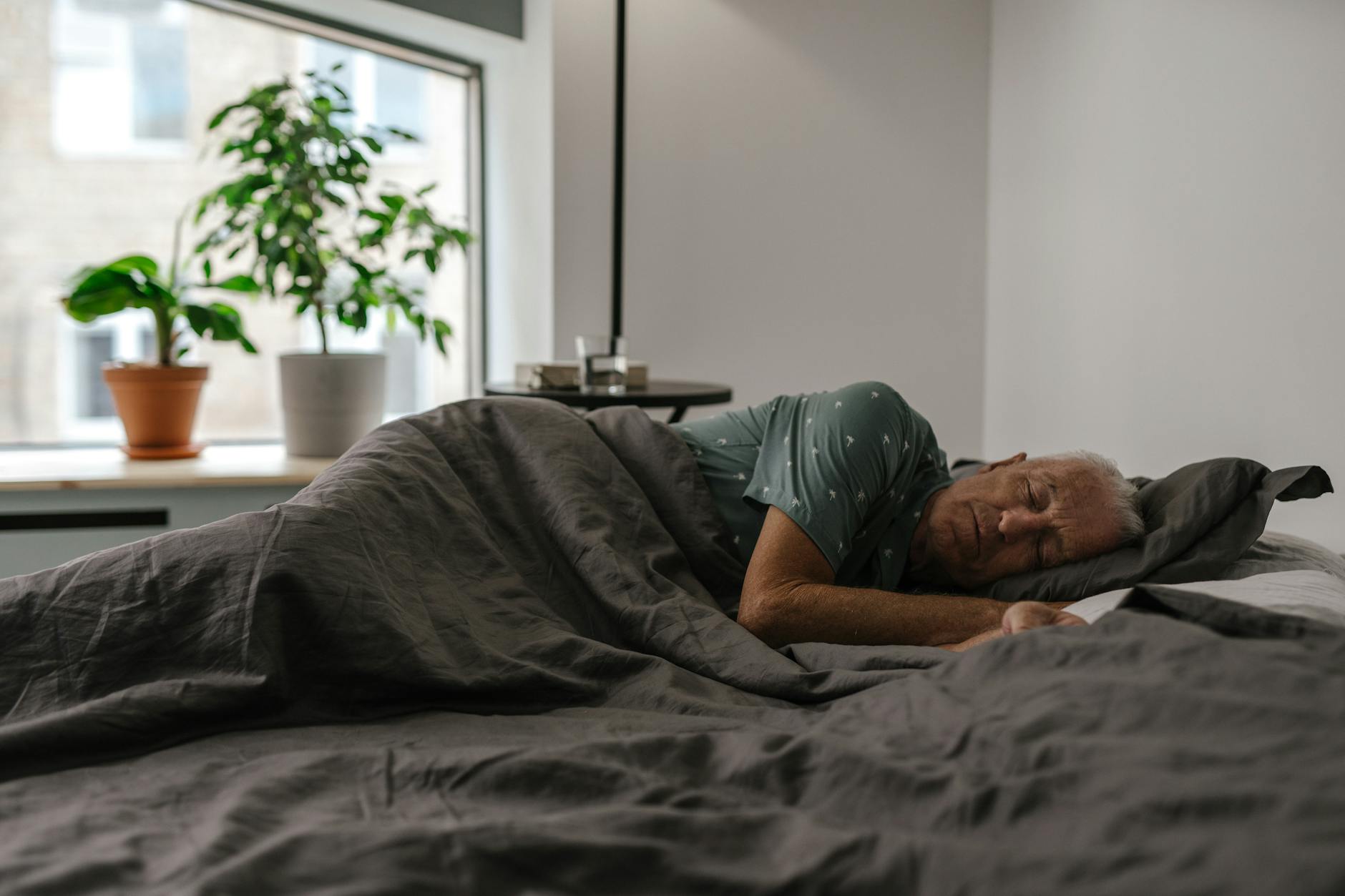
Photo by SHVETS production on Pexels
For instance, a meta-analysis published in JAMA Psychiatry found that addressing sleep problems in individuals with depression resulted in a substantial decrease in depressive symptoms. Similarly, cognitive behavioral therapy for insomnia (CBT-I) has been shown to be effective in treating insomnia, leading to improved mood and functioning in individuals with depression. The effectiveness of these treatments underscores the importance of recognizing and addressing sleep issues in those struggling with mental health disorders.
Similarly, anxiety disorders often manifest with sleep problems. Individuals with generalized anxiety disorder (GAD) frequently experience insomnia, which can exacerbate their anxiety symptoms. According to a report from MentalHealth.gov, addressing sleep issues is a vital component of effective anxiety management. Research indicates that individuals with anxiety disorders often experience a cycle where anxiety leads to sleep disturbances, which in turn heightens anxiety, creating a challenging feedback loop. This reinforces the need for integrated treatment approaches that address both sleep and anxiety symptoms.
Mood Stabilization: Why Patients Adhered to Consistent Sleep Schedules
Bipolar disorder is another condition where the connection between sleep and mental health is particularly pronounced. Individuals with bipolar disorder often experience significant changes in sleep patterns during manic and depressive episodes. During a manic phase, sleep may be greatly reduced, leading to heightened energy levels and impulsivity. In contrast, depressive episodes may come with excessive sleepiness and insomnia.
Research indicates that stabilizing sleep patterns can help manage bipolar symptoms. Regular sleep routines and good sleep hygiene can reduce the frequency and severity of mood episodes. A study published in The American Journal of Psychiatry found that patients with bipolar disorder who adhered to consistent sleep schedules experienced fewer mood episodes than those with irregular sleep habits. Mental health professionals often emphasize the importance of sleep in treatment plans for individuals with bipolar disorder, highlighting its role in mood stabilization.
Furthermore, the use of mood stabilizers and other medications can also be influenced by sleep patterns. For example, some medications may be more effective when taken at specific times to align with a person’s sleep cycle. This underscores the need for a comprehensive approach to treatment that includes not only pharmacological interventions but also lifestyle modifications focused on improving sleep.
Emotional Toll: Diminishing the Brain’s Ability to Process Stimuli
Sleep deprivation can have immediate and long-term effects on mood. Short-term sleep loss can lead to irritability, mood swings, and increased stress levels. Individuals often find that even one night of poor sleep can affect their emotional responses the next day. For example, a study published in the journal Emotion found that lack of sleep can diminish the brain’s ability to process emotional stimuli, leading to heightened sensitivity to negative emotions.

Photo by Marcus Aurelius on Pexels
Long-term sleep deprivation can lead to chronic mood disorders. Studies show that individuals who consistently sleep poorly are at a higher risk of developing depression and anxiety. According to a study in Archives of General Psychiatry, people with insomnia have a significantly higher risk of developing depression compared to those who sleep well. The risk is particularly pronounced in those with pre-existing mental health conditions. This interplay of sleep and mood is complex, with sleep disturbances often exacerbating existing mood disorders.
Additionally, sleep deprivation can affect interpersonal relationships. Irritability and mood swings can lead to conflicts with family, friends, and colleagues. The social consequences of poor sleep can further exacerbate feelings of loneliness and isolation, creating a cycle that negatively impacts mental health. Thus, addressing sleep issues is crucial not only for individual well-being but also for maintaining healthy relationships and social connections.
Restorative Rest: Understanding Sleep Architecture and Sleep Quality
While many focus on the quantity of sleep, the quality of sleep is equally important for mental health. Poor sleep quality—characterized by frequent awakenings, restless sleep, or insufficient time spent in restorative sleep stages—can significantly hinder mental well-being. Even individuals who clock in the recommended seven to eight hours can experience negative mental health effects if their sleep quality is poor.
Research indicates that good-quality sleep promotes better mood regulation and cognitive function. According to a study published in Sleep Health, individuals with high sleep quality reported significantly better mental health outcomes compared to those with poor sleep quality, even when sleep duration was similar. Factors that contribute to sleep quality include a comfortable sleep environment, a consistent sleep schedule, and healthy pre-sleep habits. Engaging in relaxing activities before bed, avoiding screens, and creating a dark, quiet sleeping environment can enhance sleep quality and, consequently, improve mental health outcomes.
Moreover, sleep architecture—the structure and pattern of sleep cycles—also plays a pivotal role. A healthy sleep cycle includes REM and non-REM stages, each serving unique functions. Disruptions in these stages can lead to poor cognitive performance and emotional dysregulation. Therefore, focusing on both the duration and quality of sleep is essential for optimizing mental health.
Action Plan: Improving Sleep Hygiene Can Have a Profound Impact

Photo by Liliana Drew on Pexels
Improving sleep hygiene can have a profound impact on mental health. Implementing practical strategies can enhance both sleep quality and overall emotional well-being. Here are some effective approaches to consider:
Circadian Routine: Why Individuals Adhered to Consistent Sleep Schedules
Maintaining a regular sleep schedule helps regulate the body’s internal clock. Going to bed and waking up at the same time each day can improve sleep quality and make it easier to fall asleep. Even on weekends, try to stick to a consistent schedule. This consistency helps reinforce the body’s natural sleep-wake cycle, promoting better rest and recovery.
Real-world examples include using alarms to remind you when to start winding down for bed. Additionally, tracking sleep patterns using apps or journals can provide insights into how different habits affect your sleep. If you notice that certain activities or foods impact your sleep negatively, you can modify your routine accordingly.
Bedroom Optimization: Creating a Serene Space to Reduce Stress
A conducive sleep environment is essential for quality rest. Ensure your bedroom is dark, quiet, and cool. Consider using blackout curtains, earplugs, or white noise machines to minimize distractions. Additionally, investing in a comfortable mattress and pillows can significantly enhance sleep quality. The environment plays a crucial role in signaling to the brain that it is time to wind down and sleep.
Furthermore, decluttering your bedroom can help reduce stress and create a more peaceful atmosphere. Personal touches, such as calming scents from essential oils or soft lighting, can also contribute positively to your sleep environment. A well-organized, serene space may further encourage relaxation and promote better sleep.
Digital Curfew: Restricting Blue Light and Avoiding Caffeine Before Bed
Avoiding caffeine and nicotine several hours before bedtime can improve sleep quality. Both substances are stimulants that can interfere with the ability to fall asleep. Additionally, limiting screen time before bed is vital. The blue light emitted by phones, tablets, and computers can disrupt melatonin production, making it harder to fall asleep. Instead, engage in relaxing activities such as reading a book or taking a warm bath.
Consider creating a digital curfew, setting aside screens at least an hour before bedtime. This practice not only improves sleep quality but can also foster healthier habits, such as reading or engaging in hobbies. You might also try replacing screen time with activities that promote relaxation, such as yoga or meditation, further supporting both mental health and sleep quality.
The Role of Mindfulness and Relaxation Techniques
Incorporating mindfulness and relaxation techniques into your daily routine can significantly improve sleep quality and mental health. Practices such as meditation, deep breathing exercises, and progressive muscle relaxation can help reduce stress and anxiety, making it easier to fall asleep. These techniques promote relaxation and enhance emotional regulation, contributing to better overall mental health.
Research suggests that mindfulness meditation can improve sleep quality and decrease symptoms of insomnia. A meta-analysis published in JAMA Internal Medicine found that mindfulness practices can lead to improvements in sleep quality, duration, and mental well-being. Engaging in mindfulness practices can create a sense of calm and focus, making sleep more restorative and beneficial for mental health.
Real-life examples include setting aside a few minutes each day for mindfulness meditation, using guided meditation apps, or even practicing deep breathing exercises before bed. Additionally, yoga can serve as a dual-purpose activity that promotes physical health while also enhancing relaxation and preparing the mind for sleep.
Physical Activity and Its Benefits
Regular physical activity is another effective strategy for improving sleep and mental health. Exercise has been shown to reduce symptoms of anxiety and depression while promoting better sleep. Physical activity helps regulate the body’s circadian rhythms and increases the amount of time spent in deep sleep, which is essential for recovery and emotional regulation.
According to a study published in Mental Health and Physical Activity, engaging in regular physical activity was associated with a significant reduction in depressive symptoms, particularly in individuals with insomnia. Incorporating moderate aerobic exercise into your routine can significantly enhance sleep quality. Activities such as walking, cycling, or swimming can help alleviate stress and boost mood.
Aim for at least 30 minutes of moderate exercise most days of the week to reap the mental health benefits. Finding enjoyable activities can make it easier to stick to an exercise routine. Group classes, outdoor activities, or even team sports can provide social interaction, further enhancing emotional well-being.
Sleep Pathology: Clinical Insights into Insomnia and Sleep Apnea
Several sleep disorders can negatively impact mental health. Conditions such as insomnia, sleep apnea, and restless leg syndrome are prevalent and can lead to significant emotional distress. Understanding these disorders is essential for seeking appropriate treatment and improving overall well-being.
Insomnia and Its Effects
Insomnia is characterized by difficulty falling asleep, staying asleep, or waking too early. This disorder can significantly affect mental health, leading to increased anxiety, irritability, and depressive symptoms. Insomnia is often linked to stress, trauma, and other underlying mental health conditions. According to a report by the American Psychological Association, addressing insomnia through cognitive-behavioral therapy or lifestyle changes can lead to improvements in both sleep and mental health.
Additionally, insomnia can have broader implications for physical health, increasing the risk for conditions such as cardiovascular disease and diabetes. Thus, addressing sleep issues promptly is crucial for both mental and physical health. Recognizing the symptoms of insomnia, such as frequent awakenings or inability to relax, can help individuals seek the necessary help.
Sleep Apnea and Its Consequences
Sleep apnea is a serious condition where breathing repeatedly stops and starts during sleep. This disorder often leads to fragmented sleep and daytime fatigue. Individuals with sleep apnea are at an increased risk for mood disorders, including anxiety and depression. A study published in the journal Chest found that individuals with obstructive sleep apnea reported significantly higher levels of anxiety and depression compared to those without the condition.
Treatment options, such as continuous positive airway pressure (CPAP) therapy, can improve sleep quality and mental health outcomes. Lifestyle modifications, such as weight management and positional therapy, can also provide relief. Understanding the symptoms of sleep apnea, such as loud snoring and excessive daytime sleepiness, is crucial for seeking timely intervention.
When to Seek Professional Help
If sleep disturbances persist despite implementing healthy sleep habits, it may be time to seek professional help. Mental health providers can offer tailored strategies for managing sleep issues and improving overall mental health. Therapies such as cognitive-behavioral therapy for insomnia (CBT-I) can effectively address underlying mental health concerns and promote better sleep.
Additionally, if you are experiencing persistent symptoms of anxiety, depression, or mood disorders, consulting with a mental health professional is essential. They can help identify the root causes of your symptoms and provide appropriate treatment options. Remember, prioritizing mental health is just as important as physical health, and seeking help is a vital step towards well-being.
Moreover, keeping a sleep diary can help healthcare providers understand your sleep patterns and identify contributing factors to sleep disturbances. This proactive approach can lead to more effective treatment plans tailored to your needs.
Frequently Asked Questions
Q: How does sleep deprivation affect my mood?
A: Sleep deprivation can lead to increased irritability, mood swings, and heightened emotional responses. When you don’t get enough sleep, your brain struggles to process emotions effectively, which can result in negative feelings and stress. Studies have shown that insufficient sleep is associated with a greater likelihood of experiencing anxiety and depression symptoms, creating a cycle that can be challenging to break. The lack of sleep impacts brain regions associated with emotional regulation, such as the prefrontal cortex and amygdala, leading to difficulties in managing stress and emotional responses. Consequently, prioritizing good sleep hygiene is essential for maintaining emotional stability and resilience.
Q: What are some signs that my sleep is affecting my mental health?
A: Common signs that sleep is affecting your mental health include persistent fatigue, difficulty concentrating, increased irritability, and heightened feelings of anxiety or sadness. If you notice that your mood fluctuates significantly based on your sleep patterns, it may be worth exploring your sleep hygiene and considering professional help if necessary. Other indicators can include changes in appetite, withdrawal from social interactions, and decreased motivation. Keeping track of your sleep patterns and mood can provide valuable insights into the relationship between the two, helping you identify areas for improvement. If these symptoms persist, it may be beneficial to consult with a healthcare professional for further evaluation.
Q: Can improving my sleep quality help with anxiety?
A: Yes, improving sleep quality can significantly help manage anxiety. Good sleep hygiene practices, such as establishing a regular sleep schedule, creating a restful environment, and incorporating relaxation techniques, can reduce anxiety symptoms. Research has shown that individuals who prioritize sleep often report lower levels of anxiety, highlighting the importance of sleep in emotional regulation. Furthermore, therapies that address both sleep and anxiety, like CBT-I, have shown promising results in reducing anxiety symptoms and improving sleep quality simultaneously. Therefore, ensuring that you get adequate, restorative sleep can be a powerful tool in managing anxiety and enhancing overall mental health.
Q: How much sleep do I need for optimal mental health?
A: Most adults require between seven to nine hours of sleep per night for optimal health. However, individual needs may vary. It’s essential to pay attention to how you feel after different amounts of sleep. If you wake up feeling refreshed and alert, you are likely getting adequate rest. Adjusting your sleep schedule to meet your personal needs can enhance both physical and mental health. Additionally, the quality of sleep is just as important as quantity; therefore, focusing on achieving restful and uninterrupted sleep is crucial for mental well-being. If you find that you consistently feel tired despite getting enough hours of sleep, it may be worth consulting a healthcare professional.
Q: What should I do if I suspect I have a sleep disorder?
A: If you suspect you have a sleep disorder, it is important to seek professional evaluation. A healthcare provider can conduct assessments to determine if you have conditions like insomnia or sleep apnea. They may recommend lifestyle changes, therapy, or further testing to address your sleep concerns. Early intervention can improve sleep quality and overall mental health. Keeping a sleep diary where you record your sleep patterns, daytime fatigue levels, and any other symptoms can also be helpful for your healthcare provider. This proactive approach can lead to targeted strategies and interventions to address your sleep issues effectively.
Conclusion
The relationship between sleep and mental health is complex yet crucial. Poor sleep can significantly impact mood, cognitive function, and emotional regulation. By understanding the sleep mental health connection, individuals can take proactive steps to improve their sleep hygiene and overall mental well-being. Prioritizing sleep is not merely about avoiding fatigue—it is a fundamental aspect of maintaining emotional resilience and psychological health.
Incorporating practical sleep strategies, seeking professional help when needed, and recognizing the signs of sleep disturbances can empower individuals to take control of their mental health. As research continues to uncover the intricate links between sleep and mental health, it becomes increasingly evident that improving sleep is a vital component of achieving a healthier, happier life. By making informed choices regarding sleep and addressing underlining sleep disorders, individuals can not only enhance their sleep quality but also foster a more positive outlook on life, ultimately leading to improved mental health outcomes.
In conclusion, the journey toward better sleep and mental health is a continuous process that requires awareness and effort. By acknowledging the importance of sleep and taking actionable steps to enhance it, you can pave the way for improved mental clarity, emotional stability, and overall well-being. Remember, your mental health deserves just as much attention as your physical health, and adequate sleep is an integral part of that equation.
Other of articles:
Gratitude Science Mental Health
Cognitive Behavioral Therapy Efficacy
The information provided is for reference only. Please consult a professional physician if you experience any discomfort.