Gardening is often seen as a leisurely hobby, but it offers much more than just aesthetic appeal. Engaging in this fulfilling activity comes with remarkable health benefits that extend beyond the physical realm. The act of nurturing plants and working with soil can have profound impacts on mental well-being, community connection, and even nutritional benefits. With increasing awareness of the importance of mental health and physical activity, understanding the various advantages of gardening is essential. This article delves into the myriad of ways that cultivating a lush garden can enhance health, reduce stress, and foster a sense of purpose. The gardening health benefits are numerous, impacting both body and mind, making it a valuable pursuit in today’s fast-paced world.
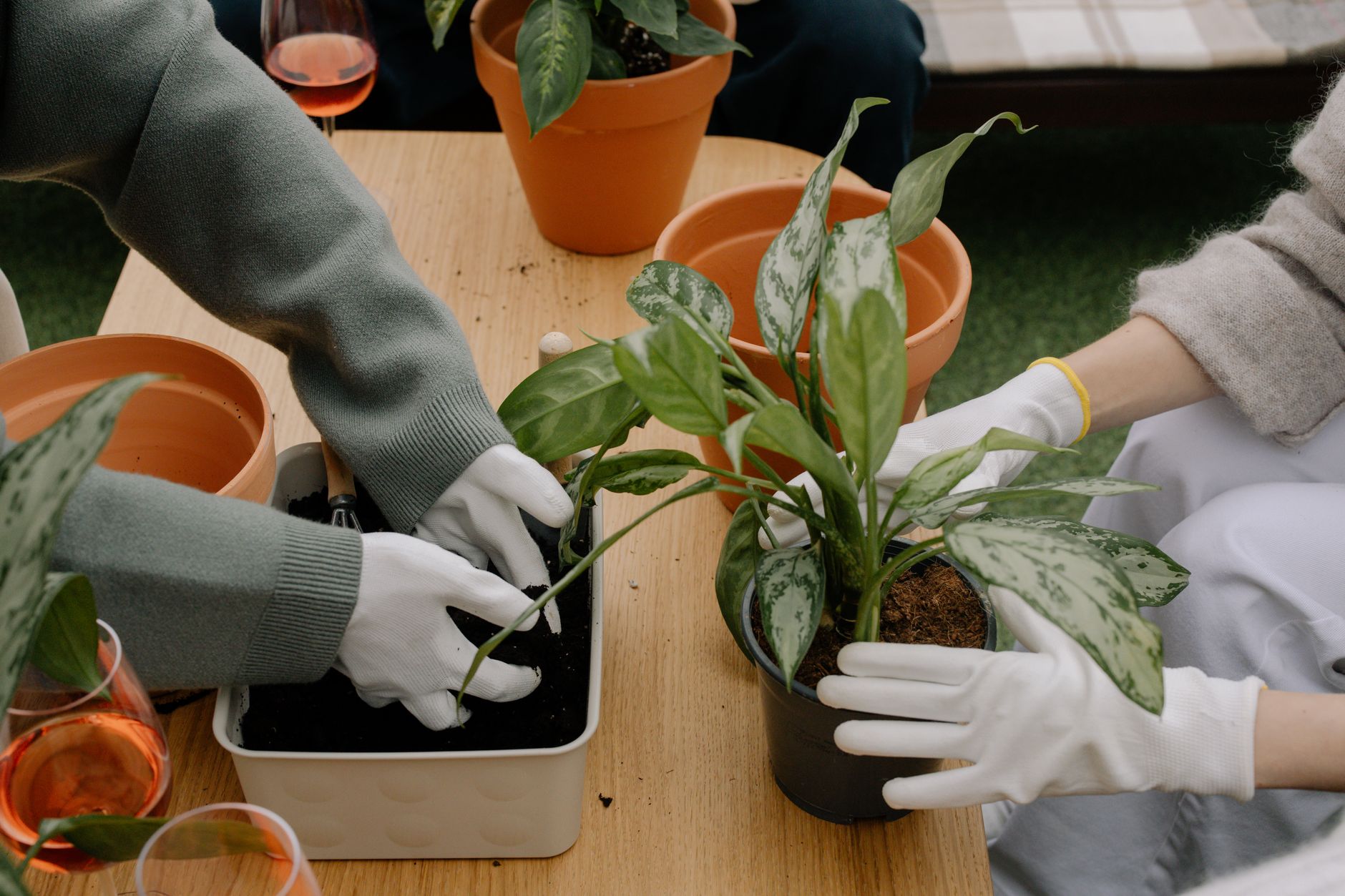 Health Benefits of Gardening: Why Getting Your Hands Dirty Is Good for You
Photo by cottonbro studio on Pexels
Gardening for Mental Health and Emotional Well-being
Mental health issues are on the rise globally, with stress, anxiety, and depression affecting people of all ages. Engaging in hobbies that promote well-being, such as gardening, can serve as an effective remedy. Psychologists have long suggested that being in nature has a calming effect, and gardening is an excellent way to interact with the natural world. Studies suggest that soil contains microorganisms with antidepressant properties, which can boost mood and create feelings of happiness. According to a study published in the Journal of Health Psychology, spending time in green spaces can significantly decrease stress and anxiety levels, making this horticultural activity a powerful tool for mental wellness.
The therapeutic effects derived from gardening can often be attributed to the mental state of flow, where individuals lose track of time while indulging in their tasks. This state is known to heighten creativity and improve focus, serving as a natural antidote to the distractions of modern life. The simple act of tending to plants can evoke a sense of control and purpose, essential attributes for those dealing with situations of uncertainty or anxiety.
Moreover, research published in the NHS emphasizes the importance of interacting with nature, indicating that those who participate in gardening report heightened well-being over those who do not. Activities such as planting seeds, digging, and watering can yield physical interactions that promote self-care. The concept of getting one’s hands dirty can connect not only to the earth but also to one’s personal feelings, establishing a fulfilling emotional experience.
Building Community Connections and Social Well-being
Beyond personal benefits, gardening can also foster community ties. Urban gardening initiatives, community plots, and garden clubs promote social interaction among participants. These communal settings provide opportunities for sharing knowledge, resources, and produce, which can foster deep connections with others. People who engage in collective gardening projects often report higher levels of well-being, as they develop a network of support and friendship. Findings from team-based gardening activities show that participants not only experience the immediate enjoyment of gardening but also enhanced social bonds that can translate into emotional resilience.
Moreover, community gardens can serve as educational platforms, teaching members about nutrition and sustainable agriculture. Participants can learn how to grow healthy food, reduce waste, and even understand the science behind plant growth. This capability for knowledge transfer not only aids in individual growth but also empowers communities to make healthier lifestyle choices. Such initiatives can bring together people from diverse backgrounds, fostering a sense of unity as members cooperate towards achieving a common goal. Research indicates that community gardening initiatives can help reduce feelings of isolation, enhance participation in local activities, and ultimately create vibrant neighborhoods.
In a real-world example, a community in San Francisco established community gardens that not only provided fresh produce but also facilitated workshops on cooking and nutrition. Participants, some of whom had never grown food before, began sharing recipes and experiences, transitioning into a supportive network that vastly improved their familial relationships and personal well-being.
Physical Health Benefits of Gardening and Fitness
The physical health benefits of this beneficial practice are vast and often overlooked. Gardening is not only a relaxing endeavor but also a form of moderate-intensity exercise. Tasks like digging, planting, weeding, and harvesting can elevate the heart rate, improve muscular endurance, and enhance flexibility. The American Journal of Public Health highlights that regular gardening activities significantly increase physical activity levels and contribute to overall fitness. In fact, a two-hour gardening session can burn up to 400 calories, comparable to jogging for the same amount of time. This form of exercise is easier to sustain for many individuals, particularly those who may find traditional exercises like running or gym workouts less appealing.

Photo by Greta Hoffman on Pexels
Furthermore, when individuals engage in gardening, they often spend substantial time outdoors—exposing themselves to sunlight. This natural light is crucial for the body’s production of Vitamin D, known for its essential role in bone health, immune function, and mood regulation. The National Institutes of Health (NIH) recommends around 600 to 800 IU of Vitamin D daily, which can be effectively achieved through moderate sun exposure while tending to a garden. This natural source of Vitamin D is vital in maintaining overall health, especially for those living in regions with limited sunlight. An article from the Mayo Clinic further underscores the value of adequate Vitamin D levels in preventing diseases and promoting mental well-being.
Gardening as a Form of Physical Rehabilitation and Recovery
For individuals recovering from surgery or managing chronic pain conditions, gardening can serve as a therapeutic activity. Occupational therapists often recommend gentle gardening tasks as a means of physical rehabilitation. Activities like seed planting and watering require movement but can be customized to the individual’s capabilities, making it an accessible exercise option. Many patients have successfully used gardening to regain strength, balance, and coordination. Research in the journal of Health Promotion emphasizes such endeavors as promoting resilience and reducing feelings of helplessness through productive engagement.
Moreover, studies have suggested that engaging in light physical activity, such as gardening, can significantly reduce the risk of chronic illnesses. The CDC states that moderate activities help control weight, combat health conditions, and improve mood. Incorporating gentle exercises rooted in horticulture can be a sustainable approach to long-term health, making it an ideal option for a diverse demographic. In an illuminating case, a rehabilitation center introduced gardening to their patients post-surgery, leading to improved mobility and overall mood as patients found joy and accomplishment in nurturing their plants.
The Nutritional Benefits of Gardening and Healthy Eating
When people cultivate their gardens, they often grow a variety of fruits and vegetables, which can significantly improve their nutritional intake. Home-grown produce is usually fresher, retaining more nutrients than items harvested and shipped from faraway places. Studies suggest that consuming fresh fruits and vegetables can reduce the risk of chronic diseases such as heart disease, diabetes, and certain cancers. Furthermore, home-grown food encourages healthier eating habits, as individuals become invested in their garden’s productivity. Evidence from the CDC illustrates that individuals who grow their own food report higher consumption rates of fruits and vegetables due to the easy availability of fresh produce.

Photo by Kampus Production on Pexels
Additionally, gardening can lead to greater awareness of food sources and cultivation methods. This awareness often translates to a better understanding of nutrition. Families who garden together tend to develop healthier dietary patterns, as they are more likely to experiment with cooking using fresh ingredients straight from their garden. According to research conducted by the Centers for Disease Control and Prevention, having access to home-grown produce increases the likelihood that individuals will consume fruits and vegetables regularly.
Creating Sustainable Gardening Practices for the Environment
In today’s world, sustainability is paramount, and gardening encourages environmental stewardship. By growing their own food, gardeners can reduce dependence on mass-produced agricultural goods, notably those reliant on harmful pesticides. Organic gardening practices also promote biodiversity, essential for maintaining healthy ecosystems. This way of growing minimizes environmental impact and empowers communities to take control of their food sources.
Gardening also promotes the idea of “food miles,” which refers to the distance food travels from farm to table. By growing food locally, individuals reduce their carbon footprints and contribute to a more sustainable food system. Embracing such practices can lead to a more conscientious consumer culture, where community members collaborate to support local businesses and initiatives. Real-world examples illustrate this well; for instance, in community-supported agriculture (CSA) programs, members receive boxes of local produce, boosting both personal health and the local economy. Participating in gardening initiatives not only attracts environmental benefits but can enhance community spirit and connectivity.
Gardening as a Stress-Relief Technique and Anxiety Reduction
In our fast-paced world, stress management is critical. The act of cultivating plants has been shown to lower cortisol levels, which is known as the stress hormone. Spending time outside, getting hands dirty, and observing nature can induce a calming effect—essentially acting as a natural antidote to stress. Engaging in activities that replicate nature, such as gardening, has shown to improve individuals’ stress response, promoting relaxation and enhancing overall mood. The benefits of gardening as a stress-relief method are widely supported, with research indicating that participants often report lower anxiety and improved mood post-engagement.

Photo by Liliana Drew on Pexels
Furthermore, activities like pruning and arranging plants require focus, drawing one into the present moment and allowing for mental respite. This action can create a break from overthinking and mental clutter, contributing positively to mental well-being. In fact, studies have shown that gardening can raise levels of serotonin, the “feel-good” neurotransmitter, promoting happiness and contentment.
The Role of Nature and Therapeutic Effects in Well-being
Numerous studies suggest that contact with nature is essential for mental health and well-being. Nature therapy, which includes gardening, enhances feelings of happiness and satisfaction. The sensory experiences offered by gardening—like the vibrant colors, soothing smells, and irresistible textures—can elevate mood and foster creativity. Incorporating nature into everyday life through gardening can lead to a greater appreciation for the environment, which often translates into improved mental health. A growing body of evidence indicates that green environments foster a sense of peace, leading to increased life satisfaction and decreased levels of anxiety.
Moreover, gardening can establish a routine and give a sense of purpose, which are vital for individuals creating a sense of normalcy and stability. An encouraging atmosphere can be fostered by tending to a garden regularly, as plants require care and attention, nurturing a sense of responsibility and achievement. Uncovering the therapeutic potential of nature through gardening can create a holistic approach to mental and physical wellness. In real-world settings, therapy gardens have been integrated into hospital spaces, providing patients with green, calming environments, which positively affect their recovery rates.
Gardening for All Ages: From Children to Older Adults
The versatile nature of gardening makes it an appealing activity for individuals across all age groups. Children can benefit immensely from gardening, as it teaches them about responsibility, environmental awareness, and nutrition. Hands-on experiences with planting and nurturing plants encourage inquisitiveness about nature and the food they consume. Research shows that children who engage with gardening often develop a more positive relationship with fruits and vegetables, facilitating healthier eating habits throughout their lives. According to the Healthline, children involved in gardening have shown increased willingness to try new foods, particularly veggies, and fruits, which is crucial for establishing healthy palettes.
For older adults, gardening can provide a meaningful means of remaining active and connected to the community. Many retirees find purpose in maintaining a garden, which can inspire daily movement and maintain physical skills. Additionally, cultivating plants can enhance cognitive functioning, as it requires strategic planning, learning, and application of knowledge about botany and horticulture. Engaging in gardening can also alleviate feelings of loneliness, as it often encourages social interactions and participations in community-related initiatives. Programs designed for senior centers have reported enhanced engagement and joy from participants involved in gardening activities, leading to happier and healthier aging.
Adapting Gardening Techniques to Individual Needs
One of the beauty of gardening is its adaptability to people’s needs and preferences. There are numerous methods and styles, from container gardening for those with limited space to raised beds that can aid individuals with mobility challenges. This flexibility allows anyone to partake in gardening, enhancing accessibility for people of various abilities and interests. Community resource centers and local gardening clubs often provide workshops, making this attainable for everyone. For instance, vertical gardens and hydroponics have gained popularity, allowing individuals with limited space to grow an array of plants.
Regardless of physical limitations, there are gardening activities that everyone can engage in. Simple tasks such as selecting plants, designing plots, and planning rotations foster a connection without requiring physical strain. The positive mental and physical health outcomes of engaging with nature through gardening make it an invaluable practice that transcends generational and physical barriers. Adaptive gardening tools are available for older adults and those with disabilities, further promoting inclusivity in this rewarding hobby. The overarching goal is to ensure everyone can experience the joy and health benefits of nurturing a garden.
Frequently Asked Questions
Q: What are the best plants to start with for beginner gardeners?
A: For those new to gardening, starting with easy-to-grow plants can foster a sense of accomplishment and encourage continued participation. Vegetables like radishes, lettuce, and tomatoes are known for their quick growth, making them encouraging options for beginners. Herbs like basil, parsley, and mint are also forgiving and require minimal attention, making them accessible choices. Flowers such as marigolds and zinnias provide colorful blooms without demanding excessive care, adding aesthetic value to beginners’ gardening spaces. Furthermore, considering local conditions helps; consulting with local gardening centers regarding what grows well in specific climates can optimize chances of success. The initial experience is key for fostering ongoing interest, making the selection of conducive plants critical.
Q: How much time should I dedicate to gardening weekly?
A: The time commitment for gardening can vary significantly based on personal goals and the scale of the garden. For beginners, dedicating an hour or two per week can provide substantial rewards, from planting to weeding and watering. Regular maintenance such as these tasks can fit into a busy schedule, where smaller, consistent efforts yield significant results over time. Those with time constraints could establish a few quick tasks to complete in the early mornings or weekends to maintain their garden.
Over time, gardeners can adjust their commitment based on enjoyment levels and the plants’ needs. The essential factor is to engage consistently without overwhelming oneself, as even short bursts of gardening can be greatly beneficial. Scheduling set times ensures gardening remains a regular and enjoyable activity, promoting better results and deeper engagement.
Q: Can gardening be practiced year-round?
A: Yes, gardening can indeed be a year-round activity, depending on climate and gardening methods adopted. In warmer regions, traditional gardens can thrive throughout the year, while seasonal changes necessitate different practices in cooler climates. Indoor gardening allows for growing herbs and some vegetables year-round and can be supplemented by the use of specialized grow lights. Additionally, using greenhouses or cold frames can extend the gardening season outdoors as well. Many gardeners choose to rotate crops throughout the year, planting cool-season crops in fall and winter while reserving warm-season varieties for spring and summer. This strategic planning helps maintain productivity and enjoyment in gardening throughout any calendar year, fostering continuous connection with plants and nature.
Q: What are some common challenges in gardening and how can they be overcome?
A: Several challenges can arise while gardening, including pest infestations, poor soil quality, and plant diseases. Familiarizing oneself with local conditions can pave the way for successful gardening. To combat pests, natural methods such as companion planting and organic pesticides provide viable alternatives. Additionally, beneficial insects such as ladybugs and lacewings can be introduced to the garden to control harmful pests organically.
Regularly testing and amending soil ensures optimal growing conditions; investing in a simple soil test kit can inform decisions regarding nutrient deficiencies. Joining gardening communities or attending local workshops can provide support, sharing experiences and strategies that may help solve common dilemmas encountered during gardening. Engaging with fellow gardeners often leads to the exchange of useful tips, making challenges easier to manage.
Q: Is gardening a sustainable practice?
A: Yes, gardening is considered a sustainable practice, particularly when organic methods are employed. It fosters biodiversity while minimizing reliance on chemical fertilizers and practices typical of industrial agriculture. By growing local produce, individuals reduce their carbon footprints and contribute to a more sustainable food system. Furthermore, organic gardening practices significantly benefit soil health and promote beneficial fauna within garden ecosystems. Participating in community gardening initiatives can bolster local economies and provide healthier options within food deserts while decreasing transportation distances for food delivery. Experiences and awareness gained through sustainable approaches to gardening can transform individuals into educated consumers, driving advocacy towards environmentally friendly choices both in gardens and communities.
Q: How can I find community gardening opportunities in my area?
A: Finding community gardening opportunities can be achieved through various channels. Local schools, libraries, and community centers may host or have insights on gardening programs. Online platforms like social media groups, Meetup, or local gardening websites can offer leads on collaborative gardening initiatives. State or city agricultural extension offices often list community gardens and programs, providing a wealth of information about local options. Additionally, participating in farmers’ markets can reveal connections to community roots, as many vendors often engage in local gardening communities themselves. Joining these projects not only offers fresh produce and knowledge but also fosters connections, enhances gardening experience, and contributes to the overall health of the community.
Conclusion
Gardening is a multifaceted activity that binds together numerous health benefits, making it an extraordinary addition to anyone’s lifestyle. From physical and mental wellness improvements to fostering community connections and promoting sustainable practices, the advantages are extensive. This endeavor encourages individuals to cultivate not only plants but also self-awareness, mindfulness, and nutrition. The gardening health benefits provide a pathway to a healthier, happier life, supporting not just physical well-being but also emotional and social connection.
As individuals dig their hands into the earth, they will find solace, fulfillment, and purpose, ensuring this ancient practice remains just as impactful today. Whether you are a seasoned gardener or a beginner inspired to start your green journey, the positive ramifications of getting your hands dirty are undeniably enriching.
Ultimately, the health benefits of engaging in gardening can lead to enhanced quality of life, fostering a holistic approach encompassing physical fitness, mental rejuvenation, social connectivity, and ecological stewardship. Making it a part of your routine offers rewards that extend beyond the harvest, creating a multifaceted web of health for individuals, families, and communities. Take the first step, and consider incorporating this nurturing practice into your life; the results may be more rewarding than you ever imagined.
Other of articles:
The information provided is for reference only. Please consult a professional physician if you experience any discomfort.