In our fast-paced, technology-driven world, stress has become an inevitable part of daily life. As we navigate through work deadlines, family obligations, and social commitments, our mental and physical well-being often takes a backseat. One method that has gained traction in recent years for addressing stress is forest bathing, or shinrin-yoku. This practice, rooted in Japanese culture, emphasizes immersing oneself in nature to promote healing and well-being. Research shows that spending time in natural environments can significantly lower stress hormones and improve overall health. This article delves into the science behind forest bathing, its benefits, and how to incorporate it into your lifestyle.
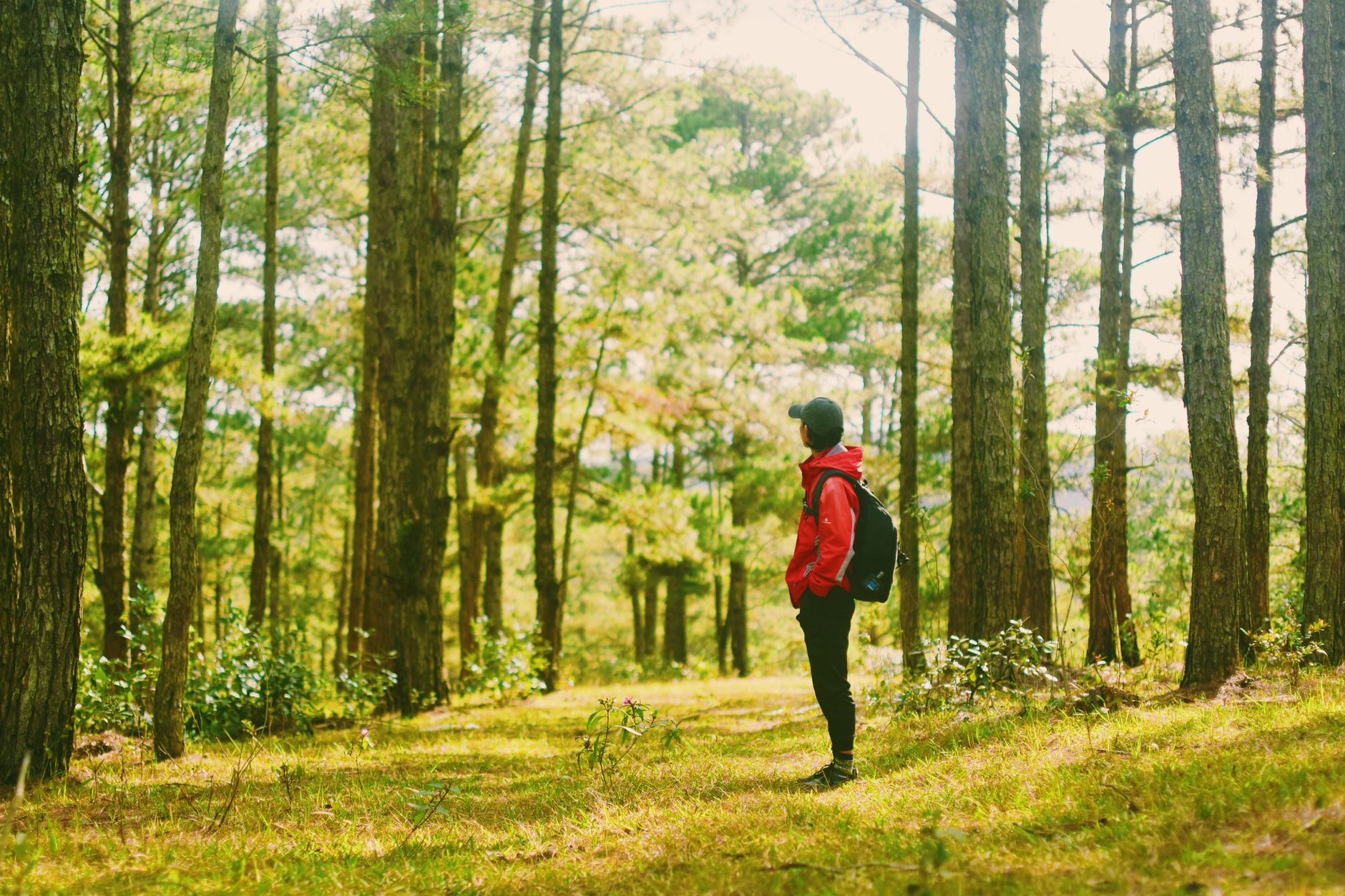 Forest Bathing (Shinrin-Yoku): Science-Backed Stress Relief
Historical Roots: Understanding the Origins of Shinrin-Yoku
Shinrin-yoku, which translates to “forest bathing” in English, originated in Japan during the 1980s as a public health initiative to encourage people to spend more time outdoors. This practice was developed in response to rising health concerns related to urbanization and the increasing prevalence of lifestyle diseases. The Japanese government recognized that spending time in nature could enhance mental health, reduce stress, and improve overall well-being.
Forest bathing is not about strenuous hiking or exercise; instead, it focuses on engaging the senses and being present in the natural environment. This mindfulness aspect is key to its effectiveness. The practice encourages individuals to take slow walks, breathe deeply, and observe the beauty around them. By doing so, participants can lower cortisol levels and experience a sense of calm and tranquility. The benefits of this practice extend beyond mere relaxation; they encompass physical, emotional, and psychological aspects of health.
Research supports the efficacy of this approach. A study published in the journal Environmental Health and Preventive Medicine found that individuals who engaged in forest bathing showed lower levels of cortisol, a hormone associated with stress, compared to those who spent time in urban environments. This evidence highlights the therapeutic potential of immersing oneself in nature and has led to a growing interest in forest therapy worldwide. The Japanese Ministry of Agriculture, Forestry and Fisheries even promotes forest bathing as a way to enhance health and well-being, with numerous programs established to educate the public about its benefits.
Physiological Impact: The Science Behind Forest Bathing and Stress Reduction
Numerous studies have investigated the physiological and psychological effects of spending time in nature. When exploring the impact of forest bathing, it is essential to understand how this practice influences stress and overall health. One of the key factors is the reduction of cortisol levels. Elevated cortisol is linked to various health issues, including anxiety, depression, and cardiovascular disease. The relationship between nature exposure and stress reduction is becoming increasingly evident in scientific literature.
A pivotal study conducted by researchers at Nippon Medical School in Tokyo found that participants who practiced forest bathing had significantly lower cortisol levels than those in urban settings. Additionally, their heart rates and blood pressure decreased, further indicating a reduction in stress and anxiety levels. The calming effects of interacting with nature can be attributed to a combination of factors, including the physical environment itself and the psychological benefits of being outdoors. The abundance of greenery, the sounds of wildlife, and the fresh air contribute to an environment conducive to relaxation.
Nature’s Healing: The Role of Phytoncides in Forest Therapy
Phytoncides are natural compounds released by trees and plants that have been shown to have various health benefits. These compounds not only contribute to the pleasant aromas commonly associated with forests but also play a role in reducing stress and boosting the immune system. Research has indicated that inhaling phytoncides can enhance the activity of natural killer cells, which are vital for immune defense.
One study published in the Journal of Biological Regulators and Homeostatic Agents demonstrated that participants who inhaled phytoncides experienced an increase in natural killer cell activity, which persisted for weeks after their forest bathing experience. This finding suggests that regular exposure to natural environments can have lasting positive effects on immune function and stress response. Furthermore, phytoncides may also help reduce inflammation, which is linked to numerous chronic health conditions. The cumulative effects of these natural compounds can lead to improved overall health and resilience against stress.
Mindfulness is an essential component of forest bathing. The practice encourages individuals to disconnect from technology and the demands of daily life, allowing them to focus on the present moment. This mindfulness fosters a deeper connection to nature, which can lead to improved mental health. Studies have shown that mindfulness practices can reduce symptoms of anxiety and depression, making forest bathing a valuable tool for those seeking relief from stress.
One study published in the journal Psychological Science found that individuals who engaged in mindful nature walks reported reduced rumination—a common contributor to anxiety and depression. The act of focusing on the sensations of nature, such as the rustle of leaves or the smell of pine, serves as a form of meditation. This mindful engagement can shift the brain’s focus from negative thoughts to positive experiences, enhancing emotional resilience and overall well-being.
 Forest Bathing (Shinrin-Yoku): Science-Backed Stress Relief
Photo by Justin Wolfert on Pexels
Embracing the practice of forest bathing doesn’t require extensive planning or special equipment. Here are some practical steps to integrate this beneficial activity into your daily routine:
Start by identifying a nearby forest, park, or natural area where you can immerse yourself in nature. It doesn’t have to be a vast wilderness; even a small local park can provide a refreshing escape from urban life. Look for places with trees, plants, and wildlife to enhance your experience. Consider visiting botanical gardens or nature reserves, which often provide a variety of natural environments to explore.
Dedicate specific time slots for your forest bathing sessions. Aim for at least 30 minutes to an hour, allowing yourself ample time to engage with your surroundings. Consider visiting during different times of day to experience the changing light and sounds of nature. Morning and late afternoon are often ideal times for forest bathing, as the natural light enhances the beauty of the landscape and the wildlife is more active.
Before embarking on your nature excursion, turn off your phone or leave it behind. This step allows you to fully immerse yourself in the experience without distractions. Focus on your senses—what do you see, hear, and smell? This mindful engagement can enhance the benefits of forest bathing. Use this time to reflect, meditate, or simply enjoy the tranquility of your surroundings.
As you walk through the forest, take slow, deliberate steps. Breathe deeply and focus on the sensations in your body. Observe the details of the environment, such as the colors of the leaves or the sound of the wind in the trees. This mindfulness practice can help you feel more connected to nature and promote relaxation. Try to engage all your senses: listen to the birds, feel the texture of the bark, and take in the earthy scents around you.
If you’re new to this practice, consider joining a guided forest bathing session. Many organizations and wellness centers offer structured experiences led by trained facilitators. These guided sessions can provide valuable insights and techniques to maximize the benefits of spending time in nature. Facilitators often incorporate mindfulness exercises and group activities that enhance the experience, allowing participants to connect with both nature and each other.
 Forest Bathing (Shinrin-Yoku): Science-Backed Stress Relief
Photo by Hugo Polo on Pexels
Beyond the physiological effects, forest bathing provides numerous psychological benefits. Engaging with nature has been shown to improve mood, increase feelings of happiness, and reduce symptoms of anxiety and depression. The mental health benefits of spending time outdoors are increasingly recognized by healthcare professionals and researchers alike.
Research indicates that spending time in natural environments can lead to significant improvements in mood. A study published in the journal Environmental Science & Technology found that individuals who spent time in nature reported feeling more positive and relaxed compared to those who remained in urban settings. This enhancement in mood can be attributed to the calming effects of nature and the opportunity to disconnect from daily stressors. The natural beauty and serenity of a forest can evoke feelings of joy and contentment, acting as a natural antidote to the stresses of modern life.
Forest bathing has also been linked to reduced symptoms of anxiety and depression. The practice fosters a sense of connection and belonging, which can combat feelings of isolation commonly associated with mental health issues. A study conducted by researchers at the University of Utah found that participants who engaged in nature walks reported decreased levels of anxiety and depression, highlighting the transformative power of immersing oneself in natural environments. This finding suggests that incorporating regular nature experiences can serve as a complementary approach to traditional mental health treatments, providing individuals with additional tools to manage their symptoms effectively.
In addition to personal health benefits, forest bathing promotes a greater appreciation for the environment and encourages sustainable practices. By spending time in nature, individuals often develop a deeper understanding of the importance of preserving natural ecosystems. The interconnectedness of human health and environmental health becomes increasingly clear, as both depend on the well-being of our planet.
Forest bathing encourages individuals to connect with their surroundings, fostering a sense of responsibility toward the environment. This connection can lead to increased advocacy for environmental conservation and sustainable practices. Engaging with nature allows individuals to witness the beauty and fragility of ecosystems, inspiring them to take action to protect these vital resources. Many forest bathing practitioners report feeling a stronger desire to engage in conservation efforts, whether through volunteering, reducing waste, or advocating for policy changes that protect natural habitats.
Participating in forest bathing can also enhance social connections. Whether you join a group or invite friends and family to explore nature together, these shared experiences can strengthen relationships and foster a sense of community. Engaging in outdoor activities with others can provide support and encouragement, making it easier to prioritize mental well-being. Group forest bathing sessions often create a sense of camaraderie and collective mindfulness, allowing participants to bond over the shared experience of nature. This social aspect can be especially beneficial for those who may feel isolated or disconnected in their daily lives.
Practical Tips for Enhancing Your Forest Bathing Experience
To maximize the benefits of forest bathing, consider these practical tips for enhancing your experience:
While walking is a common practice during forest bathing, you can also engage in other activities to deepen your connection with nature. Consider bringing a journal to write about your experiences, sketching the scenery, or practicing yoga amidst the trees. These varied activities can help you explore different aspects of nature and enhance your mindfulness.
Take time to engage your senses fully. Touch the leaves, listen to the rustling of branches, and smell the rich earth. Try to identify different sounds and scents. This sensory exploration can deepen your appreciation for the environment and enhance your overall experience.
Sharing your forest bathing experience with a friend or family member can enhance the enjoyment and emotional benefits. Engaging in conversation while exploring can provide social support and strengthen bonds. Consider making it a regular outing, allowing both of you to experience the benefits together.
Consider keeping a nature journal to document your experiences during forest bathing. Write about your feelings, observations, and any changes you notice in your mood or well-being. This practice can help you reflect on your journey and track the positive effects of spending time in nature.
Frequently Asked Questions
Q: How often should I practice forest bathing?
A: The frequency of forest bathing can vary based on individual preferences and schedules. Ideally, aim for at least once a week to experience the full benefits. However, even short, regular visits to natural settings can be beneficial. The key is to make time for these experiences and prioritize your mental health. Some individuals may find that daily walks in nature, even if brief, can significantly enhance their mood and reduce stress. The more consistently you engage with nature, the more profound the benefits you may experience over time.
Q: Can I practice forest bathing in urban areas?
A: Absolutely! While forest bathing is often associated with rural environments, urban parks and green spaces can also provide valuable experiences. Look for local parks with trees, gardens, or natural features. The goal is to immerse yourself in nature, regardless of the setting. Even in bustling cities, many parks offer serene landscapes that can provide a refreshing escape. Consider exploring botanical gardens, urban forests, or green rooftops, which can serve as excellent venues for practicing this beneficial activity.
Q: What should I wear for forest bathing?
A: Dress comfortably and appropriately for the weather. Wear layers if the temperature is variable, and choose comfortable shoes suitable for walking. Consider bringing a light jacket or a hat for sun protection. The aim is to feel relaxed and at ease while enjoying your time outdoors. Avoid wearing heavy or restrictive clothing that may hinder your movements. If you’re planning to spend time on uneven terrain, sturdy footwear is essential for safety and comfort. Always check the weather forecast before heading out to ensure you’re prepared for any changes in conditions.
Q: Is forest bathing suitable for everyone?
A: Yes, forest bathing can be beneficial for individuals of all ages and fitness levels. The practice can be adapted to suit different abilities, and there are no specific requirements. Whether you prefer a gentle stroll or a more vigorous hike, the key is to engage with nature in a way that feels enjoyable and fulfilling. It’s essential to listen to your body and choose a pace that feels comfortable for you. For those who may have mobility challenges, simply sitting quietly in a natural setting can also yield significant benefits, allowing for relaxation and mindfulness without the need for extensive walking.
Q: Can forest bathing help with chronic stress or anxiety?
A: Yes, numerous studies indicate that forest bathing can effectively reduce chronic stress and anxiety symptoms. The combination of natural surroundings, mindfulness, and physical activity can create a calming environment that promotes relaxation and emotional well-being. Many individuals find that regular forest bathing sessions lead to lasting improvements in their mental health. This practice can serve as a complementary approach to traditional therapies, providing additional coping mechanisms for managing stress and anxiety. Research suggests that integrating nature-based therapies into mental health care can lead to more comprehensive treatment outcomes.
Q: How can I encourage others to try forest bathing?
A: Introduce friends and family to the practice by planning group outings to natural areas. Share your experiences and the benefits you’ve experienced. Consider organizing guided sessions or workshops to help others engage with nature mindfully. The more people experience the positive effects of forest bathing, the more likely they are to incorporate it into their lives. You might also create a community group focused on outdoor activities, fostering a supportive environment for individuals seeking to improve their mental health through nature. Encourage open dialogue about mental wellness and the importance of spending time in nature, helping to destigmatize the practice.
Conclusion
Forest bathing, or shinrin-yoku, is a powerful practice that harnesses the healing benefits of nature. By immersing ourselves in natural environments, we can significantly reduce stress hormones, improve our mental health, and foster a deeper connection to the world around us. The scientific evidence supporting the benefits of this practice is compelling and highlights the importance of prioritizing time in nature for overall well-being. As research continues to unveil the myriad benefits of forest bathing, it becomes increasingly clear that this simple yet profound practice can serve as a valuable ally in our quest for better health.
Incorporating forest bathing into your lifestyle is a straightforward yet effective way to enhance your mental and physical health. Whether you choose to explore a local park or embark on a weekend retreat in the woods, the key is to engage mindfully with nature and allow yourself to experience its calming effects. As we navigate the challenges of modern life, embracing practices like forest bathing can lead to a more balanced, fulfilling, and healthier existence. Prioritizing time in nature not only benefits our individual well-being but also fosters a greater sense of community and environmental stewardship.
Ultimately, the journey toward improved well-being is a personal one. By embracing this method described above and prioritizing time in nature, you can embark on a path toward reduced stress and enhanced health. Embrace this approach, and you may find that the simple act of spending time in nature holds the key to a happier, healthier life. Remember, every small step counts, and the more you immerse yourself in the tranquility of the natural world, the more profound the benefits will be, not just for you but for the environment and the community around you. So, step outside, breathe deeply, and let nature work its magic on your mind and body.
Other of articles:
The information provided is for reference only. Please consult a professional physician if you experience any discomfort.