In the realm of fitness, finding an exercise that is both effective and gentle on the body can be a challenge. Nordic walking is emerging as a popular choice among fitness enthusiasts and health-conscious individuals alike. This unique workout engages multiple muscle groups and offers a range of health benefits, which may include improved cardiovascular health, enhanced muscle strength, and increased caloric burn compared to traditional walking. By incorporating specially designed poles, this method transforms a simple walk into a comprehensive workout, allowing practitioners to engage approximately 90% of their muscles. In this article, we will explore the various benefits of this approach, delve into its technique, and discuss its suitability for different demographics.
 Nordic Walking Guide: Burn More Calories Than Regular Walking
Photo by Efrem Efre on Pexels
Mastering the Nordic Walking Technique: Step-by-Step Form
Nordic walking originated in Finland in the late 1930s as a summer training regimen for cross-country skiers. The technique was developed to maintain fitness levels during the off-season, allowing athletes to simulate the movements of skiing while walking on flat terrain. Over time, it gained popularity among non-skiers seeking an effective form of exercise. The method utilizes specially designed poles that assist in propelling the body forward, thus engaging the upper body and enhancing overall workout efficiency.
In the 1980s and 1990s, Nordic walking began to spread beyond Finland, eventually reaching global prominence. Organizations and fitness trainers started to recognize its potential benefits for people of all ages and fitness levels. Today, classes and workshops are offered worldwide, helping individuals learn the proper techniques and enjoy this invigorating form of exercise. Nordic walking is now considered not just a sport but also a health-focused activity that can be integrated into daily life.
The growing popularity of this exercise method has led to a plethora of research on its benefits, revealing insights into its effectiveness as a workout and its role in promoting overall health. For instance, studies have shown that this activity can improve cardiovascular health, enhance joint mobility, and boost mental well-being. This historical backdrop sets the stage for understanding how and why Nordic walking has become a favored exercise choice across the globe.
The Technique of Nordic Walking
Learning the proper technique is crucial for maximizing the benefits of this workout. The basic form involves holding the poles at an angle and using them to push off as you walk, which helps propel you forward. The poles should be about the same height as the distance from the floor to your armpit. Maintaining a relaxed grip on the poles allows for a fluid motion, enhancing the workout experience. Proper technique helps in distributing the effort evenly between the upper and lower body, which can lead to improved endurance and less fatigue.
As you walk, your arms should move in opposition to your legs, similar to a natural walking or running motion. This coordinated movement not only helps with balance but also engages the upper body muscles, contributing to a more comprehensive workout. It’s essential to keep your posture upright, with your shoulders back and core engaged. Proper form reduces the risk of injury and ensures that you are utilizing the full potential of the technique.
Furthermore, it’s important to pay attention to your foot placement. Stride length should be natural, and you should aim to land on your heel, rolling through to your toes as you push off. This technique helps to engage your calves and promotes a smooth walking rhythm. Many beginners find it beneficial to practice in front of a mirror or record themselves to analyze their form. This self-assessment can be an excellent way to ensure that you are maintaining the correct posture and technique.
Choosing the Right Equipment
Investing in quality poles is vital for a successful Nordic walking experience. Look for poles that are lightweight yet sturdy, typically made from materials such as aluminum or carbon fiber. The poles should have adjustable lengths to accommodate your height and walking style. Some poles come equipped with special grips and shock absorbers for added comfort during your workout. The grip should allow for easy hand movement while preventing slippage, especially during longer sessions.
Footwear is another important consideration. Choose supportive shoes designed for walking or hiking, as they provide the necessary cushioning and stability. Wearing appropriate clothing can also enhance your comfort; breathable, moisture-wicking fabrics will keep you cool and dry during your exercise sessions. Additionally, consider wearing layers that can be adjusted according to weather changes. By ensuring you have the right equipment, you can maximize the benefits of this invigorating activity.
Another practical tip is to familiarize yourself with the local terrain. Whether you’re walking on trails, sidewalks, or parks, understanding the environment can help you choose the best poles and footwear. Some poles are specifically designed for off-road conditions, featuring wider tips for better grip on uneven surfaces. Taking into account the terrain will enhance your experience and safety while engaging in this wonderful exercise.
Health Benefits of Nordic Walking
This low-impact exercise offers numerous health benefits that can positively impact your overall well-being. One of the primary advantages is its ability to burn more calories than traditional walking. Studies indicate that engaging in this activity can increase caloric expenditure by up to 46%, making it a powerful tool for weight management and fat loss. The combination of upper and lower body engagement allows for a more intense workout without the stress on joints that comes with high-impact activities.

Photo by Omar Tapia on Pexels
In addition to weight management, Nordic walking can significantly improve cardiovascular health. Regular participation in this activity can enhance heart and lung function, reducing the risk of cardiovascular diseases. According to the Centers for Disease Control and Prevention, engaging in moderate-intensity aerobic activities like this method can lead to improved heart health, lower blood pressure, and better circulation. Engaging in this exercise for even 150 minutes a week can yield substantial health benefits.
Furthermore, this method has been shown to improve metabolic rates, potentially aiding in weight loss and management. Research suggests that combining aerobic exercise with resistance training is particularly effective for metabolic health. The upper body workout provided by Nordic walking acts as a form of resistance training, complementing the aerobic benefits of walking.
Muscle Strength and Endurance
Another notable benefit of this regimen is its impact on muscle strength and endurance. By involving the upper body, this form of exercise strengthens muscles in your arms, shoulders, and core. This balanced engagement can lead to improved posture and functional strength, which is particularly beneficial for older adults or those recovering from injuries. Enhanced muscle strength can also contribute to better balance and stability, reducing the risk of falls.
Research has shown that consistent participation in this activity can lead to increased muscle tone and strength in both the upper and lower body. A study published in the journal “Sports Medicine” revealed that individuals who practiced this form of exercise experienced significant improvements in muscle endurance and strength compared to those who walked without poles. This increase in strength not only aids in physical activity but also contributes to daily functional movements, making everyday tasks easier.
Moreover, as you build endurance through consistent practice, daily activities become easier. Tasks that once seemed daunting, such as climbing stairs or carrying groceries, can become manageable. This newfound strength and stamina can significantly enhance your quality of life, allowing you to engage more fully in recreational activities and social events. This holistic improvement in physical capability can lead to greater enjoyment and satisfaction in life.
Improved Mental Well-Being
Engaging in this way of exercising is not only beneficial for physical health but also for mental well-being. The rhythmic motion combined with the natural environment has been shown to alleviate stress and promote relaxation. Studies suggest that regular participation in physical activity can lead to reduced symptoms of anxiety and depression. The endorphins released during exercise create a sense of euphoria and can improve mood. Furthermore, the meditative quality of walking in nature can enhance cognitive functioning and emotional resilience.
According to a study published in the “Journal of Clinical Psychiatry,” individuals who engaged in consistent physical activity, such as Nordic walking, reported lower levels of anxiety and depression. This correlation highlights the importance of regular exercise in maintaining mental health. Additionally, the social aspect of group walking can foster a sense of community, which is beneficial for mental well-being, providing social support and reducing feelings of isolation.
Moreover, practicing this method outdoors allows individuals to connect with nature, which has its own therapeutic benefits. Exposure to sunlight can increase Vitamin D levels, supporting bone health and overall mood. Mindfulness practices, such as focusing on your surroundings while walking, can further enhance the mental health benefits of this exercise. This dual benefit of physical and mental enhancement makes Nordic walking a holistic approach to wellness.
Low-Impact Full-Body Workout: Who Can Benefit from This Nordic Walking Technique?
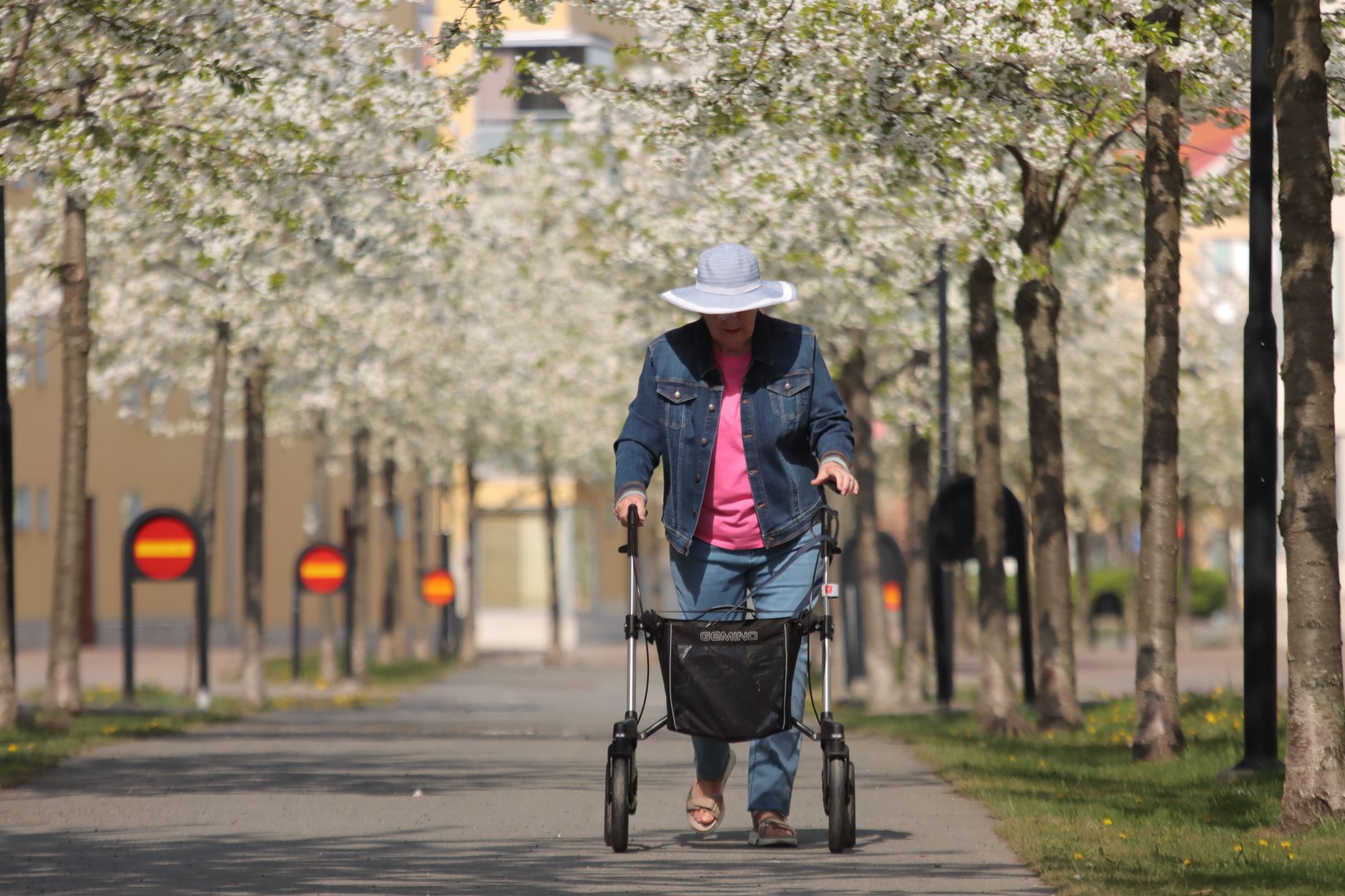
One of the most appealing aspects of this exercise is its accessibility. Individuals of all fitness levels, ages, and abilities can participate. Whether you are an experienced athlete or a beginner looking to improve your fitness, this method can be tailored to meet your needs. The low-impact nature makes it particularly suitable for those with joint issues or mobility concerns. The poles help to distribute weight more evenly, reducing stress on the knees and other joints.

Photo by Raul Ling on Pexels
Older adults can especially benefit from this approach, as it promotes muscle engagement while minimizing stress on the joints. Research indicates that older adults who engage in regular physical activity can improve their mobility and reduce the risk of chronic diseases. Furthermore, this activity can be done in groups, providing a social aspect that can enhance motivation and enjoyment. A study in the “Journal of Aging and Physical Activity” found that older adults who engaged in Nordic walking reported better overall health and social interactions.
Individuals with Health Conditions
Those with specific health conditions, such as arthritis or cardiovascular issues, may also find this method beneficial. It is essential, however, to consult with a healthcare provider before starting any new exercise regimen. According to the Healthline, many healthcare professionals recommend this form of exercise for its ability to provide a comprehensive workout without excessive strain. For individuals with arthritis, the use of poles can reduce stress on the joints while still providing a solid workout.
Additionally, individuals recovering from injuries may find that this method helps them regain strength and mobility. The gentle nature of the exercise allows for gradual progression, which is crucial for safe recovery. This adaptability is one of the reasons why it has gained popularity among rehabilitation programs and physical therapy practices. Many physical therapists incorporate this method into their rehabilitation protocols due to its effectiveness in improving physical function without the risk of exacerbating injuries.
Getting Started with Nordic Walking
Embarking on your Nordic walking journey requires minimal preparation, making it an appealing choice for many. Start by acquiring the necessary equipment, including poles that suit your height and walking style. Once you have your gear, consider joining a local class or workshop. Many communities offer group sessions that provide instruction and support, making it easier to learn the proper technique. Additionally, many fitness centers and recreation departments are beginning to offer classes specifically focused on Nordic walking.

Photo by Yaroslav Shuraev on Pexels
As you begin, start with shorter sessions, gradually increasing your duration as your fitness improves. Aim for at least 30 minutes of activity, several times a week. This frequency aligns with recommendations from health organizations, which advise adults to engage in regular physical activity for optimal health benefits. Setting specific goals, such as participating in a local Nordic walking event or challenge, can provide additional motivation and structure to your training.
Finding a Community
Connecting with a community can enhance your experience and motivation. Look for local clubs or groups that focus on Nordic walking. Many areas have dedicated organizations that provide classes, group walks, and social events centered around this activity. Engaging with others not only makes the experience more enjoyable but also fosters accountability and support. Websites like Meetup or local community centers can help you find groups in your area.
Online resources can also be beneficial. Various websites and social media platforms offer tips, instructional videos, and forums where you can connect with other practitioners. Whether you choose to walk alone or with others, the key is to stay consistent and enjoy the journey. Participating in online challenges or sharing your progress on social media can create a sense of community and inspire you to continue your practice.
Potential Risks and Considerations
While Nordic walking offers numerous benefits, it is essential to be aware of potential risks. Proper technique is crucial to avoid strain or injury. Beginners should take time to learn the correct form, as improper use of poles can lead to muscular imbalances or joint discomfort. Consulting with a trained instructor can help ensure you are using the correct techniques from the start. Many local fitness centers offer introductory classes specifically designed for beginners.
Additionally, be mindful of your surroundings when walking outdoors. Uneven terrain, weather conditions, and traffic can pose risks. It is advisable to choose safe walking paths and consider the time of day when planning your walks. Wearing appropriate clothing and footwear will enhance your comfort and safety as you engage in this invigorating exercise. It’s also important to stay hydrated, especially during longer walks, as proper hydration can significantly impact your performance and recovery.
Consulting with Healthcare Professionals
If you have pre-existing health conditions or concerns, consulting with a healthcare professional is always a wise approach before starting any new exercise regimen. They can provide guidance tailored to your individual needs and help you create a safe and effective plan. This step is particularly important for individuals with chronic diseases or those recovering from injuries. A healthcare provider can also recommend modifications to the Nordic walking technique to accommodate any restrictions you may have.
Ultimately, the key to enjoying this activity lies in listening to your body. If you experience pain or discomfort, it is important to reassess your technique or consult with a professional. By taking a mindful approach, you can enjoy all the benefits that this form of exercise has to offer. Keeping a journal of your progress can also help you track how your body responds to the activity, allowing for adjustments as needed.
Frequently Asked Questions
Q: How does Nordic walking compare to regular walking in terms of calorie burn?
A: Nordic walking can burn significantly more calories than regular walking due to the involvement of both the upper and lower body. Studies suggest that individuals can burn up to 46% more calories when using poles compared to walking without them. This makes it an effective choice for those looking to enhance their weight management efforts. The increase in caloric burn is also attributed to the added effort required to engage the upper body muscles, which contributes to a higher overall metabolic rate during exercise and even after the workout is completed.
Q: What are the best poles for Nordic walking?
A: The best poles for this activity are typically lightweight and adjustable, made from materials like aluminum or carbon fiber. Look for poles that are about the same height as your armpit when standing. Features such as comfortable grips and shock absorbers can also enhance your experience. Investing in quality equipment will improve your performance and enjoyment. It’s also beneficial to try out different poles before committing to a purchase, as personal comfort and preferences can vary significantly.
Q: Can beginners participate in Nordic walking?
A: Absolutely! This method is suitable for individuals of all fitness levels, including beginners. It is a low-impact exercise that can be adapted to various abilities. Starting with shorter sessions and gradually increasing duration is advisable. Joining a class or workshop can also provide the guidance needed for newcomers. Many instructors focus on teaching proper technique and gradually introduce participants to more challenging aspects of the workout, ensuring a supportive and encouraging environment.
Q: Is Nordic walking safe for older adults?
A: Yes, this activity is particularly beneficial for older adults. The low-impact nature minimizes stress on joints while promoting muscle engagement and cardiovascular health. Many older adults find that it enhances their mobility and reduces the risk of falls. Consulting with a healthcare provider is always recommended before beginning any new exercise routine. Additionally, many community centers offer classes specifically for older adults, ensuring that the exercises are safe and appropriate for their fitness level.
Q: Can Nordic walking help with mental health?
A: Yes, engaging in this exercise can significantly benefit mental well-being. The combination of physical activity and connection with nature can reduce symptoms of anxiety and depression. The endorphins released during exercise contribute to improved mood, making it a holistic approach to mental health. Furthermore, the social aspect of group walking can foster a sense of community, which is beneficial for mental well-being, providing social support and reducing feelings of isolation. Many individuals report feeling more connected and motivated when participating in this activity with others.
Q: How often should I practice Nordic walking for optimal benefits?
A: To experience the full range of benefits, aim for at least 30 minutes of Nordic walking several times a week. This frequency aligns with health guidelines that recommend regular physical activity for optimal health. Gradually increasing the duration and intensity of your sessions can help improve your fitness over time. Setting personal goals, such as aiming for a specific number of steps or distance, can also enhance your commitment to the practice and provide a sense of accomplishment.
Conclusion
Nordic walking is a versatile and effective exercise that engages multiple muscle groups while offering a low-impact alternative to traditional walking. The numerous benefits, including improved cardiovascular health, increased muscle strength, and enhanced mental well-being, make it a worthwhile addition to any fitness routine. With its origins in athletic training, this method has evolved into a health-focused activity accessible to people of all ages and fitness levels.
By learning the proper techniques, investing in quality equipment, and connecting with a supportive community, individuals can maximize their enjoyment and results. As with any exercise program, being mindful of your body and consulting with healthcare professionals as needed ensures a safe and effective experience. Ultimately, the key to success in this invigorating activity lies in consistency and enjoyment, paving the way for a healthier and more active lifestyle. Embrace this approach and discover the transformative impact it can have on your physical and mental well-being.
In conclusion, Nordic walking is not just a fitness trend; it represents a holistic approach to health that encompasses physical, mental, and social well-being. As you embark on this journey, remember that every step you take contributes to a healthier you. Whether you are walking alone or with a group, the benefits of this engaging activity can lead to lasting improvements in your overall quality of life. Consider integrating Nordic walking into your weekly routine and experience the myriad of benefits it has to offer. Start today, and you may find that you’ve uncovered a new passion for fitness that keeps you motivated and excited about your health journey.
Other of articles:
The information provided is for reference only. Please consult a professional physician if you experience any discomfort.