Chronic inflammation has been linked to a multitude of health issues, including heart disease, diabetes, and various types of cancer. An anti-inflammatory diet offers a promising approach to reducing inflammation and promoting overall health. This dietary pattern emphasizes the inclusion of whole, nutrient-dense foods while limiting processed items that can contribute to inflammation. In this article, we present a comprehensive 7-day plan that beginners can easily follow. Each day includes meal suggestions that are both delicious and fulfilling, targeting inflammation reduction effectively. Let’s dive into the components of this plan and explore how to follow it seamlessly.

Photo by Engin Akyurt on Pexels
Understanding Inflammation and Its Impact on Health
Inflammation is a natural response of the body’s immune system to protect against injury or infection. Acute inflammation, such as what happens during a sprained ankle or an infection, is a protective mechanism that helps the body heal. However, chronic inflammation is when this response lingers beyond a typical recovery period and can lead to various health complications. It can stem from various sources, including poor diet, lack of physical activity, and stress.
Research indicates that chronic inflammation is linked to conditions such as arthritis, heart disease, and even neurodegenerative disorders like Alzheimer’s disease. According to a study published in the Journal of Immunology, it suggests that reducing inflammatory markers can significantly improve health outcomes and enhance longevity. Studies have shown that populations consuming diets high in anti-inflammatory foods experience lower levels of chronic diseases.
Understanding the causes and effects of inflammation is crucial to mitigating its impact on your wellness. By implementing a balanced nutritional strategy focused on anti-inflammatory foods, you can support your body’s natural healing processes and improve your overall quality of life.
Key Elements of Inflammation
Inflammation can result from various factors. Diet plays a crucial role, as foods high in sugar, trans fats, and refined carbohydrates can spike inflammatory markers. On the other hand, foods rich in antioxidants, healthy fats, and fiber can help lower inflammation. Certain lifestyles and environmental factors can exacerbate inflammation. Environmental pollutants, smoking, and even prolonged exposure to stress can cause chronic inflammation.
In addition, the microbiome in your gut is increasingly recognized as a critical player in regulating inflammation. A healthy gut microbiome is associated with reduced inflammation, while dysbiosis can lead to an increased inflammatory response. Therefore, nurturing your gut through diet and probiotics can be a significant beneficial strategy.
Additionally, chronic psychological stressors have been identified as contributors to inflammation. Stress management techniques—such as mindfulness, meditation, and yoga—can effectively counteract inflammation. Therefore, addressing multiple lifestyle aspects in addition to diet is vital for optimal results.
Basic Principles of an Anti-Inflammatory Diet
Adopting a new dietary approach can feel overwhelming, but understanding the fundamental principles can ease the transition. An anti-inflammatory diet prioritizes the consumption of whole, minimally processed foods while avoiding those known to promote inflammation. Here are essential components to consider:
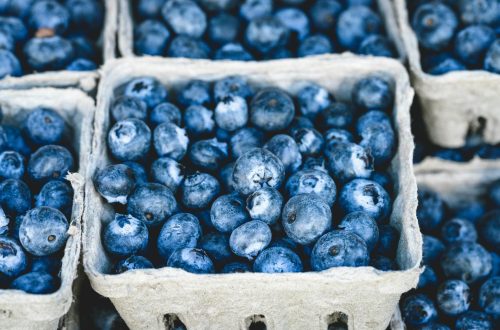
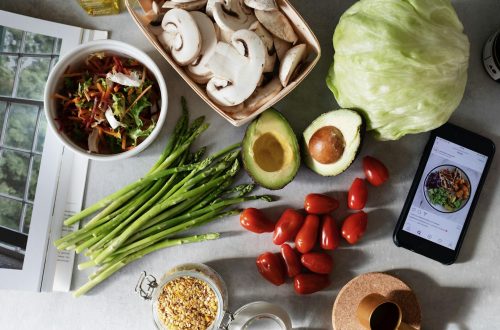
1. **Fruits and Vegetables**: These foods are rich in antioxidants and phytochemicals, which help combat oxidative stress and inflammation. Aim for a variety of colors to maximize nutrient intake. Dark leafy greens like kale and spinach, along with colorful berries, are particularly beneficial.
2. **Healthy Fats**: Olive oil, nuts, seeds, and fatty fish, such as salmon and mackerel, provide omega-3 fatty acids, which are known for their anti-inflammatory properties. Studies show a strong link between omega-3 fish oil intake and reduced inflammation levels. Try to incorporate these foods at least a few times a week.
3. **Whole Grains**: Switch refined grains for whole grains like whole wheat, brown rice, and quinoa. This dietary pattern supports a healthy gut microbiome and mitigates inflammatory responses. Whole grains are also connected with improved heart health, reducing cholesterol and other cardiovascular risk factors.
4. **Legumes**: Beans and lentils are excellent plant-based protein sources that also offer fiber and antioxidants. They can be a filling addition to your meals that promotes digestive health. They are also low-cost options that can enhance the nutritional value of your diet.
5. **Plant-Based Proteins**: Consider incorporating more plant-based sources of protein like tofu, tempeh, or seitan, as these typically lead to lower inflammation than animal proteins. Research has shown that reducing animal protein intake and increasing plant proteins can lead to decreased inflammatory responses.
6. **Spices and Herbs**: Spices like turmeric, ginger, and cinnamon are not only flavorful but also boast anti-inflammatory properties. Turmeric, specifically, contains curcumin, which has been shown to have significant health benefits. Including these spices regularly can enhance the flavor of food and boost health benefits substantially.
7. **Avoiding Inflammatory Foods**: It is essential to limit the intake of processed foods, excess sugar, trans fats, and refined carbohydrates. These can contribute to inflammation and negatively impact overall health. Reading labels and being aware of hidden sugars in products can help steer clear of inflammation-inducing items.
Transitioning to an Anti-Inflammatory Diet
Changing your eating habits may take time, but gradual shifts towards healthier options can lead to lasting changes. Start by replacing one meal a day with a nutritious, anti-inflammatory choice. Consider preparing simple recipes to start with that allow you to easily swap in these healthier options. For instance, replace your morning cereal with oatmeal topped with fresh fruit and nuts.
Engaging in meal prep can save time and ensure you stick to your regimen. Consider batch cooking grains and legumes or prepping vegetables in advance. This will allow you to create quick meals with minimal effort throughout the week. Set aside a couple of hours on the weekend for meal preparation, making lunches and dinners easier to manage during busy weekdays.
Experiment with new recipes that incorporate anti-inflammatory foods. Many delicious recipes utilize these ingredients, enabling you to experience diverse flavors. Online platforms also offer a wealth of resources with recipes explicitly tailored to anti-inflammatory diets. Keep an eye out for seasonal produce to keep meals fresh and aligned with the best nutritional options available.
A Detailed 7-Day Anti-Inflammatory Meal Plan

Photo by Nataliya Vaitkevich on Pexels
Below is a structured meal plan that can guide you through the week. Each day includes breakfast, lunch, dinner, and snacks designed to be supportive of reduced inflammation. Feel free to tweak the plan to incorporate seasonal produce or personal preferences.
Day 1: Embracing Freshness
Start your week by incorporating vibrant meals full of nutrients. Begin with a breakfast of overnight oats topped with fresh berries and walnuts. Oats are an excellent source of complex carbohydrates, while berries and nuts provide essential antioxidants and omega-3s. For lunch, enjoy a quinoa salad featuring spinach, cherry tomatoes, and avocado drizzled with lemon juice and olive oil. A healthy afternoon snack could be sliced cucumbers and hummus—a delicious dip packed with protein and fiber. End your day with a dinner of grilled salmon served with steamed broccoli and sweet potatoes, which are high in vitamins A and C.
Day 2: Colorful Diversity
On the second day, focus on adding more colors to your plate. Breakfast can consist of a smoothie made with spinach, banana, and almond milk. You could also add flaxseeds for an additional source of omega-3 fatty acids. A chickpea salad with bell peppers, parsley, and olive oil dressing will make a satisfying lunch. Snack on a handful of almonds, which are a great source of healthy fats and protein. Finish with a stir-fry made with tofu, mixed vegetables, and brown rice for dinner. The variety of colors in your meals ensures a broad spectrum of antioxidants.
Day 3: Whole Foods Galore
For your mid-week meals, integrate whole foods into your diet. Begin with a breakfast of Greek yogurt topped with chia seeds and sliced kiwi, providing protein and healthy fats. For lunch, opt for a lentil soup rich with vegetables. Your snack can consist of an apple with almond butter, combining fiber and healthy fats. Dinner can include grilled chicken breast with a side of sautéed kale and quinoa. This meal is packed with nutrients and offers a robust balance of macronutrients and micronutrients.
Day 4: Flavorful Combinations
Continue exploring flavors with a breakfast of whole grain toast topped with smashed avocado and poached egg, providing healthy fats and protein to start your day. For lunch, enjoy a large bowl of mixed greens with walnuts, feta cheese, and a vinaigrette dressing, ensuring an abundance of vitamins and healthy fats. Move on to carrot sticks and guacamole for an afternoon snack, which provides additional fiber and healthy fats. End your day with a hearty vegetable curry served with brown rice, which can offer anti-inflammatory benefits through its spices, particularly turmeric and ginger.
Day 5: Rich and Satisfying
This day can be centered around rich, satisfying meals. Begin with a breakfast of oatmeal sprinkled with cinnamon and topped with sliced bananas, promoting healthy digestion and blood sugar control. For lunch, prepare a Mediterranean chickpea salad featuring olives, cucumbers, red onions, and a drizzle of olive oil, providing excellent flavor and nutrition. Snack on a mix of dried fruits and nuts, which are energy-dense yet nutrient-rich. Dinner can be a lovely grilled shrimp and vegetable skewer served over barley, giving you healthy protein and complex carbohydrates.
Day 6: Emphasis on Plant-Based
Focus on plant-based options for the weekend. Start with a smoothie bowl filled with berries, spinach, and topped with granola. For lunch, indulge in a nutritious veggie wrap filled with hummus, cucumbers, shredded carrots, and leafy greens. After, enjoy celery sticks and peanut butter as a mid-afternoon snack, providing healthy fats and protein. Conclude the day with a hearty bean chili loaded with bell peppers, onions, and spices like cumin. This dish is not only filling but also highly nutritious, giving you a robust amount of fiber and vitamins.
Day 7: Reflective Closure
As you conclude your week, consider a nourishing breakfast of chia pudding topped with berries and nuts, which is high in fiber and healthy omega-3 fats. A large salad made with kale, quinoa, and roasted sweet potato will make a great lunch—try adding a handful of pumpkin seeds for crunch and added nutrients. For a snack, enjoy a refreshing herbal tea and a handful of walnuts for additional healthy fats. For dinner, try baked cod accompanied by asparagus and a side of brown rice. This meal rounds out your week with lean protein and nutrient-dense vegetables.
Navigating Potential Challenges

Photo by Gustavo Fring on Pexels
Embarking on a new dietary approach can indeed present challenges. You may encounter cravings for foods you typically indulge in or need help finding time to prepare meals, especially if you are accustomed to convenience-based eating. One effective strategy is to plan your meals ahead of time to minimize the temptation of fast food or processed snacks. Utilize online resources and cookbooks dedicated to anti-inflammatory cooking to streamline the process and make nutritious meals appealing.
Engaging in meal prep can save time and ensure you stick to your regimen. Consider batch cooking grains and legumes or prepping vegetables in advance. This will allow you to create quick meals with minimal effort throughout the week. Setting aside a specific time during the weekend to prepare meals in advance can facilitate a smoother week, avoiding potential stressors.
Additionally, seek supportive communities or forums to connect with others who are also embracing this dietary pattern. Social media platforms often have groups that share recipes and tips, providing motivation and fostering accountability. Sharing experiences can lead to a fantastic support network, making the transition smoother and more enjoyable. Finding an accountability buddy or joining cooking classes online can enhance your experience.
Home Remedies to Complement Your Diet
Look beyond diet alone to promote anti-inflammatory benefits. Incorporating specific home remedies can play a role in this lifestyle change. For instance, consider drinking herbal teas like ginger or turmeric tea, known for their anti-inflammatory properties. Adding spices to meals, such as black pepper with turmeric, can enhance bioavailability and effectiveness. Furthermore, maintaining hydration with adequate water intake supports overall bodily functions, which can also aid in reducing inflammation levels.
Frequently Asked Questions
What are the benefits of an anti-inflammatory diet?
The primary benefits of adopting an anti-inflammatory eating pattern include reducing chronic inflammation, improving overall health, lowering the risk of chronic diseases, and enhancing energy levels. By focusing on whole foods and eliminating inflammatory foods, individuals often experience weight loss, improved digestion, and better mood stability. This approach also encourages a wide variety of nutrient intake, significantly bolstering the immune system. Some research suggests that individuals adhering to such a diet may show improvements in cardiovascular health markers and a decrease in systemic inflammation. By consistently following this regimen, one can foster a long-term healthy lifestyle.
How do I know if I have an inflammation issue?
Signs of chronic inflammation can sometimes be subtle, making it crucial to recognize symptoms. Common indications include fatigue, joint pain, muscle stiffness, digestive issues like bloating, and skin problems, such as eczema or psoriasis. If you’re concerned about chronic inflammation, it’s wise to consult with a healthcare professional for personalized assessments. Blood tests can provide insights into markers associated with inflammation, offering a clearer understanding of your current health state. Some healthcare practitioners may also recommend checking for specific conditions linked to inflammation, emphasizing preventive care and intervention strategies.
Can I still eat my favorite foods on this plan?
While transitioning to this nutritional method, it is crucial to modify your favorite foods rather than eliminate them entirely. One practical approach is to prepare healthier versions of your favorite dishes using anti-inflammatory ingredients. For example, if you enjoy pasta, consider whole grain or legume-based pasta paired with a rich tomato sauce loaded with herbs like basil and oregano. By incorporating more wholesome ingredients while enjoying your meals, you can satisfy cravings without detracting from the anti-inflammatory focus. Balance is key; it’s not about restriction but about creating a healthier relationship with food that allows for variety and enjoyment.
Is exercise necessary alongside this dietary approach?
Yes, physical activity plays a significant role in managing inflammation. Regular exercise can enhance the body’s ability to regulate inflammatory responses while also improving overall health. Engaging in light to moderate exercise, such as walking, swimming, or yoga, can help control body weight, reduce stress, and promote circulation—all of which are beneficial for reducing inflammation levels. Studies indicate that a consistent exercise routine, alongside a healthy diet, greatly amplifies the benefits of managing inflammation and can lead to improved mood and energy levels. The World Health Organization recommends at least 150 minutes of moderate aerobic activity per week to support health and well-being.
How quickly can I see results from an anti-inflammatory diet?
Results vary depending on individual circumstances and adherence to the plan. Many individuals report improvements in symptoms like joint pain, energy levels, and overall wellness within a few weeks of adopting this dietary approach. Enhanced digestion and reduced bloating are also commonly reported early benefits. Additionally, improvements in mood and mental clarity can manifest relatively quickly, adding to a more positive outlook. It is essential to be patient and consistent, however; significant changes in inflammatory markers or chronic disease risk may take several months of commitment to this renewed lifestyle for true progress to manifest.
Conclusion
In summary, an anti-inflammatory diet offers numerous health benefits, making it a viable option for those seeking to reduce inflammation and improve overall well-being. By following this 7-day plan, even beginners can easily integrate wholesome, nutrient-rich foods into their dietary habits. Remember that the transition doesn’t have to be immediate or all-encompassing; aim for gradual adjustments that feel sustainable for you.
As you embrace this nutritional strategy, focus on nourishing your body with whole foods and being mindful of your choices. Balancing the regimen with regular physical activity, hydration, and stress management will significantly enhance your results. Allow yourself occasional treats while primarily focusing on maintaining a healthy lifestyle. Committing to making informed dietary choices ultimately leads to benefiting your physical health and mental clarity, contributing to overall happiness.
Your journey within this dietary framework will be unique, so personalize it to suit your preferences, incorporating food that excites you and keeps you motivated. Lean on supportive communities and resources available to assist during the transition, and remember the long-term goals of health and vitality. You will be well on your way to a healthier, more vibrant life, filled with energy and resilience against the challenges of inflammation!
Other of articles:
The information provided is for reference only. Please consult a professional physician if you experience any discomfort.