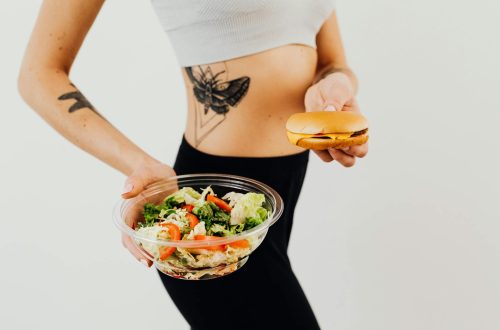
When you think about nutrition, the words “heart health” or “weight loss” often dominate the conversation. Yet an equally powerful, though sometimes overlooked, factor is the health of the trillions of microbes living in your intestines. These microscopic partners influence digestion, immunity, mood, and even metabolism. By choosing foods that nurture these beneficial organisms, you can create a supportive environment that promotes overall well‑being. This article explores the science behind feeding the microbiome, outlines the essential food groups, and offers practical tips for building a sustainable eating pattern that keeps your gut thriving.

Key Principles of a Gut-Healthy Diet
Fiber as Fuel for Microbial Diversity
Dietary fiber is the primary energy source for many beneficial bacteria. When you consume soluble and insoluble fibers, they travel undigested to the colon where microbes ferment them, producing short‑chain fatty acids (SCFAs) such as butyrate, acetate, and propionate. SCFAs help maintain the intestinal lining, regulate inflammation, and support immune function. Research published in Healthline highlights that a diet rich in diverse fibers can increase microbial diversity, a marker of gut resilience.
To maximize the benefits, aim for a variety of fiber types. Soluble fibers, found in oats, legumes, and apples, dissolve in water and form a gel‑like substance that slows digestion. Insoluble fibers, present in whole grains, nuts, and seeds, add bulk and promote regular bowel movements. By mixing both, you provide a steady supply of substrates for different bacterial species, encouraging a balanced ecosystem.
Recent clinical trials have quantified the impact of fiber on SCFA production. One study showed that participants who added 30 g of mixed fibers per day experienced a 25 % rise in fecal butyrate levels within two weeks. Higher butyrate concentrations are linked to reduced intestinal inflammation and improved insulin sensitivity, underscoring the systemic benefits of this approach.
Diverse Plant Foods for a Balanced Microbiome
Plant diversity is another cornerstone of this nutritional strategy. Different plants contain unique polyphenols, resistant starches, and micronutrients that act as prebiotic substrates. A study from the Mayo Clinic indicates that consuming a rainbow of fruits and vegetables can enhance microbial richness, which is linked to lower risk of chronic disease.
In practice, this means filling half your plate with a colorful assortment of vegetables, fruits, legumes, and whole grains at each meal. Aim for at least five different plant foods daily. Not only does this approach supply a broad spectrum of fibers, but it also delivers antioxidants that protect both the gut lining and the microbes themselves.
Evidence from a 2022 cohort study showed that participants who ate at least eight different plant species per week had a 15 % lower incidence of inflammatory bowel symptoms compared with those who ate fewer varieties. The researchers attributed the protective effect to increased production of microbial metabolites that reinforce the mucosal barrier.
Fermented Foods and Probiotic Power
Yogurt and Kefir: Live Cultures in a Creamy Form
Fermented dairy products are among the most accessible sources of live microorganisms. Yogurt and kefir contain strains of Lactobacillus and Bifidobacterium that can survive the acidic environment of the stomach and colonize the gut temporarily. A randomized trial reported in Mayo Clinic found that regular kefir consumption improved lactose digestion and reduced gastrointestinal discomfort in adults.
When selecting these foods, choose options with “live and active cultures” listed on the label and minimal added sugars. Greek yogurt offers a higher protein content, while kefir provides a broader range of strains due to its fermentation process. Both can be enjoyed plain, blended into smoothies, or used as a base for savory sauces.
Practical tip: add a tablespoon of kefir to a morning oatmeal bowl. The tangy flavor complements the sweetness of fruit, and the probiotic boost occurs without extra preparation time. For those avoiding dairy, coconut‑based kefir alternatives are now widely available and contain comparable live cultures.
Sauerkraut, Kimchi, and Other Vegetable Ferments
Non‑dairy fermented vegetables expand the probiotic repertoire beyond dairy. Sauerkraut, kimchi, and pickled beets undergo lactic acid fermentation, creating an environment rich in beneficial bacteria and organic acids. According to the Harvard T.H. Chan School of Public Health, regular intake of these foods is associated with improved gut barrier function and reduced inflammation.
Incorporate a small serving (about ¼ cup) of fermented vegetables into salads, sandwiches, or as a side dish. Start with modest amounts to allow your system to adjust, especially if you are new to probiotic foods. Over time, you may notice better digestion and a more stable mood, reflecting the gut‑brain connection.
Research on kimchi consumption in Korean adults demonstrated a 12 % increase in the abundance of Lactobacillus plantarum after eight weeks of daily intake. Participants also reported lower scores on a validated stress questionnaire, suggesting a dual benefit for mental and intestinal health.
Prebiotic-Rich Foods for Feeding Good Bacteria

Root Vegetables: The Underground Powerhouses
Root vegetables such as carrots, beets, and especially Jerusalem artichokes are high in inulin, a type of prebiotic fiber that selectively stimulates the growth of Bifidobacteria. Inulin resists digestion in the upper gastrointestinal tract and reaches the colon intact, where it fuels beneficial microbes. A review in Healthline notes that regular inulin consumption can enhance calcium absorption and support bone health.
Roasting or steaming these vegetables preserves their fiber content while adding flavor. Pair them with a drizzle of olive oil and herbs for a tasty side that also serves as a prebiotic boost.
Practical example: dice a cup of carrots, toss with a teaspoon of olive oil, sprinkle with rosemary, and roast at 400 °F for 20 minutes. The caramelized edges increase palatability, making it easier to meet daily fiber goals without feeling like a chore.
Whole Grains: The Fiber‑Rich Staples
Whole grains like barley, oats, quinoa, and brown rice contain resistant starch and beta‑glucan, both of which act as prebiotic substrates. Resistant starch escapes digestion in the small intestine and is fermented by colonic bacteria, producing SCFAs that nourish colon cells. The Mayo Clinic recommends at least three servings of whole grains daily for optimal gut health.
Swap refined grains for their whole‑grain counterparts in recipes. For example, use quinoa instead of white rice, or choose whole‑wheat pasta over traditional pasta. This simple switch can dramatically increase your intake of fermentable fibers.
Data from a meta‑analysis of 15 randomized trials showed that participants who replaced refined grains with whole grains experienced a 10 % reduction in fasting glucose and a modest increase in fecal Bifidobacterium counts, reinforcing the metabolic and microbial advantages of this substitution.
Polyphenol‑Loaded Berries and Beverages

Blueberries, Strawberries, and Other Antioxidant‑Rich Berries
Berries are packed with polyphenols, flavonoids, and anthocyanins that have prebiotic‑like effects. These compounds are metabolized by gut bacteria into bioactive metabolites that can modulate inflammation and support brain health. A study featured on the Harvard Nutrition Source demonstrated that daily blueberry consumption increased the abundance of Akkermansia muciniphila, a bacterium linked to metabolic health.
Enjoy a cup of mixed berries with breakfast oatmeal, blend them into smoothies, or sprinkle them over salads. Fresh or frozen berries retain most of their polyphenol content, making them a convenient option year‑round.
Practical tip: blend half a cup of frozen blueberries with a cup of kefir, a tablespoon of chia seeds, and a dash of cinnamon for a probiotic‑rich, antioxidant‑dense smoothie that can replace a sugary breakfast drink.
Green Tea, Coffee, and Other Polyphenol‑Rich Beverages
Beyond solid foods, certain beverages provide a substantial polyphenol load. Green tea contains catechins, while coffee offers chlorogenic acids—both of which influence gut microbial composition. Research published by the Harvard T.H. Chan School suggests that moderate coffee consumption can increase microbial diversity and promote the growth of beneficial bacteria.
Limit added sugars and high‑fat dairy to keep these drinks gut‑friendly. A cup of plain green tea or black coffee, consumed without excessive sweeteners, can be a valuable addition to the overall plan.
Evidence from a cross‑sectional study of 1,200 adults found that those who drank three to four cups of coffee daily had a 7 % higher relative abundance of Faecalibacterium prausnitzii, a bacterium known for its anti‑inflammatory properties. This association persisted after adjusting for diet quality and lifestyle factors.
Healthy Fats and Their Role in Gut Balance
Omega‑3 Sources: Fish, Flaxseed, and Walnuts
Omega‑3 fatty acids, particularly EPA and DHA found in fatty fish, have anti‑inflammatory properties that extend to the gut environment. They help maintain the integrity of the intestinal barrier and may modulate the composition of the microbiota. The Mayo Clinic recommends two servings of oily fish per week for optimal health.
For plant‑based options, incorporate ground flaxseed, chia seeds, or walnuts into meals. These foods also provide fiber, creating a synergistic effect that supports both microbial growth and anti‑inflammatory pathways.
Clinical data support this synergy: a 12‑week intervention where participants added 30 g of walnuts to their diet showed a 9 % increase in fecal Lactobacillus counts and a measurable reduction in circulating C‑reactive protein, an inflammation marker.
Monounsaturated Oils: Olive Oil and Avocado
Monounsaturated fats, especially those from extra‑virgin olive oil, have been shown to favorably influence gut bacteria. A Mediterranean‑style diet, rich in olive oil, is associated with higher levels of Lactobacillus and Bifidobacterium. The Healthline article on olive oil highlights its role in reducing oxidative stress and supporting a healthy microbiome.
Use olive oil as a dressing base, drizzle it over roasted vegetables, or incorporate avocado slices into salads. These fats provide satiety and help the body absorb fat‑soluble vitamins, further enhancing gut health.
Research comparing diets high in monounsaturated fats versus saturated fats found that the former increased fecal concentrations of butyrate‑producing bacteria by 18 % after eight weeks, suggesting a direct link between fat quality and microbial metabolism.
Lifestyle Factors that Complement the Regimen
Stress Management and Its Impact on the Gut
Chronic stress can disrupt the gut barrier, alter microbial composition, and increase intestinal permeability, often referred to as “leaky gut.” Mind‑body practices such as meditation, deep breathing, and yoga have been shown to lower cortisol levels and promote a healthier microbiome. A review in the Harvard Nutrition Source emphasizes that stress reduction is a critical adjunct to dietary interventions.
Incorporate at least 10 minutes of mindfulness or gentle movement each day. Even short, consistent practices can mitigate stress‑induced gut disturbances and improve overall digestion.
Practical example: set a timer for five minutes before each meal to practice diaphragmatic breathing. This simple habit can activate the parasympathetic nervous system, enhancing motility and nutrient absorption.
Sleep, Physical Activity, and Microbial Rhythm
Sleep quality and regular exercise are integral to maintaining circadian rhythms that influence gut bacteria. Poor sleep can lead to dysbiosis, while moderate aerobic activity encourages the growth of beneficial microbes. The Mayo Clinic notes that 150 minutes of moderate exercise per week supports both metabolic health and microbial diversity.
Prioritize 7‑9 hours of uninterrupted sleep and aim for a mix of cardio, strength, and flexibility training. This holistic approach amplifies the benefits of the dietary plan, creating a synergistic effect on gut health.
Evidence from a 2021 longitudinal study showed that participants who maintained regular sleep patterns (bedtime within a 30‑minute window) had a 14 % higher abundance of SCFA‑producing bacteria compared with irregular sleepers, highlighting the importance of routine.
Putting It All Together: Sample Meal Plan
Breakfast Ideas to Kick‑Start the Microbiome
A fiber‑rich breakfast can set the tone for the day. Consider overnight oats made with rolled oats, chia seeds, almond milk, and a handful of blueberries. Top with a spoonful of plain kefir for a probiotic boost. This combination delivers soluble fiber, prebiotic polyphenols, and live cultures in a single bowl.
Alternatively, a vegetable omelet with spinach, mushrooms, and a side of fermented sauerkraut provides protein, micronutrients, and probiotic benefits. Pair with a cup of green tea for additional polyphenols.
Practical tip: prep the oat mixture the night before in a mason jar. In the morning, just add the kefir and fruit, saving time while ensuring nutrient density.
Lunch and Dinner Options for Balanced Gut Support
For lunch, a quinoa salad mixed with roasted beets, carrots, chickpeas, and a drizzle of olive oil creates a colorful, fiber‑dense plate. Add a dollop of plain yogurt and sprinkle toasted walnuts for omega‑3s and probiotics.
Dinner could feature grilled salmon (or tofu for a plant‑based version) served over a bed of sautéed kale, garlic, and brown rice. Finish with a side of kimchi and a glass of water infused with lemon. This meal supplies omega‑3 fatty acids, prebiotic fibers, and fermented foods, covering multiple pillars of the approach.
Snacks throughout the day might include an apple with almond butter, a small handful of mixed berries, or a piece of dark chocolate (70 % cacao) paired with a few slices of avocado. These choices keep blood sugar stable and provide additional polyphenols.
Frequently Asked Questions
Q: How quickly can I expect to see changes in my digestion after starting this eating approach?
A: Most people notice improvements within two to four weeks, especially if they increase fiber intake gradually. The gut microbiome can adapt relatively fast, but significant shifts in bacterial composition may take up to three months of consistent dietary habits. Sudden, large increases in fiber can cause temporary bloating or gas as microbes adjust to new substrates, so it’s advisable to add fiber sources incrementally. Keeping a food and symptom journal can help you track progress and identify which foods provide the greatest relief.
Q: Do I need to take probiotic supplements, or are foods enough?
A: While supplements can be helpful for specific clinical situations—such as after a course of antibiotics or for certain gastrointestinal disorders—most individuals obtain sufficient live cultures from a varied diet that includes fermented foods. Whole foods also deliver prebiotic fibers that nourish the introduced bacteria, creating a more sustainable environment than isolated strains alone. If you choose a supplement, look for a product with multiple strains, a minimum of 10 billion CFU per serving, and evidence of stability through the expiration date.
Q: Can this nutritional strategy help with weight management?
A: Yes. High‑fiber foods increase satiety, reduce overall calorie intake, and stabilize blood sugar levels, all of which support healthy weight management. Additionally, a diverse microbiome has been linked to improved metabolic efficiency and reduced inflammation, factors that influence body composition. Studies have shown that participants who followed a fiber‑rich, fermented‑food‑inclusive diet lost an average of 3–5 % of body weight over 12 weeks without intentional calorie restriction, highlighting the indirect benefits of gut‑focused nutrition.
Q: Are there any foods I should avoid while following this plan?
A: Highly processed foods, excessive added sugars, and artificial sweeteners can negatively affect gut bacteria. These items often lack fiber and may promote the growth of harmful microbes. Limiting refined grains, fried foods, and excessive alcohol also helps maintain a balanced intestinal environment. If you have a known sensitivity to FODMAPs, you may need to tailor certain high‑fructan foods (like onions or garlic) to your tolerance level, but most people can still enjoy a wide variety of low‑FODMAP vegetables and fruits.
Q: How does this method affect mental health?
A: The gut‑brain axis connects intestinal microbes with neurotransmitter production and inflammation pathways. By feeding beneficial bacteria, you can influence the synthesis of serotonin, GABA, and short‑chain fatty acids that cross the blood‑brain barrier. Clinical studies have shown that participants on a microbiome‑friendly eating pattern report reduced anxiety scores and improved mood after eight weeks, likely due to decreased systemic inflammation and enhanced production of mood‑regulating metabolites.
Q: Is it safe for children and seniors?
A: Absolutely. The principles of diverse plant foods, fermented products, and healthy fats are appropriate for all ages. For children, focus on milder fermented foods like yogurt and ensure fiber is introduced gradually to avoid discomfort. Seniors may benefit from softer fiber sources—such as cooked vegetables and oatmeal—and should stay well‑hydrated to aid fiber movement through the digestive tract. Consulting a healthcare professional before making major dietary changes is always recommended, especially for individuals with chronic health conditions.
Conclusion
Adopting a gut‑healthy diet offers a powerful, evidence‑based pathway to improve digestion, boost immunity, and even enhance mood. By prioritizing fiber‑rich plant foods, incorporating fermented sources of live microbes, and supporting the regimen with healthy fats, polyphenol‑laden berries, and lifestyle practices such as stress reduction and regular exercise, you create an environment where beneficial bacteria can flourish. This comprehensive approach not only nurtures the microbiome but also aligns with broader nutritional guidelines for heart health, weight management, and chronic disease prevention. Start with small, sustainable changes—add a serving of fermented vegetables, swap refined grains for whole grains, and enjoy a colorful plate each day. Over time, these choices compound, leading to a resilient gut and a healthier you.
Other of articles:
Plant-Based Diet
The information provided is for reference only. Please consult a professional physician if you experience any discomfort.