In an increasingly fast-paced world, mental health has become a significant concern for many individuals. Anxiety disorders, in particular, affect millions globally, often leading to a diminished quality of life. However, various coping mechanisms can help, one of the most effective being journaling. This simple yet powerful practice allows individuals to articulate their thoughts and emotions, leading to greater mental clarity and emotional relief. In this article, we will explore how journaling can specifically improve mental health by reducing anxiety, the science behind it, various journaling techniques, and practical tips for integrating this practice into your daily routine.

Journaling for Mental Health Anxiety: Science-Backed Tips
Photo by Kevin Malik on Pexels
Anxiety Framework: Understanding Its Profound Impact on Mental Health
Anxiety is a natural response to stress, characterized by feelings of worry, nervousness, or fear about future events. While it’s normal to experience anxiety in certain situations, chronic anxiety can lead to debilitating disorders that affect everyday life. According to the National Institute of Mental Health, anxiety disorders are among the most common mental health conditions in the United States, affecting 31.1% of adults at some point in their lives. This prevalence underscores the urgent need for effective coping strategies.
Chronic anxiety can manifest in various ways, including panic attacks, social anxiety, and generalized anxiety disorder. These conditions can hinder a person’s ability to function effectively in work, relationships, and daily activities. The impact of anxiety on mental health is profound, often leading to co-occurring conditions such as depression, substance abuse, and various physical health issues. A report by the Mental Health Foundation emphasizes that anxiety can lead to a cycle of avoidance, causing individuals to withdraw from activities and situations that provoke anxiety, ultimately exacerbating their condition.
Recognizing the symptoms of anxiety is crucial for seeking appropriate help. Common symptoms include restlessness, fatigue, irritability, difficulty concentrating, and sleep disturbances. These symptoms not only affect mental well-being but can also manifest physically, leading to headaches, muscle tension, and gastrointestinal issues. Understanding these symptoms is the first step toward finding effective coping strategies, such as journaling, to alleviate anxiety and enhance overall mental health. Moreover, acknowledging anxiety as a common human experience can foster a sense of connection and reduce feelings of isolation among those affected.
Neurological Mechanism: Expressive Writing for Emotional Regulation
Journaling has garnered attention in psychological research as a beneficial tool for managing mental health, particularly in reducing anxiety. Studies suggest that writing about thoughts and feelings can lead to emotional release and cognitive restructuring. Expressive writing, a form of journaling, allows individuals to process traumatic experiences or ongoing stressors, which can lead to decreased anxiety levels. A study published in the journal *Health Psychology* found that expressive writing can help individuals make sense of their emotions, leading to a reduction in distress.
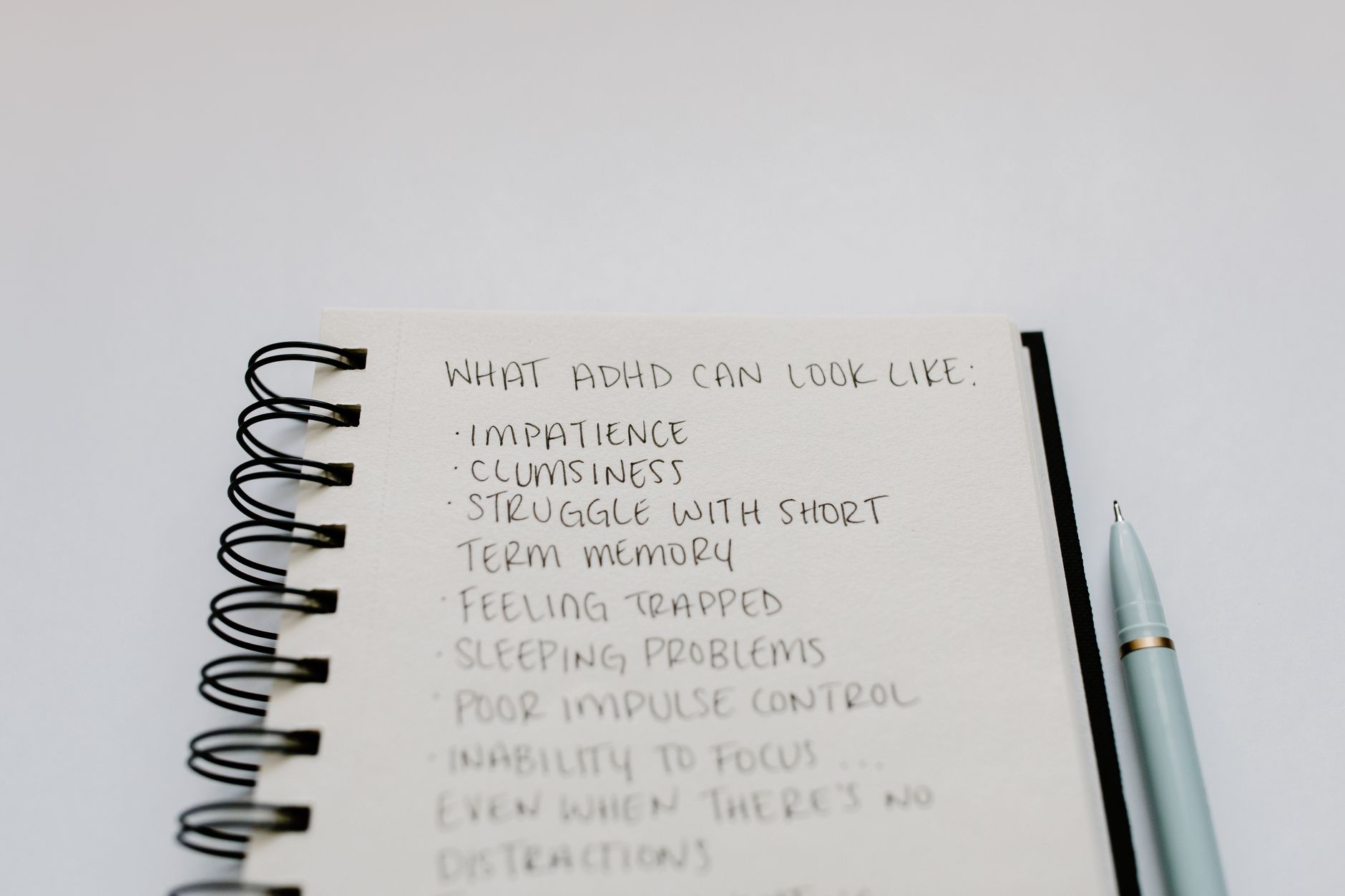
Photo by Tara Winstead on Pexels
Research conducted by Psychology Today has shown that expressive writing can improve psychological well-being. When individuals write about their emotions, they often gain new insights into their feelings and reactions. This reflective practice can help in re-evaluating situations that cause anxiety, making them feel less overwhelming. A meta-analysis published in *Psychological Bulletin* found that expressive writing interventions were associated with significant reductions in psychological distress and anxiety.
Furthermore, a study published in the journal *Psychological Science* found that individuals who engaged in expressive writing reported lower levels of anxiety and depressive symptoms compared to those who did not write about their experiences. This finding highlights the therapeutic benefits of journaling, suggesting that it can serve as a valuable coping mechanism for managing anxiety and improving mental health. The act of putting pen to paper allows for a tangible expression of thoughts, which can be particularly relieving for those battling internal turmoil. The neurobiological mechanisms behind this phenomenon suggest that expressive writing can lead to changes in brain function associated with emotional regulation and stress response, further supporting its efficacy as an anxiety-reducing strategy.
Practical Toolkit: Different Journaling Techniques for Mental Health

Photo by PNW Production on Pexels
There are various journaling techniques that can cater to individual preferences and needs. Each method offers unique benefits in reducing anxiety and promoting mental well-being. Below are several effective techniques you can consider adopting:
1. Free Writing
Free writing is an unstructured form of journaling where you write continuously for a predetermined period without worrying about grammar, punctuation, or content. This technique encourages self-expression and can help release pent-up emotions. By allowing thoughts to flow freely onto the page, individuals often uncover hidden feelings and insights, which can be particularly beneficial for anxiety relief.
To practice free writing, set aside 10-15 minutes in a quiet space. Begin writing whatever comes to mind, and try not to self-edit. This technique can be especially liberating as it removes the pressure to produce coherent sentences, allowing for a deeper exploration of your thoughts. Many find that this unfiltered process leads to unexpected realizations about their emotions and triggers, providing a clearer path to understanding their anxiety.
2. Gratitude Journaling
Gratitude journaling involves writing down things you are thankful for each day. This practice shifts focus from negative thoughts and anxiety-inducing experiences to positive aspects of life. By regularly acknowledging what brings joy and gratitude, individuals can cultivate a more optimistic mindset. Research indicates that practicing gratitude can significantly improve mental health by enhancing mood and reducing symptoms of anxiety and depression.
To start, you can set aside a few minutes each day to list three to five things you are grateful for, reflecting on why these elements are meaningful to you. Some individuals enhance their gratitude practice by elaborating on how these positive experiences made them feel, reinforcing the connection between gratitude and well-being. This technique not only helps mitigate anxiety but also fosters resilience, making it easier to navigate challenging situations.
3. Prompt-Based Journaling
Using prompts can provide structure and direction to your journaling practice. Prompts can range from open-ended questions to specific scenarios that encourage self-reflection. For instance, questions like “What made me anxious today?” or “What coping strategies helped me today?” can facilitate deeper exploration of feelings and thoughts. This method can be particularly helpful when individuals feel stuck or unsure about what to write.
There are many resources available online that offer daily or weekly prompts. By engaging with these prompts, you may discover patterns in your thoughts and behaviors that contribute to anxiety, allowing for more targeted coping strategies. Some find it helpful to revisit previous entries to track their progress and observe how their responses to anxiety evolve over time. This reflective practice not only promotes emotional clarity but also empowers individuals to take actionable steps toward managing their anxiety.
4. Bullet Journaling
Bullet journaling combines traditional journaling with organizational tools. This technique can help reduce anxiety by providing a clear structure for daily tasks, goals, and reflections. By tracking your emotions, habits, or triggers in a bullet journal, you can better understand your mental health patterns and how they relate to anxiety.
Creating a bullet journal involves designing pages that suit your personal style. You can incorporate daily logs, mood trackers, and even creative elements like doodles or stickers. This method not only serves as a therapeutic outlet but also enhances productivity and organization, reducing feelings of overwhelm. Some individuals create specific sections to focus on anxiety triggers, coping strategies, or even motivational quotes that inspire them. This personalized approach makes bullet journaling not just a practical tool, but also a creative expression of one’s journey toward mental well-being.
Practical Tips for Maintaining a Journaling Habit

Photo by MART PRODUCTION on Pexels
While journaling can be beneficial for mental health, establishing a consistent practice can be challenging. Here are some practical tips to help maintain a journaling habit:
1. Set Aside Dedicated Time
Creating a specific time for journaling can help make it a regular part of your routine. Whether it’s first thing in the morning, during lunch, or before bed, consistency is key. Choose a time when you feel most relaxed and can focus on your thoughts without distractions. This commitment to a designated time can enhance the likelihood of maintaining your journaling practice.
2. Create a Comfortable Environment
Your journaling space should be inviting and conducive to reflection. Find a quiet spot where you can sit comfortably with minimal interruptions. Consider adding personal touches like candles, plants, or soft lighting to make the space feel calming and inspiring. The environment can significantly impact your willingness to engage in journaling, so creating a pleasant atmosphere can enhance the overall experience.
3. Use the Right Tools
Having the right journaling tools can enhance your experience. Choose a notebook that you enjoy writing in and a pen that feels comfortable. Some people prefer digital journaling apps, which can offer added features like reminders and prompts. Ultimately, select tools that resonate with you and make the process enjoyable. Experimenting with different mediums, such as colored pens or stickers, can also add a fun element to your journaling practice.
4. Be Kind to Yourself
Journaling is a personal journey, and there is no right or wrong way to do it. Be patient and compassionate with yourself as you engage in this practice. If you miss a day or feel stuck, acknowledge those feelings without judgment and allow yourself to return to journaling when you are ready. It’s essential to remember that the goal of journaling is not perfection but rather self-exploration and emotional processing.
Clinical Synergy: Integrating Cognitive Behavioral Therapy Journaling Exercises
In addition to individual practice, journaling can also complement therapeutic approaches. Many therapists encourage clients to incorporate journaling into their treatment plans as a tool for self-exploration and emotional processing. Journaling in therapy can help clients articulate their feelings, track progress, and identify patterns in their thoughts and behaviors. This integration of journaling into therapy can enhance the therapeutic experience and provide clients with tools to cope with anxiety outside of session hours.
Furthermore, expressive writing exercises are often used in cognitive-behavioral therapy (CBT) to help clients challenge negative thought patterns and develop healthier coping strategies. By writing about their experiences and emotions, clients can gain clarity and insight, making it easier to discuss these topics during therapy sessions. Therapists may assign specific journaling tasks to help clients confront anxiety triggers or to document their feelings over time, allowing for a more structured approach to emotional exploration.
Group therapy settings may also utilize journaling as a way for participants to share their thoughts and feelings in a supportive environment. This communal aspect can foster connection and validation, making the journaling process even more impactful for individuals struggling with anxiety. Sharing journal entries within a group can promote empathy and understanding, enhancing the therapeutic benefits of both journaling and group support.
Frequently Asked Questions
Q: How often should I journal to see benefits for my mental health?
A: The frequency of journaling can vary based on individual needs and preferences. Some people find that daily journaling provides the most benefits, while others may feel comfortable journaling a few times a week. The key is to establish a routine that works for you and allows you to reflect on your thoughts and emotions regularly. Consistency is more important than frequency; even occasional journaling can still yield positive outcomes for mental health. Consider setting a goal for yourself, such as journaling three times a week, and gradually increase this frequency as you become more comfortable with the practice. Ultimately, finding a balance that fits your lifestyle will lead to sustainable benefits.
Q: Can journaling replace professional therapy for anxiety?
A: Journaling can be a valuable tool for managing anxiety, but it should not be viewed as a replacement for professional therapy. While writing can help you process emotions and gain insights, it may not address underlying issues that a trained mental health professional can assist with. Combining journaling with therapy can enhance overall effectiveness, as both approaches can complement each other in promoting mental health and well-being. If you are experiencing severe anxiety or other mental health challenges, it’s crucial to seek help from a qualified therapist who can provide personalized support and guidance. Journaling can serve as an adjunct to therapy, helping you reinforce the skills and strategies learned in your sessions.
Q: What if I feel uncomfortable writing about my feelings?
A: It’s completely normal to feel uncomfortable when writing about your emotions, especially if you’re not used to expressing them. Start by writing about less intense experiences or even everyday occurrences. Gradually, as you become more comfortable with the process, you can delve deeper into your feelings. Remember that journaling is a personal practice, and there is no right or wrong way to do it.
Allow yourself to explore your thoughts without judgment. You might consider starting with gratitude lists or writing about positive experiences, which can help ease you into deeper emotional exploration. The important thing is to create a safe space for yourself where you can express whatever comes to mind, without the pressure to share it with anyone else.
Q: Are there specific prompts that can help with anxiety?
A: Yes, specific prompts can help facilitate the journaling process and encourage reflection on anxiety-related topics. For example, you might consider prompts like: “What triggers my anxiety?” “How do I cope with anxiety when it arises?” or “What positive affirmations can I write to counter negative thoughts?” Using these prompts can provide direction and help you explore your feelings more deeply. Additionally, you can create prompts that are tailored to your experiences, such as reflecting on a recent anxiety-provoking situation and how you managed it. Regularly revisiting these prompts can help you track your progress and identify effective coping strategies, making journaling a powerful tool in your anxiety management toolkit.
Q: Can I use journaling for other mental health issues besides anxiety?
A: Absolutely! Journaling is a versatile tool that can benefit individuals dealing with various mental health issues, including depression, stress, and trauma. The practice of writing about thoughts and feelings can facilitate emotional processing and self-discovery, making it helpful for a wide range of mental health challenges. Tailor your journaling approach to address specific issues you may be facing. For instance, if you’re dealing with depression, you might focus on identifying negative thought patterns and countering them with positive affirmations. If you’re coping with trauma, expressive writing about your experiences can be an effective way to process those feelings. Journaling can adapt to whatever emotional landscape you are navigating, making it a highly personalized and effective tool for mental health.
Conclusion
Journaling offers a powerful avenue for individuals seeking to improve their mental health and reduce anxiety. By engaging in this simple yet impactful practice, you can gain insights into your thoughts and emotions, leading to greater self-awareness and emotional relief. The science supporting the benefits of journaling is robust, with numerous studies highlighting its positive impact on mental well-being.
Integrating journaling into your daily routine can be a transformative experience. Whether you choose free writing, gratitude journaling, or prompt-based techniques, the key is to find a style that resonates with you. By creating a supportive environment and maintaining a consistent practice, you can harness the therapeutic power of journaling to manage anxiety effectively. It can serve as a safe space for self-exploration, allowing you to articulate feelings and thoughts that may otherwise remain unexpressed.
As you embark on your journaling journey, remember to be kind to yourself and allow the process to unfold naturally. With time and patience, you may find that writing becomes a valuable ally in enhancing your mental health and overall quality of life. Consider journaling as a lifelong tool that can adapt to your evolving needs and experiences. As you continue to explore your thoughts and feelings through writing, you may find not only relief from anxiety but also a deeper understanding of yourself and your emotional landscape. Embrace the journey of self-discovery through journaling, and you may uncover insights that lead to a more peaceful and fulfilling life.
Other of articles:
Therapy vs Medication Mental Health
Sleep Mental Health Connection
Gratitude Science Mental Health
Cognitive Behavioral Therapy Efficacy
The information provided is for reference only. Please consult a professional physician if you experience any discomfort.