


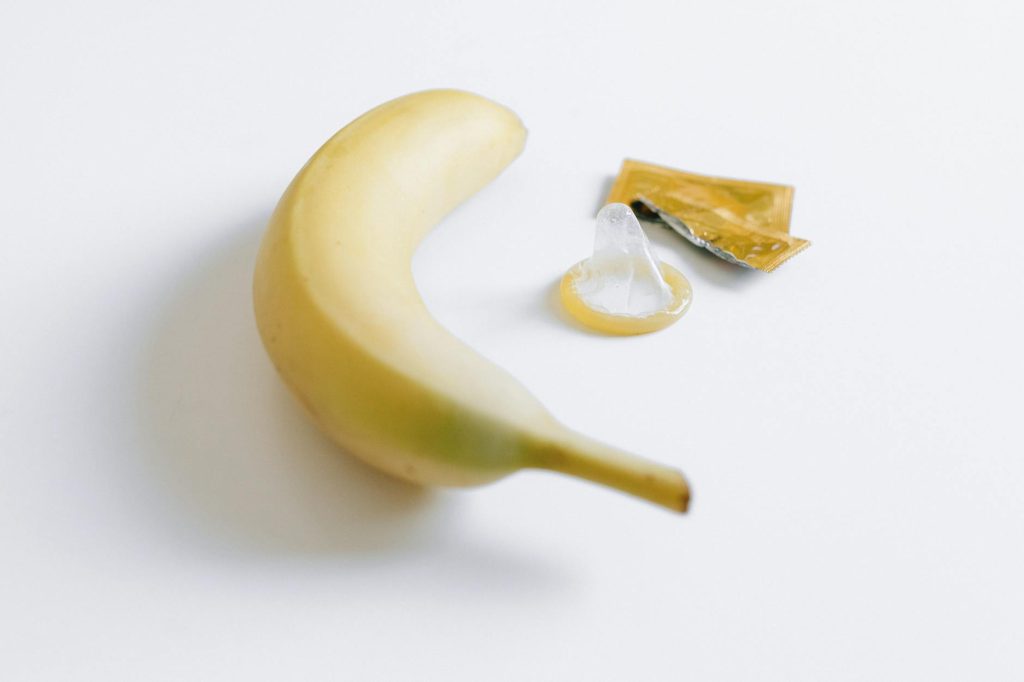
In today’s world, the choice of birth control is an important aspect of women’s health and reproductive rights. Hormonal birth control methods play a crucial role in providing effective contraception and managing various health conditions. These options include pills, patches, injections, and more, each with unique benefits and potential risks. Understanding the full scope of these methods is essential for making informed decisions about reproductive health. This article will explore the various hormonal birth control methods, their benefits, risks, and how to find the right one for you.

Photo by Nataliya Vaitkevich on Pexels
Understanding Methods: Estrogen and Progestin Functions
Hormonal birth control refers to contraceptive methods that use hormones to prevent pregnancy. The primary hormones involved are estrogen and progestin, which work together to regulate the menstrual cycle and suppress ovulation. By mimicking the natural hormonal fluctuations in a woman’s body, these methods can effectively prevent pregnancy while also providing additional health benefits.
There are various forms of hormonal contraception available, each designed to suit different lifestyles and preferences. The most common methods include oral contraceptive pills, hormonal IUDs, patches, injections, and implants. Understanding how each method works is vital for assessing its suitability for individual needs.
Estrogen and progestin have distinct roles in hormonal contraceptives. Estrogen primarily helps to regulate the menstrual cycle and prevent ovulation, while progestin thickens cervical mucus to block sperm from reaching the egg. Some contraceptives contain only progestin, making them suitable for women who may not tolerate estrogen.
The effectiveness of these methods can vary based on how consistently and correctly they are used. For instance, the pill must be taken daily at the same time, while an IUD can provide long-term protection for several years. When choosing a method, it’s important to consider personal lifestyle, health history, and preferences.
Research indicates that hormonal contraceptives not only prevent pregnancy but can also reduce the risk of ovarian cysts, regulate heavy menstrual bleeding, and alleviate symptoms of PMS. According to the CDC, hormonal methods are among the most effective forms of contraception available, with an effectiveness rate exceeding 99% for those who use them correctly.
Types of Hormonal Birth Control Methods
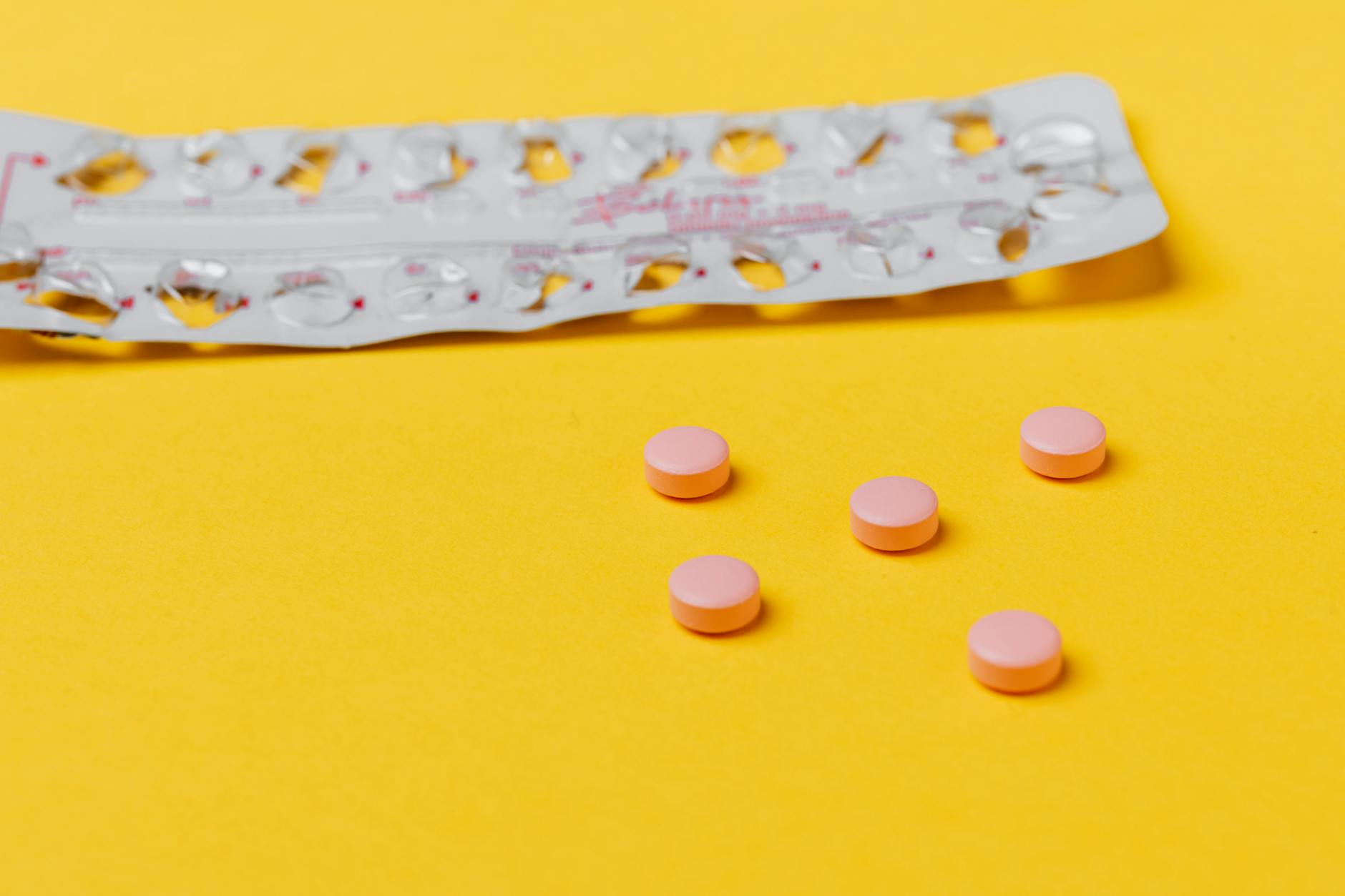
Photo by www.kaboompics.com on Pexels
Oral Contraceptive Pills: Benefits and Daily Regulation
Oral contraceptive pills, commonly known as “the pill,” are one of the most widely used hormonal birth control methods. They come in two forms: combination pills, which contain both estrogen and progestin, and progestin-only pills. Combination pills are typically taken for 21 days, followed by a week of placebo pills, while progestin-only pills must be taken continuously without a break.
The effectiveness of oral contraceptive pills can exceed 99% with perfect use, but typical use may reduce effectiveness due to missed doses. One of the significant advantages of the pill is that it can also help regulate menstrual cycles, reduce menstrual cramps, and manage conditions like polycystic ovary syndrome (PCOS) and endometriosis.
Moreover, studies have suggested that hormonal contraceptive pills may reduce the risk of certain types of cancer, such as ovarian and endometrial cancer. According to a meta-analysis published in the journal “Cancer Epidemiology, Biomarkers & Prevention,” women who use the pill for several years can significantly lower their lifetime risk of developing these cancers.
However, there are potential side effects, including mood changes, nausea, headaches, and an increased risk of blood clots, particularly in women over 35 who smoke. It is essential to consult a healthcare provider to determine if the pill is the right choice for you, especially if you have any pre-existing health conditions. Additionally, understanding how to manage side effects can enhance the overall experience; for example, taking the pill with food can help alleviate nausea.
Hormonal IUDs: Long-Acting Reversible Contraception (LARC)
Hormonal intrauterine devices (IUDs) are small, T-shaped devices inserted into the uterus by a healthcare provider. They release a low dose of progestin over an extended period, typically 3 to 7 years, depending on the type. Hormonal IUDs are over 99% effective in preventing pregnancy and are a convenient option for women who prefer a long-term method without daily maintenance.
In addition to preventing pregnancy, hormonal IUDs can reduce menstrual bleeding and cramping. Many women report lighter periods or even amenorrhea after prolonged use. According to a study published in the “American Journal of Obstetrics and Gynecology,” women using hormonal IUDs experienced a significant reduction in menstrual blood loss, with many reporting that their periods became lighter or stopped altogether.
However, side effects may include irregular bleeding, particularly in the first few months, and potential discomfort during insertion. It is also worth noting that after the recommended period, the IUD can be easily removed, and fertility typically returns quickly. This is particularly appealing for women who may want to conceive in the future. It is crucial to discuss this method with a healthcare provider to understand if it aligns with your health needs and lifestyle.
Medical Benefits: Birth Control for PCOS and Endometriosis
Hormonal birth control methods offer numerous benefits beyond pregnancy prevention. Many women choose these options to address specific health concerns and improve their overall quality of life. Understanding these advantages can help in making an informed choice.

Photo by Ivan S on Pexels
One of the most significant benefits is the regulation of menstrual cycles. For women with irregular periods, hormonal contraceptives can help establish a more predictable cycle. This can be particularly beneficial for those who experience heavy or painful periods, as hormonal methods often lighten flow and reduce discomfort. According to a study published in the “Journal of Women’s Health,” women using hormonal contraceptives reported a significant decrease in menstrual pain and improved quality of life.
Moreover, hormonal birth control can alleviate symptoms of premenstrual syndrome (PMS) and conditions such as endometriosis and PCOS. Doctors often prescribe hormonal contraceptives to manage these conditions effectively, helping to improve overall well-being. For instance, a systematic review in “The Cochrane Database of Systematic Reviews” found that hormonal contraceptives significantly reduced PMS symptoms in many women.
Additionally, some methods of hormonal contraception can reduce the risk of certain cancers. For instance, studies have shown that long-term use of the pill is associated with a decreased risk of ovarian and endometrial cancers. This protective effect is thought to result from the hormonal regulation that prevents ovulation and the associated cellular changes in the ovaries. The World Health Organization acknowledges these benefits in their guidelines for contraceptive use.
Convenience is another crucial benefit. Many hormonal methods require minimal upkeep once initiated, such as the IUD or implant. This can significantly reduce the burden of daily decision-making regarding contraception, allowing women to focus on other aspects of their lives. Furthermore, many women appreciate the ability to plan their families and manage their reproductive health proactively.
Potential Risks: Side Effects of Hormonal Birth Control
While hormonal birth control methods offer numerous benefits, they are not without potential risks and side effects. Understanding these can help women make informed choices regarding their reproductive health. Common side effects include mood changes, nausea, and weight fluctuations, which can vary from person to person.

Photo by Hugo Polo on Pexels
Serious risks, although rare, include blood clots, stroke, and heart attack, particularly in women who smoke or have other risk factors. According to the Centers for Disease Control and Prevention, the risk of these complications increases with age and certain pre-existing health conditions. Women over 35, especially those who smoke, should be particularly cautious when considering methods that contain estrogen.
It is essential for women to discuss their health history with a healthcare provider to determine the best contraceptive method. For instance, women with a history of migraines may be advised against combination pills due to an increased risk of stroke. Furthermore, those with a family history of breast cancer might explore progestin-only options or non-hormonal methods.
Another consideration is the potential for hormonal contraceptives to affect mental health. Some studies suggest a possible link between hormonal birth control and mood disorders, including depression and anxiety. A review published in the “Journal of Affective Disorders” highlighted that while some women may experience mood improvements with hormonal contraception, others may experience increased symptoms of depression. However, the relationship is complex and not fully understood, necessitating further research.
How to Choose the Right Hormonal Birth Control Method
Choosing the right hormonal birth control method can be a personal and sometimes challenging decision. It involves considering various factors such as lifestyle, health history, and individual preferences. Consulting with a healthcare provider is crucial in this process, as they can provide tailored advice based on personal health needs.
Start by evaluating your lifestyle and how each method fits into it. For example, if you prefer a ‘set it and forget it’ approach, long-acting methods like IUDs or implants may be suitable. On the other hand, if you prefer a method that allows for more control, daily pills may be more appealing. It can also be helpful to create a list of pros and cons for each method to visualize your options better.
Health history is another critical factor. Women with certain medical conditions or risk factors should consider methods that minimize potential complications. A thorough discussion with a healthcare provider can help identify which options are safest and most effective. For instance, women with a history of blood clots may be advised to avoid estrogen-containing methods.
Consider the potential side effects of each method. Some women may experience significant side effects with one type of contraceptive but not with another. Keeping an open line of communication with a healthcare provider can help address any issues that arise after starting a new method, allowing for adjustments as needed. Additionally, tracking your symptoms and menstrual cycle can provide valuable insights for discussions with your provider.
Practical considerations, such as cost and accessibility, should also be taken into account. Some methods may be more expensive or less readily available, depending on your location and insurance coverage. Researching available options and discussing them with your healthcare provider can help you find the most suitable and affordable solution.
Frequently Asked Questions
Q: What are the most common hormonal birth control methods?
A: The most common hormonal birth control methods include oral contraceptive pills, hormonal IUDs, patches, injections, and implants. Each has its unique benefits and drawbacks. Oral contraceptives are widely used for their flexibility, while IUDs provide long-term protection. Patches offer a convenient alternative for those who prefer not to take a daily pill, while injections can provide three months of protection at a time. Discussing these options with a healthcare provider can help identify the best method for individual needs, taking into account factors such as lifestyle, health conditions, and personal preferences.
Q: How effective are hormonal birth control methods?
A: Hormonal birth control methods are generally very effective. For instance, combination pills can be over 99% effective with perfect use. Hormonal IUDs also boast similar effectiveness rates. However, typical use may lower effectiveness, especially if methods are not followed correctly. For example, missing a pill can significantly reduce its efficacy. It is essential to understand the specifics of each method to maximize its effectiveness. Consistent and correct use, as well as regular consultations with a healthcare provider, can help ensure that the chosen method remains effective.
Q: Can hormonal birth control help with conditions like endometriosis?
A: Yes, hormonal birth control can be an effective treatment for conditions such as endometriosis and PCOS. These methods can help regulate periods, reduce menstrual cramps, and manage hormonal imbalances. For example, hormonal contraceptives often lead to lighter periods and less painful cramps, which can significantly improve quality of life for those suffering from endometriosis. It is advisable to consult a healthcare provider for personalized treatment plans that incorporate hormonal contraception for such conditions, as they can tailor the approach to individual symptoms and health histories.
Q: What should I do if I experience side effects from hormonal birth control?
A: If you experience side effects from hormonal birth control, it is essential to communicate these to your healthcare provider. They can help determine whether the side effects are manageable or if a different method might be more suitable. Adjusting the dosage or switching to another type of contraceptive may alleviate unwanted symptoms. Keeping a symptom diary can be helpful for tracking patterns and discussing them with your provider. It’s important not to stop using hormonal birth control without consulting your healthcare provider, as this could lead to unintended pregnancy or other health issues.
Q: Is it safe to use hormonal birth control for an extended period?
A: For many women, using hormonal birth control for extended periods is considered safe. Studies have shown that long-term use can provide benefits, such as reduced risk of certain cancers and improved regulation of menstrual cycles. However, regular check-ins with a healthcare provider are important to monitor health and address any concerns. For women with specific health conditions, periodic evaluations may be necessary to ensure continued safety and effectiveness. Ultimately, the decision to use hormonal birth control long-term should be made collaboratively with a healthcare provider, taking into account personal health needs and goals.
Q: Can I switch methods of hormonal birth control easily?
A: Yes, switching between different methods of hormonal birth control is generally straightforward. However, it should be done under the guidance of a healthcare provider to ensure continued effectiveness and minimize risks. Discussing preferences and health considerations will help facilitate a smooth transition. For instance, if a woman experiences side effects with one method, she may want to try another that aligns better with her health needs and lifestyle. Additionally, understanding the timing for switching methods is crucial; some methods may require overlap to maintain effective contraception.
The Future: Innovations in Hormonal Birth Control Methods
As research in reproductive health continues to advance, the future of hormonal birth control looks promising. Ongoing studies are exploring new formulations and delivery methods that aim to enhance efficacy and reduce side effects. Innovations such as the potential for male hormonal contraceptives, improved IUD designs, and non-invasive delivery systems are being investigated.
Furthermore, public awareness of reproductive health is gradually increasing, leading to more informed discussions about birth control options. This is essential for breaking stigmas surrounding contraceptive use and empowering individuals to make informed choices about their reproductive health. Educational campaigns and increased access to healthcare providers will continue to play a vital role in helping women explore their options and find the most suitable methods for their needs.
In addition, personalized medicine may shape the future of hormonal contraceptives. As genetic research develops, it may be possible to tailor hormonal birth control methods to individual responses, enhancing efficacy and minimizing side effects. This approach could revolutionize how hormonal contraceptives are prescribed and used, leading to better outcomes for women.
Conclusion
Hormonal birth control methods provide women with effective options for preventing pregnancy while also addressing various health concerns. From oral contraceptive pills to long-acting methods like IUDs, each option has unique benefits and potential risks. Understanding these factors is essential for making an informed choice that aligns with individual health needs and lifestyle preferences.
Consulting a healthcare provider is crucial in navigating the complexities of hormonal contraception. A tailored approach that considers personal health history and lifestyle can lead to the most suitable choice. Remember, what works for one person may not work for another, and being informed is the key to successful family planning.
As women continue to advocate for their reproductive rights, awareness of options like hormonal birth control will empower them to make choices that best support their health and well-being. Whether it’s managing menstrual irregularities or effectively preventing pregnancy, understanding these methods is an essential step towards informed reproductive health.
Ultimately, hormonal birth control methods offer a range of benefits that go beyond contraception. They can significantly improve quality of life, manage health conditions, and provide women with control over their reproductive choices. By understanding the different methods available and consulting with healthcare professionals, women can find the right fit for their individual needs.
In conclusion, the significance of hormonal birth control methods in enhancing women’s health cannot be overstated. It is crucial to stay informed about the choices available and to seek professional guidance to ensure the best possible outcomes for reproductive health. The ongoing evolution of these methods, coupled with improved access to healthcare and education, will continue to play a vital role in empowering women to take charge of their reproductive health.
Other of articles:
Menstrual Cycle Health Nutrition
The information provided is for reference only. Please consult a professional physician if you experience any discomfort.