Electrolytes are crucial for maintaining optimal health and performance. These electrically charged minerals help regulate various bodily functions, including hydration, muscle contractions, and nerve signals. Even a minor imbalance can lead to significant health issues. Understanding the importance of electrolyte balance in health and knowing how to replenish them effectively is essential for everyone—from athletes to individuals with specific dietary constraints. This article will explore the key electrolytes, their functions, signs of imbalance, and best practices for replenishment.
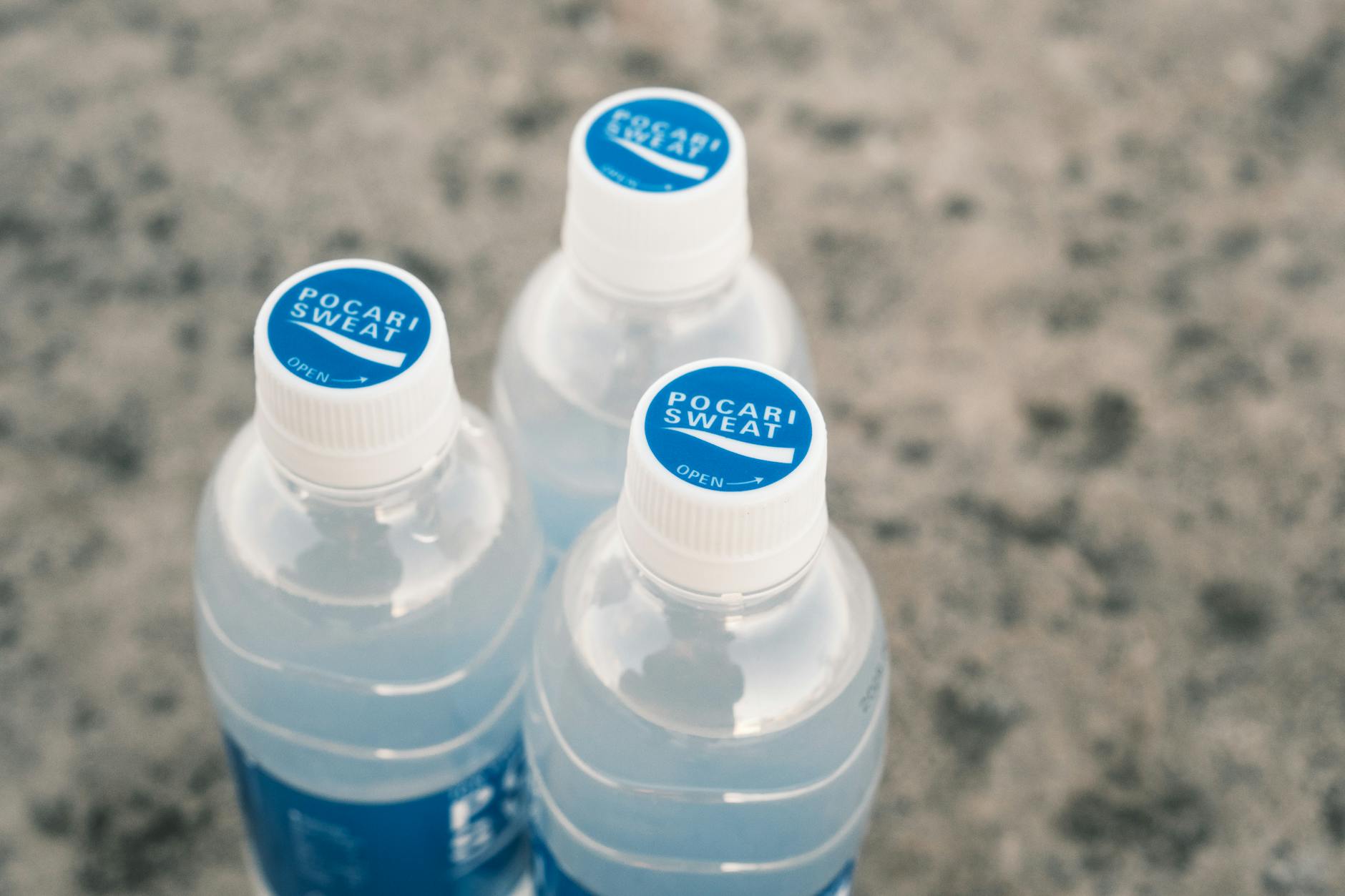
Electrolyte Balance in Health: A Complete Guide (2026)
Photo by Airam Dato-on on Pexels
Ion Science: Physiological Functions That Maintain Health
Electrolytes are minerals dissolved in body fluids that carry an electric charge. Key electrolytes include sodium, potassium, calcium, magnesium, chloride, bicarbonate, and phosphate. They are present in blood, urine, and other bodily fluids and perform essential roles in maintaining homeostasis—the body’s state of balance. Each of these minerals has distinct functions that influence various physiological processes.
Sodium is crucial for fluid balance, helping control blood pressure and blood volume. It also aids in muscle contraction and nerve transmission. Potassium plays a significant role in muscle function and nerve signaling, helping to ensure that heart muscles contract properly. Calcium is essential for bone health and muscle contractions, making it critical for overall physical functioning. Magnesium is involved in over 300 biochemical reactions in the body, including protein synthesis, energy production, and muscle contractions. Chloride assists in maintaining fluid balance and is important for the production of hydrochloric acid in the stomach, which aids digestion. Bicarbonate and phosphate are involved in buffering acids and bases, improving overall pH balance within the body.
Understanding each electrolyte’s function can provide insight into why they are vital for overall health. Electrolytes impact communication between nerves and muscles, ensuring that signals are transmitted efficiently. For instance, the contraction and relaxation of muscles depend heavily on the interplay between sodium and potassium. When there is an imbalance in these mineral levels, it can lead to muscle cramps, weakness, or more serious health complications. For individuals engaged in physical activity, failure to maintain balance can lead to decreased performance or fatigue.
Cellular Balance: The Importance of Electrolyte Balance in Health
The functionality of electrolytes hinges upon their presence in bodily fluids, where they dissociate into ions. This dissociation is what allows them to conduct electrical impulses. These processes are vital for numerous physiological functions that maintain health and wellness. For example, the sodium-potassium pump is essential for proper cellular function; this pump involves the active transport of sodium ions out of cells and potassium ions into cells, thereby maintaining the necessary gradient and ensuring cellular health.
Electrolytes are also pivotal in maintaining fluid balance. They draw water into and out of cells, which is essential for hydration. Additionally, they help regulate blood pressure; sodium, in particular, can influence water retention and overall blood volume in the circulatory system. This offers insights into why excessive sodium intake is often correlated with hypertension. The balance of electrolytes serves not only to support physical stability but also to promote optimal cellular function and recovery processes.
Another important facet of electrolyte function lies in their role in buffering the body’s acidity. The bicarbonate system is particularly crucial in preventing acidosis or alkalosis—conditions that arise from increased or decreased acidity in the body tissues. Understanding how these minerals contribute to various physiological processes emphasizes their significance in both health and active lifestyles, further highlighting the need to maintain optimal levels.
Cardiovascular Health: Natural Food Sources of These Electrolytes

Photo by cottonbro studio on Pexels
Heart health benefits greatly from a proper equilibrium of these minerals. Both potassium and sodium are cardinal in heart rhythm regulation. High sodium levels can lead to hypertension, while adequate potassium levels can help lower blood pressure by counteracting sodium’s effects. This is why a well-balanced diet that includes various natural food sources of these electrolytes supports cardiovascular health. Specifically, potassium is known to promote healthy heart function, with many studies indicating that adequate potassium intake is associated with a reduced risk of stroke and heart disease.
In addition, hydration is intrinsically linked to electrolytes. When exercising or in hot weather, the body loses water and electrolytes through sweat. This necessitates prompt replacement to prevent dehydration. Symptoms of dehydration can include fatigue, dizziness, and muscle cramps, which can significantly impair performance and overall functioning. Without proper electrolyte levels, the risk of heat-related illnesses increases, particularly during intense physical activity or during hot and humid conditions.
Nutritional Plan: Integrating Electrolyte Drinks for Active Lifestyles
There are numerous sources of electrolytes available, both through foods and supplements. Many fruits and vegetables are rich in essential minerals. For instance, bananas are well-known for their potassium content, while dairy products offer substantial calcium and some magnesium. Leafy greens, nuts, and seeds are also excellent sources of various electrolytes. Other foods like avocados and sweet potatoes are also rich in potassium, supporting the dietary needs for maintaining electrolyte levels. Ensuring a well-rounded diet rich in these foods can help maintain electrolyte levels throughout the day.
Another excellent source of electrolytes is coconut water, which provides a natural balance of potassium, sodium, and magnesium. Likewise, electrolyte-rich solutions like broth or homemade sports drinks can be beneficial for replenishing minerals lost during exercise. For individuals with dietary restrictions, supplements can provide a convenient alternative. They can help fill gaps in your diet. However, it’s essential to consult with a healthcare provider before starting any supplementation to avoid imbalances.
For individuals with higher demands, such as athletes, electrolyte drinks may be beneficial. However, it’s crucial to choose those that do not include excessive sugars or artificial additives. Monitoring any signs of deficiency or imbalance and adjusting dietary intake accordingly is fundamental in supporting overall health. Staying mindful of serving sizes and overall nutrient intake can help manage both hydration and electrolyte levels effectively, ensuring proper functioning and overall vitality.
Clinical Signs: Identifying Symptoms of Electrolyte Imbalance
Knowing the signs of electrolyte imbalance is crucial for early intervention. Symptoms can range from mild to severe and vary based on which electrolyte is off balance. Common signs include fatigue, muscle spasms, cramps, and confusion. Severe imbalances can lead to more dangerous conditions such as arrhythmia, seizures, and even coma. Individuals may also experience changes in mood or mental status, as electrolytes are essential for proper brain function.

Photo by Andrea Piacquadio on Pexels
Electrolyte imbalances may occur due to a variety of circumstances. For instance, prolonged vomiting and diarrhea can deplete potassium and sodium levels, leading to symptoms such as dizziness and low energy. Even extreme exercise without proper hydration can result in imbalances; athletes may sweat out more electrolytes than they replenish, leading to issues such as cramping and reduced performance. Understanding these risks helps prevent potential complications.
Medical Risks: Hyponatremia and Potassium Shifts to Watch For
The two most commonly discussed electrolytes in relation to imbalance are sodium and potassium. Hyponatremia occurs when sodium levels drop too low, often due to excessive fluid intake, leading to symptoms like headache, nausea, and confusion. Conversely, hypernatremia, characterized by high sodium levels, can result from dehydration, manifesting as thirst, weakness, and irritability. It’s essential to distinguish between these conditions, as the treatment approaches differ significantly.
Potassium imbalance can also be problematic. Hypokalemia, or low potassium, can occur from inadequate dietary intake or excessive sweating. Symptoms include weakness, fatigue, and muscle cramps; in severe cases, it can lead to palpitations or arrhythmias. On the other hand, hyperkalemia can arise from kidney dysfunction, which can lead to life-threatening heart arrhythmias. Individuals with chronic kidney disease are particularly susceptible and should have their potassium levels regularly monitored. It’s vital to address these imbalances promptly to prevent complications.
Recovery Guide: Electrolyte Drinks for Active Lifestyles
Replenishing electrolytes can be achieved through a combination of dietary strategies and, when necessary, supplements. The first step is assessing your dietary intake and ensuring it includes ample sources of these essential minerals. A diet rich in fruits, vegetables, dairy products, and lean meats can significantly contribute to maintaining electrolyte levels throughout the day. Additionally, balancing the timing of meals can play a role; consuming electrolyte-rich snacks post-workout can optimize recovery and replenish lost minerals.

Photo by cottonbro studio on Pexels
For individuals engaged in prolonged physical activity or those living in hot climates, electrolyte beverages can be helpful. It’s essential to choose options that are low in added sugars and high in essential electrolytes. Homemade electrolyte drinks can be an excellent alternative; a simple mixture of water, a pinch of salt, and a splash of fruit juice can provide necessary hydration and replenishment. Including a variety of natural flavorings like lemon, lime, or cucumber can enhance the appeal of these drinks while avoiding excessive sugars in premade options.
Proactive Hydration: Replenishing Lost Minerals Successfully
Replenishing electrolytes should be particularly prioritized after intense physical activity or extended periods of sweating. Electrolytes can also be lost in significant amounts due to illnesses that cause vomiting or diarrhea, making replenishment essential in recovery. Understanding your body’s needs and proactively managing electrolyte levels can foster better health outcomes. For example, consuming an electrolyte drink before and after a workout, particularly during hot weather or after prolonged exercise, can help maintain optimal levels.
Regular hydration, particularly with water enhanced by natural sources of electrolytes, is crucial. This approach not only assists in maintaining fluid balance but also ensures that essential minerals are consistently available for bodily functions. This is particularly important during seasonal changes or periods of increased physical activity when the risk of imbalance may heighten. For athletes, having electrolyte tablets or powders on hand for quick replenishment can provide a versatile option for maintaining balance during activity without relying solely on commercially available drinks.
Performance Boost: Tailoring Nutrition for Rigorous Training
Athletes face unique challenges regarding electrolyte management. The physiological demands of rigorous training and competition increase the need for these minerals. Therefore, a specific focus on both dietary and supplemental strategies becomes essential to maintain performance and prevent electrolyte imbalances. For example, endurance athletes may require higher sodium intake due to the large amounts of perspiration lost during lengthy exertions.
Most athletes can meet their electrolyte needs through a well-designed diet rich in fruits, vegetables, nuts, and seeds. Foods like watermelon, oranges, and spinach are particularly beneficial. When training or competing for longer durations, electrolyte beverages become more pertinent as they can quickly replace lost minerals. However, it’s essential to be aware of individual needs; a nuanced understanding of when to replenish can make the difference between peak performance and fatigue.
Electrolyte Strategies for Different Sports
Different sports present varying levels of electrolyte loss. For instance, a marathon runner may require more sodium replacement than someone playing soccer, which lasts a shorter duration and generally results in less sweat loss. Understanding the specific needs according to the sport and personal physiology can lead to optimal performance. Customizing hydration strategies, including supplementing with electrolyte powders, could significantly impact endurance and recovery. For example, cyclists may require different strategies than swimmers due to varying sweat rates based on the activity type and conditions.
Moreover, athletes should constantly monitor their body’s signals to discern when electrolyte levels might be impacting performance. Symptoms such as unusual fatigue, cramping during exercise, or prolonged recovery periods could indicate the need to reassess both dietary intake and hydration strategies. Keeping a log of workouts and associated nutrition, including electrolyte intake, can provide valuable insights into tailoring strategies for recovery and performance.
Clinical Safety: Routine Consultation with Healthcare Professionals
While replenishing electrolytes is generally beneficial, it’s essential to approach supplementation carefully. Over-replacement can lead to conditions such as hyperkalemia or hypernatremia, which can be dangerous. Thus, understanding the source of any imbalance and the appropriate corrective measures is critical. For example, while high-performance athletes may benefit from electrolyte supplementation, someone with normal activity levels may do well with a balanced diet alone.
It’s essential to consider individual factors such as age, gender, weight, and overall health status when making decisions about electrolyte intake. Athletes may find themselves with specific requirements based on their training regimen, but improper self-guidance without professional consultation can introduce risks. For those with medical conditions, particularly kidney issues requiring close electrolyte monitoring, a healthcare provider’s guidance should never be overlooked.
Expert Support: Seeking Clinical Guidance for Fluid Regulation
When in doubt about electrolyte balance, it’s best to consult a healthcare professional. They can provide personalized recommendations based on an individual’s specific needs, lifestyle, and health issues. Regular blood tests can help track electrolyte levels, letting you adjust your diet accordingly. This is particularly important for athletes engaging in high levels of physical activity, as it provides a clearer picture of how their diet affects their levels while ensuring optimal health and performance.
Additionally, for individuals with pre-existing health conditions, particularly those related to the liver or kidneys, maintaining electrolyte balance should involve routine consultation with healthcare professionals. This can help avoid complications from potential imbalances and ensure that dietary changes or supplementation do not exacerbate existing conditions. By partnering with dietary specialists, athletes and health-conscious individuals can personalize their approach to electrolyte management effectively.
Frequently Asked Questions
Q: What are the main electrolytes and their functions?
A: The main electrolytes include sodium, potassium, calcium, magnesium, chloride, bicarbonate, and phosphate. Sodium helps regulate fluid balance, aids in muscle contractions, and is vital for nerve function. Potassium is crucial for muscle contractions and maintaining healthy heart function, while calcium is essential for bones, muscle contractions, and nerve signaling. Magnesium plays a role in over 300 biochemical reactions, including energy production and muscle function. Each of these minerals contributes to essential processes that keep the body in balance, impacting overall health and physical performance in various ways. By understanding their distinct functions, individuals can better manage their dietary intake and ensure appropriate levels are maintained.
Q: How can I tell if I have an electrolyte imbalance?
A: Signs of an electrolyte imbalance can include fatigue, muscle cramping, confusion, irregular heartbeat, and nausea. More specific symptoms depend on which electrolyte is out of balance. For instance, low potassium might cause muscle weakness, while low sodium can lead to swelling and high blood pressure. Other symptoms could include mood changes, cognitive difficulties, and increased thirst. If you suspect an imbalance, monitoring hydration levels and dietary intake of electrolytes is essential. Additionally, consulting with a healthcare provider can ensure proper diagnostic measures are taken, including possible blood tests to confirm electrolyte levels. Early identification allows for prompt treatment and prevents complications that may arise from undiagnosed imbalances.
Q: Can I get enough electrolytes from my diet alone?
A: Yes, most individuals can maintain healthy electrolyte levels through a balanced diet rich in fruits, vegetables, nuts, and dairy products. Foods like bananas, avocados, oranges, and dark leafy greens are excellent sources. For individuals engaged in moderate activity, focusing on a diverse diet is generally sufficient to meet electrolyte needs. However, those who are highly active or suffer from excessive sweating may require additional sources, such as electrolyte drinks or supplements, to compensate for losses during exercise. The goal is to consume a variety of foods that supply these important minerals, ensuring that your body remains balanced. A proactive approach to electrolyte consumption will lead to improved overall health and performance, reinforcing the importance of nutrition in daily life.
Q: Are electrolyte drinks necessary after exercise?
A: While electrolyte drinks can be beneficial after prolonged exercise, they are not always necessary for everyone. For shorter workouts or lower intensity activities, plain water may suffice for hydration. However, during intense activities or extreme heat—especially when you experience heavy sweating—beverages containing electrolytes can help replenish lost minerals and maintain performance levels. When choosing electrolyte drinks, aim for those low in added sugars and rich in essential minerals. Homemade options using water, salt, and fruit juices can be an effective and healthy alternative. Ultimately, the necessity of electrolyte drinks depends on personal activity levels and sweat rates, making it essential to listen to your body’s needs.
Q: Is it safe to take electrolyte supplements?
A: Electrolyte supplements can be safe if taken appropriately but it is crucial to consult with a healthcare professional before starting any supplement regime. Over-replacement of electrolytes can lead to health risks like hypernatremia or hyperkalemia, particularly in individuals with underlying health issues. Additionally, not all supplements are created equal; some may contain excessive additives that could hinder their effectiveness. It’s vital to choose high-quality products and incorporate them in moderation. Understanding personal needs based on activity levels and diet can ensure safe and effective supplementation. Consulting with healthcare professionals can aid in evaluating whether supplementation is necessary and, if so, identifying the correct type and dosage to use safely.
Q: How can I prevent electrolyte imbalances?
A: Preventing electrolyte imbalances involves maintaining a balanced diet that includes foods rich in essential minerals and proper hydration. Staying aware of your body’s signals, especially during exercise, illnesses, or environmental extremes, can help manage your electrolyte balance effectively. Regularly incorporating a variety of fruits, vegetables, nuts, and dairy products ensures a steady intake of these crucial minerals. Monitoring fluid intake, especially during periods of increased sweating or illness, can prevent potential losses. Additionally, paying attention to physical symptoms indicating an imbalance can allow for prompt corrective action. Regular health check-ups and listening to your body’s needs are critical components for prevention, and can help establish a sustainable approach to optimizing your health and performance.
Conclusion
Understanding the importance of electrolytes and their balance is essential for health and optimal functioning. These charged minerals play pivotal roles in hydration, muscle function, nerve transmission, and overall well-being. Through a balanced diet rich in natural food sources of these essential minerals and an awareness of personal needs, maintaining optimal electrolyte levels is achievable for most individuals. A proactive approach to integrating sources of electrolytes into everyday nutrition can set the foundation for enhanced health outcomes.
It is also vital to remain vigilant about your body’s signals, particularly during times of increased physical activity or heat. If you suspect an imbalance, consulting a healthcare provider is essential for appropriate strategies tailored to your individual needs. By doing so, you can sustain your health and performance, ensuring that your body’s systems operate harmoniously. This proactive focus on hydration and mineral balance can contribute not only to improved physical performance but also to long-term health benefits, thereby setting the stage for a healthier and more active lifestyle. Incorporating these practices into daily routines will build a sound foundation, reinforcing the integral relationship between nutrition, exercise, and overall health.
Other of articles:
The information provided is for reference only. Please consult a professional physician if you experience any discomfort.