In recent years, collagen supplements have surged in popularity, touted as a miracle solution for improving skin elasticity, joint health, and gut function. But do these products live up to the hype? As consumers increasingly seek effective solutions for aging and discomfort, understanding the actual benefits of collagen supplementation becomes critical. This comprehensive article explores the science behind collagen supplements, the potential benefits for skin, joints, and gut health, along with insights into their efficacy and safety. By examining current research and expert opinions, we aim to provide you with a well-rounded view of this trending dietary addition. Let’s dive into the details.
Collagen Science: The Basics of Protein and Aging
Collagen is the most abundant protein in the human body, making up approximately 30% of its total protein content. It serves as a primary structural component of skin, tendons, ligaments, and bones. There are at least 16 types of collagen, but types I, II, and III are the most significant for human health. Type I is primarily found in skin and bones, type II is predominantly in cartilage, and type III is found in skin, blood vessels, and internal organs.
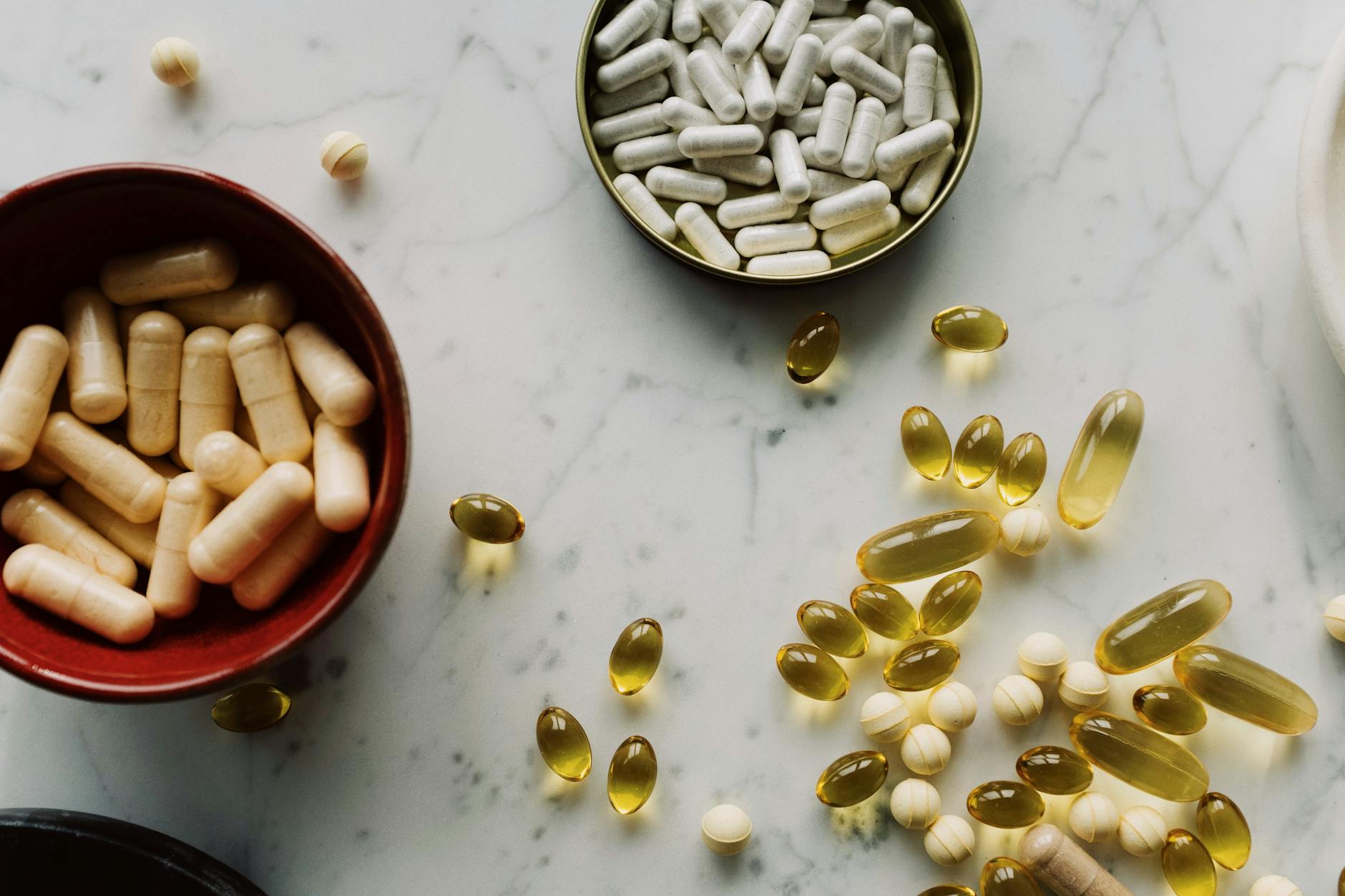
As we age, the body’s natural collagen production declines, which can result in visible signs of aging, such as wrinkles and sagging skin, as well as increased joint pain and decreased gut integrity. According to a study from the National Institutes of Health, collagen synthesis starts to decline around the age of 25, and by the age of 60, collagen levels can decrease by up to 75%. To counteract these effects, many people turn to collagen supplements, available in various forms, including powders, capsules, and drinks. These products typically contain hydrolyzed collagen, which is broken down into smaller peptides for easier absorption.
The structural role of collagen cannot be overstated. It plays several critical roles in maintaining body structure and function. It provides support and strength to the skin, contributing to its elasticity and hydration. In joints, collagen helps maintain cartilage integrity, crucial for mobility and pain-free movement. Furthermore, collagen has been shown to support gut health by maintaining the gut lining, which can be beneficial for those experiencing digestive issues.
As interest in collagen supplements grows, research has begun to explore their potential benefits more thoroughly. Some studies suggest that supplementation may improve skin hydration, reduce wrinkles, and enhance joint health. However, it is essential to look at the evidence critically to understand the true effectiveness of these products.
Skin Care: Collagen Peptides for Skin Elasticity & Hydration
One of the most popular reasons individuals take collagen supplements is to improve skin health. The skin is composed primarily of collagen, which helps maintain its structure and appearance. With age, collagen levels decline, leading to visible changes such as wrinkles, dryness, and reduced elasticity. This natural aging process can be exacerbated by environmental factors like sun exposure and pollution, resulting in further skin deterioration.

Photo by Nataliya Vaitkevich on Pexels
Several studies have investigated the impact of collagen supplementation on skin health. According to research published in the journal Skin Pharmacology and Physiology, participants who consumed collagen peptides for eight weeks experienced significant improvements in skin elasticity, hydration, and dermal collagen density. The results indicate that oral collagen supplementation can positively affect skin health by stimulating the body’s collagen production. Additionally, findings from a study published in Nutrients showed that participants experienced a 20% increase in skin hydration after taking collagen supplements for 12 weeks, demonstrating the potential for enhanced skin moisture levels.
Skin Physiology: How Peptides Stimulate Dermal Fibroblasts
Collagen supplements may enhance skin health through various mechanisms. Hydrolyzed collagen peptides can stimulate fibroblasts, the cells responsible for producing collagen in the skin. This stimulation can lead to increased collagen synthesis and improved skin structure. Additionally, some peptides may have antioxidant properties, helping to combat oxidative stress that contributes to skin aging.
Moreover, collagen supplementation may enhance the skin’s hydration levels. A study in the journal Nutrients found that participants who took collagen supplements experienced increased skin moisture levels, leading to a more youthful appearance. This effect is particularly appealing to those looking to combat dry skin, especially during colder months. Furthermore, collagen peptides may also promote the production of hyaluronic acid, a substance known for its ability to retain water and keep the skin plump and hydrated.
For practical implementation, incorporating collagen-rich foods into your diet may also complement supplementation. Bone broth, which is rich in collagen, can be an excellent addition to your meals. Furthermore, using topical products that contain collagen or collagen-boosting ingredients like retinol can provide a multi-faceted approach to skincare.
Joint Relief: Collagen Hydrolysate for Joint Pain & Mobility
The potential benefits of collagen supplementation extend beyond aesthetics; they also encompass joint health. Joint pain and mobility issues are common as people age, often stemming from the degradation of cartilage, which is primarily composed of collagen. Many individuals suffering from joint pain turn to collagen supplements as a natural remedy, particularly athletes and active individuals who may experience wear and tear on their joints.

Photo by Pavel Danilyuk on Pexels
Research supports the idea that collagen supplementation might improve joint health. A systematic review published in the journal Current Medical Research and Opinion highlighted that collagen hydrolysate could reduce joint pain in athletes and individuals with osteoarthritis. Participants reported less pain during physical activity, suggesting that collagen may play a role in alleviating discomfort. A study published in International Journal of Medical Sciences also found that collagen supplementation improved joint function and reduced symptoms of osteoarthritis in older adults, confirming its potential as a therapeutic intervention.
Cartilage Repair: Promoting Synthesis and Joint Function
Collagen supplements may help maintain cartilage integrity by providing the necessary building blocks for repair and regeneration. When ingested, collagen peptides can stimulate cartilage cells, enhancing their metabolism and promoting the synthesis of new collagen. This can be particularly beneficial for individuals engaged in high-impact activities or those suffering from chronic joint conditions. Additionally, collagen may have anti-inflammatory properties that can help reduce swelling and pain in joints.
In addition to reducing pain, collagen may improve overall joint function. A study in Applied Physiology, Nutrition, and Metabolism indicated that regular collagen supplementation led to improved joint flexibility and mobility during physical activities. This enhancement in joint function can significantly improve the quality of life for those affected by joint issues.
For athletes and active individuals, integrating collagen into their post-workout nutrition could be beneficial. Consuming collagen-rich smoothies or supplements after exercise can help support recovery and reduce the risk of injuries. Additionally, pairing collagen supplementation with vitamin C-rich foods can boost collagen synthesis, further enhancing joint health.
Gut Integrity: How to Strengthen the Gut Lining Barrier
Beyond skin and joint benefits, collagen supplements may also support gut health. The gut lining is composed of collagen, which plays a vital role in maintaining its integrity and function. A compromised gut lining can lead to conditions like leaky gut syndrome, which is associated with various digestive issues and systemic inflammation. Symptoms such as bloating, gas, and even food intolerances may arise from a weakened gut barrier.

Photo by Thirdman on Pexels
Collagen and its amino acids, particularly glycine and proline, are essential for maintaining the gut lining’s structure. Some studies suggest that collagen supplementation may help repair and strengthen the gut barrier, reducing intestinal permeability. This effect can help alleviate symptoms associated with digestive disorders. For instance, a study published in Journal of Clinical Gastroenterology found that individuals with digestive issues who took collagen peptides experienced improved gut health markers, including reduced inflammation and enhanced gut barrier function.
Digestive Health: Amino Acids and Gut Barrier Function
Research in the field of nutrition has explored how collagen supplementation might improve digestive health further. Collagen can support the production of digestive enzymes and gastric acid, which are essential for proper digestion and nutrient absorption. Increased collagen levels may also help reduce inflammation in the gut, thereby supporting overall digestive health.
For those interested in boosting gut health, combining collagen supplements with probiotics can be a powerful strategy. Probiotics help balance gut microbiota, while collagen strengthens the gut lining, creating an optimal environment for digestive function. Additionally, consuming collagen-rich foods like bone broth, along with a fiber-rich diet, can further enhance gut health.
Product Guide: Hydrolyzed Collagen vs Marine Collagen Options
When considering collagen supplements, it’s essential to understand the different types available on the market. The most common forms include hydrolyzed collagen, collagen peptides, gelatin, and undenatured collagen. Each type varies in its processing, absorption, and potential benefits. Hydrolyzed collagen, often referred to as collagen peptides, is broken down into smaller amino acid chains, making it easier for the body to absorb. This form is commonly found in powders, capsules, and drinks. Gelatin, another form of collagen, is derived from cooking collagen-rich animal parts and is often used in cooking and baking.
Undenatured collagen, on the other hand, is processed differently and retains its original structure. It is often used in joint health supplements and has been shown to stimulate the body’s natural collagen production. When selecting a collagen supplement, it is crucial to consider the specific benefits you are seeking—whether for skin, joints, or gut health—as different types may serve different purposes.
Choosing the Right Supplement for Your Needs
When selecting a collagen supplement, consider factors such as the source of collagen, the type of collagen, and any additional ingredients. Collagen can be sourced from bovine, porcine, marine, or even plant-derived sources. Each has its advantages, so choose one that aligns with your dietary preferences and needs. For example, marine collagen is often praised for its higher bioavailability compared to bovine sources, making it a preferred choice for some individuals.
Additionally, look for supplements that contain added vitamins and minerals, such as vitamin C, which is known to enhance collagen synthesis. Quality is also paramount; opt for products that undergo third-party testing to ensure purity and potency. By taking these factors into account, you can choose a supplement that effectively supports your health goals. Furthermore, incorporating collagen-rich foods into your diet, such as chicken skin, fish, and eggs, can provide additional benefits and synergize with supplementation.
Safety Profile: Managing Mild Collagen Supplements Side Effects
While collagen supplements are generally considered safe for most individuals, some may experience side effects. Commonly reported issues include gastrointestinal discomfort, including bloating, diarrhea, and a feeling of fullness. These side effects are typically mild and may subside as the body adjusts to the supplement. A review in Frontiers in Nutrition indicates that the tolerability of collagen supplements is high, with most adverse effects being mild and transient.
It’s also essential to consider the source of collagen, as individuals with allergies to specific animal proteins may experience adverse reactions. For instance, those allergic to fish should avoid marine collagen. Additionally, some collagen products may contain additives or preservatives that could cause sensitivities in some individuals.
Consulting with Healthcare Professionals
Before starting any new supplement regimen, it’s advisable to consult with a healthcare professional, especially if you have underlying health conditions or are taking medications. A healthcare provider can help determine whether collagen supplementation is appropriate for you and guide you in choosing the right product based on your health needs. Moreover, they can also assist in monitoring any potential side effects or interactions with other supplements or medications you may be taking.
Frequently Asked Questions
Q: How long does it take to see results from collagen supplements?
A: The time it takes to see results from collagen supplementation can vary depending on individual factors such as age, diet, and overall health. Most studies suggest that noticeable improvements in skin elasticity, joint pain, and gut health may take anywhere from four to twelve weeks of consistent use. A clinical trial published in Journal of Cosmetic Dermatology reported that participants observed significant skin improvements within eight weeks of daily collagen peptide supplementation. It’s essential to maintain regular intake for the best results, and combining supplementation with a balanced diet and proper skincare can enhance effectiveness.
Q: Can I get enough collagen through my diet alone?
A: While it is possible to obtain collagen through dietary sources, such as bone broth, chicken skin, and fish, it may be challenging to consume sufficient amounts to achieve the desired health benefits. Collagen-rich foods can provide valuable nutrients, but they often do not deliver the concentrated doses found in supplements. A study published in Nutrients emphasized the difficulty in achieving therapeutic effects through diet alone, as collagen synthesis requires specific amino acids in adequate quantities. Therefore, collagen supplements provide a concentrated source that can be more effective for those looking to enhance skin, joint, and gut health.
Q: Are there any dietary restrictions for collagen supplements?
A: Collagen supplements are generally suitable for most people; however, those with specific dietary restrictions should be cautious. For example, individuals following a vegetarian or vegan lifestyle may prefer plant-based alternatives, as most collagen supplements come from animal sources. Although some companies are developing vegan collagen alternatives using fermentation technology, these are still relatively new to the market. Always check the ingredient label for any potential allergens. Additionally, individuals with sensitivities to specific animal proteins should select sources carefully to avoid adverse reactions.
Q: Can collagen supplements help with weight loss?
A: While collagen supplements are not a weight-loss product per se, they may support weight management by promoting satiety and muscle mass. Collagen provides protein, which can help you feel fuller for longer. A study published in Obesity found that protein supplementation, including collagen, can aid in reducing appetite and increasing feelings of fullness. However, it should be combined with a balanced diet and regular exercise for effective weight management. Incorporating collagen into smoothies, snacks, or meals can be a practical way to boost protein intake while supporting overall health.
Q: Is there a risk of taking too much collagen?
A: Currently, there is no established upper limit for collagen supplementation, as it is generally considered safe. However, excessive intake can lead to gastrointestinal issues or imbalances in amino acid levels. A review in Nutrition Journal suggests that doses ranging from 2.5 to 15 grams of collagen peptides per day are typically effective and well-tolerated. It is best to follow the recommended dosage on the product label and consult a healthcare provider if you are unsure. Additionally, balancing collagen intake with other dietary protein sources can help maintain overall amino acid balance.
Q: Can collagen supplements replace other forms of skincare?
A: While collagen supplements can improve skin health from the inside out, they should not replace topical skincare products. A comprehensive skincare regimen that includes sun protection, moisturization, and other active ingredients can complement the benefits of collagen supplementation. For example, topical retinoids and vitamin C can enhance collagen production and protect the skin from environmental damage. Together, they can provide a more holistic approach to skin health. It’s also essential to maintain a healthy lifestyle, including adequate hydration and nutrition, to support skin health from within.
Conclusion
Collagen supplements have become a popular addition to many health regimens, with claims of benefits for skin, joints, and gut health. The scientific evidence suggests that these supplements can indeed provide significant benefits, particularly in improving skin elasticity, reducing joint pain, and supporting gut integrity. However, individual results may vary, and it is essential to choose high-quality products while maintaining a balanced diet and lifestyle.
As with any supplement, consulting with a healthcare professional is advisable to ensure that collagen supplementation aligns with your health needs. By taking an informed approach, you can make the most of collagen supplements, potentially enhancing your overall well-being. Whether you aim to reduce the signs of aging, alleviate joint discomfort, or improve gut health, collagen supplementation may be a valuable addition to your wellness toolkit. Furthermore, incorporating collagen-rich foods and maintaining a healthy lifestyle can synergize with supplementation, offering a comprehensive strategy for health improvement. As research continues to evolve, staying informed about the latest findings will empower you to make the best choices for your health journey.
Other of articles:
Intermittent Fasting Weight Loss Protocol
GLP-1 Agonists for Weight Loss
The information provided is for reference only. Please consult a professional physician if you experience any discomfort.