In recent years, GLP-1 agonists have gained significant attention for their potential in promoting weight loss. While Ozempic is one of the most well-known medications in this category, it is essential to understand that there are various options available. This class of drugs has been shown to aid in weight management by mimicking the glucagon-like peptide-1 hormone, which plays a crucial role in appetite regulation and glucose metabolism. In this article, we will explore the different GLP-1 agonists, their mechanisms of action, clinical effectiveness, side effects, and how they can fit into a comprehensive weight loss strategy.
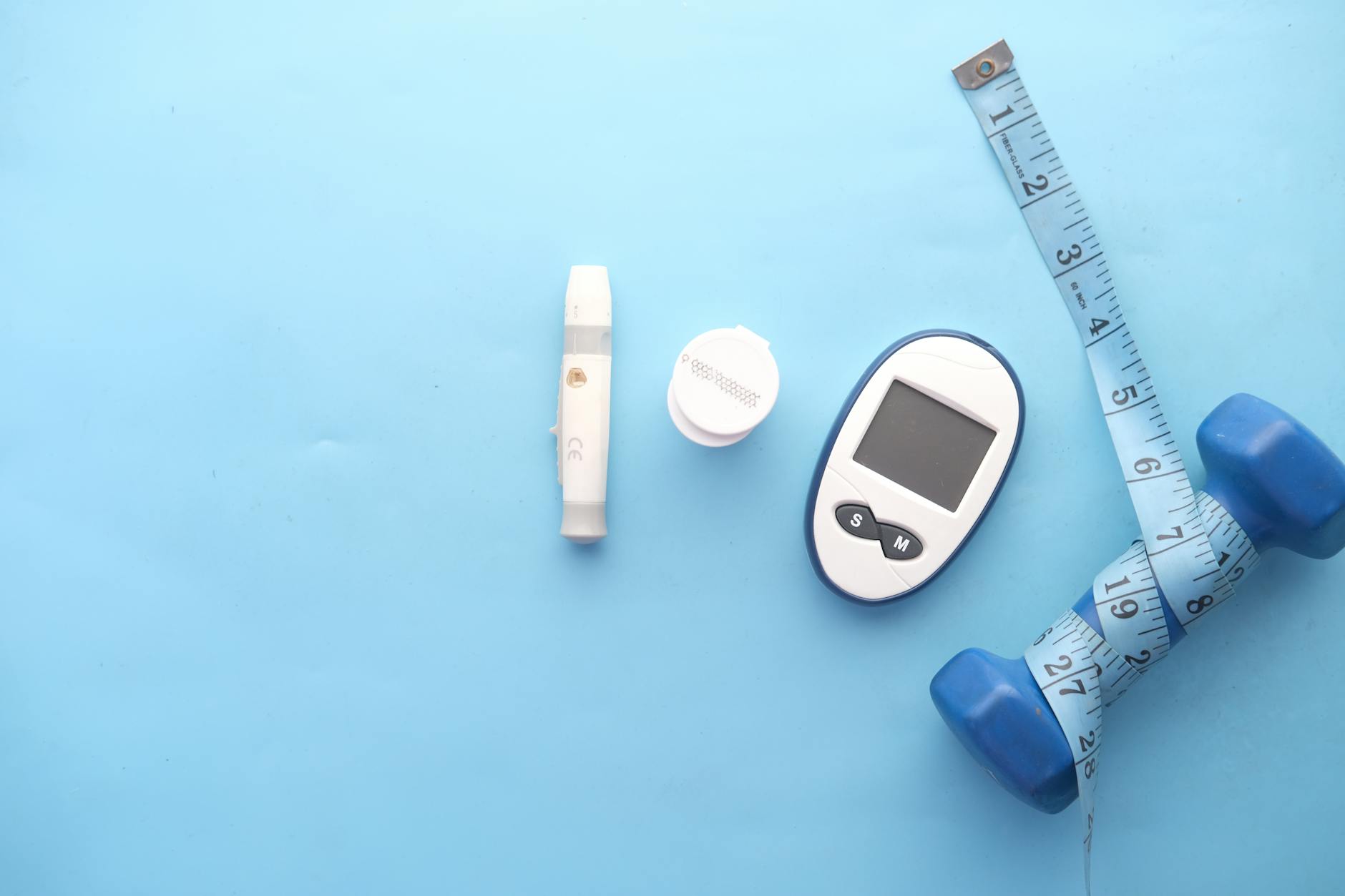
GLP-1 Agonists for Weight Loss: Beyond Ozempic (2026 Guide)
Photo by Towfiqu barbhuiya on Pexels
GLP-1 Basics: Understanding GLP-1 Agonists and Hormones
GLP-1 agonists are a class of medications that mimic the action of the natural hormone GLP-1, which is involved in glucose metabolism and appetite regulation. When the body senses food intake, GLP-1 is released from the intestines, leading to increased insulin secretion, decreased glucagon release, and reduced appetite. These effects help lower blood sugar levels and promote feelings of fullness after eating. By enhancing these natural processes, GLP-1 agonists help individuals manage their weight more effectively.
The primary use of GLP-1 agonists has traditionally been in the management of type 2 diabetes. However, their weight loss benefits have made them popular among individuals seeking to shed excess pounds. Medications like Ozempic, Wegovy, and Mounjaro are examples of GLP-1 agonists that have been approved for weight management by the FDA. Understanding how these medications work is crucial for assessing their appropriateness for individual health needs.
Mechanism: How GLP-1 Agonists Work for Appetite Control
The mechanism through which GLP-1 agonists assist in weight loss involves several pathways. Firstly, by enhancing insulin secretion, these medications help to lower blood glucose levels, which is particularly beneficial for those with insulin resistance. Secondly, GLP-1 agonists slow gastric emptying, leading to prolonged feelings of satiety. This means individuals may eat less overall, contributing to weight loss.
Moreover, these drugs can also influence brain signaling related to hunger and satisfaction. By acting on specific receptors in the brain, GLP-1 agonists can decrease appetite and increase feelings of fullness, making it easier for individuals to adhere to a reduced-calorie diet. This combination of effects not only helps with weight loss but can also improve overall metabolic health.
Recent studies have also indicated that GLP-1 agonists may enhance fat metabolism and reduce fat storage, further contributing to weight loss. For instance, a review published in the journal Healthline discussed how these medications could alter fat distribution in the body, potentially leading to a healthier body composition. Understanding these multifaceted mechanisms is essential for individuals considering GLP-1 agonists as part of their weight management strategy.
Comparison: Wegovy vs Ozempic for Weight Loss Options
While Ozempic is perhaps the most recognized name in this class, several other GLP-1 agonists are available. Each of these medications has its unique profile, including dosing schedules and side effects. Wegovy, for instance, is specifically approved for chronic weight management in adults with obesity or overweight, while Mounjaro has shown promise in both weight loss and diabetes management.
Other medications include Trulicity and Saxenda, each with its dosing regimen and indications. Understanding the differences between these medications can help individuals make informed decisions about their weight loss journey. For example, Wegovy is administered once weekly, while Mounjaro may have a different dosing schedule. The choice of medication may depend on individual health needs, preferences, and recommendations from healthcare providers.
Additionally, it is important to consider the potential for future GLP-1 agonists that are currently under investigation in clinical trials. Research continues to evolve in this area, and new formulations may offer enhanced efficacy or fewer side effects. This dynamic landscape underscores the importance of staying informed about advancements in GLP-1 therapies and their applications in weight management.
Evidence: Mounjaro Clinical Trials Results and Efficacy
The effectiveness of GLP-1 agonists for weight loss has been substantiated by numerous clinical studies. For instance, a clinical trial involving Wegovy demonstrated that participants could lose an average of 15% of their body weight over a 68-week period compared to a placebo group. This significant reduction in body weight highlights the potential of these medications to support long-term weight loss goals.

Photo by Beyzaa Yurtkuran on Pexels
Another study published in the journal Healthline examined the effects of Mounjaro on weight loss among individuals with type 2 diabetes. Results indicated that participants who received the medication experienced substantial weight reductions alongside improvements in glycemic control. These findings suggest that GLP-1 agonists not only aid in weight loss but may also improve metabolic health.
Furthermore, a systematic review of various studies indicated that GLP-1 agonists could lead to significant reductions in body mass index (BMI) and waist circumference. The review highlighted that individuals using these medications reported higher rates of weight loss maintenance compared to traditional lifestyle interventions alone. This cumulative evidence illustrates the promising role that GLP-1 agonists can play in comprehensive weight management strategies.
Analysis: Comparing Efficacy Between GLP-1 Agonists
When evaluating the efficacy of various GLP-1 agonists, it is essential to consider the extent of weight loss achieved and the population studied. For example, while Ozempic has shown efficacy in weight management, Wegovy has been specifically designed for obesity treatment. This focus may contribute to its effectiveness in achieving greater weight loss outcomes. Clinical trials for Wegovy have shown that participants can lose up to 20% of their body weight over a year, which is a notable achievement in the realm of obesity treatment.
Moreover, the dosing and administration routes may also influence results. Medications that require less frequent dosing, such as Wegovy, may enhance adherence to treatment, ultimately leading to more successful weight loss. Additionally, the side effect profiles of these medications may affect patient preferences and adherence. For instance, some individuals may find the gastrointestinal side effects of one medication more tolerable than another, which can further inform their choice.
Understanding these nuances can assist patients in discussing options with their healthcare providers effectively. It is crucial for individuals to have open dialogue about their experiences with these medications to tailor the treatment plan to their specific needs and goals.
Maintenance: Strategies for Sustainable Weight Loss Maintenance
One of the key challenges in weight loss is maintaining the lost weight over time. Research indicates that GLP-1 agonists can play a critical role in this aspect as well. Studies have shown that individuals who continue to use these medications after achieving weight loss are more likely to maintain their progress than those who stop treatment. For instance, a year-long study found that participants who remained on GLP-1 therapy retained about 75% of their weight loss after 56 weeks, compared to only 30% retention among those who discontinued treatment.
The supportive role of GLP-1 agonists in long-term weight management may come from their ability to regulate appetite and metabolism continuously. As such, they can be an essential component of a comprehensive weight management program that includes lifestyle changes like diet and exercise. The combined effect of medication and behavioral change can lead to more sustainable outcomes, as individuals learn to adopt healthier habits alongside pharmacological support.
In addition to weight maintenance, GLP-1 agonists have been associated with improvements in cardiovascular health markers, such as blood pressure and cholesterol levels. This dual benefit highlights their potential as a comprehensive solution for individuals with obesity and related health issues, making them a viable option for long-term health improvement.
Safety: Managing GLP-1 Gastrointestinal Side Effects
While GLP-1 agonists offer promising benefits for weight loss, they are not without potential side effects. Common side effects include nausea, vomiting, diarrhea, and constipation. These gastrointestinal effects are typically more pronounced when starting treatment and may subside as the body adjusts to the medication.
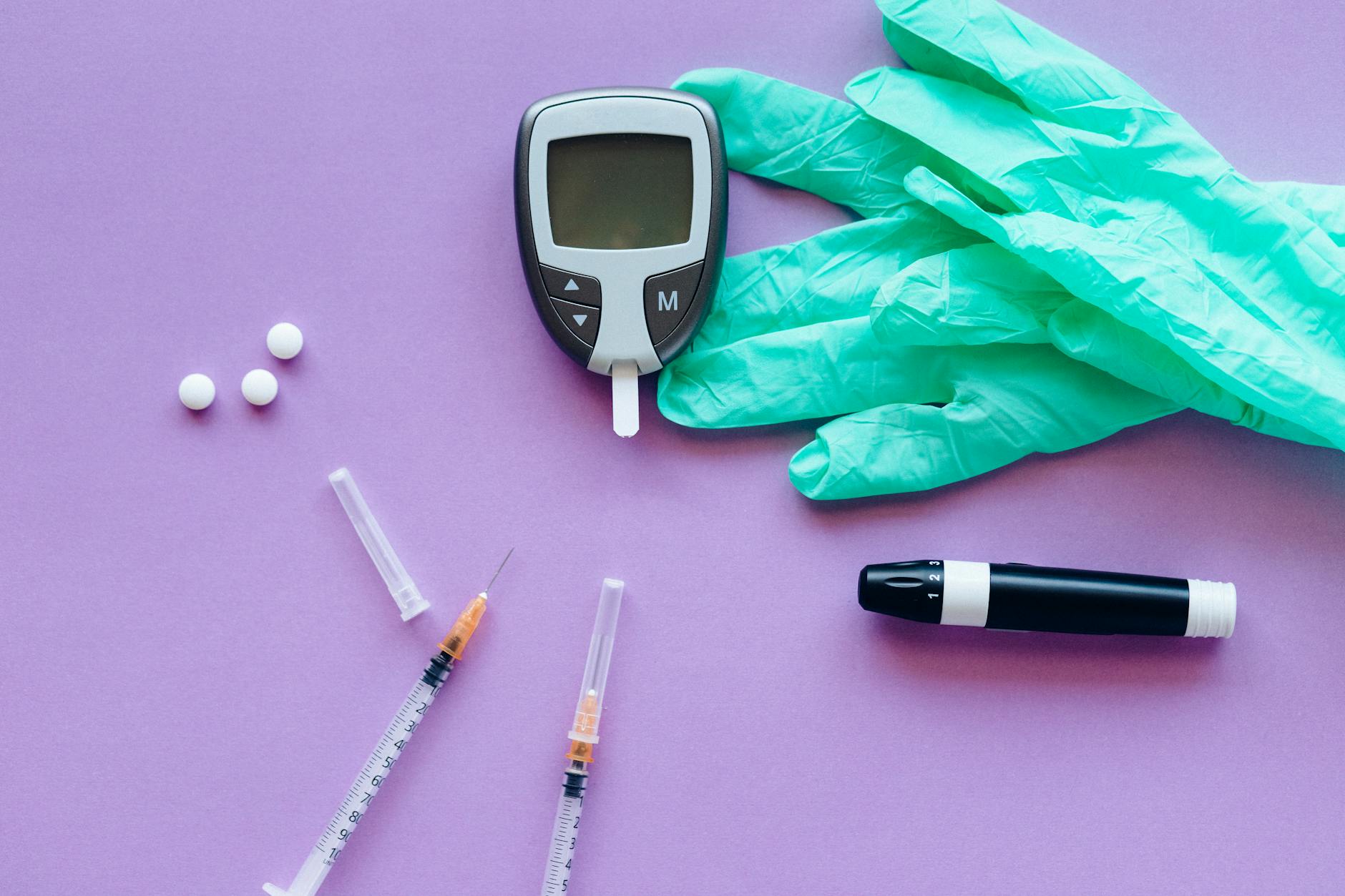
Photo by Nataliya Vaitkevich on Pexels
Some individuals may also experience more severe side effects, such as pancreatitis or kidney issues. According to the Mayo Clinic, anyone with a history of pancreatitis should be cautious when considering these medications. Therefore, it is crucial for patients to discuss their medical history and any existing conditions with their healthcare provider before starting a GLP-1 agonist. Regular monitoring during treatment can help identify and manage any adverse effects that may arise.
Eligibility: Who Should Consider GLP-1 Agonists?
GLP-1 agonists are generally recommended for individuals with a body mass index (BMI) of 30 or greater, or those with a BMI of 27 or greater who have weight-related health issues, such as type 2 diabetes or hypertension. This approach aligns with guidelines from the CDC, which emphasizes the need for a comprehensive evaluation of an individual’s health status before starting any weight loss medication.
It is also essential to consider lifestyle factors. GLP-1 agonists should be used in conjunction with a balanced diet and regular physical activity for optimal results. They are not a standalone solution, but rather a tool that can enhance weight loss efforts when combined with a healthy lifestyle.
Furthermore, individuals who have tried previous weight loss methods without success may find GLP-1 agonists a valuable option. It’s important to note that the decision to use these medications should be made collaboratively with a healthcare provider, who can provide insight into the potential benefits and risks based on individual circumstances.
Access: Cost and Accessibility of GLP-1 Therapy
The cost of GLP-1 agonists can be a significant barrier for many individuals. Medications like Ozempic and Wegovy may not be covered by all insurance plans, which can lead to high out-of-pocket expenses. According to a report from the National Institute of Diabetes and Digestive and Kidney Diseases, the average monthly cost of these medications can exceed $800, making them less accessible for those without adequate insurance coverage.
It is important for patients to check with their insurance provider regarding coverage options and to explore patient assistance programs that may be available through pharmaceutical companies. Many manufacturers offer savings cards or discount programs to help reduce costs for eligible patients.
In some cases, healthcare providers may also suggest alternatives or generic options that could be more affordable. Discussing financial concerns openly can help individuals find a feasible solution that aligns with their weight loss goals. Additionally, exploring community health resources can provide access to programs that support weight management without the high costs associated with brand-name medications.
Integration: GLP-1 Therapy in a Comprehensive Weight Loss Plan
Integrating GLP-1 agonists into a weight loss plan requires careful consideration of several factors. Firstly, a comprehensive approach should include dietary modifications, increased physical activity, and behavioral changes. These aspects work synergistically with the medication to enhance weight loss and improve overall health outcomes.

Photo by RDNE Stock project on Pexels
A registered dietitian can provide guidance on creating a balanced meal plan that aligns with individual preferences and health goals. Incorporating a variety of foods, including fruits, vegetables, whole grains, and lean proteins, can help ensure nutritional adequacy while promoting weight loss. Additionally, keeping a food diary can help individuals track their intake and make adjustments as needed.
The Role of Support Systems
Having a support system in place can significantly enhance the effectiveness of a weight loss program that includes GLP-1 agonists. Support can come from family, friends, or healthcare professionals who understand the challenges associated with weight loss. Group therapy or weight loss support groups can also provide encouragement and accountability.
Engaging in regular physical activity is another crucial element. Exercise not only aids in weight loss but also contributes to improved mood and mental well-being. Finding enjoyable activities can make it easier to maintain a consistent exercise routine, which is vital for long-term success. For instance, individuals can explore group classes, outdoor activities, or even home workout videos to keep their exercise regimen interesting and motivating.
Monitoring Progress
Regular follow-ups with healthcare providers can help monitor the effectiveness of the GLP-1 agonist and make any necessary adjustments to the weight loss plan. Tracking weight, dietary habits, and physical activity levels can provide motivation and insight into what is working or may need modification. This proactive approach helps individuals stay on track with their goals and make informed decisions about their health.
Utilizing technology can also aid in monitoring progress. Many individuals find it helpful to use fitness apps or smart devices that track their physical activity and food intake. These tools can provide valuable data that can be discussed during healthcare appointments, allowing for more personalized adjustments to the weight loss strategy.
Frequently Asked Questions
Q: How quickly can I expect to lose weight with GLP-1 agonists?
A: The rate of weight loss can vary significantly among individuals. Many clinical trials indicate that participants may lose 5-15% of their body weight over 6 to 12 months while using GLP-1 agonists. However, individual results depend on various factors, including adherence to treatment, diet, and exercise. It’s essential to have realistic expectations and focus on gradual, sustainable weight loss rather than rapid results. For instance, a loss of 1-2 pounds per week is generally considered a healthy and sustainable rate of weight loss. This approach not only promotes physical health but also allows individuals to adapt to lifestyle changes more effectively.
Q: Are GLP-1 agonists safe for everyone?
A: While GLP-1 agonists are generally well-tolerated, they are not suitable for everyone. Individuals with a history of pancreatitis, certain types of thyroid cancer, or severe gastrointestinal issues may be advised against using these medications. Additionally, pregnant or breastfeeding women should consult their healthcare provider before starting GLP-1 therapy. A comprehensive evaluation by a healthcare provider is essential to determine the appropriateness of GLP-1 agonists based on personal health history and current conditions. It is also advisable for individuals to report any unusual symptoms or side effects promptly to their healthcare provider for proper management.
Q: Can I take GLP-1 agonists if I am not diabetic?
A: Yes, GLP-1 agonists can be prescribed for weight management even in individuals without diabetes. Medications like Wegovy have been specifically approved for weight management in individuals with obesity or overweight. However, a healthcare provider will conduct a thorough assessment to determine if this treatment aligns with the individual’s health objectives. It’s important to note that the decision to use GLP-1 agonists should be made collaboratively with a healthcare provider, who can provide insight into the potential benefits and risks based on individual circumstances. Furthermore, individuals should be prepared to engage in lifestyle changes alongside medication use for optimal results.
Q: What lifestyle changes should accompany GLP-1 agonists for effective weight loss?
A: For optimal results, lifestyle changes should include a balanced diet rich in whole foods, regular physical activity, and behavior modifications. Aiming for a caloric deficit while ensuring nutritional adequacy is crucial. Consulting with a registered dietitian can provide tailored dietary advice, while engaging in enjoyable physical activities helps maintain consistency in exercise routines. Additionally, implementing mindfulness practices such as stress reduction techniques and sleep hygiene can enhance the overall effectiveness of a weight loss program. Individuals might also consider setting SMART (Specific, Measurable, Achievable, Relevant, Time-bound) goals to track their progress and stay motivated.
Q: How long do I need to stay on GLP-1 agonists?
A: The duration of treatment with GLP-1 agonists can vary. Some individuals may choose to continue long-term, especially if they find success in maintaining their weight loss and improving metabolic health. Regular consultations with healthcare providers can help determine the appropriate duration of treatment based on individual progress and health status. In cases where the medication is effective, ongoing use may be beneficial in preventing weight regain. However, individuals should also explore the possibility of gradually transitioning to maintenance strategies that do not rely solely on medication, incorporating lifestyle changes that support long-term weight management.
Q: What should I do if I experience side effects from GLP-1 agonists?
A: If you experience side effects while taking GLP-1 agonists, it is important to communicate with your healthcare provider. They can assess the severity of the side effects and determine if any adjustments to the treatment plan are necessary. In many cases, side effects may diminish over time as the body adjusts to the medication, but it is essential to monitor any ongoing issues closely. Additionally, maintaining open communication about side effects can help healthcare providers tailor the treatment approach, whether it involves adjusting the dosage, switching to a different medication, or implementing strategies to mitigate side effects.
Conclusion
GLP-1 agonists represent a significant advancement in the field of weight management, offering hope to many individuals struggling with obesity and related health conditions. While options like Ozempic have gained notoriety, it is crucial to explore the full range of available medications, including Wegovy and Mounjaro, to determine the best fit for individual needs. Understanding the mechanisms, potential side effects, and the importance of integrating these medications into a broader weight management strategy is vital for achieving lasting results.
The benefits of these medications extend beyond weight loss, potentially improving metabolic health and reducing the risk of associated diseases. In addition, they offer a viable option for individuals who have struggled with traditional weight loss methods. However, it is essential to approach treatment holistically, incorporating dietary changes, physical activity, and behavioral strategies. Regular consultations with healthcare providers ensure that individuals receive the support and guidance needed for successful long-term weight management.
As research continues to evolve, so too will our understanding of GLP-1 agonists and their role in weight loss. For those considering this approach, informed discussions with healthcare professionals can pave the way for a healthier, more fulfilling life. With the right support, information, and commitment to lifestyle changes, individuals can harness the potential of GLP-1 agonists to achieve their weight loss goals and improve their overall health.
Other of articles:
The information provided is for reference only. Please consult a professional physician if you experience any discomfort.