When it comes to losing weight, many individuals gravitate towards cardio exercises like running, cycling, or aerobics. While these activities can be effective for burning calories, emerging research highlights the significant benefits of strength training for weight loss. This way of exercising not only helps in shedding pounds but also builds muscle, increases metabolic rate, and enhances overall health. By integrating weight lifting into your fitness regimen, you can achieve sustainable weight loss while improving your body composition and physical strength. This article will delve into the various reasons why strength training is a superior choice for weight loss compared to traditional cardio routines.

Strength Training for Weight Loss: Why Lifting Weights Beats Cardio
Photo by Andres Ayrton on Pexels
The Science: Muscle Mass and Metabolic Rate Optimization
Understanding how strength training contributes to weight loss begins with grasping its physiological effects. When you engage in resistance exercises, your muscles undergo stress, leading to micro-tears that require repair. This process is known as muscle hypertrophy, which increases muscle mass over time. Increased muscle mass is crucial because muscle tissue burns more calories than fat tissue, even at rest. According to the National Institute of Diabetes and Digestive and Kidney Diseases, even modest increases in muscle mass can significantly impact your overall metabolic rate.
Moreover, strength training stimulates the production of hormones that are beneficial for fat loss. For instance, it enhances levels of testosterone and growth hormone, both of which play key roles in muscle growth and fat loss. Additionally, resistance training can lead to increased insulin sensitivity, which helps regulate blood sugar levels and prevent fat gain. This effect is particularly important for individuals struggling with obesity or metabolic syndrome, as it can help manage weight more effectively.
Research indicates that strength training can lead to a more significant reduction in visceral fat, the harmful fat stored around your organs, compared to cardio alone. A study published in the Journal of Strength and Conditioning Research demonstrated that participants who combined strength training with a calorie-restricted diet lost more fat and retained more muscle than those who only did cardio. This is crucial because reducing visceral fat not only improves appearance but also decreases the risk of chronic diseases such as diabetes and heart disease.
Afterburn Effect: Excess Post-Exercise Oxygen Consumption (EPOC)
One of the most compelling advantages of strength training is the post-exercise caloric burn, often referred to as excess post-exercise oxygen consumption (EPOC). After an intense strength training session, your body continues to burn calories at an elevated rate as it works to restore itself to its pre-exercise state. This can last for hours, or even up to 72 hours, depending on the workout’s intensity and duration. According to the Mayo Clinic, this phenomenon can significantly contribute to daily caloric expenditure, making strength training a time-efficient option for weight management.
For instance, a study conducted by researchers at the University of Southern Maine found that individuals who performed high-intensity interval strength training burned approximately 15% more calories in the 24 hours following their workout compared to those who engaged in steady-state cardio. This indicates that the intensity of strength training can impact not only immediate calorie burn but also long-term weight loss results. By incorporating compound movements, such as squats and deadlifts, which engage multiple muscle groups, you can maximize caloric burn and muscle engagement.
Sustained Results: Long-Term Weight Management Strategies
Research has shown that individuals who incorporate strength training into their fitness routines are more successful in maintaining weight loss over the long term. A study published in the journal Obesity found that combining strength training with aerobic exercise resulted in better weight maintenance compared to aerobic exercise alone. This suggests that building muscle not only aids in weight loss but also provides the necessary foundation for sustaining that loss.
Moreover, strength training has been linked to improved metabolic health markers. A systematic review in the journal Sports Medicine found that regular resistance training is associated with lower body fat, improved insulin sensitivity, and better blood lipid profiles, all of which contribute to long-term weight management. This is particularly important considering that weight regain is a common issue after initial weight loss. By maintaining muscle mass through strength training, you create a more favorable metabolic environment that supports ongoing weight control.
The Comparison: Resistance Training vs Cardio Efficiency
While cardio workouts are often viewed as the go-to for weight loss, strength training offers unique benefits that can enhance your fitness journey. One of the most significant advantages is the improvement in body composition. While cardio can help you lose weight, it often leads to a reduction in both fat and muscle mass. In contrast, strength training primarily targets fat loss while preserving or even increasing muscle mass, resulting in a more toned and defined physique.
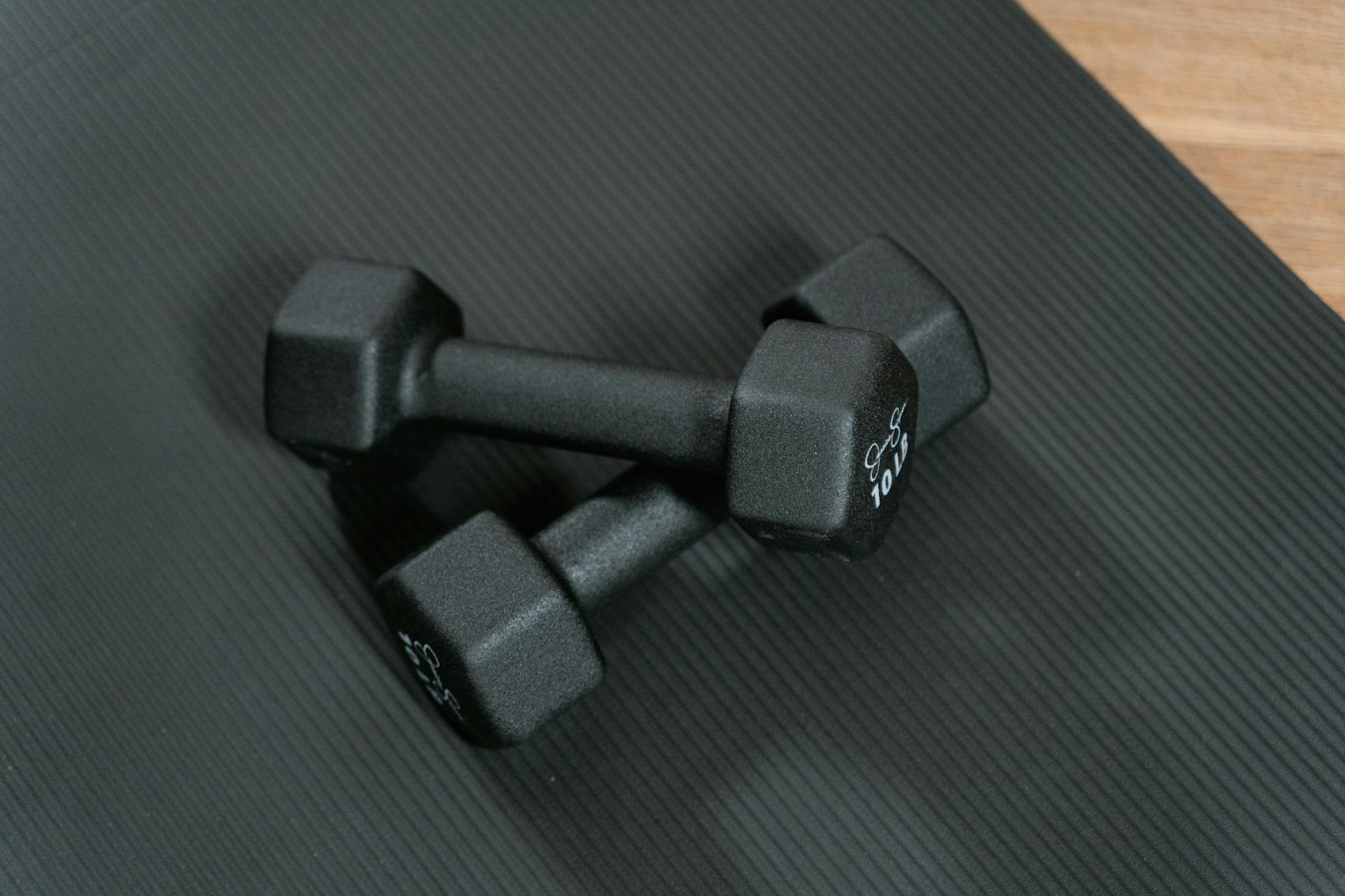
Photo by MART PRODUCTION on Pexels
Moreover, strength training can be more time-efficient than cardio. A 30-minute session of weight lifting can produce substantial benefits in a shorter time frame compared to the hours some may spend on cardiovascular exercises. This efficiency is particularly appealing for individuals with busy schedules. The variety of strength training exercises also allows for flexibility in workouts, making it easier to stay engaged and motivated. For example, a full-body workout can be completed in less than an hour and can include a mix of upper and lower body exercises, enhancing overall muscle engagement.
Physical Power: Building Enhanced Functional Strength for Life
Another critical advantage of resistance training is its impact on functional strength. Engaging in activities that enhance your ability to perform daily tasks can significantly improve your quality of life. Strength training strengthens not just the muscles but also improves joint stability, balance, and coordination. This is especially important as we age, as maintaining functional strength can prevent falls and injuries.
Furthermore, functional strength gained from resistance training translates into better performance in sports and recreational activities. For example, a study published in the Journal of Sports Sciences found that athletes who included strength training in their regimen improved their performance metrics in sports such as basketball and soccer. This functional aspect of strength training not only aids in athletic performance but also enhances everyday activities, making tasks like carrying groceries or climbing stairs easier.
Mindset Boost: Psychological Benefits of Heavy Lifting
In addition to physical benefits, strength training can also bolster mental health. Many individuals experience improved mood, reduced anxiety, and enhanced self-esteem as a result of engaging in regular resistance training. A study in the Journal of Clinical Psychiatry found that strength training can be as effective as medication for some individuals with depression. This psychological impact can further motivate individuals to adhere to their fitness and weight loss goals.
Moreover, the act of setting and achieving goals in strength training fosters a sense of accomplishment and boosts self-confidence. Tracking progress, whether through increased weights, improved form, or more repetitions, creates a positive feedback loop that encourages continued effort. Building a support network, such as a workout partner or a fitness community, can also enhance motivation and make the journey more enjoyable.
Action Plan: Developing a Strength Training Workout Plan
Getting started with strength training doesn’t have to be overwhelming. It’s essential to create a balanced program that addresses all major muscle groups while allowing for adequate rest and recovery. Beginners should aim for two to three strength training sessions per week, incorporating exercises for the upper body, lower body, and core.

Photo by Connor Scott McManus on Pexels
Bodyweight exercises, such as push-ups, squats, and lunges, are excellent starting points for those new to resistance training. As you progress, consider incorporating free weights or resistance bands to increase the challenge. Many individuals find that joining a gym or participating in group classes can deliver the motivation and guidance needed to stay on track. For example, group strength training classes can provide structured workouts and a sense of camaraderie that enhances accountability.
Progress Tracking: Setting Realistic Goals and Benchmarks
When beginning a strength training regimen, it’s crucial to set realistic and achievable goals. This might include completing a certain number of exercises per week, increasing the weights you lift, or improving your form. Tracking your progress can help maintain motivation and provide a sense of accomplishment. Consider using a workout log or fitness app to document your workouts, which can help visualize your progress over time.
Additionally, incorporating periodic assessments, such as measuring body composition or strength benchmarks, can provide tangible evidence of your improvements. Setting short-term goals, such as completing a specific number of reps or lifting a certain weight, can keep you motivated and invested in your training. Remember to celebrate milestones, no matter how small, to maintain a positive mindset.
Hybrid Fitness: Combining Resistance Training with Cardio Routine
For optimal weight loss results, combining strength training with other forms of exercise can be beneficial. Integrating cardiovascular workouts, such as brisk walking or cycling, alongside your strength training routine can enhance overall caloric expenditure. This balanced approach not only promotes weight loss but also improves cardiovascular health and increases overall fitness levels.
One effective strategy is to alternate between strength training and cardio sessions throughout the week. For instance, you could perform strength training on Mondays, Wednesdays, and Fridays, while dedicating Tuesdays and Thursdays to cardiovascular activities. This not only prevents burnout but also keeps your workout routine fresh and engaging. Additionally, consider incorporating active recovery days, where you engage in low-intensity activities like yoga or light stretching, to allow your muscles to recover while still staying active.
Debunking Myths: Lifting Weights and the Bulkiness Misconception
Despite the growing body of evidence supporting strength training for weight loss, several myths persist that can deter individuals from engaging in this effective form of exercise. One widespread misconception is that lifting weights will lead to bulky muscles, particularly in women. In reality, due to hormonal differences, women typically do not gain muscle mass to the same extent as men. Instead, strength training helps women achieve a toned appearance, enhancing overall body composition and promoting fat loss.

Photo by Sarah Chai on Pexels
Another myth is that strength training should only be performed after losing weight through cardio. This belief is misguided; starting strength training early in a weight loss journey can boost metabolism and enhance muscle retention, making it easier to lose fat. Furthermore, some individuals believe that lifting weights is only beneficial for younger populations. However, strength training is important at all ages and can help improve bone density, muscle mass, and overall health in older adults.
Safety First: Correcting Form and Addressing Concerns About Injury
Many individuals may hesitate to start strength training due to fears of injury. While it’s true that improper form can lead to injuries, these risks can be mitigated through proper technique, adequate warm-up, and recovery. Seeking guidance from a qualified trainer can provide the necessary foundation for safe and effective strength training. Additionally, online resources and instructional videos can offer visual aids to help ensure proper form.
It’s also essential to listen to your body. If you experience pain or discomfort during an exercise, it’s crucial to stop and reassess your form or the weight you’re using. Gradually increasing intensity and incorporating rest days into your routine can help prevent overuse injuries. Remember that recovery is as important as the workouts themselves and allows your body to repair and grow stronger.
Fueling Growth: Protein Intake for Muscle Repair and Satiety
To maximize the benefits of strength training for weight loss, it’s essential to pair your exercise regimen with a balanced diet. Consuming adequate protein is crucial for muscle repair and growth while also supporting satiety. According to the Centers for Disease Control and Prevention, incorporating a variety of nutrients will help maintain energy levels and overall health during your weight loss journey.
Aim for a protein intake of around 1.2 to 2.2 grams per kilogram of body weight, depending on your activity level and goals. Including protein sources such as lean meats, fish, dairy, legumes, and soy can help you meet these requirements. Additionally, focusing on whole foods, including fruits, vegetables, whole grains, and healthy fats, will provide the essential nutrients needed for optimal performance and recovery. Hydration is also key; drinking water before, during, and after workouts supports overall health and aids in recovery.
Frequently Asked Questions
Q: How often should I do strength training for weight loss?
A: For effective weight loss, it’s recommended to engage in strength training two to three times per week. This frequency allows for muscle recovery and growth while providing sufficient stimulus for weight loss. Each session should target all major muscle groups, ensuring a balanced approach to fitness. If you’re new to exercise, consider starting with bodyweight exercises before progressing to weights. Over time, you can increase the intensity and frequency as your fitness level improves. Remember to include rest days to allow your muscles to recover and adapt, which is essential for long-term success.
Q: Will strength training make me bulky?
A: No, strength training does not inherently lead to bulkiness, especially for women. Due to hormonal differences, women typically do not gain muscle mass to the same degree as men. Instead, strength training helps build lean muscle, which can lead to a more toned and defined appearance. It’s essential to focus on a balanced routine that includes both strength training and cardiovascular exercise to achieve optimal weight loss results. If you’re concerned about gaining size, consider focusing on higher repetitions with lighter weights, which can enhance muscle endurance without significant hypertrophy.
Q: How can I prevent injury while strength training?
A: To prevent injury during strength training, it’s crucial to prioritize proper technique and form. Start with lighter weights to master the movements before progressing to heavier loads. Additionally, warming up adequately before each session and incorporating cooldown stretches afterward can minimize the risk of injury. If you’re unsure about your form, consider working with a personal trainer who can provide guidance and ensure you’re performing exercises safely. Listening to your body is also vital; if you experience pain or discomfort, stop the exercise and reassess your technique or weight. Gradually increasing intensity and incorporating rest days into your routine can help prevent overuse injuries.
Q: Do I need to follow a specific diet while strength training for weight loss?
A: While there is no one-size-fits-all diet for weight loss, focusing on a balanced and nutritious eating plan is vital. Ensure you’re consuming adequate protein to support muscle repair and growth while also incorporating plenty of fruits, vegetables, whole grains, and healthy fats into your diet. It’s also important to stay hydrated and listen to your body’s hunger cues. Consulting a registered dietitian can provide personalized guidance tailored to your specific needs and goals. Additionally, consider meal prepping to ensure you have healthy options readily available, which can help you stay on track with your dietary choices.
Q: Can I do strength training at home?
A: Yes, strength training can be effectively performed at home using bodyweight exercises, resistance bands, or free weights. Many exercises, such as push-ups, squats, and lunges, require no equipment and can be modified to suit your fitness level. There are also numerous online resources and workout videos that can guide you through effective home workouts, making it easier to fit strength training into your routine. Consider creating a dedicated workout space at home to enhance focus and motivation. If you prefer more structure, online classes or apps can provide guided workouts that cater to various fitness levels.
Q: How long will it take to see results from strength training?
A: The timeline for seeing results from strength training varies depending on individual factors such as starting fitness level, consistency, and diet. Generally, noticeable changes in strength and body composition can be observed within 4 to 8 weeks of consistent training. It’s important to focus on progress over perfection and to celebrate small milestones along the way, such as increased weights lifted or improved endurance. Keeping a workout journal can help you track your gains, and seeking support from friends or fitness communities can provide encouragement as you work toward your goals.
Conclusion
In conclusion, strength training is a powerful tool for achieving weight loss and improving overall health. By building muscle and enhancing metabolism, this form of exercise offers benefits that extend beyond mere calorie burning. It promotes better body composition, functional strength, and mental well-being, making it a holistic approach to fitness. While cardio has its place, the unique advantages of resistance training make it a superior choice for those serious about losing weight and maintaining their results long term. As you embark on your fitness journey, consider incorporating strength training into your routine, and experience the transformative effects it can have on your body and mind.
Embrace this method as part of your weight loss strategy, and watch as you build not only a stronger physique but also a healthier lifestyle. Remember that consistency is key, along with a balanced approach that includes both strength training and proper nutrition. By doing so, you will not only achieve your weight loss goals but also develop a sustainable, healthy lifestyle that promotes long-term well-being. Whether you are a beginner or have been exercising for years, integrating strength training into your routine can lead to significant improvements in your health and overall quality of life. So grab those weights, stay committed, and enjoy the journey to a fitter, stronger you.
Other of articles:
GLP-1 Agonists for Weight Loss
ozempic for weight lossBest Exercise
The information provided is for reference only. Please consult a professional physician if you experience any discomfort.