Fiber is a crucial component of a balanced diet that many people overlook. Despite its importance, studies indicate that most individuals consume only about half of the recommended daily amount. This dietary fiber plays a significant role in digestive health, disease prevention, and overall well-being. Understanding how much fiber you need each day, along with the best sources to meet this requirement, is essential for maintaining a healthy lifestyle. In this comprehensive guide, we will explore the necessity of high fiber foods daily intake and discuss various food options that can help you reach your fiber goals.
High Fiber Foods Daily Intake: Ultimate Nutritional Guide
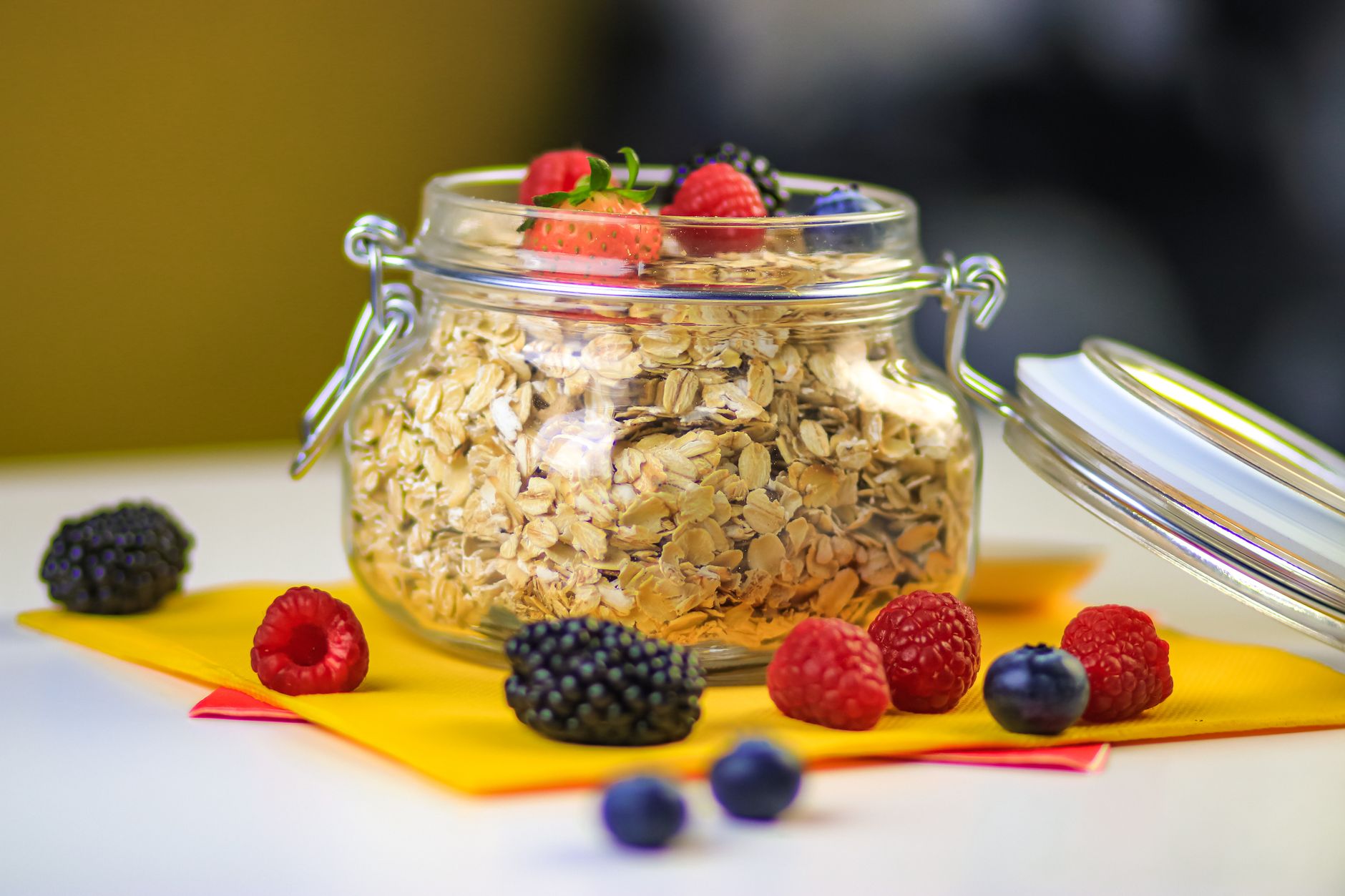
Photo by Abdullah on Pexels
Heart & Gut Health: Dietary Fiber and Cardiovascular Risk Factors
Dietary fiber, often found in fruits, vegetables, grains, and legumes, is divided into two main types: soluble and insoluble. Soluble fiber dissolves in water, forming a gel-like substance that can help lower blood cholesterol and glucose levels. Foods rich in soluble fiber include oats, beans, nuts, and some fruits. Insoluble fiber, on the other hand, does not dissolve in water and is essential for promoting regular bowel movements. It is primarily found in whole grains, wheat bran, and the skins of fruits and vegetables.
The significance of fiber extends beyond digestive health. Studies suggest that adequate fiber intake may help in weight management by promoting a feeling of fullness, thus reducing the likelihood of overeating. In addition, a high-fiber diet is associated with a lower risk of heart disease, type 2 diabetes, and certain types of cancer, such as colorectal cancer. For instance, a research study published in the Harvard T.H. Chan School of Public Health showed that individuals consuming high amounts of fiber had a lower cardiovascular risk compared to those with a low-fiber diet.
Moreover, fiber plays a role in gut microbiota composition. A diet rich in fiber promotes the growth of beneficial gut bacteria, which can positively influence immune function and inflammation in the body. This relationship suggests that adequate fiber intake is fundamental not only for digestive health but also for maintaining overall immune system function.
Given these advantages, it is evident that fiber is integral to a well-rounded nutritional strategy. However, many individuals struggle to meet the recommended daily intake of fiber, which often leads to various health issues, including constipation, diabetes, and cardiovascular diseases. This article will delve deeper into how many grams of fiber are necessary each day and highlight food sources that will help achieve this intake.
Intake Standards: Achieving Your High Fiber Foods Daily Intake
The recommended daily fiber intake varies depending on age and gender. According to the National Institutes of Health, adults should aim for approximately 25 grams per day for women and 38 grams for men. After the age of 50, these recommendations adjust, with women needing about 21 grams and men around 30 grams, as overall caloric intake typically decreases associated with aging. However, individual needs may differ based on lifestyle, physical activity, and specific health conditions, such as gastrointestinal disorders or metabolic concerns.
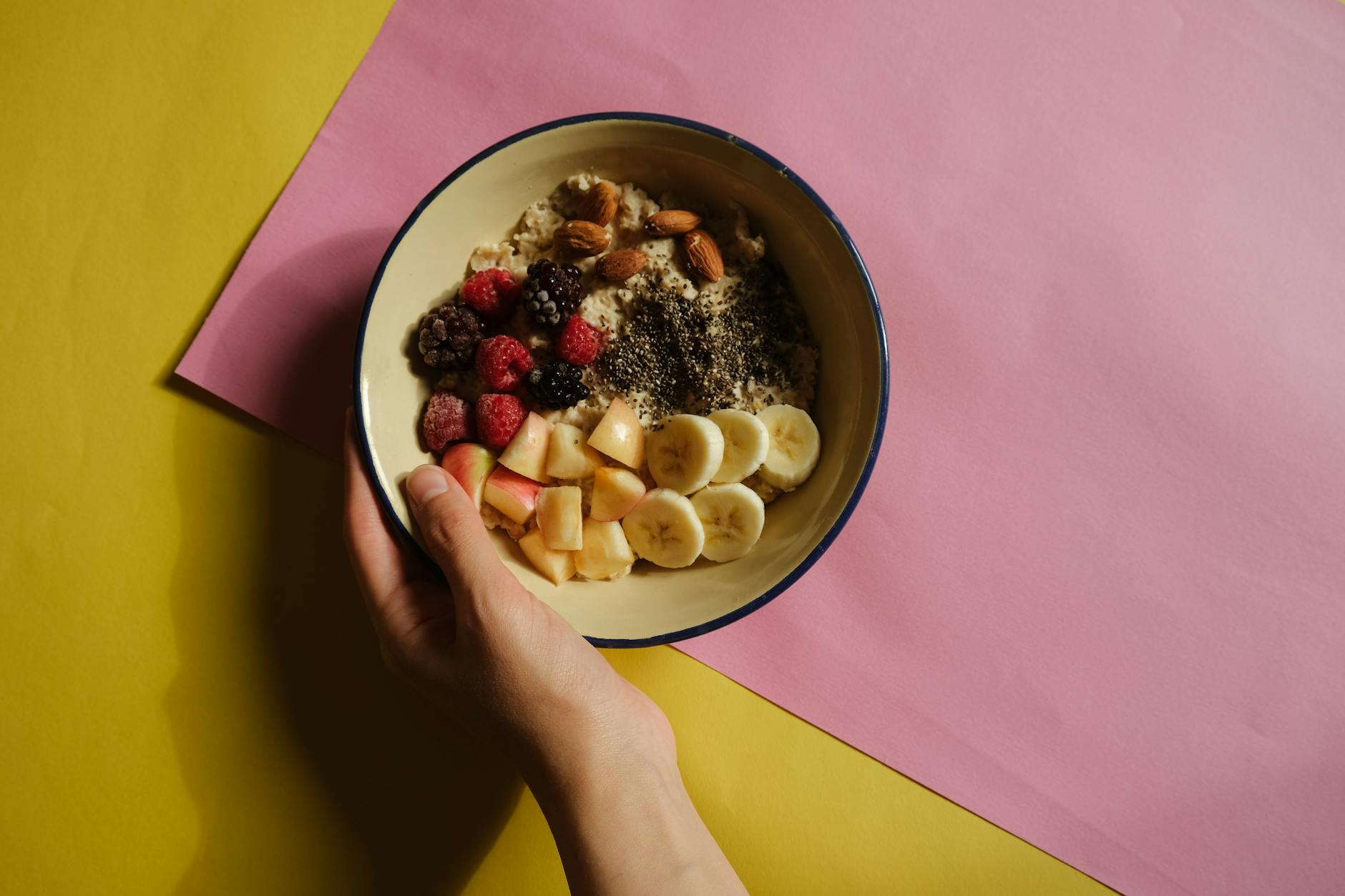
Photo by Beyzaa Yurtkuran on Pexels
Research indicates that most people fall short of these recommendations. A study by the World Health Organization found that a significant percentage of individuals consume less than 15 grams of fiber daily. This shortfall can contribute to health issues over time, such as obesity and diabetes, which are exacerbated by inadequate fiber consumption. To transition to a higher fiber intake, it is advisable to increase fiber consumption gradually. Making sudden changes can lead to digestive discomfort, such as bloating and gas. Instead, focus on incorporating fiber-rich foods into meals and snacks over time. Monitoring your fiber intake can be an effective way to ensure you meet your daily goals.
Additionally, drinking plenty of water is crucial when increasing fiber consumption. Fiber absorbs water, which helps ease the passage of stool through the intestines. Insufficient hydration can lead to constipation, negating the benefits of increased fiber intake. For example, consuming 25 grams of fiber without adequate hydration can lead to complications, making it vital to adjust fluid intake in conjunction with dietary changes. Keeping these recommendations in mind can help you stay on track with your nutrition goals, improve digestive health, and enjoy a plethora of long-term benefits.
Nutritional Plan: Best Whole Foods to Meet Your Fiber Goals

Photo by Yan Krukau on Pexels
To effortlessly meet the requisite daily fiber intake, incorporating a variety of high-fiber foods into your meals is essential. Here, we’ll outline some of the most beneficial sources of dietary fiber.
1. Fruits
Fruits are not only delicious but also packed with vitamins and fiber. Some of the top choices include raspberries, pears, and apples. For example, a medium-sized pear contains roughly 5-6 grams of fiber, making it a fiber-rich snack that is perfect for on-the-go eating. Raspberries stand out as one of the highest-fiber fruits, providing around 8 grams of fiber per cup, which is more than most fruits. Other fiber-rich fruits include bananas, oranges, and avocados, making them versatile options for snacks or meals.
Furthermore, incorporating such fruits into your diet can also provide other benefits. For instance, berries are high in antioxidants and fiber, which are beneficial for heart health. Avocados, on the other hand, are high in healthy fats and fiber, providing about 10 grams in a single avocado. This makes avocados an excellent addition to salads, smoothies, or sandwiches, enabling you to enhance your fiber intake along with healthy fats.
2. Vegetables
Incorporating a variety of vegetables into your diet is another effective way to boost fiber intake. Green leafy vegetables, such as spinach and kale, along with carrots and broccoli, offer substantial fiber content. One cup of cooked broccoli can provide about 5 grams of fiber, while one medium-sized carrot has about 2 grams. By combining various vegetables in cooked dishes or salads, you can significantly increase your daily fiber intake.
Additionally, some vegetables contain unique health benefits due to their fiber content. For example, sweet potatoes are packed with fiber, vitamins, and minerals, providing about 4 grams of fiber in each medium-sized potato. Including a variety of colors from different vegetable types can further enhance your nutrient intake. Roasted or steamed vegetables make excellent side dishes and can be added to main courses for extra fiber.
3. Whole Grains
When choosing grains, opting for whole grains over refined grains is crucial. Options like quinoa, barley, and whole wheat products are excellent fiber sources. A cup of cooked quinoa has approximately 5 grams of fiber, while whole wheat pasta provides around 6 grams per cup. The nutritional benefits of whole grains go beyond fiber; they often contain additional nutrients like iron, folate, and B vitamins, which support overall health.
Brown rice and oats are also significant sources of dietary fiber. Incorporating oats into your breakfast can provide a hearty base for fiber-rich meals, as one cup of cooked oatmeal offers about 4 grams of fiber. Whole grain bread is another staple that can help diversify your food choices while keeping your fiber intake high. Opting for whole grain versions of your favorite baked goods can ensure you enjoy your meals while maximizing fiber intake.
4. Nuts and Seeds
Nuts and seeds are not only high in healthy fats but also provide a good amount of fiber. Almonds, chia seeds, and flaxseeds are top contenders. For instance, just one ounce of almonds contains 3-4 grams of fiber, while two tablespoons of chia seeds pack about 10 grams. Nuts and seeds are easy to incorporate into snacks or meals; add them to smoothies, salads, or yogurt for an extra fiber boost.
Moreover, including different varieties of nuts and seeds can maximize your nutritional profile. Walnuts, pistachios, and sunflower seeds all contribute distinctive flavors and textures while providing fiber and healthy fat. Chia seeds can also absorb liquid and form a gel, making them excellent for creating puddings or as a topping for cereals.
5. Legumes
Legumes are among the most fiber-dense foods available. Beans, lentils, and peas are affordable and versatile for various recipes. A cup of cooked black beans offers about 15 grams of fiber, making them one of the richest sources of fiber. Incorporating legumes into your diet, whether in soups, stews, or salads, helps in achieving fiber intake goals while providing essential protein and micronutrients.
In addition to black beans, other varieties such as kidney beans, chickpeas, and lentils are also incredibly nutritious. For example, one cup of cooked lentils contains about 15-16 grams of fiber and offers a significant source of protein. Using dried beans and legumes can also be a cost-effective way to nourish your family with high-fiber meals. Preparing large batches of legumes can be convenient and provide quick options for healthy meals throughout the week.
In summary, choosing a diverse array of high-fiber foods can make meeting your dietary fiber needs more enjoyable and approachable. The key is to integrate these foods into your daily meals thoughtfully, experimenting with different combinations for variety.
Action Guide: Practical Strategies for Increasing Fiber Comfortably

Photo by SHVETS production on Pexels
Many individuals struggle with increasing fiber intake because of digestive discomfort or uncertainty on how to incorporate high-fiber foods into their meals. Here are several strategies to help ease the transition while maximizing fiber consumption.
1. Start Slowly
Gradual incorporation of high-fiber foods is critical to avoid gastrointestinal distress. Aim to add one fiber-rich food to each meal or snack and slowly increase the amount as your body adapts. This gradual change helps your digestive system adjust without causing bloating or gas. For example, if you typically have two servings of vegetables in a meal, slowly increase that to three or four over a couple of weeks.
2. Mix and Match
Combining fiber-rich foods can create satisfying and nutritious meals. For instance, mix fruits with yogurt or oatmeal, add legumes to salads or soups, and use whole grain options for pasta or bread. Experimenting with different combinations can make meals more enjoyable while providing diverse nutrient profiles. For example, a quinoa salad with mixed vegetables and chickpeas can be a powerhouse of fiber.
3. Plan and Prepare
Meal planning can facilitate the inclusivity of high-fiber foods in your diet. Set aside specific times to prepare meals that are rich in fiber, ensuring you always have healthy options available. This approach can reduce the temptation to revert to lower fiber options out of convenience. Preparing snacks like carrot sticks with hummus or energy balls made with oats and nuts can make reaching your dietary goals much easier.
4. Experiment with Cooking Methods
Varying your cooking methods can also enhance the flavor of fiber-rich foods. Roasting vegetables can bring out their natural sweetness, while simmering legumes can produce a creamy texture, making them more appealing. Finding enjoyable ways to prepare these foods is critical for long-term success. For example, try making a vegetable stir-fry with brown rice, which can combine high-fiber vegetables and grains in one flavorful meal.
5. Stay Hydrated
As previously mentioned, it is essential to drink plenty of water when increasing fiber intake. Staying hydrated allows fiber to work effectively in promoting digestive health and preventing constipation. Aim to consume at least 8-10 cups of water per day, adjusting for activity level and climate conditions. Keeping a water bottle handy can remind you to stay hydrated throughout the day.
6. Create Fiber Goals
To effectively monitor your intake, consider setting specific goals for fiber consumption. By tracking your daily fiber intake, you can identify trends and adjust your meals accordingly. Using a food diary app can provide insights into how much fiber you are currently consuming and what adjustments you might need to make. Celebrating small successes, like reaching your daily goal, can motivate you to maintain a high-fiber eating regimen.
By implementing these strategies, you can successfully increase your fiber consumption, contributing to overall health improvements and a balanced diet.
Safety Warning: A Balanced Approach Tailored to Your Individual Health
While fiber is beneficial for overall health, excessive fiber intake can lead to specific risks and issues. Understanding these potential downsides is essential for balancing your nutrient intake. For instance, suddenly increasing fiber consumption can overwhelm the digestive tract if not done gradually.
1. Gastrointestinal Discomfort
Increasing fiber consumption too quickly can cause digestive issues such as bloating, gas, and cramping. A well-known rule is to follow the “add a fiber, drink more water” principle; significantly increasing fiber without adjusting water intake can lead to uncomfortable symptoms. To mitigate these symptoms, it is crucial to increase fiber slowly, allowing your gut to adjust over time. If discomfort persists despite gradual increases, you may need to consult a healthcare provider to determine the appropriate fiber sources for your specific needs.
2. Nutrient Absorption
Excessive fiber intake may interfere with the absorption of certain minerals, including calcium, iron, and zinc. This phenomenon can occur because fiber can bind to these nutrients in the digestive tract, preventing their absorption. A study in the National Institutes of Health found that diets extremely high in fiber could lead to nutrient deficiencies if not planned correctly. A balanced diet that includes an appropriate amount of fiber alongside various nutrient-rich foods is essential to avoid deficiency risks.
3. Dehydration and Constipation
As fiber absorbs water, inadequate hydration can lead to the opposite of the intended effect in terms of bowel health. This dehydration effect can cause constipation and more severe gastrointestinal issues. Research indicates that inadequate water intake causes around four million Americans to experience chronic constipation. Be sure to drink plenty of fluids when consuming high fiber foods; consuming fluids before and after meals may be beneficial in helping fiber do its job.
Ultimately, moderation and balance are key when increasing fiber intake. Consulting with a healthcare professional or a registered dietitian can help to guide you in creating a balanced approach tailored to your individual health needs.
Frequently Asked Questions
Q: What are some easy ways to add fiber to my diet?
A: Adding fiber to your diet can be straightforward with practical strategies. Start by substituting refined grains with whole grains; for example, use whole wheat bread instead of white bread or choose brown rice over white rice. Incorporate more fruits and vegetables into snacks and meals, like snacking on apples or carrots and adding spinach or kale to smoothies. Additionally, introduce legumes like chickpeas and lentils to soups, stews, and salads. Another easy method is to add seeds, such as chia or flaxseeds, to your breakfast yogurt or oatmeal. By combining these techniques, you can seamlessly increase your daily fiber intake without significant lifestyle changes.
Q: Can I consume too much fiber in one day?
A: Yes, it is possible to consume too much fiber, particularly if you increase your intake too quickly. High fiber diets exceeding 70-100 grams a day can lead to gastrointestinal problems such as bloating, cramping, and diarrhea. The Institute of Medicine recommends an upper limit of around 70 grams for adults to maintain digestive health. It is advisable to aim for a balanced diet that provides a recommended intake for your age and gender while allowing room for individual tolerance levels. If you experience discomfort after eating high-fiber meals, it may be a sign that you need to assess your overall dietary fiber goals.
Q: Are there fiber supplements, and do I need them?
A: Fiber supplements, like psyllium husk or inulin, can be beneficial for individuals who can’t get enough fiber through food sources. They can offer convenience for those who find it challenging to consume higher amounts of fiber-rich foods regularly. However, obtaining fiber through whole foods is generally more advantageous, as they provide additional nutrients, vitamins, and minerals that supplements often lack. Before considering supplements, consult with a healthcare provider or a registered dietitian to understand if they are necessary for your specific needs and what sources of fiber would be best for you.
Q: What are some symptoms of low fiber intake?
A: Low fiber intake can lead to several symptoms, notably digestive issues such as constipation and irregular bowel movements. These uncomfortable symptoms can occur due to the slower colon transit time resulting from deficient dietary fiber. Other potential symptoms include weight gain attributed to less satiety and increased appetite; fewer fiber-rich foods can lead to more frequent snacking on calorie-dense, low-fiber items. Chronic low fiber intake has been linked to health concerns such as an increased risk of heart disease and type 2 diabetes, emphasizing the importance of including sufficient fiber in your diet.
Q: How can I ensure I’m getting enough fiber while traveling?
A: Ensuring sufficient fiber intake while traveling can require some planning, but it is quite achievable. Pack fiber-rich snacks such as nuts, whole grain crackers, dried fruits, or granola bars with added oats. When dining out, prioritize meals that include vegetables, whole grains, and legumes—many restaurants now offer healthy options that include these components. Researching local grocery stores or markets in advance can provide access to fresh fruits and veggies, which can help maintain your dietary guidelines on the go. Additionally, consider prepping meals ahead of time or opting for accommodations with kitchen facilities to have more control over your food choices while traveling.
Conclusion
Incorporating adequate fiber into your daily diet is essential for maintaining optimal health. By understanding your daily requirements and actively selecting high-fiber foods, you can improve digestion, enhance weight management, and reduce the risk of chronic diseases. The focus on high fiber foods daily intake is not merely a nutritional guideline but a pivotal strategy for a healthier lifestyle. It helps regulate blood sugar, control cholesterol levels, and even supports gut health by fostering the growth of beneficial bacteria.
Start small, gradually increase your intake, and experiment with various fiber-rich food sources to find combinations that suit your palate best. With practical strategies for increasing fiber and understanding the balance needed, you’ll be well-equipped to improve your overall health through nutrition. Remember, good health is a journey, and the commitment to fiber will pave the way for better digestive health and long-term wellness. By incorporating these insights and practical steps into your daily routine, you will not only meet your dietary requirements but also empower yourself to adopt a more holistic approach to your health. Prioritize your fiber intake today, and enjoy the myriad of benefits it has to offer for a healthier future.
Other of articles:
The information provided is for reference only. Please consult a professional physician if you experience any discomfort.