In recent years, the gratitude science mental health connection has gained considerable attention in both academic circles and popular media. Research suggests that practicing gratitude can have profound effects on our mental well-being, emotional health, and even physical health. This article delves into the intricate science behind gratitude, exploring how it impacts our brains, enhances our mental health, and offers practical advice for incorporating thankful practices into our daily lives. As we uncover the neuroscience underpinning this powerful emotion, you’ll discover actionable insights that can help you harness the benefits of gratitude, ultimately fostering a more fulfilling life.

Gratitude Science Mental Health: How It Changes Your Brain
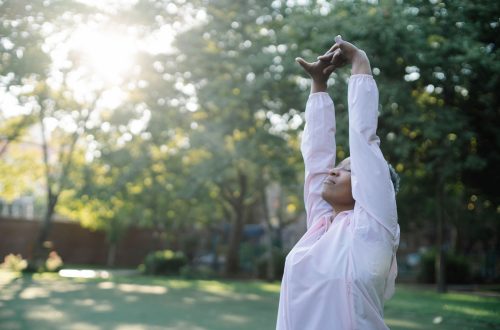
Photo by www.kaboompics.com on Pexels
Neuroscience Core: Activating the Brain’s Reward System
Understanding the neuroscience behind gratitude involves examining how this emotion activates specific pathways in the brain. When we express gratitude, our brains release neurotransmitters such as dopamine and serotonin, which play crucial roles in regulating mood. These chemicals help foster feelings of happiness and satisfaction, creating a positive feedback loop that encourages further acts of kindness and appreciation.
Neuroscientific studies have demonstrated that gratitude activates the brain’s reward system. A study conducted by researchers at the University of California, Berkeley, found that the experience of gratitude stimulates the anterior cingulate cortex and the medial prefrontal cortex. These areas are associated with decision-making, social cognition, and emotional regulation. As a result, individuals who regularly practice gratitude often report enhanced emotional resilience and improved interpersonal relationships.
Additionally, gratitude has been linked to the reduction of stress and anxiety levels. Neuroscientific research indicates that gratitude can help lower cortisol levels, the hormone primarily associated with stress. Lower cortisol levels are beneficial for overall mental health, as they can decrease the risk of anxiety disorders and depression. Therefore, the act of being thankful not only makes us feel good but actively contributes to healthier brain function.
To further illustrate, a study published in the journal “Psychological Science” found that participants who practiced gratitude had increased neural activity in areas of the brain associated with social bonding and connection. This suggests that gratitude not only enhances individual well-being but also promotes stronger relationships.
Neural Paths: Rewire Our Brains for Positivity via Neuroplasticity
Gratitude affects brain function through various mechanisms. For instance, when we reflect on what we are thankful for, we engage in positive thinking, which can alter our brain’s neural pathways. This process is known as neuroplasticity—the brain’s ability to reorganize itself by forming new neural connections throughout life. By consistently practicing gratitude, we can potentially rewire our brains to focus more on the positive aspects of life, thereby enhancing our overall mental health.
Furthermore, gratitude can improve our ability to cope with adversity. Individuals who regularly engage in gratitude practices tend to develop a more optimistic outlook on life. This shift in perspective helps them navigate challenges with greater ease and resilience. Studies published in journals such as the Journal of Personality and Social Psychology have shown that grateful individuals are more likely to perceive stressful situations as manageable, thereby mitigating the detrimental effects of stress on mental health.
Moreover, gratitude has been linked to better sleep quality. Research indicates that individuals who practice gratitude before bedtime experience less anxiety and intrusive thoughts, leading to improved sleep patterns. This connection between gratitude and sleep is particularly noteworthy, as quality sleep is essential for cognitive function and emotional regulation.
Emotional Control: Regulating Mood and Neurotransmitters Naturally
Emotional regulation is a critical aspect of mental health, and gratitude plays a significant role in this process. Individuals who practice gratitude are often better equipped to cope with negative emotions, such as anger, sadness, and frustration. Gratitude encourages a shift in focus from what we lack to what we have, promoting emotional balance and well-being.
Research conducted by the Greater Good Science Center at the University of California, Berkeley, indicates that gratitude can lead to decreased feelings of envy and resentment. By fostering a mindset of abundance rather than scarcity, gratitude helps individuals cultivate positive emotions and reduces the likelihood of experiencing negative emotional states. This emotional balance is essential for maintaining mental health, as it allows individuals to navigate life’s ups and downs more effectively.
For example, consider individuals who have faced significant life challenges, such as job loss or relationship breakdowns. Those who practice gratitude tend to focus on what they can learn from the experience and what they still have, rather than solely on their losses. This ability to reframe situations is a vital component of emotional resilience.
Additionally, individuals who incorporate gratitude into their lives tend to display greater empathy and compassion towards others. This is likely due to the emotional regulation skills developed through gratitude practices, enabling individuals to respond to others’ struggles with understanding rather than judgment.
Psychological Impact: Broad Benefits of Cultivating a Gratitude Practice
The psychological benefits associated with gratitude are vast and varied. Numerous studies suggest that practicing gratitude can lead to increased happiness, improved relationships, and even greater life satisfaction. One of the most well-known studies in this area was conducted by Dr. Robert Emmons and Dr. Michael McCullough, who found that individuals who kept gratitude journals reported higher levels of well-being compared to those who did not.
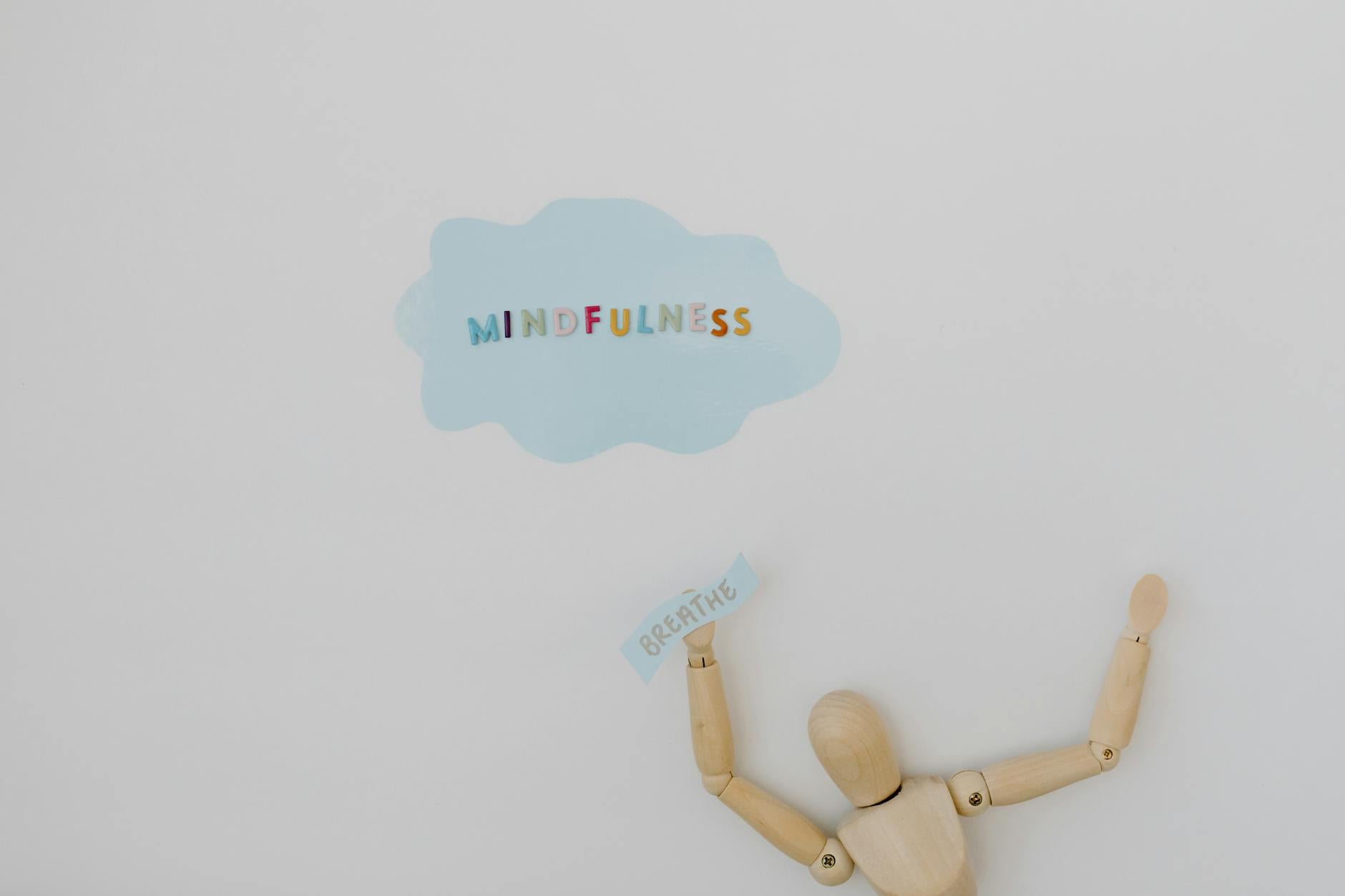
Photo by Tara Winstead on Pexels
Participants in their study were divided into two groups—one group documented things they were grateful for, while the other group recorded daily hassles or neutral events. The results revealed that those who practiced gratitude experienced more positive emotions, felt more connected to others, and reported greater life satisfaction. The findings underscore the importance of gratitude as a psychological tool for enhancing one’s overall mental health.
Moreover, a meta-analysis published in the journal “Personality and Individual Differences” reviewed multiple studies on gratitude and found a consistent link between gratitude and overall well-being. The analysis revealed that gratitude not only enhances positive emotions but also reduces symptoms of depression and anxiety.
Subjective Well-Being: Boosting Joy and Overcoming Negative Emotions
Gratitude is closely linked to happiness, and research supports this connection. According to a study published in the Journal of Happiness Studies, grateful individuals report higher levels of subjective well-being and life satisfaction. This relationship can be attributed to the way gratitude promotes positive emotions and fosters a sense of belonging and connectedness.
Moreover, the act of expressing gratitude can strengthen social bonds, which are critical for emotional health. When we express appreciation to others, we not only enhance our relationships but also create a supportive social network that contributes to our overall happiness. A strong social support system has been shown to be one of the key factors in maintaining mental health and resilience.
In practical terms, gratitude can manifest in various forms. Simple actions, such as writing thank-you notes, verbally expressing appreciation, or even reflecting on positive experiences during a daily routine, can create a ripple effect of happiness. The more we engage in these practices, the more robust our sense of gratitude and happiness becomes.
Social Bonding: Strengthening Connections and Improving Relationships
Gratitude has significant implications for our interpersonal relationships. Expressing appreciation can strengthen bonds between friends, family members, and romantic partners. Research indicates that individuals who express gratitude towards their partners experience increased relationship satisfaction and intimacy.
In a study published in the journal Personal Relationships, couples who engaged in gratitude exercises reported greater feelings of connection and satisfaction in their relationships. This suggests that gratitude not only enhances individual well-being but also serves as a vital component in building and maintaining healthy relationships. By fostering a culture of appreciation, we can create more fulfilling connections with those around us.
Furthermore, gratitude can act as a buffer during conflicts. When partners express gratitude, it can help mitigate negative feelings that arise during disagreements. This positive communication can lead to more constructive discussions and resolutions, ultimately strengthening the relationship. Therefore, integrating gratitude practices into relationships can yield long-term benefits for emotional intimacy and satisfaction.
Cultivating a Gratitude Practice

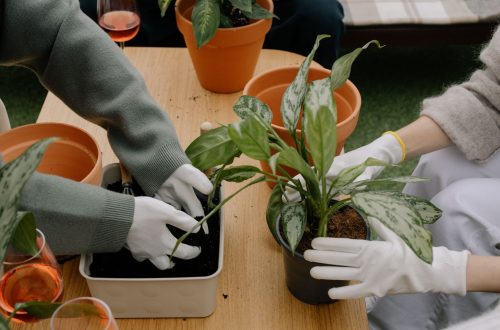
Photo by Vanessa Ray on Pexels
Incorporating gratitude into your daily routine can have transformative effects on your mental health. Here are some practical strategies for cultivating a gratitude practice that can enhance your well-being:
Gratitude Journaling
One of the most effective ways to practice gratitude is through journaling. Keeping a gratitude journal involves regularly writing down things you are thankful for, whether big or small. Research has shown that this practice can lead to increased feelings of happiness and satisfaction. Aim to write in your journal at least once a week to reap the benefits.
When journaling, try to be specific about what you are grateful for and why. This added detail can deepen your appreciation and help you reflect on the positive aspects of your life. Over time, this practice can shift your focus from negative thoughts to a more positive outlook, contributing to enhanced mental health.
Furthermore, consider varying the format of your gratitude journal. For instance, you can include drawings, photographs, or quotes that inspire you. This creative approach can make the practice more engaging and personalized, reinforcing your commitment to gratitude.
Expressing Gratitude to Others
Another powerful way to cultivate gratitude is by expressing appreciation to those around you. Whether it’s a simple thank-you note, a heartfelt conversation, or a small gesture of kindness, taking the time to acknowledge others can strengthen your relationships and enhance your emotional well-being.
Research supports the notion that expressing gratitude can create a ripple effect, promoting a culture of appreciation within your social network. By making gratitude a regular part of your interactions, you not only uplift others but also experience the positive psychological benefits associated with gratitude.
Consider setting aside time each week to reach out to someone you appreciate. This could be a friend, family member, colleague, or even someone who provides a service you rely on. Expressing your gratitude can create a sense of connection and remind you of the positive influences in your life.
Mindfulness and Gratitude
Combining mindfulness practices with gratitude can further enhance your mental health. Mindfulness encourages us to be present and fully engaged in the moment, while gratitude helps us focus on the positive aspects of our lives. Together, these practices can create a powerful synergy that promotes emotional well-being.
Consider incorporating mindfulness meditation into your gratitude practice. Spend a few minutes each day reflecting on what you are grateful for while focusing on your breath and being present in the moment. This approach can deepen your sense of appreciation and foster a greater connection to your emotions and experiences.
Additionally, try to engage in mindful gratitude walks. During these walks, focus on your surroundings and notice the beauty in nature, the kindness of others, or the comfort of your home. This practice can help you cultivate a greater sense of gratitude while also benefiting from the mental health advantages of being physically active.
Challenges in Practicing Gratitude
While the benefits of gratitude are well-documented, some individuals may find it challenging to practice gratitude regularly. Factors such as stress, anxiety, and negative life circumstances can hinder one’s ability to focus on the positive. It’s essential to recognize these challenges and develop strategies to overcome them.

Photo by Andres Ayrton on Pexels
Overcoming Negative Emotions
Many people struggle to practice gratitude when faced with negative emotions or difficult life situations. It can be challenging to feel thankful when experiencing grief, loss, or disappointment. However, acknowledging these emotions is a vital step in the healing process.
One strategy to overcome negative emotions is to practice self-compassion. By treating yourself with kindness and understanding, you can create space for gratitude to emerge. Additionally, consider reframing your perspective by focusing on small, manageable aspects of your life that bring you joy, even in tough times. This shift in mindset can help cultivate a more grateful outlook.
For example, during times of loss, individuals can reflect on the positive memories shared with the person or situation they miss. This practice allows for the acknowledgment of grief while also celebrating the joy that those experiences brought. Over time, this approach can help individuals find gratitude even in the midst of sorrow.
Finding Time for Gratitude
In our fast-paced lives, finding time to practice gratitude can be a challenge. Busy schedules and daily responsibilities often leave little room for reflection. To address this, consider integrating gratitude into your existing routines. For instance, you can take a moment to express gratitude during your morning coffee or before bedtime.
Creating reminders, such as post-it notes or phone alerts, can also encourage you to pause and reflect on what you are thankful for throughout the day. The key is to make gratitude a consistent habit, even if it starts with small, manageable practices.
Additionally, consider involving others in your gratitude practice. You can initiate a gratitude circle with family or friends where each person shares something they are grateful for. This shared experience not only reinforces your gratitude practice but also fosters a sense of community and connection.
Frequently Asked Questions
Q: What is the best way to start practicing gratitude?
A: The best way to start practicing gratitude is to keep a gratitude journal. Write down three to five things you are thankful for each day. This practice can shift your focus towards the positive aspects of your life and help you develop a more optimistic outlook. Additionally, consider expressing gratitude to others through notes or verbal acknowledgments to strengthen your relationships. You can also set a reminder on your phone to prompt you to think of something you’re grateful for each day, making gratitude a regular part of your routine.
Q: How long does it take to see the benefits of practicing gratitude?
A: While individual experiences may vary, many people notice improvements in their mood and overall mental health within a few weeks of consistent gratitude practice. Studies show that even short-term interventions, such as writing in a gratitude journal or expressing appreciation, can lead to increased happiness and reduced depressive symptoms. Typically, the positive effects of gratitude can be observed after just a few sessions, but maintaining the practice over time is crucial for long-lasting benefits. Regular engagement is key, as it reinforces positive neural pathways in the brain.
Q: Can gratitude really change my brain?
A: Yes, research indicates that practicing gratitude can lead to changes in brain function. Gratitude activates regions of the brain associated with reward and emotional regulation, promoting feelings of happiness and reducing stress. Over time, consistent gratitude practice can potentially rewire your brain to focus on positive experiences, enhancing overall mental health. Neuroscientific studies have shown that individuals who practice gratitude experience increased neural connectivity in areas related to emotional processing, indicating a deeper emotional engagement with positive experiences.
Q: Is gratitude only beneficial for mental health?
A: While gratitude is primarily associated with mental health benefits, it also has positive implications for physical health. Studies suggest that grateful individuals tend to engage in healthier behaviors, such as regular exercise and proper sleep. Furthermore, gratitude has been linked to lower blood pressure and improved immune function, contributing to overall well-being. Gratitude can also enhance resilience, helping individuals cope better with physical health challenges, thereby leading to a more holistic approach to wellness.
Q: What if I struggle to feel grateful?
A: It’s normal to struggle with gratitude, especially during challenging times. Acknowledge your feelings and practice self-compassion. Start small by focusing on minor aspects of your life that bring you joy, even amidst difficulties. Gradually, you can build a more extensive gratitude practice. Consider activities like gratitude meditation, where you reflect on positive experiences in a structured way. Additionally, seeking support from a mental health professional can provide guidance on navigating these feelings and developing a more positive outlook on life.
Q: Can gratitude improve my relationships?
A: Yes, gratitude can significantly enhance relationships. Expressing appreciation towards others fosters a sense of connection and intimacy. Research indicates that couples who practice gratitude report higher satisfaction and improved communication. By cultivating a culture of gratitude within your relationships, you create a supportive environment that benefits everyone involved. Implementing simple practices, such as regularly expressing thanks or acknowledging the efforts of those around you, can strengthen your emotional bonds and foster a deeper understanding and respect in your relationships.
The Long-Term Impact of Gratitude
Beyond immediate emotional benefits, gratitude can have lasting effects on mental health and overall life satisfaction. Longitudinal studies have shown that individuals who consistently practice gratitude tend to report higher levels of well-being over time. This sustained engagement with gratitude can create a positive cycle where increased happiness leads to even more gratitude, reinforcing healthy behaviors and emotional resilience.
Moreover, gratitude can influence how we perceive challenges and setbacks. Individuals who maintain a gratitude practice are more likely to view obstacles as opportunities for growth rather than as insurmountable problems. This mindset shift is particularly beneficial in navigating life’s complexities and uncertainties, as it fosters a sense of agency and control over one’s circumstances.
Incorporating gratitude into your lifestyle can also lead to greater community engagement. Grateful individuals are more likely to volunteer, participate in community service, and contribute positively to their environments. This engagement not only enhances personal well-being but also fosters a sense of belonging and connection with others, further enriching one’s life experience.
Conclusion
The exploration of gratitude science mental health reveals the profound impact that thankfulness can have on our brains and overall well-being. By engaging in gratitude practices, we can enhance our emotional resilience, improve our relationships, and cultivate a more positive outlook on life. The neuroscience behind gratitude underscores its importance, demonstrating how it activates brain pathways that contribute to happiness and emotional regulation.
Moreover, the psychological benefits of gratitude are far-reaching, fostering increased life satisfaction and emotional balance. While challenges may arise in practicing gratitude, adopting practical strategies such as journaling, expressing appreciation, and integrating mindfulness can help overcome these obstacles.
Ultimately, the journey towards a more grateful mindset is a rewarding one, with the potential to transform not only our mental health but also our relationships and overall quality of life. As we continue to understand the science behind gratitude, let us embrace its power to create a more fulfilling existence, filled with appreciation, joy, and connection. By committing to gratitude as a daily practice, we can enrich our lives and the lives of those around us, fostering a healthier, happier, and more connected world.
Other of articles:
Cognitive Behavioral Therapy Efficacy
The information provided is for reference only. Please consult a professional physician if you experience any discomfort.