Understanding how your body converts food into energy is the first step toward lasting weight management. When the metabolic engine runs efficiently, you burn more calories at rest and during activity, making it easier to maintain a healthy weight. This guide walks you through twelve evidence‑based strategies that can help you boost metabolism naturally without relying on extreme diets or risky supplements. By integrating these habits into daily life, you’ll support hormonal balance, preserve lean muscle, and improve overall vitality.

Effective Lifestyle Changes to Boost Metabolism Naturally
Prioritize Quality Sleep
Sleep deprivation disrupts the hormones leptin and ghrelin, which regulate hunger and fullness. A study published in the National Institute of Diabetes and Digestive and Kidney Diseases found that individuals who slept fewer than six hours per night experienced a slower resting metabolic rate. Aim for seven to nine hours of uninterrupted sleep each night. Create a calming bedtime routine, keep the bedroom cool, and limit screen exposure at least an hour before bed to promote deeper, restorative sleep.
Practical tip: Write a short “wind‑down” checklist that includes dimming lights, turning off electronic devices, and a brief stretch or meditation. Consistency signals the brain that it’s time to transition into sleep mode, which can improve sleep architecture and, in turn, metabolic efficiency.
Research also shows that sleeping on a firmer mattress can reduce micro‑movements that fragment sleep stages. If you wake frequently, consider a mattress topper that supports spinal alignment while providing gentle pressure relief.
Manage Stress Levels
Chronic stress triggers the release of cortisol, a hormone that can encourage the body to store fat, especially around the abdomen. Elevated cortisol also interferes with thyroid function, which is essential for metabolic regulation. Incorporating stress‑reduction techniques such as mindfulness meditation, deep‑breathing exercises, or gentle yoga can lower cortisol levels. Even short, five‑minute breathing sessions throughout the day have been shown to improve metabolic markers and support weight‑loss efforts.
Real‑world example: A busy professional who scheduled three 10‑minute mindfulness breaks during an eight‑hour workday reported a measurable drop in afternoon cravings and a modest increase in daily step count, both of which contribute to a higher overall energy expenditure.
Additional strategy: Keep a “stress journal” to identify patterns. When you notice a spike in stress, replace the trigger with a quick walk, a glass of water, or a brief stretch. Over time, these micro‑interventions can blunt cortisol spikes and keep the metabolic engine humming.
Optimize Your Nutrition for a Faster Metabolic Rate
Protein‑Rich Meals
Protein has a higher thermic effect than carbohydrates or fats, meaning the body expends more energy digesting it. Research from the CDC’s Healthy Weight program indicates that increasing protein intake by 25 % can raise daily calorie expenditure by up to 80 calories. Include lean sources such as chicken breast, fish, legumes, and low‑fat dairy in each meal. Pairing protein with fiber‑rich vegetables further stabilizes blood sugar and prolongs satiety.
Practical tip: Prepare a “protein pantry” with canned tuna, Greek yogurt, and pre‑cooked lentils. When hunger strikes, you can assemble a balanced snack in under five minutes, preventing reliance on high‑carb convenience foods.
Evidence shows that spreading protein intake evenly across three to four meals maximizes the thermic effect. For example, a 70‑kg adult consuming 1.6 g/kg of protein per day—split into four servings—can experience a 10‑15 % increase in total daily energy expenditure compared with an uneven distribution.
Spice It Up with Thermogenic Foods
Capsaicin, the compound that gives chili peppers their heat, has been shown to temporarily increase metabolic rate. A review in the Healthline database reported that consuming spicy foods can boost calorie burn by 8 % for up to two hours after a meal. Incorporate cayenne pepper, ginger, or turmeric into soups, stir‑fries, and marinades to take advantage of this natural thermogenic effect.
Real‑world example: A college student added a pinch of cayenne to her morning oatmeal and reported feeling a subtle increase in warmth and alertness, which she linked to a slight uptick in daily step count during her campus walk.
Additional data: A randomized crossover trial found that participants who consumed a capsaicin‑enriched beverage burned an average of 50 extra calories during a 30‑minute post‑meal period compared with a placebo drink. The effect was most pronounced when combined with a protein‑rich snack.
Strategic Exercise Techniques That Ignite Calorie Burn

High‑Intensity Interval Training (HIIT)
HIIT alternates short bursts of maximal effort with brief recovery periods, creating an “afterburn” effect known as excess post‑exercise oxygen consumption (EPOC). According to the Mayo Clinic, a 20‑minute HIIT session can elevate metabolism for up to 24 hours, burning more calories than steady‑state cardio of the same duration. Begin with 30‑second sprints followed by 60‑second walks, repeating for 8‑10 cycles, and gradually increase intensity as fitness improves.
Practical tip: Use a timer app that alternates work and rest intervals automatically. This removes the need to watch the clock and helps maintain the high intensity required for maximal EPOC.
Evidence from a 2018 meta‑analysis showed that participants who performed HIIT three times per week for six weeks increased their resting metabolic rate by an average of 7 % compared with a control group doing moderate‑intensity continuous training.
Strength Training for Muscle Mass
Muscle tissue is metabolically active, requiring more energy to maintain than fat tissue. Engaging in resistance training two to three times per week can preserve and build lean mass, thereby raising basal metabolic rate. Focus on compound movements such as squats, deadlifts, and push‑ups, which recruit multiple muscle groups simultaneously. Even bodyweight circuits performed at a moderate pace can stimulate muscle growth and support a higher daily calorie expenditure.
Real‑world example: A middle‑aged office worker swapped his afternoon coffee break for a 20‑minute kettlebell routine. Within eight weeks, he noticed a modest increase in his shirt size (muscle gain) and reported feeling less sluggish during the workday.
Scientific insight: A study in the *Journal of Applied Physiology* demonstrated that adding 10 kg of lean muscle can increase resting energy expenditure by roughly 50 calories per day. While the absolute number seems small, it compounds over months and years, especially when paired with other metabolic‑supporting habits.
Hydration and Its Role in Energy Expenditure
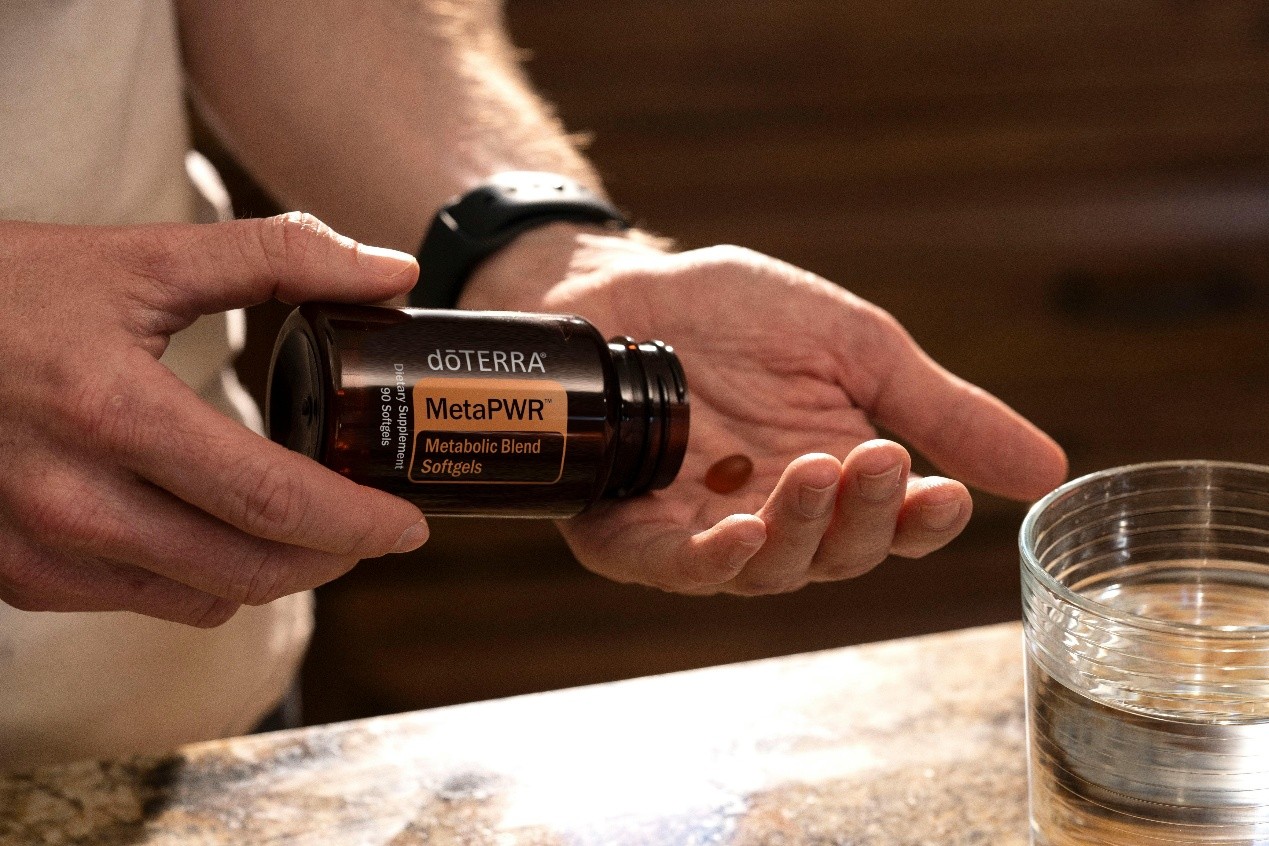
Photo by DoTERRA International, LLC on Pexels
Water Intake Timing
Staying well‑hydrated is essential for optimal metabolic function. Drinking cold water may temporarily increase calorie burn as the body works to warm the fluid to core temperature. Aim to consume at least 2 liters of water daily, spreading intake throughout the day. Starting each meal with a glass of water can also promote a feeling of fullness, reducing overall caloric intake without compromising nutrient absorption.
Practical tip: Keep a reusable bottle with volume markings on your desk. When the marker reaches the halfway point, refill it—this visual cue helps you meet daily targets without constant mental calculation.
Research indicates that mild dehydration (as little as 1 % body weight loss) can reduce metabolic rate by up to 3 %. Rehydrating promptly after exercise or in hot environments therefore safeguards the metabolic advantage you’ve built through training.
Green Tea and Caffeine
Green tea contains catechins, particularly epigallocatechin gallate (EGCG), which have been linked to modest increases in metabolic rate. A meta‑analysis in the Healthline review highlighted that regular green‑tea consumption can raise daily energy expenditure by 3‑4 %. Pairing green tea with a modest amount of caffeine, as found in coffee, may further enhance thermogenesis. Limit added sugars to keep the calorie count low.
Practical tip: Brew a cup of green tea and let it cool for a few minutes before adding a splash of lemon. The vitamin C improves catechin absorption, maximizing the thermogenic benefit.
Evidence from a 12‑week trial showed that participants who drank three cups of green tea daily lost an average of 1.5 kg more than a control group, despite no changes in diet or exercise. The modest weight loss aligns with the slight increase in resting calorie burn observed in laboratory settings.
Everyday Habits That Keep Your Metabolism Revved
Frequent Small Meals vs. Intermittent Fasting
While the optimal eating pattern varies among individuals, research suggests that spreading protein intake across several meals can sustain a higher thermic effect throughout the day. Conversely, intermittent fasting may improve insulin sensitivity and promote fat oxidation in some people. Experiment with both approaches to determine which aligns best with your lifestyle, activity level, and personal preferences.
Practical tip: If you choose a traditional three‑meal pattern, aim for 20‑30 g of protein at breakfast, lunch, and dinner, plus a protein‑rich snack. If you prefer a time‑restricted window, concentrate your protein intake within the eating period to preserve muscle mass.
Data from a crossover study showed that participants who ate six small meals per day burned approximately 50 more calories over 24 hours than those who ate three larger meals, primarily due to the repeated thermic effect of food.
Standing and Moving Throughout the Day
Prolonged sitting reduces muscle activity and can lower daily calorie burn by up to 150 calories. Incorporate standing breaks every 30 minutes, use a height‑adjustable desk, or take short walks during phone calls. Simple movements like calf raises, desk stretches, or a quick set of jumping jacks can reactivate muscle fibers and keep metabolic processes humming even during work hours.
Real‑world example: An employee at a tech firm set a timer to stand and walk for two minutes every hour. Over a month, she logged an extra 1,200 steps per day and reported feeling more energetic in the afternoon, which translated into a modest increase in her weekly workout intensity.
Scientific insight: A 2015 study published in *BMJ* found that replacing one hour of sitting with light activity (e.g., standing or slow walking) increased daily energy expenditure by roughly 30–40 calories, a benefit that adds up over weeks and months.
Supportive Supplements and Micronutrients
Vitamin D and Iron
Deficiencies in vitamin D and iron are associated with reduced thyroid function and sluggish metabolism. Sunlight exposure, fortified foods, and supplements can help maintain adequate vitamin D levels. Iron, found in lean red meat, beans, and spinach, supports oxygen transport and energy production. Before starting any supplement regimen, consult a healthcare professional to assess individual needs and avoid excess intake.
Practical tip: Pair iron‑rich plant foods with vitamin C sources (e.g., bell peppers, citrus) to enhance non‑heme iron absorption. For vitamin D, a daily 1,000 IU supplement is often sufficient for adults living in higher latitudes during winter months.
Evidence from a randomized trial showed that correcting mild vitamin D deficiency increased resting metabolic rate by 5 % after eight weeks, likely due to improved mitochondrial function.
Probiotic and Gut Health
The gut microbiome influences how efficiently the body extracts energy from food. Certain probiotic strains have been linked to improved metabolic markers and reduced abdominal fat. Incorporate fermented foods such as yogurt, kefir, sauerkraut, and kimchi to nurture a diverse microbial community. A balanced gut environment can enhance nutrient absorption and support the metabolic processes that keep weight under control.
Practical tip: Start the day with a probiotic‑rich smoothie that includes kefir, a handful of berries, and a tablespoon of ground flaxseed. This combination delivers live cultures, antioxidants, and omega‑3 fatty acids, all of which support metabolic health.
Research published in *Cell Metabolism* demonstrated that participants who consumed a multi‑strain probiotic for 12 weeks experienced a 1.5 kg reduction in visceral fat, independent of changes in diet or exercise.
Environmental and Lifestyle Factors That Influence Metabolic Rate
Ambient Temperature
Living in a consistently warm environment can reduce the body’s need to generate heat, slightly lowering daily calorie expenditure. Conversely, exposure to cooler temperatures activates brown adipose tissue, which burns calories to produce warmth. A study in the *Journal of Clinical Endocrinology* found that participants who slept in a room set to 66 °F (19 °C) burned an average of 70 extra calories per night compared with those in a 75 °F (24 °C) room.
Practical tip: Lower your thermostat by a few degrees during sleep and consider a light sweater if you feel chilly. Even brief periods of mild cold exposure, such as a 10‑minute walk outside in cooler weather, can stimulate thermogenic pathways.
It is important to balance comfort with safety; extreme cold can increase stress hormones, which may counteract metabolic benefits. Aim for a modest, sustainable temperature drop rather than drastic changes.
Meal Timing Relative to Physical Activity
Consuming a balanced snack that includes protein and carbohydrates within 30 minutes after exercise can replenish glycogen stores and support muscle repair, which in turn sustains a higher resting metabolic rate. Skipping post‑workout nutrition may blunt these benefits and lead to increased muscle breakdown.
Practical tip: Keep a portable snack—such as a banana with a tablespoon of almond butter—ready in your gym bag. This simple habit ensures you refuel promptly without reaching for processed options.
Evidence from a 2016 trial showed that participants who ate a post‑exercise protein‑carb snack experienced a 10 % greater increase in resting metabolic rate over four weeks compared with those who delayed eating for more than two hours.
Frequently Asked Questions
Q: Can I really increase my basal metabolic rate without medication?
A: Yes, lifestyle modifications can produce measurable improvements in resting energy expenditure. Strategies such as building lean muscle through resistance training, consuming adequate protein, staying hydrated, and ensuring sufficient sleep all contribute to a higher basal metabolic rate. While the changes may be modest—often ranging from 5 % to 10 %—they compound over time, especially when combined with a balanced diet and regular physical activity. Additionally, reducing chronic stress and optimizing thyroid‑supporting nutrients like iodine and selenium can further enhance the body’s natural calorie‑burning capacity. The key is consistency; small daily actions add up to a noticeable metabolic advantage.
Q: How important is the timing of meals for metabolic health?
A: Meal timing can affect hormone fluctuations that regulate hunger and energy storage. Eating a protein‑rich breakfast can jump‑start metabolism and reduce cravings later in the day. Conversely, large meals close to bedtime may interfere with the body’s natural circadian rhythm, potentially leading to reduced insulin sensitivity and a slower nighttime metabolic rate. Aligning meals with daylight hours—often referred to as “chrono‑nutrition”—supports the body’s internal clock, promoting more efficient nutrient processing. For many people, a window of 8–10 hours for eating (e.g., 7 a.m. to 5 p.m.) works well, but individual preferences and work schedules should guide the final plan.
Q: Are there any risks associated with high‑intensity interval training?
A: HIIT is generally safe for healthy adults, but individuals with cardiovascular conditions, joint issues, or a sedentary background should seek medical clearance before beginning. Proper warm‑up, gradual progression, and listening to the body’s signals are essential to prevent injury. Modifying intensity—such as using low‑impact intervals like cycling, rowing, or elliptical work—can provide similar metabolic benefits while reducing joint stress. It is also advisable to limit HIIT sessions to two or three times per week, allowing adequate recovery for the nervous system and muscles. Overtraining can elevate cortisol, which may counteract the metabolic gains you are seeking.
Q: Does drinking cold water really burn more calories?
A: The thermogenic effect of cold water is modest but real. The body expends energy to raise the temperature of ingested water to core body temperature, resulting in a slight increase in calorie burn. While the effect alone won’t lead to significant weight loss, it contributes to overall energy expenditure when combined with other metabolic‑supporting habits. For example, drinking 500 ml of ice‑cold water can burn roughly 10–15 calories. Over a day, if you replace sugary beverages with cold water, the cumulative effect can add up, especially when paired with regular physical activity and a nutrient‑dense diet.
Q: Should I consider taking supplements to boost my metabolism?
A: Supplements can fill nutritional gaps, but they are not a substitute for a well‑balanced diet and active lifestyle. Evidence supports the role of vitamin D, iron, and certain probiotics in metabolic health, yet excessive dosing may cause adverse effects such as hypercalcemia or gastrointestinal distress. Before adding any supplement, assess your current diet, get blood work if possible, and discuss findings with a qualified healthcare provider. Targeted supplementation—like a modest vitamin D dose for those with low serum levels—can enhance metabolic function, but the foundation should always be whole foods, adequate sleep, stress management, and regular movement.
Conclusion
By embracing a holistic approach that blends nutrition, movement, sleep, and stress management, you can effectively boost metabolism naturally and set the stage for sustainable weight control. Remember that each method works synergistically; the cumulative impact of small, consistent changes often outweighs any single drastic measure. Start by selecting a few strategies that resonate with your lifestyle, track progress, and adjust as needed. Over time, these evidence‑based practices will not only enhance your metabolic rate but also improve overall health, energy levels, and quality of life. Consistency, patience, and a willingness to experiment with what works best for you are the true keys to long‑term success.
Other of articles:
sweat in the morning or in the evening
The information provided is for reference only. Please consult a professional physician if you experience any discomfort.