Artificial intelligence (AI) is making significant strides in various sectors, including healthcare. Among the most intriguing applications is the use of AI mental health chatbots. These digital tools offer an innovative approach to mental health therapy, raising questions about their effectiveness and potential to replace traditional counselling. As mental health issues continue to rise globally, the demand for accessible and immediate support has never been greater. In this comprehensive article, we will explore the role of AI in mental health therapy, evaluating the capabilities of chatbots, their limitations, ethical concerns, and the future of mental health treatment.
 AI Mental Health Chatbot: Can It Replace Human Counsellors?
Photo by Airam Dato-on on Pexels
Market Evolution: How Chatbots Leverage Natural Language Processing and Machine Learning Algorithms
The integration of AI into mental health care is a response to the growing need for accessible, scalable, and effective mental health support. Mental health disorders affect millions of individuals worldwide, with the World Health Organization estimating that one in four people will experience a mental health issue at some point in their lives. Traditional therapy often involves long waiting times and expensive sessions, which can be barriers to accessing care.
In recent years, AI-powered chatbots have emerged as a solution to these challenges. These applications are designed to provide immediate support, often available 24/7, making them an attractive option for individuals seeking help. The technology behind these chatbots leverages natural language processing and machine learning algorithms to simulate conversation and provide emotional support. By analyzing user inputs, these programs can offer tailored responses, resources, and coping strategies.
Moreover, studies have shown that AI mental health chatbots can effectively reduce symptoms of anxiety and depression. Research published in NCBI has demonstrated that users experience significant improvements in mental well-being after interacting with these applications. As a result, more organizations are investing in developing sophisticated chatbots to enhance mental health services.
One notable example is the chatbot Woebot, which uses cognitive-behavioral therapy (CBT) techniques to help users manage their mental health. A study involving Woebot found that participants reported a 28% reduction in symptoms of depression and a 22% reduction in anxiety after engaging with the bot over two weeks. Such results underscore the potential of these tools to provide real benefits to users.
Therapeutic Advantages: Using Digital Tools to Reduce Symptoms of Anxiety and Depression
AI mental health chatbots offer several advantages that can complement traditional therapy. One of the most significant benefits is accessibility. Individuals who may not have access to a licensed therapist due to geographic or financial constraints can still receive support through these digital platforms. Furthermore, chatbots can provide a sense of anonymity, which may encourage users to open up about their feelings and struggles more freely.
Another noteworthy benefit is the scalability of AI chatbots. They can handle numerous interactions simultaneously, meaning that a single application can support thousands of individuals at once. This capability is particularly beneficial in times of crisis, such as during a pandemic, when mental health needs surge. For example, during the COVID-19 pandemic, there was a reported increase in the use of mental health chatbots, reflecting the urgent need for accessible support when traditional services were overwhelmed.
Moreover, these tools can offer personalized support. By utilizing data and user interactions, chatbots can adapt their responses to meet individual needs, potentially making the therapeutic experience more effective. As they gather more data, they can refine their algorithms to provide increasingly relevant support and resources.
Additionally, AI chatbots can serve as a preventive measure, providing users with coping strategies and educational resources that may reduce the likelihood of developing severe mental health issues. For instance, a user struggling with anxiety can receive tools and techniques to manage their stress before it escalates into a more serious condition.
System Boundaries: Evaluating the Critical Lack of Human Empathy and Understanding
Despite their advantages, AI mental health chatbots are not without limitations. One significant concern is the lack of human empathy and understanding. While chatbots are designed to simulate conversation, they cannot replicate the emotional connection that occurs between a therapist and a client. This human aspect is often crucial for effective therapy, as many individuals seek not only solutions but also emotional support and validation.
Additionally, the complexity of mental health issues makes it challenging for chatbots to provide comprehensive support. While they can offer general advice and coping strategies, they may not be equipped to handle severe mental health crises or complex disorders. Users in crisis may require immediate intervention from a trained professional, which chatbots cannot provide.
Moreover, the effectiveness of chatbots can vary widely based on their design and the algorithms they employ. Some chatbots may struggle with understanding nuanced language or emotional subtleties, leading to responses that feel generic or unhelpful. This limitation may discourage users from engaging further, undermining the potential benefits of these tools.
There are also concerns regarding data privacy and security. Given the sensitive nature of mental health discussions, it is vital for users to trust that their information is protected. Ensuring robust data protection measures is essential for the widespread acceptance of AI chatbots in mental health care. Users must feel confident that their conversations will remain confidential and that their personal data will not be misused.
Technical Core: Understanding How an AI Mental Health Chatbot Operates
AI mental health chatbots operate through advanced algorithms and machine learning techniques that allow them to understand and respond to user inputs effectively. These chatbots utilize natural language processing (NLP) to interpret the text entered by users. By recognizing keywords and phrases, chatbots can assess the emotional tone and context of the conversation.

Photo by Solen Feyissa on Pexels
The chatbot’s responses are generated based on pre-programmed scripts and learned data from previous interactions. Over time, as more users interact with the chatbot, the system can refine its responses based on what has proven to be effective in past conversations. This ongoing learning process enables the chatbot to become more adept at providing relevant support.
Many AI chatbots also incorporate evidence-based therapeutic techniques, such as cognitive-behavioral therapy (CBT). By integrating these principles, chatbots can guide users through exercises aimed at changing negative thought patterns and behaviors. This approach can empower individuals to develop healthier coping mechanisms.
For example, a user experiencing anxiety might be guided through specific breathing exercises or cognitive restructuring techniques. These practical tools can help users manage their symptoms in real-time, making the chatbot a valuable resource for immediate relief.
User Interface: Enhancing the Conversational Flow and Real-Time Interaction Experience
For users, interacting with an AI mental health chatbot can be a straightforward and user-friendly experience. Most chatbots are designed to be conversational, allowing users to type in their concerns and receive immediate feedback. This real-time interaction can be reassuring for individuals seeking support, as it provides a sense of connection, even if it is not human.
The design of these chatbots often prioritizes ease of use, with intuitive interfaces that guide users through the conversation. Many platforms include features such as mood tracking, journaling prompts, and educational resources. These tools can enhance the user’s experience, providing additional layers of support beyond just conversation.
Moreover, some chatbots offer integration with other digital health tools, such as teletherapy platforms. This integration allows users to seamlessly transition from chatbot support to professional therapy if needed. Such a model can create a more comprehensive mental health support system, catering to various needs.
Real-world applications of this integrated approach can be seen in platforms like Talkspace, which pairs AI-driven chatbots with licensed therapists. Users can engage with the chatbot for immediate support and later schedule a session with a human therapist for deeper exploration of their issues.
Clinical Evidence: Reviewing Case Studies of Successful Implementation like Woebot
Numerous organizations have successfully implemented AI mental health chatbots within their services. For instance, Woebot is a popular chatbot that utilizes CBT principles to help users manage their mental health. Studies have shown that users report significant improvements in their symptoms after engaging with Woebot, highlighting its effectiveness as a supportive tool.
Another example is Wysa, a mental health chatbot designed to support users through various mental health challenges. Wysa provides users with evidence-based techniques and resources tailored to their needs. According to research published in HealthIT.gov, users of Wysa reported high satisfaction levels and improvements in mental well-being.
Furthermore, research conducted on the use of chatbots in university settings has shown that students who interacted with AI mental health tools reported decreased levels of stress and anxiety. These case studies illustrate the potential of AI chatbots to enhance mental health care, particularly for individuals who may otherwise have limited access to traditional therapy. As more organizations adopt these tools, we can expect continued advancements in AI’s role in mental health support.
Ethical Framework: Managing Data Privacy and Security Regulations for Sensitive Information
The rise of AI mental health chatbots brings forth a myriad of ethical considerations that must be addressed to ensure safe and effective use. One major concern is the potential for misdiagnosis or inadequate support. While chatbots can provide general guidance, they lack the nuanced understanding that a trained therapist possesses. Users may misinterpret chatbot advice as professional guidance, leading to harmful consequences.

Photo by Pavel Danilyuk on Pexels
Furthermore, issues related to data privacy are paramount. Mental health discussions are inherently personal and sensitive. Users need assurance that their data will be kept confidential and secure. Organizations developing these chatbots must implement rigorous data protection measures to build trust with users. For instance, adherence to regulations such as the Health Insurance Portability and Accountability Act (HIPAA) in the United States is crucial for safeguarding sensitive information.
There is also the risk of over-reliance on AI chatbots, especially among vulnerable populations. While these tools can be beneficial, they should not replace human interaction or professional therapy when needed. The ideal approach is to use chatbots as a complementary resource rather than a substitute for traditional therapy.
Compliance Standards: Establishing Strict Guidelines and Accountability Frameworks
As the use of AI in mental health therapy grows, so does the need for regulatory oversight. Currently, there is limited regulation governing the use of AI chatbots in mental health care. Establishing guidelines that ensure the ethical use of these technologies is crucial for safeguarding users.
Many jurisdictions require mental health platforms to adhere to specific standards regarding client safety, data protection, and practitioner qualifications. It is essential for chatbot developers to collaborate with mental health professionals to ensure compliance with existing regulations and ethical standards. For example, the European Union has proposed regulations for AI technologies that emphasize transparency, accountability, and user safety, which could serve as a model for future guidelines.
As AI technologies continue to evolve, ongoing discussions about regulatory frameworks will be necessary to address the unique challenges posed by these innovations in mental health care. By prioritizing ethics and regulations, the mental health field can harness the benefits of AI while minimizing risks to users.
Future Outlook: Transitioning to Hybrid Models That Combine AI Support with Human Oversight
The future of AI in mental health therapy appears promising, with ongoing advancements in technology and research. As AI algorithms become more sophisticated, we can expect chatbots to provide even more personalized and effective support. Machine learning will enable these tools to adapt to user needs better, enhancing their therapeutic effectiveness.

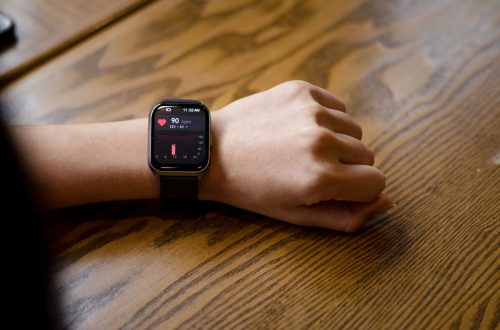
Photo by MART PRODUCTION on Pexels
Moreover, the integration of chatbots with other digital health platforms will likely become more prevalent. This integration can create a seamless mental health care experience, allowing users to access various resources in one place. As teletherapy continues to gain traction, AI chatbots can serve as an entry point for individuals seeking help.
Additionally, there is potential for collaboration between AI chatbots and licensed therapists. Hybrid models that combine AI support with human oversight may offer the best of both worlds. These models can provide immediate assistance through chatbots while ensuring that users have access to professional care when necessary.
Research and Development Trends
Ongoing research is crucial for the development of effective AI mental health chatbots. Studies focused on user experience, therapeutic outcomes, and algorithm effectiveness will help shape the future of these technologies. Researchers are also exploring the potential for AI to address specific mental health conditions, tailoring chatbot interventions accordingly.
Moreover, the incorporation of user feedback into the development process is essential. Understanding user needs and preferences can drive improvements in chatbot functionality and increase user satisfaction. As more individuals engage with these tools, their insights will provide valuable data for ongoing refinement.
Furthermore, partnerships between tech companies and mental health organizations are becoming increasingly common. These collaborations can ensure that the development of AI tools is informed by clinical expertise, leading to more effective and ethically sound chatbots. As research continues to evolve, we can anticipate new features and capabilities that will enhance the effectiveness of AI in mental health therapy.
Frequently Asked Questions
Q: Are AI mental health chatbots effective for everyone?
A: AI mental health chatbots can be effective for many individuals, particularly those seeking immediate support or coping strategies. However, their effectiveness may vary based on the user’s specific needs and the severity of their mental health challenges. For individuals with severe or complex mental health disorders, traditional therapy may still be the best option. Additionally, the user’s willingness to engage with the chatbot and their comfort level with technology can influence the success of their experience. Understanding these factors can help users make informed decisions about whether to utilize chatbot services.
Q: Can chatbots provide emergency assistance?
A: AI mental health chatbots are not equipped to handle emergencies or crises. Users in immediate danger or experiencing a mental health crisis should seek help from a licensed professional or contact emergency services. Chatbots can provide general support but cannot replace professional intervention when necessary. It’s essential for users to be aware of the limitations of these tools and have a plan in place for accessing immediate help if required. Many chatbots include disclaimers informing users to reach out to professionals in emergencies, which is a crucial aspect of responsible design.
Q: How do I choose the right AI mental health chatbot?
A: When selecting an AI mental health chatbot, consider factors such as user reviews, the chatbot’s approach to therapy, and the availability of additional resources. Look for chatbots that incorporate evidence-based therapeutic techniques and prioritize user safety and privacy. Additionally, exploring the chatbot’s user interface and ease of use can enhance the overall experience. Many platforms offer trial periods or free versions, which can allow users to test the service before committing to a paid plan. This trial phase can be beneficial for determining whether the chatbot aligns with the user’s needs.
Q: Will my data be safe with an AI mental health chatbot?
A: Data security is a crucial consideration when using AI mental health chatbots. Reputable platforms implement stringent data protection measures to ensure user confidentiality. Before using a chatbot, review its privacy policy to understand how your data will be used and protected. Many organizations utilize encryption and secure servers to safeguard sensitive information. Additionally, checking for compliance with regulations such as GDPR or HIPAA can provide further assurance regarding data safety. Users should feel empowered to ask questions about data security before engaging with these platforms, ensuring their information is handled responsibly.
Q: Can AI chatbots replace human therapists?
A: While AI mental health chatbots can provide valuable support, they are not a replacement for human therapists. The emotional connection and nuanced understanding that a trained professional offers are irreplaceable. Chatbots can serve as an adjunct to therapy, offering immediate assistance and resources. However, for deeper emotional issues requiring empathy and human insight, traditional therapy remains essential. The most effective approach may be a hybrid model, where users can interact with chatbots for immediate support while also having access to professional help for ongoing issues. This combined approach can maximize the benefits of both AI and human interaction.
Conclusion
The emergence of AI mental health chatbots represents a significant advancement in the field of mental health care. While these digital tools offer promising benefits, including accessibility and scalability, they are not without limitations. The human element of therapy remains essential, and chatbots should be viewed as complementary resources rather than replacements for traditional counselling.
As technology continues to evolve, the future of AI in mental health looks bright. Ongoing research, ethical considerations, and regulatory frameworks will play critical roles in shaping the development of these tools. By harnessing the strengths of AI while maintaining the importance of human connection, we can create a more comprehensive and effective mental health support system.
In conclusion, AI mental health chatbots have the potential to revolutionize the way we approach mental health therapy. They can act as an initial point of contact for those struggling with their mental well-being and offer immediate tools and resources. However, it is crucial to recognize their limitations and ensure that users understand the importance of professional help when needed. By integrating these tools thoughtfully within the broader mental health landscape, we can enhance access to care and promote better mental well-being for individuals around the world. Ultimately, the goal should be to create a mental health care system that is inclusive, supportive, and effective for all individuals, combining the best aspects of technology and human compassion.
Other of articles:
Journaling for Mental Health Anxiety
Therapy vs Medication Mental Health
Sleep Mental Health Connection
Gratitude Science Mental Health
Cognitive Behavioral Therapy Efficacy
The information provided is for reference only. Please consult a professional physician if you experience any discomfort.