Anxiety is a common mental health condition that can severely affect daily life, leading to feelings of worry, fear, and dread. Many individuals seek ways to manage anxiety naturally, seeking solutions beyond traditional pharmaceutical treatments. Fortunately, there are numerous proven strategies that can help individuals reduce anxiety symptoms effectively. In this article, we will explore ten evidence-based approaches that can assist in alleviating anxiety without the need for medications. These strategies are designed to enhance emotional well-being and promote a more balanced lifestyle.
 10 Proven Strategies to Reduce Anxiety Naturally
Photo by Alex Green on Pexels
Understanding Anxiety: The Importance of Natural Management
Anxiety disorders are among the most prevalent mental health conditions in today’s society. According to the National Institute of Mental Health, approximately 31.1% of adults in the United States experience an anxiety disorder at some point in their lives. The condition is characterized by excessive fear or worry that can lead to physical symptoms such as increased heart rate, sweating, and fatigue. While various treatment options exist, including medications and therapy, many individuals prefer to explore natural methods to manage anxiety.
The significance of natural management approaches lies in their capacity to empower individuals. These strategies provide individuals with tools to take control of their mental health. Moreover, they often come with fewer side effects compared to pharmacological treatments. It is essential to remember that while these strategies can be beneficial, they are not a substitute for professional help when needed. Building a robust support system and engaging in healthy lifestyle choices can substantially improve mental health.
1. Mindfulness and Meditation
One of the most effective ways to manage anxiety naturally is through mindfulness and meditation. These practices emphasize being fully present in the moment and can reduce the symptoms associated with anxiety. Mindfulness meditation trains the mind to focus, accept and observe thoughts without judgment, fostering a calmer disposition. Research shows that mindfulness-based practices can lead to reduced anxiety and stress, helping individuals manage their responses to challenging situations.
Incorporating mindfulness into daily routines can be simple. Individuals can start by dedicating a few minutes each day to practice mindfulness meditation. This can be achieved through guided meditation apps or videos, allowing beginners to follow along. Even mindful breathing exercises, where individuals focus on their breath, can significantly reduce feelings of anxiety.
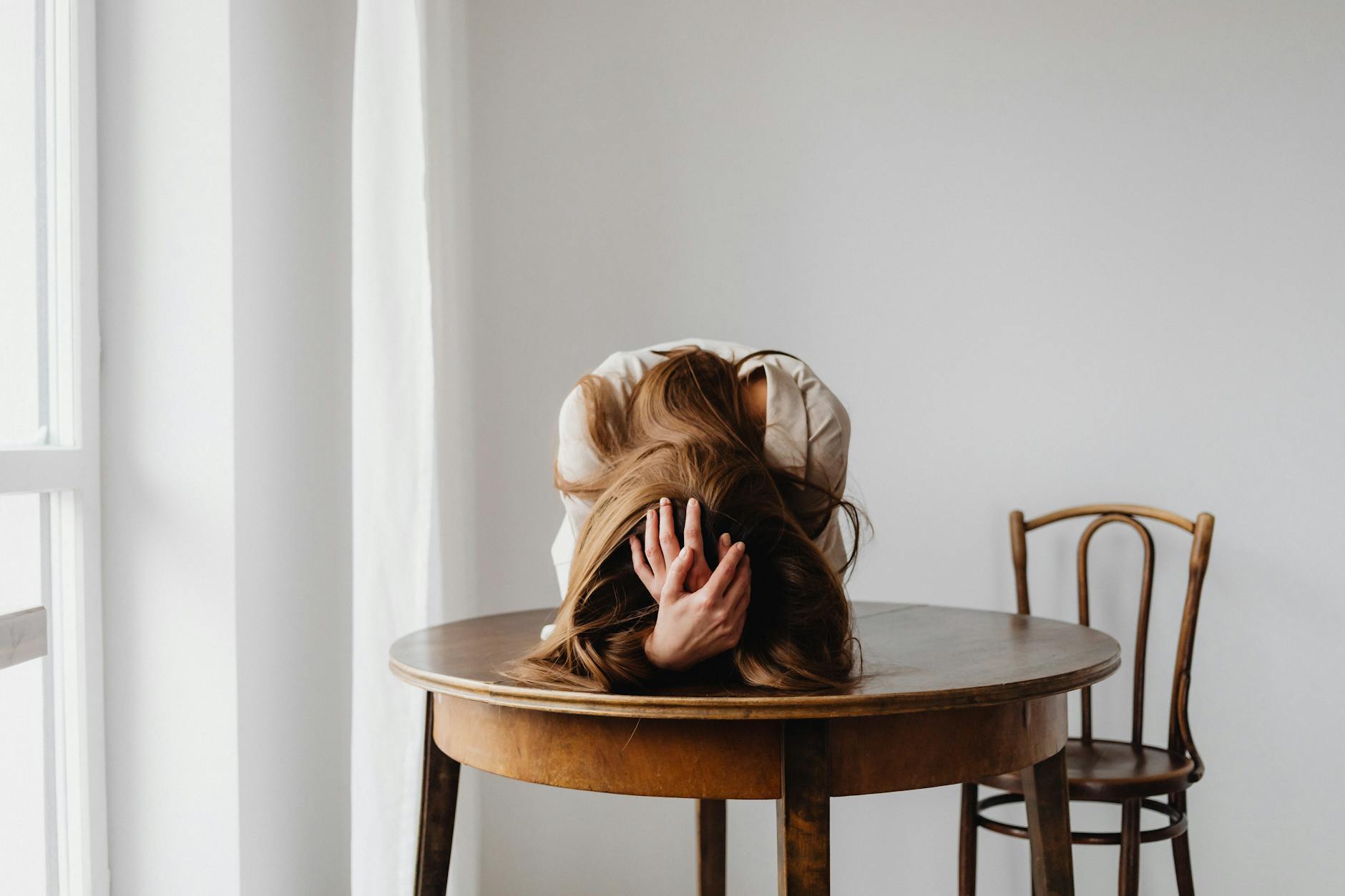
Photo by www.kaboompics.com on Pexels
Benefits of Mindfulness for Anxiety
The benefits of incorporating mindfulness techniques are extensive. Research published in *Psychological Bulletin* demonstrates that mindfulness can lead to significant reductions in anxiety symptoms. This practice helps individuals recognize their anxious thoughts without becoming overwhelmed by them. Furthermore, mindfulness promotes self-awareness and emotional regulation. By fostering these skills, individuals can experience a greater sense of control over their anxiety.
Additionally, mindfulness encourages individuals to engage in self-compassion. This approach allows them to treat themselves gently during moments of distress, which can ease the emotional burden associated with anxiety. The practice can also enhance overall mental resilience, equipping individuals with coping skills to deal with daily life stressors.
How to Get Started
To begin practicing mindfulness, consider finding a quiet space where you can sit comfortably for 5 to 10 minutes without interruptions. Focus on your breath, noticing the sensation of inhalation and exhalation. When thoughts arise, acknowledge them without judgment and gently redirect your focus back to your breath.
Consistent practice can lead to profound results. Over time, individuals may notice a decline in their anxiety levels and an increase in emotional well-being. Joining a mindfulness group or seeking guidance from a professional can also enhance your practice.
2. Regular Exercise
Another powerful method to manage anxiety naturally is through regular exercise. Engaging in physical activity triggers the release of endorphins—natural mood elevators. It is well-documented that exercise can lower symptoms of anxiety, improve mood, and increase overall feelings of well-being.
The physiological benefits of exercise are impressive, as it increases blood flow to the brain and reduces stress hormones. While the specific type of exercise may vary from person to person, both aerobic and anaerobic activities can contribute to alleviating anxiety. Whether it’s jogging, cycling, yoga, or even dancing, finding an activity you enjoy is key.

Photo by Towfiqu barbhuiya on Pexels
The Psychological Benefits of Exercise
Exercise not only impacts the body but also plays a crucial role in mental health. According to the Mental Health Government, engaging in regular physical activity is associated with improved mood and decreased anxiety levels. Exercise promotes better sleep, which is vital for emotional regulation. Lack of sleep can worsen anxiety symptoms, creating a vicious cycle.
Furthermore, exercise acts as a distraction. When individuals focus on their workout, they can temporarily escape from their anxious thoughts. Group activities or classes (such as Pilates or team sports) can also foster social connections, which can further alleviate feelings of loneliness and anxiety.
Creating a Consistent Routine
To reap the benefits of exercise, aim for at least 150 minutes of moderate activity each week. This could include brisk walking, swimming, or cycling. It’s beneficial to set achievable goals and gradually increase activity levels. Joining a fitness class or working out with a friend can boost motivation and compliance.
Staying consistent is key. Creating a schedule that incorporates exercise into your daily routine can make it easier to stick with it. Remember that any movement counts, and finding joy in physical activity can lead to long-lasting benefits.
3. Nutrition and Diet
The food we consume has a direct impact on physical and mental health. A balanced diet plays a critical role in managing anxiety. Nutritional deficiencies, such as low levels of certain vitamins and minerals, have been linked to heightened anxiety. Consuming a well-rounded diet can support brain health and lower anxiety levels.
Foods rich in omega-3 fatty acids—like salmon, walnuts, and flaxseed—are known to have mood-boosting properties. Similarly, whole grains, fruits, and vegetables provide essential nutrients that can stabilize mood. Studies show that diets high in processed foods and sugars may contribute to anxiety and depression. Conversely, a Mediterranean diet, which emphasizes healthy fats and whole foods, has been associated with lower levels of anxiety.
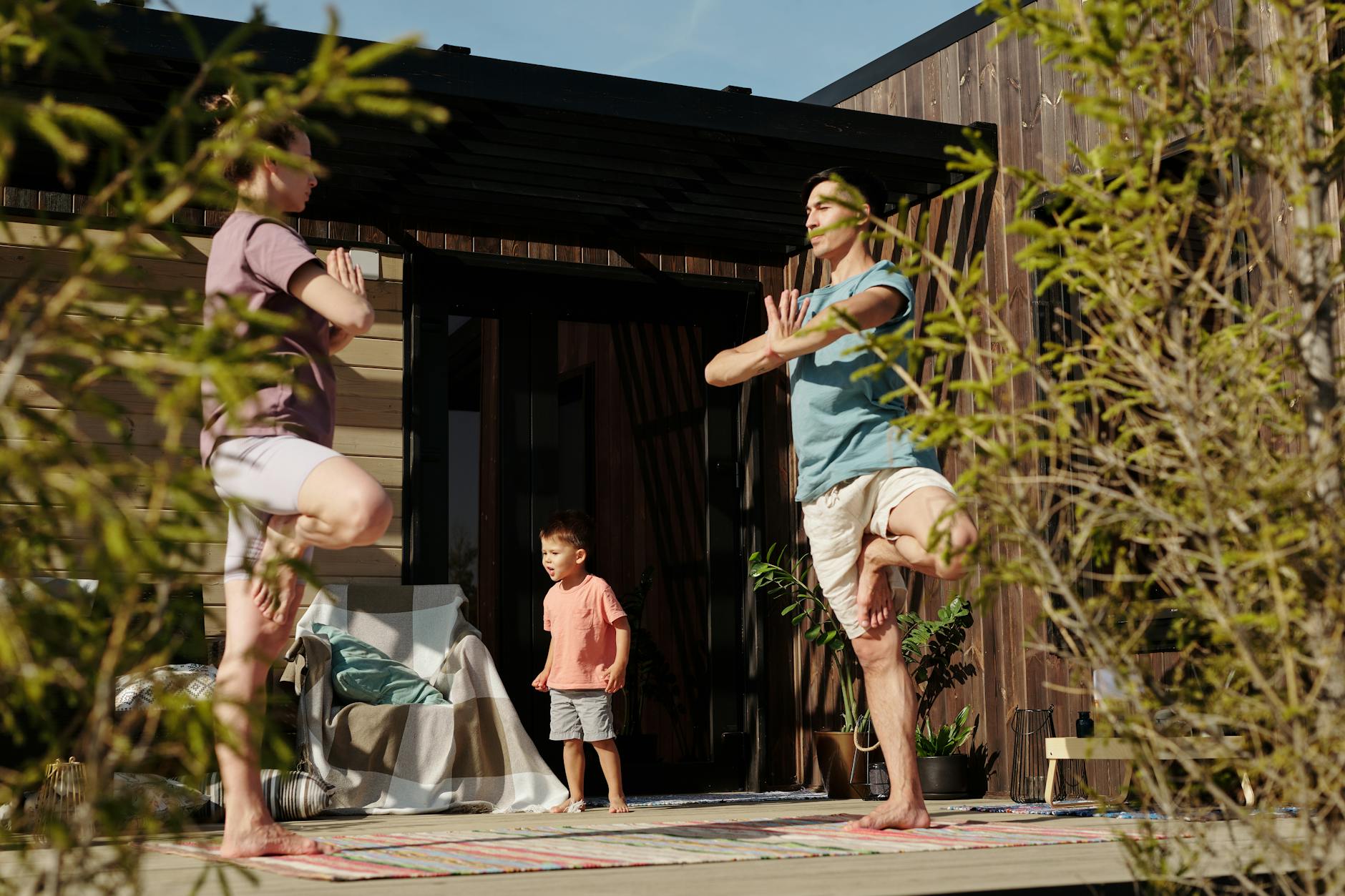
Photo by Werner Pfennig on Pexels
Specific Nutritional Strategies
Consider incorporating foods that are known to support mental well-being. Leafy greens, berries, and nuts are excellent choices. They provide antioxidants that reduce oxidative stress, a factor linked to mental health issues. Additionally, ensuring adequate hydration is crucial, as dehydration can lead to increased levels of anxiety.
Maintaining stable blood sugar levels is another effective strategy. This can be achieved by eating regular meals and snacks that combine carbohydrates with proteins and healthy fats. Avoiding excessive caffeine and alcohol may also be beneficial, as they can exacerbate anxiety symptoms.
Mindful Eating
Practicing mindful eating—where individuals pay full attention to their food—can enhance the overall relationship with food. This method encourages slower eating, leading to better digestion and enjoyment of meals. By increasing awareness of hunger and fullness cues, individuals can make healthier choices that support both physical and mental well-being.
4. Deep Breathing Exercises
Deep breathing exercises are a simple yet powerful tool for managing anxiety. They promote relaxation and help combat the physical symptoms of anxiety, such as rapid heart rate and shallow breathing. When individuals feel anxious, their bodies often respond with a fight-or-flight reaction, increasing tension and stress levels.
By focusing on deep, controlled breaths, individuals can stimulate the parasympathetic nervous system, which reduces heart rate and promotes a sense of calm. Deep breathing is a practice that can be done anywhere and only takes a few minutes. Engaging in these exercises during moments of heightened anxiety can facilitate immediate relief.
How to Practice Deep Breathing
One effective technique is the 4-7-8 breathing method. In this practice, take a deep breath in through your nose for four counts, hold it for seven counts, and exhale through your mouth for eight counts. Repeat this cycle four times, gradually increasing the number of repetitions as you become more comfortable.
Additionally, grounding techniques can be combined with deep breathing. For instance, focusing on the sensations of your feet on the ground while breathing deeply can enhance the calming effects. This technique brings awareness back to the present moment, providing much-needed relief from anxious thoughts.
Utilizing Deep Breathing in Daily Life
Incorporating deep breathing exercises into your regular routine can yield extensive benefits. Consider using reminders throughout the day to practice these techniques, especially during stressful situations or before challenging tasks. Regular practice not only provides immediate relief but also contributes to better emotional regulation overall.
5. Establishing a Sleep Routine
Quality sleep is a crucial component of mental well-being. Poor sleep can significantly exacerbate anxiety symptoms, leading to a negative cycle of fatigue and heightened stress levels. Establishing a consistent sleep routine contributes to improved sleep quality and helps regulate mood.
Experts recommend aiming for 7-9 hours of sleep each night. Developing a wind-down routine before bed can signal to your body that it is time to relax. This can include activities such as reading, taking a warm bath, or practicing relaxation techniques, including deep breathing or progressive muscle relaxation.
The Connection Between Sleep and Anxiety
According to the Psychology Today, individuals with anxiety disorders often experience sleep disturbances. The inability to fall asleep or stay asleep can increase irritability, cognitive issues, and heighten anxious thoughts during waking hours. Prioritizing sleep can mitigate these effects, leading to a more relaxed state of mind.
Additionally, creating an ideal sleep environment is key. Aim for a dark, quiet room with a comfortable temperature. Limiting screen time before bed is also essential, as blue light emitted by screens can disrupt sleep patterns.
Creating Optimal Sleep Habits
Limiting caffeine intake, especially in the afternoon, can support better sleep. Engaging in physical activity during the day can also facilitate falling asleep more easily. If difficulties persist, consider consulting with a medical professional to determine any underlying issues that may be impacting sleep quality.
6. Seeking Support through Therapy
While many may prefer to manage anxiety naturally, seeking support from a mental health professional can enhance the process significantly. Therapy provides individuals with a safe, supportive environment to explore their thoughts and feelings. Cognitive-behavioral therapy (CBT) is particularly effective for treating anxiety disorders.
CBT focuses on identifying and altering negative thought patterns that contribute to anxiety. Through this method, individuals learn to challenge irrational fears and develop healthier coping strategies. Engaging with a therapist can help individuals understand the root causes of their anxiety and develop personalized tools for management.
Types of Therapy for Anxiety Management
Various therapeutic approaches exist beyond CBT. Mindfulness-based stress reduction (MBSR) focuses on integrating mindfulness practices with traditional therapeutic techniques. Dialectical behavior therapy (DBT) emphasizes emotional regulation and distress tolerance, providing individuals with additional coping skills.
Another effective option is group therapy, where individuals share experiences and strategies in a supportive environment. Group settings can reduce feelings of isolation and promote a sense of community, which can be especially beneficial for those battling anxiety.
Finding the Right Therapist
When seeking assistance, it is essential to find a qualified mental health professional. Look for therapists who specialize in anxiety disorders and have appropriate credentials. Referrals from healthcare providers or trusted connections can also lead to finding the right fit.
7. Embracing Nature and Outdoor Activities
Connecting with nature can be a powerful method to alleviate anxiety. Spending time outdoors has been shown to promote mental well-being by reducing stress levels and increasing feelings of calm. Activities such as hiking, gardening, or simply sitting in a park can provide significant relief from anxious thoughts.
Nature exposure has positive effects on the body, such as lowering cortisol levels, which is a stress hormone associated with anxiety. According to research, spending time in green spaces can lead to improvements in mood and reductions in anxiety and depression.
Practicing Ecotherapy
Ecotherapy, or nature therapy, focuses on healing through interaction with the natural environment. This approach incorporates activities like hiking, gardening, or simply being in nature to boost mental health. Engaging in outdoor activities also provides opportunities for physical exercise, which further enhances the overall benefits.
Mindfulness practices while in nature can enhance feelings of joy and depth of connection to the environment, further alleviating anxiety symptoms. For those living in urban settings, even small parks or outdoor cafes can provide some benefits of nature exposure.
Integrating Nature into Your Life
To embrace nature, consider setting aside regular time for outdoor activities. Whether it is a weekend hike or daily walks around your neighborhood, fostering a connection with the outdoors can be rejuvenating. Encourage friends and family to join you as a way to enhance social bonds and support each other in your mental wellness journeys.
8. Limiting Screen Time and Information Intake
In today’s digital age, excessive screen time can contribute to anxiety levels. Constant exposure to social media and news can create feelings of overwhelm and stress. Limiting time spent online can help individuals regain control over their mental well-being.
Social media platforms often portray idealized images and lifestyles, leading to negative self-comparisons. Additionally, the constant barrage of news can amplify feelings of fear and helplessness, further exacerbating anxiety symptoms. Taking breaks from screens allows individuals to reconnect with themselves and their immediate surroundings.
How to Create Healthy Boundaries
Establishing boundaries around screen time can promote healthier habits. Designate “screen-free” hours during the day or set a time limit on social media use. Engaging in alternative activities—such as reading, painting, or spending time with loved ones—can foster connections and distract from anxious thoughts.
Practicing digital detox can also be beneficial. Consider designated days where you completely remove screens from your environment. This creates space for self-reflection and promotes deeper connections with others without the distractions of technology.
Staying Informed Without Overloading
While staying informed is important, it is equally vital to determine how much information is appropriate. Choose reliable news sources, set specific times to check updates, and limit exposure to distressing news. This balanced approach can help maintain awareness without becoming overwhelmed.
Frequently Asked Questions
Q: What are some signs that I may need professional help for anxiety?
A: Signs that you may need professional help include persistent feelings of dread, uncontrollable worrying, and physical symptoms such as stomach issues or fatigue. If anxiety interferes with daily functioning, relationships, or overall quality of life, it may be time to reach out to a mental health professional. They can provide tailored support and resources to manage anxiety effectively. Always prioritize your mental health and seek help if needed.
Q: How long does it take to see results from natural anxiety management techniques?
A: The time it takes to see results from natural anxiety management techniques can vary widely by individual. Some might experience immediate relief after engaging in mindfulness or breathing exercises, while others may need weeks or months of consistent practice to notice significant changes. The key is to be patient and consistent with your chosen strategies. Implementing multiple techniques together can often yield quicker and more profound results.
Q: Can diet alone help manage anxiety?
A: While diet plays a crucial role in managing anxiety, it is often most effective when combined with other strategies, such as therapy or exercise. A balanced diet can support mental health, but simply changing what you eat may not be enough to address underlying issues. Consulting with a healthcare professional can help create a comprehensive plan that takes diet and other factors into account.
Q: Are there any specific exercises that are best for reducing anxiety?
A: Aerobic exercises, such as running, cycling, and swimming, have been shown to significantly reduce anxiety symptoms. However, yoga and tai chi also offer unique benefits, as they incorporate mindfulness and relaxation into the physical movement. Ultimately, the best exercise is one that you enjoy and can commit to regularly. Finding a routine that includes variety can also enhance enjoyment and effectiveness.
Q: What should I do if I have an anxiety attack?
A: If you experience an anxiety attack, it can be helpful to practice deep breathing techniques to calm your body’s physical response. Finding a quiet space to focus on your breath, slowing it down, and grounding yourself can aid in steering your mind away from panic. It may be beneficial to remind yourself that the feelings will pass. If anxiety attacks persist, consulting a healthcare professional can provide additional strategies and support.
Q: Can exercise replace medication for managing anxiety?
A: While exercise can be a powerful tool for managing anxiety, it should not be seen as a complete replacement for medication if that is what a healthcare provider recommends. Each person’s experience with anxiety is unique, and treatment plans should be tailored to individual needs. If you believe you can manage anxiety through lifestyle changes, discuss this with your provider to ensure all options are explored safely.
Conclusion
Managing anxiety naturally involves a multifaceted approach that focuses on holistic well-being. From mindfulness and exercise to nutrition and therapy, numerous strategies exist to support emotional health effectively. Establishing a solid support system, practicing self-care, and remaining actively engaged in mental health practices can significantly enhance the quality of life for those experiencing anxiety. Though these techniques can provide valuable benefits, seeking professional help when necessary is crucial. By leveraging these strategies, individuals may find greater peace, resilience, and the ability to reclaim a sense of calm in their lives. Taking proactive steps to manage anxiety naturally is empowering and can lead to lasting change.
Other of articles:
The information provided is for reference only. Please consult a professional physician if you experience any discomfort.