High blood pressure is a common health issue that can lead to serious complications, including heart disease and stroke. Fortunately, lifestyle changes, particularly dietary modifications, can significantly impact blood pressure levels. One effective dietary approach is the DASH diet. Short for Dietary Approaches to Stop Hypertension, this regimen promotes heart health by focusing on nutrient-rich foods. It emphasizes fruits, vegetables, whole grains, and lean proteins while reducing sodium intake. This comprehensive guide will delve into the DASH diet, exploring its benefits, recommended foods, meal plans, and practical tips to help individuals effectively lower their blood pressure through food.
 DASH Diet Blood Pressure Guide: Lower It Through Food (2026)
DASH Diet Basics: Sodium Intake Reduction for Heart Health
The DASH diet is not just a temporary diet plan; it is a long-term lifestyle change designed to improve overall health. This nutritional strategy was developed through research funded by the National Institutes of Health, which aimed to evaluate the effects of nutrition on hypertension. The main goal is to provide a dietary framework that encourages the consumption of foods that lower blood pressure.
Central to this eating approach is the reduction of sodium intake, which is critical for managing hypertension. The DASH diet recommends a daily sodium intake of 2,300 mg or less, with an optimal target being 1,500 mg for individuals with high blood pressure. Research from the Mayo Clinic indicates that lowering sodium intake can significantly reduce blood pressure in those with hypertension. By emphasizing the consumption of whole foods, this method allows individuals to attain essential nutrients like potassium, calcium, and magnesium, which are beneficial for heart health.
Moreover, studies suggest that adherence to this pattern can lead to reductions in medical interventions necessary for managing hypertension. One study found that individuals who followed the DASH diet experienced an average decrease of 5.5 mm Hg in systolic blood pressure and 3.0 mm Hg in diastolic blood pressure after just eight weeks. This emphasis on food as medicine provides a compelling case for change, making it not just a diet but a practical guide for healthier living.
The Strategy: DASH Diet for Weight Loss and Longevity
This nutritional strategy stands out due to its emphasis on whole, unprocessed foods rich in vitamins, minerals, and antioxidants. By promoting the intake of a variety of food groups, it enables individuals to enjoy diverse flavors while improving their health. For instance, consuming a mixture of colorful fruits and vegetables can increase antioxidant intake, which is associated with heart health.
Additionally, the DASH diet emphasizes the importance of portion control. Studies have shown that even small reductions in food portion sizes can significantly lower calorie intake and support weight management, which is linked to blood pressure. Moreover, the DASH regimen is practical and attainable for people from diverse backgrounds and socioeconomic statuses, making it widely applicable.
Another important aspect of this regimen is its sustainability. Unlike fad diets that may promise quick weight loss, this approach focuses on fostering lifelong healthy eating habits. As individuals adapt to healthier food choices, they may notice not only improvements in their blood pressure but also overall well-being. The DASH diet can be tailored to individual tastes, preferences, and cultural dietary requirements, allowing for customization that enhances satisfaction and adherence.
Essential Nutrients: Potassium and Hypertension Management
The components of this approach focus primarily on food groups that can help lower blood pressure. Understanding these key components is essential for effectively implementing the regimen. A balanced intake of fruits, vegetables, whole grains, lean protein, and low-fat dairy forms the backbone of the DASH diet, each contributing to better health outcomes.

Photo by Daniela Elena Tentis on Pexels
Fruits and Vegetables
Fruits and vegetables are highly encouraged within this dietary pattern. They are low in calories and high in essential nutrients. Rich sources of potassium found in bananas, oranges, and sweet potatoes play a crucial role in countering the effects of sodium and helping to lower blood pressure. For instance, a study conducted by Harvard’s Nutrition Source highlights that potassium helps relax blood vessels, which directly contributes to lower hypertension levels.
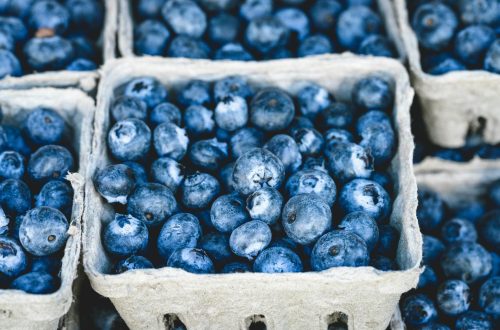
Aim for at least five servings of fruits and vegetables daily for optimal benefits. Incorporating a variety of colors ensures a diverse nutrient profile, including dietary fiber, antioxidants, and vitamins A, C, and K. For example, dark leafy greens, oranges, and berries all provide unique health benefits, helping combat oxidative stress and inflammation.
One practical way to incorporate more fruits and vegetables is by adding them to every meal. For breakfast, consider adding spinach to your omelet or berries to your cereal. For lunch, make a large salad topped with a rainbow of vegetables. These simple additions can elevate nutrient intake and flavor while supporting your goals with this eating method.
Whole Grains
Whole grains are another vital element of the DASH diet. Foods like brown rice, quinoa, whole wheat bread, and oatmeal are preferred over refined grains. This choice is scientifically supported, as whole grains contain more fiber, which not only aids digestion but also plays a role in maintaining healthy blood pressure levels.
Research published in the Journal of the American College of Cardiology indicates that higher fiber intake is associated with lower risks of heart disease and hypertension. The fiber content helps individuals feel fuller for longer, assisting in weight control. Including around six to eight servings of whole grains daily as recommended by the DASH diet can be achieved through simple swaps, such as choosing whole grain pasta instead of white pasta or opting for brown rice.
Lean Proteins and Dairy
This eating approach encourages the consumption of lean meats, poultry, fish, and plant-based proteins like legumes and nuts. These protein sources provide essential amino acids without excessive saturated fats. Nutrition research shows that substituting red and processed meats with fish or poultry can reduce cardiovascular disease risk, aligning with the goals of the DASH diet.
Additionally, low-fat dairy options like yogurt and milk supply calcium and other vital nutrients, contributing to bone health as well as blood pressure regulation. Studies suggest that calcium-rich diets are linked to lower blood pressure levels, making these dairy products an integral part of the DASH regimen. Aim for 2-3 servings of low-fat dairy daily, which can include yogurt as a snack option or milk added to smoothies.
Nuts, Seeds, and Healthy Fats
In place of unhealthy fats found in processed foods, the DASH diet promotes healthy fats derived from nuts, seeds, avocados, and olive oil. These foods contain heart-healthy monounsaturated fats that can contribute to improved cardiovascular health. For example, the Mediterranean diet’s emphasis on olive oil and nuts has been associated with reduced cardiovascular events and better heart health.
Nuts and seeds are also rich in protein, fiber, and important minerals, making them an excellent snack option when following this regimen. Additionally, incorporating omega-3 fatty acids through fatty fish such as salmon and sardines provides further heart health benefits. Aim for a few servings of nuts or seeds a week and try to include sources of healthy fats in your meals regularly.
Health Impact: Lowering Blood Pressure and Improving Metabolism
Adopting this dietary approach offers numerous health benefits beyond merely lowering blood pressure. Many studies have confirmed the positive effects of the DASH diet on overall health. One of the most significant benefits is its effect on cardiovascular health. By emphasizing nutrient-rich foods while limiting sodium, the regimen helps reduce the risk of heart disease and stroke.

Photo by Antoni Shkraba Studio on Pexels
Weight Management
Another key advantage is its beneficial role in weight management. Individuals who follow this method tend to consume fewer calories due to the focus on whole foods and portion controls. A comprehensive review published in the Journal of the Academy of Nutrition and Dietetics found that individuals who adhered to a DASH-style diet experienced significant weight loss in a relatively short period, improving overall metabolic health.
Research suggests that even modest weight loss can have a substantial impact on reducing blood pressure levels. Furthermore, maintaining a healthy weight alleviates stress on the cardiovascular system, improving overall heart health. Keeping a food diary or using a mobile app to track food intake can also be beneficial for those aiming to lose weight and adhere to the DASH diet.
Improved Metabolic Health
This nutritional strategy may also enhance metabolic health. The regimen has been associated with improved insulin sensitivity and glucose levels, which is particularly beneficial for individuals at risk of type 2 diabetes. The benefits of fiber-rich foods in stabilizing blood sugar levels cannot be understated, allowing for better metabolic control.
Studies show that dietary patterns similar to the DASH diet are linked with lower insulin resistance. By stabilizing blood sugar levels and promoting healthy metabolism, this approach can play a role in preventing chronic conditions. Healthcare providers often recommend this regimen not just for managing hypertension but also for preventing diabetes.
Eating Guide: DASH Diet Meal Plan Ideas for Beginners
Creating a sustainable meal plan is essential for success on the DASH diet. Below are examples of one-day meal plans that effectively align with this eating approach while considering essential nutrients and balance. These plans emphasize variety and can be adjusted based on personal preferences and dietary restrictions.

Photo by Ivan S on Pexels
Sample Meal Plan 1
**Breakfast:** Start your day with a bowl of oatmeal topped with sliced bananas, a sprinkle of cinnamon, and a handful of walnuts. This combination provides fiber, healthy fats, and essential nutrients. Consider using rolled oats, which have a lower glycemic index than instant oats.
**Snack:** Enjoy a small serving of low-fat yogurt with mixed berries. This option adds protein and antioxidants to your snack. Be mindful of added sugars; opt for plain yogurt and sweeten it naturally with fruit.
**Lunch:** Prepare a whole grain wrap with grilled chicken, fresh spinach, diced tomatoes, and avocado. Pair it with a side salad drizzled with olive oil and vinegar. This meal offers healthy fats, lean proteins, and plenty of vitamins.
**Snack:** Munch on a handful of baby carrots with hummus or guacamole for an extra crunch and healthy fats. Roasted chickpeas can also provide a nutritious alternative.
**Dinner:** Serve broiled salmon with a side of quinoa and steamed broccoli. This dinner is rich in omega-3 fatty acids, fiber, and various vitamins. Season with herbs and lemon for added flavor and nutrition.
Sample Meal Plan 2
**Breakfast:** Begin with a smoothie made from spinach, banana, almond milk, and a tablespoon of almond butter. It is nutrient-packed and easy to digest. Consider adding ground flaxseed for added fiber and omega-3 content.
**Snack:** Try a whole grain toast with sliced avocado and a sprinkle of sesame seeds for a satisfying mid-morning snack. Avocado is an excellent source of potassium and healthy fats.
**Lunch:** A colorful quinoa salad with chickpeas, cucumbers, bell peppers, and a lemon-tahini dressing. This salad is filling and full of essential vitamins. The incorporation of beans adds additional protein and fiber, enhancing satiety.
**Snack:** Enjoy apple slices with a tablespoon of peanut butter for a touch of sweetness and protein. Natural nut butters with no added sugars or oils are best.
**Dinner:** Roast a mixture of vegetables like zucchini, bell peppers, and Brussels sprouts and serve with grilled chicken and brown rice. Roasting vegetables can enhance flavors and encourage the consumption of more produce.
Action Plan: Heart-Healthy Whole Grains and Daily Habits
Transitioning to this eating method may require some adjustments, especially if you currently consume a diet high in processed foods. Here are some practical tips to help you effectively adopt this nutritional strategy.
Start Gradually
Instead of overhauling your entire diet overnight, consider gradual changes to make the transition smoother. Start by incorporating more fruits and vegetables into your meals or swapping out refined grains for whole grains. Gradually reducing sodium intake can be facilitated by cooking meals at home, where you control the seasoning, rather than relying on convenience foods that are typically higher in sodium.
Plan Your Meals
Meal planning is essential to stay on track with the DASH diet. Dedicate a few hours each week to plan and prepare your meals. Creating a grocery list focused on whole, fresh foods can help you stick to the regimen and avoid impulse purchases of less healthy options. Batch cooking on weekends can help you prepare multiple meals in advance, making it easier to adhere to the plan throughout the week.
Educate Yourself
Understanding the nutritional value of different foods can empower you in your dietary choices. Familiarize yourself with reading nutrition labels, paying attention to sodium content, and identifying key nutrients that align with this approach. Numerous online resources, including Nutrition.gov, can provide valuable information on nutrition labels and food suggestions that fit with this dietary plan.
Experiment with New Recipes
Exploring new recipes can make following the DASH diet enjoyable. Discover new ways to prepare vegetables or experiment with whole grains in your meals. Online platforms like food blogs and cooking videos can offer inspiration to keep your meals interesting. Joining a cooking class or online forum focused on healthy eating can also provide support and enhance your cooking skills.
Stay Hydrated
Drinking plenty of water is vital for overall health and can aid in digestion. Make it a habit to carry a water bottle and hydrate throughout the day. This will not only support your physical health but can also contribute to weight management. Herbal teas and flavored water with fruits can offer variety in hydrating options while keeping added sugars at bay.
Frequently Asked Questions
Q: How quickly can I expect to see results by following the DASH diet?
A: The timeline for seeing results varies among individuals, depending on factors like starting blood pressure levels, adherence to the regimen, and overall lifestyle. Some studies suggest that individuals may see a notable decrease in blood pressure within a few weeks of implementing the DASH diet. However, long-term commitment is vital for sustained results and overall health improvements. It is also essential to combine dietary changes with other positive lifestyle factors such as regular physical activity and stress management for optimal outcomes. Many individuals find success through consistent dietary adherence and minor lifestyle adjustments over time.
Q: Does the DASH diet allow for snacks?
A: Yes, the DASH diet permits snacks, and in fact, incorporating healthy snacks can support overall dietary goals. You can select snack options such as fruits, vegetables, nuts, and low-fat dairy to keep hunger at bay while adhering to the nutritional principles of the regimen. The key is to choose wholesome snacks that complement your meals rather than processed options high in sugars and fats. Planning your snacks in advance can help you avoid reaching for unhealthy options during busy days. Consider making a trail mix with unsalted nuts and dried fruits or preparing cut vegetables ready to grab during your busy hours.
Q: Can I still enjoy my favorite foods on the DASH diet?
A: While the DASH diet encourages healthy food choices, it is also about balance. You can still indulge in your favorite foods occasionally. Focus on moderation, and try to substitute healthier alternatives when possible. For example, if you enjoy fried foods, consider baking or grilling them instead. Developing a balanced approach is essential to success on this eating plan. The DASH diet doesn’t mean completely foregoing your favorite foods but rather enjoying them in regulated portions while ensuring that the majority of your meals consist of wholesome ingredients that prioritize heart health.
Q: Is the DASH diet suitable for everyone?
A: The DASH diet is generally considered safe and beneficial for most individuals, including those with high blood pressure, prediabetes, and heart disease. However, individuals with specific dietary restrictions or medical conditions should consult with a healthcare professional or a registered dietitian before starting any new eating plan to tailor the approach effectively. Personalization is crucial for ensuring that nutritional needs are met without compromising health. Moreover, while it’s applicable to various demographics, awareness of personal caloric requirements is important for achieving specific health goals, including weight loss.
Q: How can I reduce sodium intake without sacrificing flavor?
A: Reducing sodium intake does not mean sacrificing flavor. Explore using herbs and spices to enhance the taste of your dishes instead of relying on salt. Fresh herbs, garlic, lemon juice, and vinegar can add depth and flavor without the added sodium. Additionally, experimenting with different cooking techniques can make meals more enjoyable while adhering to lower sodium limits. Marinating meats and vegetables can infuse flavor, as can grilling and roasting methods, which often bring out the natural sweetness and aroma of foods.
Conclusion
This dietary approach offers an effective solution for those seeking to manage hypertension through nutrition. By focusing on whole, nutrient-dense foods and committing to a balanced eating lifestyle, individuals can significantly lower their blood pressure and enhance their overall health. With its foundation in scientific research and practical strategies, the DASH diet can empower individuals to make positive changes that promote heart health and prevent chronic diseases.
Ultimately, adopting this nutritional strategy goes beyond merely following a set of rules; it involves creating a sustainable lifestyle that nourishes the body and mind. By implementing the principles of the DASH diet, anyone can embark on a journey toward healthier blood pressure levels and improved well-being. Whether you are seeking to address existing health concerns or aiming for preventive health measures, this eating plan is a path worth considering. Remember, the journey to better health can be enjoyable with the right mindset and strategies in place. Such changes take time, patience, and support, but the long-term benefits to your health are invaluable. Make the DASH diet your ally in achieving lifelong wellness.
Other of articles:
The information provided is for reference only. Please consult a professional physician if you experience any discomfort.