
In the quest for improved well-being, many individuals overlook a potent tool that is readily available to nearly everyone: exercise. Regular physical activity is not only beneficial for the body but also plays a crucial role in enhancing mental health. Numerous studies have demonstrated the positive effects of exercise on mood, anxiety levels, and overall mental clarity. The exercise mental health benefits are extensive and warrant a closer examination. This article will delve deeply into the intricacies of how physical activity can promote mental well-being, supported by scientific evidence and expert recommendations.
 Exercise for Mental Health: How to Improve Your Mood Naturally
The Connection Between Exercise and Mental Health
The relationship between physical activity and mental health is multifaceted and deeply intertwined. Numerous studies have shown that engaging in regular exercise can lead to significant improvements in mental health, including reductions in symptoms of depression and anxiety. According to the National Institute of Mental Health, consistent physical activity can act as a buffer against stress and emotional disturbances. This is primarily because exercise stimulates the production of endorphins, known as the body’s natural mood lifters.
Furthermore, exercise can enhance overall psychological resilience. When individuals engage in physical activity, they often experience a sense of achievement and empowerment, which can contribute to improved self-esteem and body image. In today’s fast-paced environment, where mental health issues are increasingly prevalent, these psychological benefits are particularly significant. Studies indicate that structured physical activities help individuals build coping mechanisms to deal with adverse situations more effectively.
In addition to the immediate mood-enhancing effects of exercise, regular physical activity can cause lasting changes that improve mental health over time. Regular exercise reshapes the brain’s neurochemical environment, promoting the growth of new brain cells and connections. This phenomenon, known as neuroplasticity, is essential for emotional regulation, allowing individuals to develop healthier coping strategies when facing stress. For instance, a study published in the journal Neuropsychobiology indicated that regular exercise leads to increases in neurotrophic factors, which can contribute to improved neuroplasticity and emotional well-being.
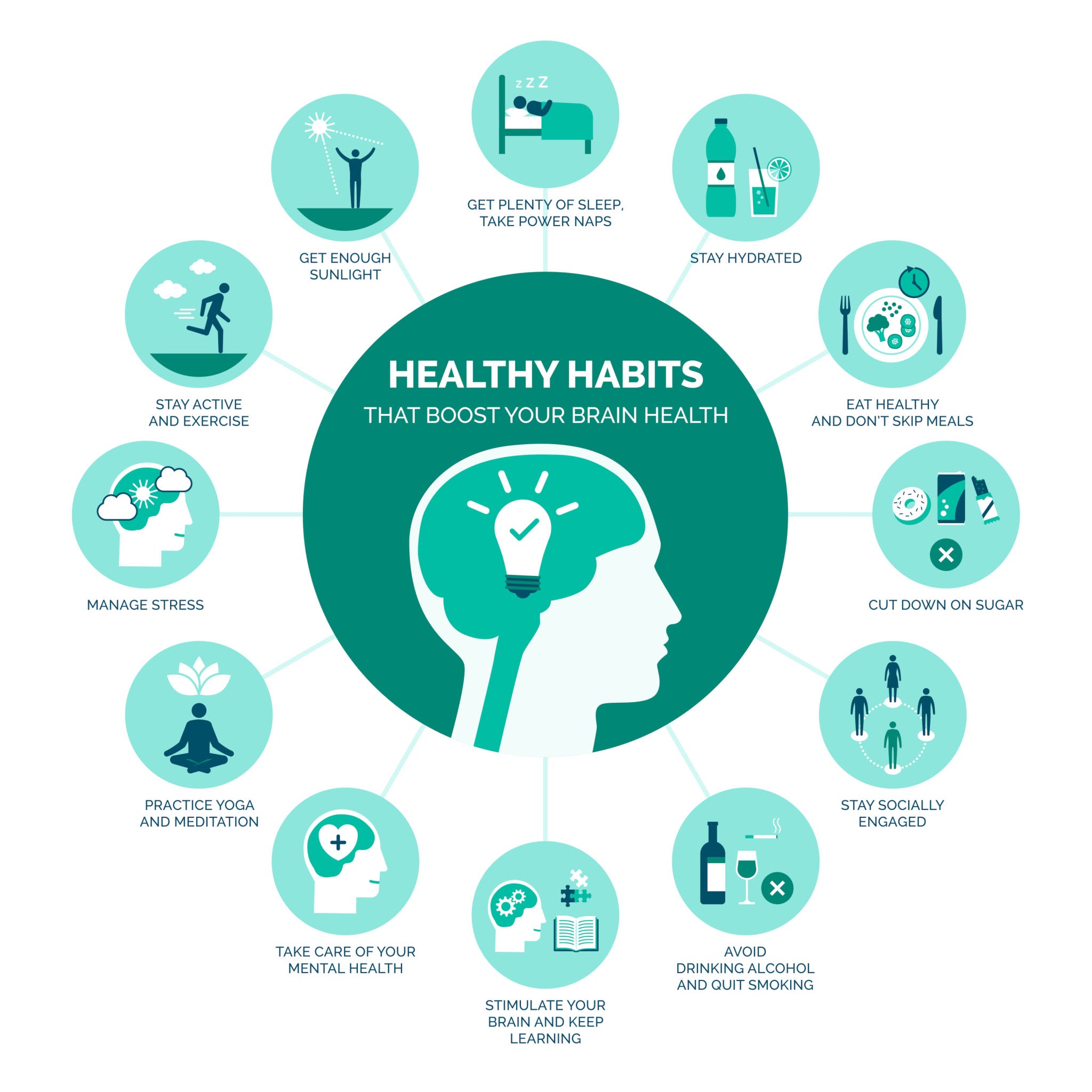
Types of Exercise Beneficial for Mental Health
Not all exercises have the same impact on mental health, and it is essential to consider the type of physical activity and how it fits individual preferences and lifestyles. Aerobic exercises, such as running, cycling, and swimming, have shown significant effects on mood elevation and anxiety reduction. Research indicates that engaging in at least 30 minutes of moderate-intensity aerobic exercise most days can lead to substantial mental health benefits. According to a systematic review in the journal Psychosomatic Medicine, aerobic exercise significantly reduces symptoms of depression.
Moreover, strength training has been associated with improvements in mental health as well. Resistance exercises, such as weightlifting, can enhance psychological well-being by boosting self-esteem and reducing feelings of helplessness. This form of exercise has been shown to help individuals feel more empowered, contributing to a more positive self-image. In a study published in the Journal of Clinical Psychiatry, participants who engaged in strength-training programs reported lower levels of depression and anxiety compared to those who remained sedentary.
Mind-body exercises, such as yoga and tai chi, emphasize the connection between physical movement and mental focus. These practices have gained recognition for their ability to improve mindfulness, reduce stress, and foster a sense of calm. Research indicates that participants in yoga programs report lower levels of anxiety and improved emotional regulation. According to the National Center for Complementary and Integrative Health, yoga not only promotes physical health but also significantly improves mental health by enhancing psychological well-being and reducing anxiety and depression.
The Science Behind Exercise and Mental Health
Understanding the biology of how exercise influences mental health can provide valuable insights into its efficacy. Physical activity triggers the release of neurotransmitters like serotonin and dopamine, which play crucial roles in mood regulation and emotional well-being. Higher levels of serotonin in the brain are associated with lower rates of depression and anxiety. For instance, a study in the journal Neuropsychiatry Reviews found that exercise can enhance mood through mechanisms involving serotonin transmission.
Exercise can also enhance neurogenesis, which is the process of generating new neurons in the brain. A study conducted by researchers at the University of California, Los Angeles, revealed that individuals who engaged in regular exercise had increased levels of brain-derived neurotrophic factor (BDNF), a protein that supports neuron growth. This increase helps sustain cognitive functions, improve memory, and elevate mood. Enhanced levels of BDNF have been associated with better learning, memory retention, and mood regulation, representing a crucial connection between physical health and mental well-being.
Moreover, regular physical activity has been linked with improved sleep quality, which is another vital component of mental well-being. Poor sleep is often a contributing factor to mental health disorders such as depression and anxiety. Exercise helps maintain a healthier sleep cycle, which in turn enhances emotional regulation. According to the National Sleep Foundation, individuals who engage in regular physical activity fall asleep faster and sleep more deeply. The benefits are reciprocal; healthier sleep patterns can encourage individuals to maintain an exercise routine, creating a positive feedback loop.

Photo by Anna Shvets on Pexels
Exploring the Role of Stress Relief
Exercise serves as a powerful stress management tool. When physical activity is incorporated into daily routines, it encourages individuals to step away from stressors, promoting relaxation and focused attention. This shift from a state of psychological tension to physical engagement can be liberating. Research shows that exercise can alter the body’s stress-response systems, reducing the sympathetic nervous system’s activity that causes stress-related dysfunction.
The physiological responses to stress are often mitigated through exercise. High cortisol levels, frequently associated with chronic stress, can be lowered through regular workouts. As individuals engage in physical activity, they also release endorphins, which act as natural painkillers and stress relievers. This process can turn exercise into a preferred coping mechanism; individuals report feeling less stressed and more capable following a workout. Evidence from a study in the American Journal of Lifestyle Medicine supports this by demonstrating that physical activity correlates with lower perceived stress levels and improved mood.
Mind-body practices, like yoga and Pilates, enhance stress-relief benefits by combining physical movement with breathing exercises and mindfulness techniques. Research from the Mental Health Foundation indicates that these approaches effectively reduce stress, leading to improvements in mental clarity and emotional balance. Incorporating mindfulness meditation alongside physical exercise can also fortify the benefits, serving as a comprehensive mind-body approach to managing stress.
Creating an Exercise Routine for Mental Wellness
Developing a sustainable exercise routine is essential, particularly for those new to physical activity. Here are some critical steps to create a balanced regimen that promotes mental health, backed by research and real-world examples.
First, it is important to set realistic goals that align with individual fitness levels. Begin with small, achievable targets that progressively increase in intensity. For instance, if someone is starting from a sedentary lifestyle, a daily 10-minute walk can be a great first step. As they build endurance and confidence, they can increase this time or add additional activities like jogging or cycling.
Establishing a routine is vital for consistency. Dedicating specific times for exercise each week helps integrate it into daily life and reaffirms its priority status. Creating a supportive environment—whether working out at home, joining a local gym, or using outdoor spaces—can also greatly enhance motivation. Engaging friends or family in workouts can promote accountability while also fostering social connections, which are essential for mental health.
Varying the types of exercises keeps the routine engaging and prevents boredom. Combining different modalities, such as swimming, group classes, or outdoor hiking, enhances enjoyment while ensuring a full-body workout. Real-world examples such as community fitness events or charity walks can not only serve as motivational milestones but also create a sense of community and shared purpose among participants.

Photo by Liliana Drew on Pexels
Staying Motivated and Overcoming Barriers
Despite the known benefits, many individuals face barriers to maintaining a consistent exercise regimen. Recognizing these obstacles is crucial in developing strategies to overcome them. Factors such as time constraints, lack of interest in traditional exercises, or limited access to facilities can be disheartening. To tackle these challenges, it is essential to remain flexible and adapt to changing circumstances.
Setting specific, achievable goals can enhance accountability. Tracking progress through fitness apps or journals can provide motivation. For example, fitness trackers that monitor daily steps or workout sessions can visually demonstrate progress over time. Celebrating small victories, such as completing a week of workouts or achieving a personal best, reinforces positive behavior and encourages continuation of healthy habits.
Understanding intrinsic motivations—like wanting to feel better overall—is key to maintaining motivation. When individuals focus on the personal reasons for engaging in physical activity, they are more likely to stick with it. Remembering the initial inspiration for embarking on a fitness journey can keep the focus on self-growth rather than external pressures like competition or aesthetics.
The Role of Community in Mental Health and Exercise
Community engagement plays a significant role in enhancing mental health through exercise. The shared experience of exercising with others can promote feelings of belonging and support. Group activities, such as local running clubs or fitness classes, not only foster social interaction but also enhance motivation through camaraderie. Participating in community sports leagues can create a rewarding environment where individuals encourage one another and share in the joy of achievement.
Moreover, community facilities and programs often provide resources and support, such as mental health services or counseling. Initiatives that combine exercise with mental health resources can deliver comprehensive support to individuals seeking to improve their emotional well-being through physical activity. Collaborative events, such as mental health awareness runs or health fairs, can raise awareness about the benefits of exercise while providing practical opportunities to engage with supportive resources.

Photo by Liliana Drew on Pexels
Building Resilience Through Group Activities
Group activities can enhance resilience by providing encouragement and motivation from peers. Engaging in exercise with friends or family transforms physical activity from a chore into a shared experience filled with joy and connection. This social bonding can be especially beneficial during challenging times; individuals participating in group fitness are often more likely to persevere through difficult workouts, thus enhancing their emotional resilience.
Participating in team sports or fitness challenges can also provide a sense of accomplishment and collective success. When individuals achieve goals together, such as training for a marathon or completing a circuit challenge, it fosters a sense of community that reinforces self-efficacy. This sense of competence not only uplifts mental health but also combats feelings of inadequacy, which often accompany mental health issues. Research suggests that group participation leads to improved psychological outcomes, with individuals reporting higher overall life satisfaction.
Future Directions and Research on Exercise and Mental Health
As research continues to evolve, the intersection between exercise and mental health remains a vital area of study. Scientists are increasingly exploring the specific mechanisms through which exercise affects emotional well-being. Future studies aim to clarify the optimal types, intensities, and durations of physical activity required to maximize mental health benefits. For example, research focuses on identifying the minimum effective dose of exercise for improving mood or reducing anxiety.
The growing recognition of personalized fitness approaches may also play a crucial role. Tailoring exercise programs to individual needs, preferences, and mental health conditions can optimize outcomes. Understanding personal motivations and physical limitations allows individuals to establish sustainable routines that yield lasting improvements in emotional well-being. For instance, customizing workouts for individuals with specific mental health disorders can not only enhance adherence but also improve overall treatment outcomes.
Additionally, integrating technology into fitness regimes, such as wearable devices and fitness apps, may enhance engagement and adherence. These tools provide real-time feedback, track progress, and promote connection within communities—a combination that can significantly boost motivation. Studies indicate that users of fitness tracking technologies are more likely to achieve their exercise goals, which ultimately contributes to improved mental health. As the landscape of fitness technology continues to evolve, opportunities for enhanced connectivity and engagement will expand dramatically.
Frequently Asked Questions
Q: How much exercise is recommended for mental health benefits?
A: The general recommendation for mental health benefits is to engage in at least 150 minutes of moderate-intensity aerobic activity each week. This can be broken down into manageable segments, such as 30 minutes of exercise five days a week. More vigorous activities can be substituted, resulting in a minimum of 75 minutes weekly. Incorporating strength training exercises on two days per week is also advisable. The key is finding a routine that is both enjoyable and sustainable, as this will lead to lasting improvements in mental health.
Q: Can exercise be used as a treatment for mental health disorders?
A: While exercise is not a substitute for professional treatment, it can be an effective adjunctive therapy for various mental health disorders. Research indicates that exercise can help reduce symptoms of anxiety and depression. Many mental health professionals now incorporate physical activity into treatment plans to enhance overall recovery and well-being. This means that for individuals dealing with mental health challenges, engaging in even low-intensity activities can provide some relief alongside therapeutic interventions, significantly improving the overall quality of life.
Q: What types of exercise are most beneficial for mental health?
A: Aerobic exercises, such as running, cycling, and swimming, are particularly effective in boosting mood and reducing anxiety. Strength training and mind-body practices, like yoga and tai chi, show significant benefits as well. The best type of exercise is one that the individual enjoys and can adhere to over time. It’s essential to experiment with different activities, as this exploration can lead to finding the perfect fit, enhancing both physical fitness and mental health.
Q: How does exercise impact stress levels?
A: Exercise significantly reduces stress by promoting the release of endorphins and serotonin, chemicals in the brain that improve mood and foster feelings of wellness. Regular physical activity helps decrease cortisol levels, which are often elevated during stress. This physiological response helps to calm the body’s stress response system, allowing individuals to feel more relaxed and centered. Engaging in activities such as brisk walking not only distracts from daily stressors but also empowers individuals to develop healthier coping strategies.
Q: Is it necessary to exercise vigorously to see mental health benefits?
A: No, it is not necessary to engage in vigorous exercise to experience mental health benefits. Moderate-intensity activities, such as brisk walking or light jogging, can provide significant improvements in mood and overall emotional health. The focus should be on consistency rather than intensity; finding enjoyable exercises that fit into one’s lifestyle is crucial for long-term adherence. Gentle activities like tai chi or casual biking can be equally beneficial, making it possible for individuals of all fitness levels to participate in their journey toward better mental health.
Q: Can I improve my mental health even if I don’t enjoy traditional exercise?
A: Yes! It is very important to find physical activities that align with personal preferences to enhance mental health. Activities such as gardening, dancing, or playing with pets can be effective at boosting mood and reducing stress levels. The key is to prioritize movement over formal definitions of exercise. As long as physical activity is enjoyable and engaging, it can confer mental health benefits. Individuals are encouraged to experiment with various activities, focusing on what sparks joy and motivation, making it easier to maintain regular physical activity.
Conclusion
In summary, the exercise mental health benefits are profound and multifaceted. Engaging regularly in physical activity not only elevates mood and reduces anxiety but also fosters resilience and emotional well-being. As more research unfolds, the understanding of how to leverage the positive effects of exercise for mental health continues to grow. Individuals are encouraged to find physical activities that resonate with them, be it through formal exercises or enjoyable movements.
A sustainable exercise routine can pave the way for enhanced mental health, contributing to overall well-being and life satisfaction. Understanding the importance of community, motivation, and personalized approaches further strengthens the case for integrating exercise into daily life. Whether it’s a brisk walk in nature, a yoga session, or team sports with friends, every step taken toward physical activity is a step toward better mental health.
By prioritizing exercise as part of an overall wellness strategy, individuals can harness this powerful tool to improve not just their mood, but their quality of life. Ultimately, the journey toward mental health is one that can be significantly bolstered through the incorporation of regular physical activity, leading to a healthier, happier, and more fulfilling life for all.
Other of articles:
Mindfulness Meditation for Stress Relief
The information provided is for reference only. Please consult a professional physician if you experience any discomfort.