



Breast health is a vital aspect of women’s overall well-being that warrants attention and care. With a significant number of women experiencing breast-related issues, understanding the importance of self-exams, regular screenings, and the knowledge of what to do if you find a lump is crucial. Breast health screening plays a key role in early detection of potential problems, including breast cancer, which is one of the most common cancers among women worldwide. This article aims to provide comprehensive information about breast health, focusing on self-exams, screening guidelines, and crucial insights regarding lumps and their implications.


Photo by Leeloo The First on Pexels
Breast Health: Anatomy and Cancer Risk Reduction
Breast health encompasses a range of practices and knowledge that contribute to the well-being of the breast tissue. It involves understanding the normal anatomy and physiology of the breasts, recognizing changes, and knowing when to seek medical advice. Each woman’s breasts are unique, and being familiar with your own anatomy can empower you to identify any changes that may occur over time.
Breasts are made up of glandular tissue and fatty tissue, and they are influenced by hormonal changes throughout a woman’s life. From puberty through menopause, various factors can affect breast tissue, including menstrual cycles, pregnancy, and age. Regular monitoring and awareness of these changes can help in the early detection of any abnormalities.
Moreover, lifestyle factors such as diet, exercise, and smoking can influence breast health. For instance, a balanced diet rich in fruits, vegetables, and whole grains can promote overall health and potentially reduce the risk of breast cancer. According to the American Cancer Society, maintaining a healthy weight and engaging in regular physical activity can also lower breast cancer risk. Understanding these connections can motivate women to adopt healthier habits that support their breast health.
In addition to lifestyle choices, genetic factors also play a significant role in breast health. Women with a family history of breast cancer may have an increased risk of developing the disease. Genetic testing for BRCA1 and BRCA2 gene mutations can provide critical information for women with a family history of breast cancer, guiding their screening and prevention strategies. It’s essential to have open discussions with healthcare providers about family history and personal risk factors to tailor a proactive approach to breast health.
Steps for Breast Self-Examination: A Monthly Guide
Self-examination is an essential practice that allows individuals to familiarize themselves with their breasts and identify any changes. Conducting a breast self-exam (BSE) is straightforward and can be done in the comfort of your home. It is recommended to perform a BSE once a month, preferably a few days after your period ends when breasts are least likely to be swollen or tender.
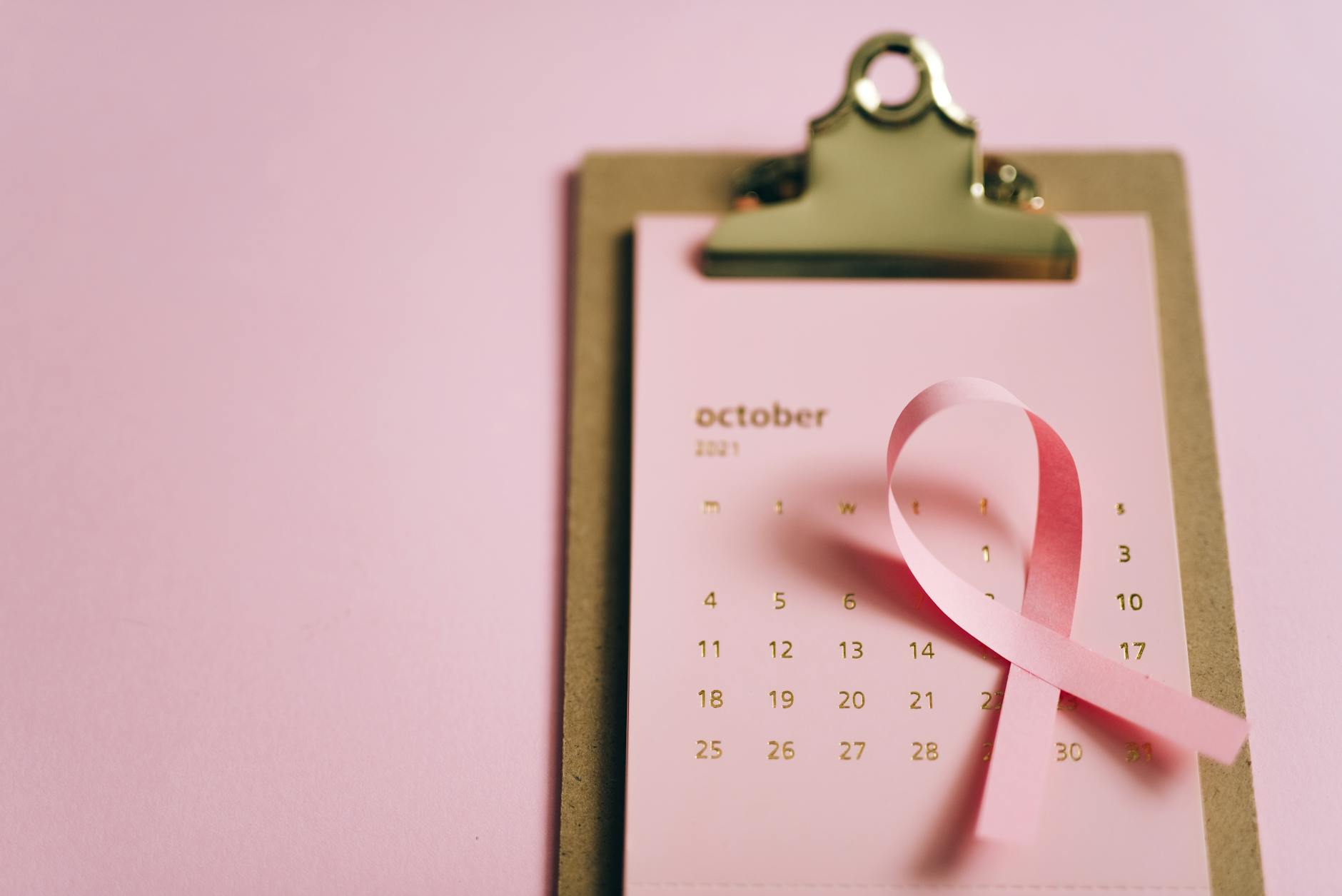
Photo by Leeloo The First on Pexels
Steps for Performing a Self-Exam
Follow these steps to conduct an effective self-exam:
1. **Stand in front of a mirror**: Look for any visible changes, such as swelling, dimpling, or changes in the shape of your breasts. Raise your arms and check again for any abnormalities. Pay attention to changes in the skin texture or color, as well as any new discharge from the nipples.
2. **Feel your breasts**: Using the pads of your fingers, gently press on the breast tissue in a circular motion. Cover the entire breast area, including the armpit and up to the collarbone. Be sure to examine both breasts thoroughly. You can use different patterns (circular, wedge, or vertical) to ensure you cover all areas.
3. **Check for lumps**: Pay attention to any unusual lumps or hard areas. Remember, many lumps are benign, but any new changes should be evaluated by a healthcare professional. It’s vital to compare your current findings with any previous exams to notice changes over time.
When to Consult a Doctor
If you notice any changes during your self-exam, such as a new lump, changes in size or shape, or unusual discharge from the nipple, it’s essential to consult a healthcare provider. They can perform further evaluations, including imaging tests or biopsies, to determine the nature of the changes. Early detection is key to successful treatment, and it’s better to err on the side of caution.
Additionally, if you have any family history of breast cancer or other risk factors, discussing these during your examination can lead to more personalized care and screening recommendations. It’s important to remember that being proactive about breast health can significantly impact outcomes.
Screening: Mammogram Screening Guidelines and Tips
Regular breast health screenings are a cornerstone of preventive healthcare for women. These screenings are designed to detect breast cancer early when it is most treatable. The guidelines for breast cancer screening vary based on age, risk factors, and personal health history.

Photo by Leeloo The First on Pexels
The American Cancer Society recommends that women with an average risk of breast cancer start annual mammograms at age 45. Women aged 40 to 44 should have the option to begin annual screening if they choose. After age 55, women can switch to biennial screenings or continue annual exams, depending on their preferences. These guidelines are based on extensive research indicating that early detection through screening can lead to better outcomes.
Types of Screening Tests
The most common screening test for breast cancer is a mammogram, which uses low-energy X-rays to create images of the breast. This test can help detect tumors that are too small to be felt during a physical exam. According to the CDC, mammograms can reduce breast cancer mortality by 15-30% in women aged 40-74. In some cases, additional imaging tests, such as breast ultrasounds or MRIs, may be recommended, especially for women with dense breast tissue.
Clinical breast exams conducted by healthcare professionals are also an essential part of screening. These exams can complement self-exams and mammograms by allowing a trained professional to detect any abnormalities that might be overlooked. Women should also discuss their individual risk factors with their healthcare provider to determine the most appropriate screening schedule and whether additional tests are necessary.
Risk Factors: Family History and BRCA1 and BRCA2 Mutations
Several factors can influence a woman’s risk of developing breast cancer. These include age, family history, genetic mutations (such as BRCA1 and BRCA2), personal history of breast cancer, and lifestyle factors like obesity and alcohol consumption. Understanding your risk factors can help guide discussions with your healthcare provider about the most appropriate screening schedule for you. For instance, women with a family history of breast cancer may benefit from starting screenings earlier than the general population.
Furthermore, lifestyle factors such as smoking and inactivity can also contribute to increased risk. Studies show that women who maintain a healthy weight and engage in regular physical activity can lower their risk significantly. It’s crucial to incorporate healthy eating habits and exercise into your daily routine not only for breast health but also for overall well-being.
Breast Lumps: Benign vs Malignant Breast Lumps Differences
Finding a lump in your breast can be alarming, but it’s essential to remember that not all lumps are cancerous. Many lumps are benign, such as cysts or fibroadenomas, which are non-cancerous growths. However, it is vital to get any new lumps checked out by a healthcare professional.


Photo by Ketut Subiyanto on Pexels
Types of Lumps
There are several types of lumps that may be found during a self-exam or clinical examination:
1. **Cysts**: Fluid-filled sacs that can develop in the breast tissue. They are typically painless and may fluctuate with hormonal changes. Cysts can sometimes be aspirated to relieve discomfort if they become large.
2. **Fibroadenomas**: Solid, non-cancerous tumors that are often round and movable. They are most common in younger women and usually require monitoring rather than immediate treatment.
3. **Malignant tumors**: These are cancerous lumps that require prompt medical attention. Early detection significantly improves treatment outcomes. Understanding the characteristics of lumps can help alleviate anxiety when they are found, but it’s crucial to seek medical advice for any concerns.
Diagnostic Procedures for Lumps
If a lump is detected, your healthcare provider may recommend diagnostic tests to determine its nature. These tests may include imaging studies such as a mammogram or ultrasound and, if necessary, a biopsy to examine the tissue. A biopsy can provide definitive answers regarding whether a lump is benign or malignant. There are several types of biopsies, including fine-needle aspiration, core needle biopsy, and excisional biopsy, each serving a specific purpose based on the clinical scenario.
It’s important to discuss the results of any tests with your healthcare provider. They can explain the implications of the findings and recommend appropriate next steps, whether that involves further monitoring, lifestyle changes, or treatment options. Remember, early intervention is key to effectively managing breast health issues.
Wellness: Diet and Exercise for Breast Cancer Prevention
In addition to regular self-exams and screenings, maintaining breast health can be significantly influenced by lifestyle choices. Adopting healthy habits can help reduce the risk of breast cancer and promote overall well-being.
Nutrition and Diet
A nutritious diet plays a vital role in overall health and can potentially influence breast health. Consuming a diet rich in fruits, vegetables, whole grains, and healthy fats can support your body’s immune system and overall function. Foods high in antioxidants, such as berries and leafy greens, may offer protective benefits against cancer. The Mediterranean diet, which emphasizes whole foods and healthy fats, has been associated with a lower risk of breast cancer.
Limiting processed foods, saturated fats, and added sugars is also essential. According to the Mayo Clinic, some studies indicate that women who consume a diet high in fat may have an increased risk of breast cancer. Additionally, some studies suggest that a diet low in alcohol can reduce breast cancer risk. The American Institute for Cancer Research recommends that women limit alcohol consumption to no more than one drink per day.
Exercise and Weight Management
Regular physical activity is another critical component of maintaining breast health. Engaging in moderate to vigorous exercise for at least 150 minutes per week has been associated with a decreased risk of developing breast cancer. Exercise helps maintain a healthy weight, which is vital, as obesity can increase the risk of breast cancer, particularly after menopause. According to a study published by the NHS, women who exercise regularly have a significantly lower risk of breast cancer compared to those who are sedentary.
Incorporating a variety of physical activities, such as walking, swimming, or yoga, can make exercise enjoyable and sustainable. Setting realistic goals and finding a workout routine that fits your lifestyle can encourage consistency and long-term health benefits.
Support: Managing Anxiety and Breast Health Resources
The emotional and psychological aspects of breast health are often overlooked but are equally important. The fear of breast cancer can be overwhelming for many women, especially those with a family history of the disease. Understanding the facts about breast health and treatment options can help alleviate some of these fears.
Support Systems and Resources
Building a support system of friends, family, and healthcare professionals can provide emotional comfort and guidance. Many organizations, such as BreastCancer.org and the National Breast Cancer Foundation, offer resources for education, support, and connection to local support groups. These organizations provide valuable information and can help connect individuals with others who share similar experiences, which can be incredibly comforting.
Managing Anxiety and Stress
Practicing stress management techniques, such as mindfulness, yoga, or meditation, can also be beneficial. These practices can help improve mental health and provide coping mechanisms for dealing with health-related anxieties. Seeking professional help from a therapist or counselor can also be beneficial for those struggling with feelings of fear or anxiety regarding breast health. Cognitive-behavioral therapy (CBT) has been shown to be effective in reducing anxiety related to health concerns.
Frequently Asked Questions
Q: How often should I perform a breast self-exam?
A: It is recommended that women perform a breast self-exam once a month. The best time to do this is a few days after your menstrual period ends, as your breasts are less likely to be tender or swollen. If you are postmenopausal or don’t have regular periods, choose a specific day each month to do your self-exam. Regular practice helps you become familiar with your breast tissue and makes it easier to recognize any changes. You can also set reminders on your phone or calendar to help you remember.
Q: What should I do if I find a lump in my breast?
A: If you find a lump in your breast, it’s essential to schedule an appointment with your healthcare provider as soon as possible. They will likely perform a clinical breast exam and may order imaging tests or a biopsy to determine the nature of the lump. Early evaluation is crucial for the best outcomes. Remember, most lumps are not cancerous, but it’s important to be proactive and get any changes evaluated promptly. Keeping a record of any changes, including when you first noticed the lump and any associated symptoms, can be helpful during your appointment.
Q: Are mammograms painful?
A: While some women experience discomfort during mammograms, the procedure is generally brief and tolerable. The compression of the breast is necessary to obtain clear images, but the discomfort usually lasts only a few moments. If you find the experience particularly painful, discuss it with your healthcare provider, who may offer solutions to ease discomfort. It’s also worth noting that scheduling your mammogram when your breasts are less likely to be tender (such as after your period) can help reduce discomfort. Many women report that the anxiety leading up to the mammogram is often worse than the procedure itself.
Q: What are the risk factors for breast cancer?
A: Several factors can increase your risk of developing breast cancer, including age, family history of breast cancer, genetic mutations (such as BRCA1 and BRCA2), personal history of breast cancer, and lifestyle factors like obesity and alcohol consumption. Understanding these risk factors can help you make informed decisions about your health and screening practices. It is important to have conversations with your healthcare provider about your family history and any other risk factors you may have, as they can tailor screening recommendations based on your individual risk profile.
Q: How can I reduce my risk of breast cancer?
A: To reduce your risk of breast cancer, focus on maintaining a healthy lifestyle. This includes eating a balanced diet rich in fruits and vegetables, engaging in regular physical activity, limiting alcohol intake, and avoiding tobacco products. Additionally, staying informed about your family history and discussing any concerns with your healthcare provider can help you create a personalized prevention plan. Regular screenings and self-exams are also vital components of breast cancer prevention. Educating yourself about breast health can empower you to take proactive steps toward reducing your risk.
Q: What should I expect during a mammogram?
A: During a mammogram, you will be asked to stand in front of a specialized X-ray machine. Your breast will be placed on a plastic plate, and another plate will compress the breast to obtain clear images. The procedure takes only a few minutes, and while some women experience discomfort, it is generally quick and manageable. After the mammogram, you can resume your daily activities immediately. It’s also important to follow up with your healthcare provider to discuss the results and any necessary next steps based on your findings.
Conclusion
Understanding breast health is essential for every woman. Regular self-exams, appropriate screening, and a proactive approach to changes in breast tissue can significantly impact outcomes. Breast health screening is a critical element in detecting potential issues early on, which can lead to better treatment options and outcomes. Women should feel empowered to take charge of their breast health through education, self-awareness, and regular check-ups.
Incorporating healthy lifestyle choices, being aware of personal risk factors, and fostering emotional well-being are integral to maintaining optimal breast health. Knowledge is power, and empowering yourself with information about breast health can lead to a healthier, more informed life. Always consult with healthcare professionals regarding your specific health concerns and screening needs to ensure you are taking the best steps for your breast health.
Ultimately, the journey towards maintaining breast health is ongoing. By staying informed, proactive, and engaged in your health care, you can contribute positively to your overall wellness. Encourage friends and family to join in this journey of awareness, support one another, and prioritize regular screenings and healthy lifestyle choices. Together, we can foster a community that values breast health and supports every woman in her journey toward wellness.
Other of articles:
Perimenopause and Menopause Symptoms
Hormonal Birth Control Methods
Menstrual Cycle Health Nutrition
Social Connection and Longevity
The information provided is for reference only. Please consult a professional physician if you experience any discomfort.