The flexitarian diet represents an innovative approach to nutrition, allowing individuals to achieve the benefits of a plant-based lifestyle without entirely eliminating meat from their meals. This progressive eating pattern embraces the idea of flexibility, making it easier for people to adapt their dietary choices according to personal preferences, health goals, and ethical considerations. As a hybrid of vegetarianism and occasional meat consumption, the regimen promotes the intake of fruits, vegetables, legumes, and whole grains while accommodating the occasional inclusion of animal products. This dietary approach is designed to align with the modern lifestyle, which can often make strict adherence to dietary guidelines challenging.
The increasing popularity of the flexitarian diet is largely due to its numerous health benefits, including weight management, reduced risk of chronic diseases, and environmental sustainability. Studies have shown that a diet rich in plant-based foods leads to lower incidences of conditions such as obesity, type 2 diabetes, and heart disease. Furthermore, for those striving to limit their meat consumption for environmental reasons, transitioning to a more plant-forward eating pattern can significantly reduce one’s carbon footprint. With such a wealth of advantages, it’s no wonder why more individuals are exploring this inclusive dietary strategy.
Flexitarian Basics: A Semi-vegetarian Eating Pattern
The essence of the flexitarian diet lies in its flexibility, which allows individuals to personalize their eating habits based on personal circumstances, preferences, and needs. This way of eating does not impose strict rules or limitations but instead encourages a balanced consumption of plant-based foods alongside moderate amounts of meat or fish. Those who adopt this nutritional strategy typically consume plant-based foods most of the time but allow themselves the freedom to indulge in meat, poultry, or fish occasionally. The approach celebrates diversity in meals, aiming for overall health rather than dietary perfection.
This dietary pattern can be contrasted with fully vegetarian or vegan diets, which eliminate all animal products. One main reason people gravitate towards this approach is that it offers a more realistic transition toward healthier eating. Many find that the idea of completely giving up meat can be overwhelming, but by establishing a flexible framework, individuals can gradually increase their intake of plant-based foods without feeling deprived.
Flexibility is fundamental to the plan, as it not only promotes physical health but also creates a sustainable relationship with food. Allowing for the occasional indulgence can prevent feelings of guilt that often accompany restrictive diets. Instead of focusing on what one cannot have, the flexitarian diet emphasizes the abundance of nutritious and delicious plant-based foods available. It’s about making better choices most of the time, while still enjoying the pleasures of eating and socializing without the constant worry of “breaking the diet.”
One core aspect of the plan is the emphasis on whole, minimally processed foods. This includes incorporating a variety of colorful fruits and vegetables, which are packed with essential vitamins, minerals, and antioxidants. Legumes, beans, and whole grains are also staple components, ensuring an adequate intake of protein and fiber. The regimens recommend a diverse array of foods rather than relying on similar types, providing an opportunity to gain a wide range of nutrients. By focusing on nutrient-rich choices, individuals can nourish their bodies effectively while still enjoying the occasional meat dish.
Health Benefits: Weight Management and Heart Health
Research has consistently shown that incorporating more plant-based foods into one’s diet offers various health benefits. For instance, a study published in the American Journal of Clinical Nutrition highlights that diets rich in fruits and vegetables can lower the risk of developing chronic diseases such as heart disease, type 2 diabetes, and certain types of cancer. The nutrients found in these foods have powerful health-promoting properties that support overall well-being. For example, diets high in fiber can help regulate blood sugar levels and maintain a healthy gut microbiome, which is essential for digestion and immune function.
Moreover, adopting this approach offers substantial benefits for weight management. A study referenced by the Harvard T.H. Chan School of Public Health reveals that people who primarily consume plant-based diets tend to have lower body mass indexes (BMIs) compared to those who consume more animal products. This can be attributed to the increased fiber intake from plant foods, which promotes satiety and helps control cravings. By prioritizing fruits, vegetables, and whole grains, individuals can find it easier to manage their weight without the complexities of traditional dieting.
Sustainability: Environmental Impact of Meat Consumption
One significant advantage of the flexitarian approach is its potential positive impact on the environment. The production of meat, particularly beef and lamb, is resource-intensive and contributes significantly to greenhouse gas emissions. A report by the World Resources Institute states that livestock farming generates approximately 14.5% of global greenhouse emissions. By reducing meat consumption, individuals can significantly decrease their environmental footprint. Experts suggest that shifting towards more plant-based meals could reduce food-related greenhouse gas emissions by up to 70% over time.
Furthermore, plant-based diets require fewer natural resources, including land and water. Conventional meat production involves extensive land usage, leading to deforestation and habitat loss. A flexitarian diet allows one to support more sustainable farming practices while still enjoying the flavors of animal products when desired. This alignment of health goals with environmental stewardship can foster a deeper connection to food choices.
Implementation: Flexitarian Meal Planning Tips for Success
Transitioning to this nutritional strategy can be an enjoyable and rewarding process. It does not require a complete overhaul of one’s current eating habits but encourages a gradual shift toward more plant-based choices. Here are some practical tips for incorporating this way of eating into your daily routine.

Photo by Daniel Torobekov on Pexels
Start Slowly
For those unaccustomed to eating primarily plant-based foods, beginning slowly is key. Start by designating specific days each week as meat-free. This could mean participating in “Meatless Mondays” or simply choosing to prepare vegetable-centric meals a few times a week. Implementing these small changes can help build confidence and allows your palate to adjust to new flavors and dishes. It’s essential to explore varied cuisines, as many cultures emphasize plant-based meals, providing a rich source of inspiration for healthy eating without relying solely on meat.
As individuals grow comfortable with this approach, they may find it natural to increase the number of vegetarian meals they prepare. Experimenting with different cuisines can add excitement and variety to your meals. For example, Indian cuisine offers a wealth of delicious vegetarian options, rich in spices and flavor, while Mediterranean dishes highlight the beauty of seasonal vegetables and grains. Additionally, cooking classes focusing on plant-based dishes can be an enjoyable way to gain new skills and knowledge.
Incorporate Whole Foods
The core of the flexitarian diet focuses heavily on whole, nutritious foods. When shopping, prioritize fresh fruits and vegetables, whole grains like brown rice and quinoa, and plant-based proteins, such as lentils and beans. Limit highly processed foods to ensure the majority of your diet comprises nutrient-dense options. This not only supports your health but also boosts energy levels and overall well-being. Creating a meal plan at the beginning of the week can guide grocery shopping and help in making healthier choices. Involving family members in meal planning can encourage cooperation in healthier eating habits, while also making it an enjoyable collaborative effort.
Additionally, exploring new cooking methods and ingredients can enhance your culinary repertoire. Try roasting vegetables to enhance their natural sweetness, making vibrant salads featuring grains and legumes, or experimenting with homemade plant-based sauces. Discovering new flavors can make this dietary pattern more enjoyable and inspire a renewed enthusiasm for cooking.
Mindful Eating
Another effective strategy for transitioning to this dietary regimen is practicing mindful eating. This involves paying attention to hunger cues, savoring each bite, and being intentional about food choices. By focusing on the experience of eating—including flavors, textures, and aromas—individuals can cultivate a deeper appreciation for their meals and make more conscious decisions about portion sizes and food types. Mindfulness can also extend to food selection, prompting you to make better choices regarding the nutritional value and source of each ingredient.
Mindfulness during meals extends beyond just physical sensations. It can also include a reflective approach toward the ethical and environmental implications of food choices. Understanding the impact of each meal encourages individuals to be more selective about their dietary habits, enhancing the overall experience of food while promoting greater health. Implementing techniques like deep breathing or gratitude expressions before meals can create a positive mindset, further enriching the dining experience.
Nutrition Guide: Best Plant-based Protein Sources
While the flexitarian diet is flexible and inclusive, there are important nutritional considerations to keep in mind when reducing meat consumption. Maintaining rigorous attention to nutrient intake is vital to ensure a balanced approach that supports long-term health.

Photo by Vanessa Loring on Pexels
Protein Sources
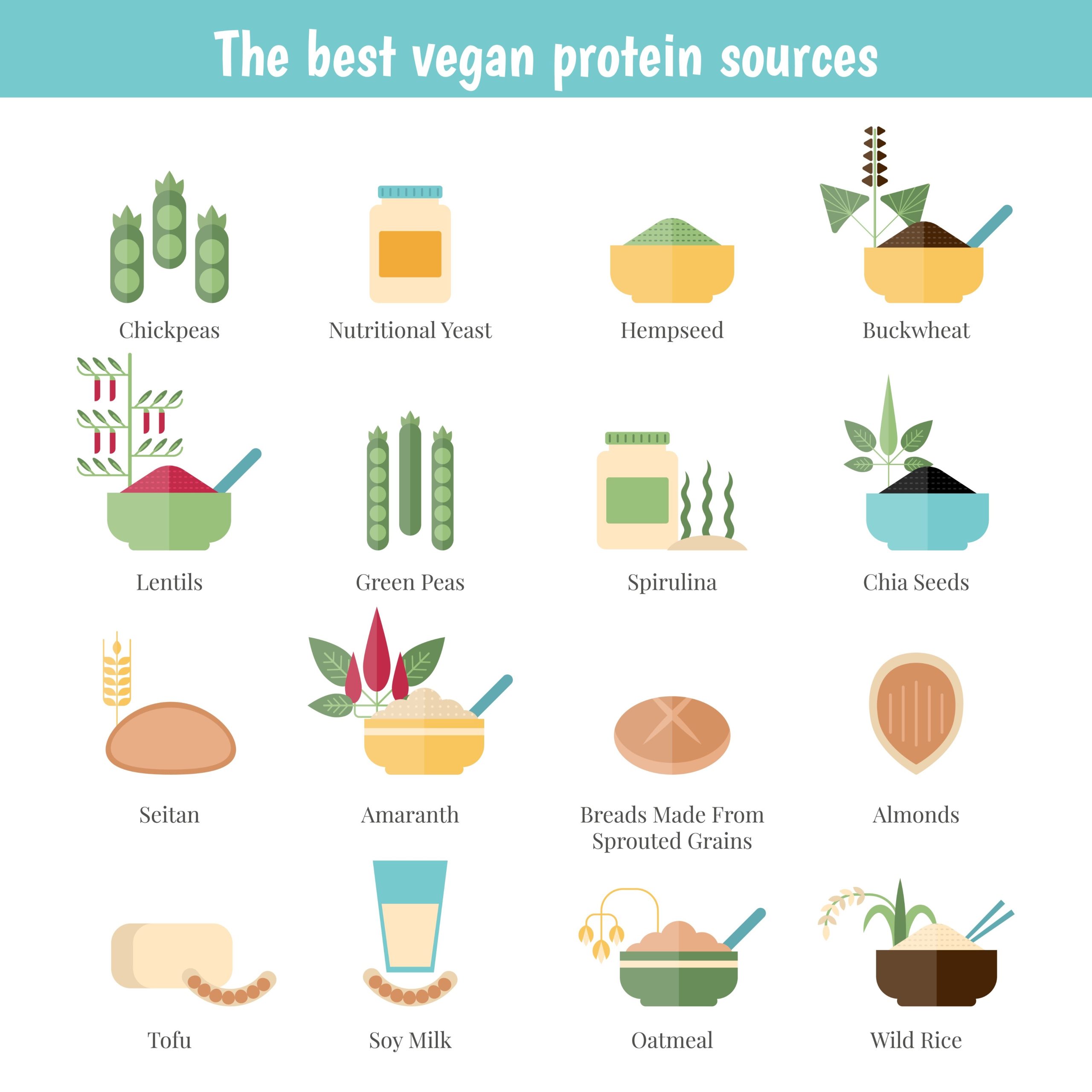
A common concern about reducing meat intake is adequate protein consumption. Fortunately, there are numerous plant-based protein sources available, including beans, lentils, tofu, tempeh, and edamame. Quinoa is also a complete protein source, making it an excellent grain choice for those on a plant-forward eating plan. These foods provide both protein and a host of other important nutrients, such as fiber, vitamins, and minerals, promoting overall health. Incorporating these foods into meals helps ensure that protein needs are met without relying exclusively on meat.
Additionally, nuts and seeds can contribute healthy fats and protein, adding extra texture and flavor to dishes. Nut varieties like almonds, walnuts, or pumpkin seeds can be great additions to salads, smoothies, or snack mixes. Introducing a diversity of protein sources increases the range of nutrients consumed, supporting muscle health and repair while avoiding potential deficiencies associated with limited dietary variety.
Micronutrient Intake
More attention should also be given to specific vitamins and minerals that are commonly found in meat products. Key nutrients to monitor include iron, vitamin B12, calcium, and omega-3 fatty acids. Iron can be sourced from legumes, fortified cereals, and dark leafy greens. Consuming vitamin C-rich foods alongside iron sources can enhance absorption significantly—an essential consideration when consuming plant-based iron sources.
Vitamin B12 is predominantly found in animal products, posing a concern for those reducing meat intake. Individuals may consider fortified foods like plant milks or breakfast cereals, or supplements to maintain adequate levels. Calcium can be obtained through fortified plant milks, tofu made with calcium sulfate, and cruciferous vegetables like kale and bok choy. Similarly, omega-3 fatty acids can be sourced from flax seeds, chia seeds, walnuts, and algae-based supplements, which offer great alternatives for those relying less on fish.
By balancing meals thoughtfully and being aware of nutrient needs, individuals on this dietary plan can thrive while enjoying the flexibility it offers. It may be beneficial to consult a registered dietitian or nutritionist to ensure foundational nutritional knowledge is upheld, particularly in the beginning stages of transitioning.
Mindset: Staying Flexible with Plant-Based Choices
One of the most appealing aspects of this eating pattern is its inherent flexibility. Often, maintaining a strict dietary routine can lead to feelings of deprivation or resentment, especially if social situations arise where offered foods do not align with one’s dietary goals. The flexitarian method alleviates this pressure, creating space for enjoyment and adaptability.

Photo by Pavel Danilyuk on Pexels
Social Eating
Dining out or attending social gatherings can pose challenges for those seeking to limit their meat consumption. However, with a flexible mindset, individuals can navigate these situations more seamlessly. When dining out, selecting dishes that incorporate more vegetables and grains can help stay aligned with nutritional goals while still enjoying the experience with friends or family. Choices such as pasta primavera, vegetable stir-fries, or salads packed with a variety of toppings provide diverse options without completely foregoing enjoyment.
Additionally, communicating dietary preferences openly can enhance the social experience. Friends and family members are often more than willing to accommodate when made aware of intentions. Offering to bring a plant-based dish to gatherings not only encourages inclusivity but can also inspire others to explore similar options. Creating a dialogue about food preferences can foster a shared appreciation for nutritious choices, stimulating collective conversations around healthy eating trends.
Listening to Your Body
Embracing flexibility involves tuning into how your body responds to dietary changes. Everyone’s nutritional needs are unique, and being mindful of one’s lifestyle and preferences ensures that dietary choices remain sustainable. Acknowledging signals of hunger and fullness helps maintain a balance between enjoyment and nourishment. Whether it’s a craving for meat or a desire for a satisfying plant-based meal, fulfilling these needs can maintain motivation and enjoyment throughout the journey. Additionally, keeping a food diary may be useful for tracking responses and preferences, helping to curate meals that are both satisfying and nutritious.
Frequently Asked Questions
Q: Is the flexitarian diet suitable for everyone?
A: The flexitarian diet is a versatile plan that can be tailored to fit various lifestyles and preferences. It is suitable for individuals looking to improve their health, manage weight, or reduce their environmental carbon footprint. Importantly, the approach can accommodate various cultural and personal eating patterns, making it inclusive and adaptable. However, anyone with specific dietary restrictions or health concerns should consult with a registered dietitian or healthcare provider to ensure the plan meets their nutritional needs. For instance, people with certain allergies or intolerances must ensure that plant-based foods do not exacerbate their conditions. Overall, understanding individual needs is crucial for a successful transition.
Q: Can I lose weight on a flexitarian diet?
A: Yes, many individuals find that adopting this eating style supports weight loss or maintenance. By focusing on whole, unprocessed foods and incorporating plenty of fruits, vegetables, and legumes, the meal plan promotes reduced calorie consumption while providing essential nutrients. The higher fiber intake from these foods helps promote satiety, which reduces cravings and the likelihood of overeating. However, individual results may vary and depend on overall lifestyle factors such as exercise, portion control, and adherence to the dietary framework. Additionally, maintaining healthy portion sizes is vital, ensuring that one does not inadvertently consume high-calorie processed foods in place of more nutrient-dense options.
Q: How often can I eat meat on a flexitarian diet?
A: There are no strict rules concerning meat consumption within this dietary approach. One of the benefits is its flexibility, so individuals can decide how frequently to include meat based on their preferences and goals. Some may choose to limit meat to a few times a week, while others might enjoy occasional servings more frequently. The key is to prioritize plant-based foods while allowing for moderate inclusions of meat when desired. This approach ensures that meals remain enjoyable and satisfying without compromising on the overall health benefits of eating predominantly plant-based.
Q: Can a flexitarian diet be nutritionally complete?
A: Yes, the flexitarian diet can be nutritionally complete if approached thoughtfully. By including a variety of plant foods and focusing on whole ingredients, it is possible to meet essential nutrient needs. Attention to protein sources, micronutrient intake, and balancing meals will facilitate overall nutrition. For individuals concerned about specific nutrients, such as vitamin B12 or omega-3 fatty acids, careful planning and potential supplementation can help ensure adequacy. Moreover, considering fortified foods can be a practical way to obtain necessary nutrients that may be lacking in a primarily plant-based diet. Consulting a nutritionist can further ensure that dietary needs are being adequately met.
Q: What types of foods should I avoid on a flexitarian diet?
A: While there are no rigid restrictions, the flexitarian approach encourages minimizing processed foods, refined sugars, and unhealthy fats. Instead of solely concentrating on what to avoid, emphasis should be placed on incorporating a bounty of whole, nutrient-rich foods to support health. This could mean limiting foods high in added sugars, saturated fats, and artificial ingredients while focusing on wholesome fare. Having a balanced approach prioritizing whole grains, fruits, and vegetables, while allowing for indulgences ensures that meals remain enjoyable while contributing positively to health. Being aware of ingredients and opting for foods with a shorter ingredient list can simplify meal planning and preparation.
Q: How can I maintain motivation while following this dietary approach?
A: Staying motivated on a flexitarian diet can be achieved by setting personal goals and keeping track of progress. Sharing experiences with friends or online communities can also create additional support. Engaging in meal prepping and trying new recipes will help maintain excitement and curiosity about food. Exploring diverse cultural cuisines, starting cooking challenges, or even attending food workshops can add enthusiasm for culinary creativity. Lastly, being easy on oneself allows for a sustainable approach that encourages healthy habits without the stress of perfection. Celebrating small wins and customizing goals according to personal preferences can enhance motivation and commitment.
Conclusion
The flexitarian diet offers a practical and enjoyable way to enhance one’s nutritional quality while retaining social and culinary variety. This balanced eating strategy promotes greater consumption of plant-based foods while accommodating occasional animal products, enabling individuals to enjoy the best of both worlds. With its emphasis on whole foods, diversity, and sustainability, adopting a hybrid approach to eating transforms dietary habits into a more fulfilling and health-promoting lifestyle.
As awareness of the health and environmental benefits of plant-based diets continues to grow, the flexitarian approach has emerged as a popular option for many seeking to make positive changes without sacrificing the foods they love. By understanding its principles and making informed choices, individuals can nourish their bodies while contributing positively to the planet. This dietary plan empowers flexibility, creativity, and health consciousness, creating a truly sustainable and enriching eating experience.
Ultimately, the flexitarian diet challenges the conventional notions of diet and restriction, shining a light on the abundance and enjoyment that comes from eating more plant-based foods. Encouraging a balanced lifestyle, it represents a step toward a more mindful and compassionate approach to nutrition, appealing to those keen on improving their health while also being kind to the environment. Whether one is a dedicated flexitarian or someone exploring plant-based eating for the first time, this method illustrates that small changes can lead to profound impacts on health and sustainability.
Other of articles:
The information provided is for reference only. Please consult a professional physician if you experience any discomfort.