The ketogenic diet has gained immense popularity over the years, touted for its potential in aiding weight loss and improving metabolic health. For those considering this dietary approach, understanding its fundamentals is essential. This article serves as a comprehensive guide for keto diet beginners, outlining what to eat, what to avoid, and the diet’s efficacy. By adopting a low-carb, high-fat regimen, individuals may experience significant changes in their weight and health markers. However, the implications of such a diet require careful consideration. Are you ready to explore how the ketogenic diet works and if it’s the right fit for you? Let’s delve into the details.
 Keto Diet for Beginners: Food List & Success Guide 2026
Keto Fundamentals: Ketosis Symptoms and Signs
The ketogenic diet, often shortened to keto, emphasizes a significant reduction in carbohydrate intake, which typically constitutes a large portion of most diets. By dramatically cutting down carbs and increasing fat intake, the body enters a state called ketosis. In this metabolic state, the body becomes highly efficient at burning fat for energy instead of glucose. This process mimics the metabolic changes seen in starvation, with the body leveraging its fat stores for survival.
Traditionally, a ketogenic diet comprises about 70-75% fats, 20-25% protein, and only 5-10% carbohydrates. This differs significantly from standard dietary guidelines that recommend a higher carbohydrate intake. The main objective of this eating approach is to induce ketosis, leading the body to utilize fat stores more effectively, potentially resulting in weight loss and improved energy levels.
In ketosis, the liver converts fatty acids into ketones, which serve as an alternative fuel source for the brain and body. This shift from glucose to fat for fuel is what many proponents of the diet believe contributes to its effectiveness for weight management. Research has shown that entering ketosis can also help reduce inflammation and regulate blood sugar levels, further supporting weight management and enhancing overall health.
However, embarking on this journey requires an understanding of which foods to include and which to avoid. Knowing the key components of the plan can help beginners navigate this lifestyle with greater confidence and success. The physiological changes the body undergoes during this transition can be significant and should be approached thoughtfully.
Food List: Best Keto Macronutrient Ratio for Success

Photo by Leeloo The First on Pexels
When starting a keto regimen, it’s crucial to focus on high-quality, nutrient-dense foods while minimizing carbohydrate intake. Here’s a detailed look at the foods you can enjoy:
Healthy Fats
Fats will be the cornerstone of your diet. Opt for unsaturated fats such as avocados, olive oil, and nuts. These provide essential fatty acids and antioxidants that support overall health. The Mediterranean diet, which emphasizes healthy fats, is often heralded for its heart-healthy benefits.
Coconut oil and butter are also commonly used in cooking or added to beverages like coffee. Grass-fed butter and ghee can enhance flavor and provide healthy fats without introducing unhealthy trans fats. Research has indicated that medium-chain triglycerides (MCTs), which are found in coconut oil, can be particularly beneficial for inducing ketosis quickly. They are absorbed rapidly and converted into ketones by the liver.
Protein Sources
While protein intake should be moderate on the ketogenic diet, quality matters. Prioritize grass-fed meats, poultry, and fatty fish such as salmon and mackerel. These sources not only provide protein but also deliver beneficial omega-3 fatty acids. Studies have shown that omega-3s can help reduce inflammation and support heart health, making fatty fish an excellent choice.
Eggs are another excellent protein choice, rich in nutrients such as choline, which supports brain health. Incorporating them into your diet can provide a versatile cooking option. Research indicates that consuming eggs can improve feelings of fullness and decrease overall caloric intake, which can assist with weight management.
Low-Carb Vegetables
Non-starchy vegetables should fill a significant portion of your plate. Leafy greens like spinach and kale, as well as broccoli, cauliflower, and zucchini, are fantastic options. These vegetables are low in carbohydrates and high in fiber, providing essential vitamins and minerals without adding unnecessary carbs to your diet.
It’s essential to consume a variety of vegetables to ensure you’re getting a range of nutrients while following this eating pattern. Cruciferous vegetables, like broccoli, have also been shown to exhibit cancer-fighting properties, making them an excellent addition to any diet. Generally, it’s recommended that your non-starchy vegetable intake be sufficient because they contribute to your daily fiber needs, promoting digestive health and preventing constipation.
Dairy Products
High-fat dairy, including cheese, heavy cream, and full-fat yogurt, can be included in moderation. These not only fit into the high-fat profile needed for ketosis but also offer key nutrients like calcium and vitamin D. Full-fat dairy options have been shown to enhance satisfaction and satiety, potentially leading to lower overall calorie intake.
In addition to providing healthy fats, certain cheeses contain probiotics, beneficial bacteria that support gut health. Opt for hard cheeses like cheddar or gouda as they usually contain fewer carbohydrates than soft cheeses. However, it is essential to listen to your body, as some individuals may experience digestive discomfort with dairy.
Approved Snacks
Snacking can still be a part of your regimen. Opt for nuts, seeds, and high-fat dips like guacamole or cheese spreads. Additionally, pork rinds and certain types of dark chocolate can satisfy cravings without exceeding carb limits. Serving nuts in moderation is crucial, as they are calorie-dense, which can lead to overeating.
Preparation is key—keep healthy snacks on hand to avoid temptation when hunger strikes. Other viable snack options include celery sticks with almond butter or hard-boiled eggs, providing both fat and protein to keep you energized throughout the day.
Foods to Avoid: Staying in a Ketogenic State

Photo by www.kaboompics.com on Pexels
Adhering to the ketogenic diet requires mindful avoidance of specific foods that can hinder progress. Here’s a breakdown of what to eliminate:
High-Carbohydrate Foods
Avoid foods that are high in carbohydrates, including sugary snacks, bread, pasta, and rice. These items can dramatically increase your daily carb intake and stall ketosis. Commonly consumed “healthy” grains such as quinoa and whole grains can also be high in carbs; thus, moderation is key.
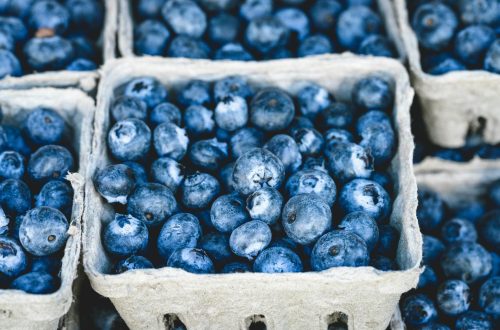
Fruits are also a consideration. While some fruits can be consumed in moderation, high-sugar varieties like bananas, grapes, and apples should typically be avoided. Instead, berries can be a better choice due to their lower sugar content. Full-fat coconut milk can also add flavor and nutrition without the sugar found in many fruit sources.
Processed Foods and Sugars
Processed foods often contain hidden sugars and unhealthy fats. Avoid items such as fast food, packaged snacks, and sugary beverages. Reading ingredient labels is essential since many seemingly healthy products may contain added sugars and preservatives that may be detrimental to ketosis.
Many individuals underestimate the sugar content in foods labeled as “low-fat” or “sugar-free.” These products often compensate by adding other types of carbohydrates that can lead to increased insulin levels, thus negating the benefits of a ketogenic diet. Being wary of these traps is crucial for staying in ketosis.
Starchy Vegetables
Be wary of starchy vegetables. Potatoes, corn, and peas tend to have more carbs than the non-starchy options that should form the basis of your meals. Focus on those that fall just below the carb threshold. Even though starchy vegetables are packed with nutrients, their carbohydrate density can hinder your progress on the plan.
Alcohol and Grains
Alcohol can be deceptively high in carbohydrates, particularly in mixed drinks. When starting this dietary pattern, it may be beneficial to avoid alcohol until you’ve established a routine. Grains such as wheat, oats, and barley also should be avoided due to their high carb content.
If you do choose to consume alcohol, spirits such as vodka or whiskey are often lower in carbohydrates; however, portion control remains imperative to ensure you don’t exceed your daily allowance. Always be cautious and drink mindfully, especially during the first phases of the ketogenic diet.
Efficacy: Ketogenic Diet for Weight Loss Evidence

Photo by Ketut Subiyanto on Pexels
The effectiveness of the ketogenic diet can vary by individual, but many reports affirm its positive impact on weight loss and metabolic health. By eliminating carbs, many people experience a reduction in hunger and cravings, making it easier to maintain a calorie deficit.
Research has shown that this method can lead to greater fat loss when compared to other diets. A 2020 study published in Healthline revealed that participants following a keto diet lost more weight than those on a low-fat diet over four months. These findings have been echoed in numerous clinical studies, indicating that sustained adherence to a ketogenic lifestyle results in significant improvements in body composition.
Additonally, improvements in blood sugar levels and insulin sensitivity have been noted among individuals following this approach. This might benefit those managing type 2 diabetes, but those individuals should consult healthcare professionals before making dietary changes. A systematic review in the Mayo Clinic suggests that ketogenic diets may positively impact glycemic control, but they must be carefully monitored.
Potential Benefits
There are several potential benefits to adopting this dietary strategy:
- Weight Loss: Many begin this approach to lose weight effectively. Reduced cravings and a shift in energy source can contribute to sustained weight loss. Research shows that the metabolic state of ketosis can result in increased fat oxidation, leading to a reduction in body fat.
- Enhanced Mental Clarity: Ketones are suggested to provide a more efficient fuel for the brain than glucose, potentially enhancing cognitive function. Some studies indicate that individuals with neurodegenerative conditions may experience cognitive benefits when transitioning to a low-carb, high-fat diet.
- Stabilized Blood Sugar Levels: For some, following this eating pattern can lead to improved insulin sensitivity and better blood sugar management. These effects can be especially important for individuals with insulin resistance or metabolic syndrome.
Safety First: Managing Keto Flu Remedies and Risks
While many find success on this plan, certain considerations can pose risks:
- Nutritional Deficiencies: Excluding many food groups can lead to a lack of essential nutrients. Incorporating a variety of allowed foods is key to avoiding deficiencies. It can also be helpful to consult with a dietitian to ensure that you’re meeting your nutritional needs while on this plan.
- Keto Flu: Upon initiating the regimen, some experience flu-like symptoms. This can include headaches, fatigue, and irritability as the body adjusts to the new fuel source. Staying hydrated and replenishing electrolytes can help ease these symptoms.
- Not Suitable for Everyone: Those with certain health issues or dietary restrictions should seek advice from medical professionals before starting this or any other diet. People with conditions such as pancreatitis, liver disease, or any metabolic disorders should take particular caution.
Getting Started: Keto Meal Prep for Beginners
Transitioning into this way of eating can be a significant shift from conventional diets. Here are some steps to facilitate this process:
Step 1: Educate Yourself
Before making dietary changes, invest time in understanding the keto diet. Research various sources to comprehend the science behind it, including the types of fats and proteins that are best suited for this diet. Many beginners find it helpful to read books or watch videos designed to clarify and break down the fundamentals of a ketogenic lifestyle.
Step 2: Gradually Reduce Carbohydrates
Instead of making drastic changes overnight, consider gradually reducing your carbohydrate intake. This approach minimizes shock to the body and helps with a smoother transition. For instance, start by eliminating sugary beverages and gradually decrease the amount of bread and pasta in your meals. Tracking your food intake with apps can help keep you accountable and focused.
Step 3: Keep Hydrated
Hydration is crucial since the diet can lead to increased water loss. Be mindful of fluid intake, and consider electrolytes to maintain balance. Electrolyte imbalances can lead to muscle cramps and headaches, so incorporating sources of electrolytes, such as bone broth or electrolyte supplements, can be beneficial.
Step 4: Meal Planning
Planning meals ahead of time can simplify maintaining your new diet. This practice can help prevent missteps and overeating on high-carb options. Experimenting with new recipes can also keep your meals exciting and enjoyable. Utilize resources, including recipe websites dedicated to ketogenic cooking, to find inspiration for your weekly meal prep.
Practical Tips for Successful Adherence
Individuals new to the ketogenic diet can significantly benefit from practical strategies that enhance adherence and make meal preparation more manageable. Here are several useful tips:
Shopping Smart
When grocery shopping, stick primarily to the perimeter of the store where whole foods are typically found. This can help you avoid the processed and sugary items that often line the aisles. Make a list before you shop to stay focused on purchasing only keto-friendly foods.
Finding Support
Consider joining keto-friendly communities, either online or through local meetups, where you can find support and encouragement. Many people benefit from sharing their experiences, challenges, and successes with others who understand their dietary choices. Online platforms provide valuable resources, meal plans, and recipe ideas to aid your journey.
Be Patient and Flexible
Remember that transitioning to a ketogenic lifestyle can take time. Don’t be discouraged by occasional setbacks. Flexibility is key; allow room for nutritional adjustments that work for your body and lifestyle. Ultimately, developing a personalized approach that suits your preferences can enhance sustainability.
Frequently Asked Questions
Q: Can I eat fruits on the keto diet?
A: While most fruits are high in sugars, certain low-sugar fruits like berries can be consumed in moderation. Berries such as strawberries, blackberries, and raspberries are low in carbs and high in antioxidants, making them a good option. It’s essential to monitor portions to ensure that they fit within your daily carbohydrate limits. For example, a serving of strawberries typically contains around 7-8 grams of carbohydrates, while a serving of blueberries can be slightly higher. Always account for their carbohydrate content to stay within your daily limits and consider pairing them with high-fat dairy to optimize their benefits.
Q: How long does it take to enter ketosis?
A: Typically, it takes about three to seven days of following a strict low-carb regimen to enter ketosis. Individual factors, including activity levels, age, and metabolism, can influence this timeline. For those regularly engaging in physical activity, the induction of ketosis may occur more swiftly. To check whether you’ve successfully entered ketosis, you can use ketone test strips available from pharmacies or ketone meters to measure levels in your urine or blood, respectively. To optimize your journey, consider intermittent fasting, which can help accelerate the transition into ketosis.
Q: Will I experience side effects on the keto diet?
A: Some individuals report experiencing the “keto flu,” characterized by fatigue, headaches, and irritability as the body adjusts to ketosis. These symptoms usually resolve within a few days to a week as the body adapts to the new energy source. Staying hydrated and replenishing electrolytes (such as sodium, potassium, and magnesium) can help ease these symptoms during the adjustment phase. If symptoms persist, consider consulting a healthcare provider to address potential imbalances or identify any underlying issues post-adjustment that may hinder your ketogenic journey.
Q: Can I exercise while on a keto diet?
A: Yes, exercise is encouraged but it might take some time for the body to adapt to using fat for fuel. Many find that their energy levels increase once fully adapted to the diet, allowing them to achieve their fitness goals. Incorporating resistance training can help maintain muscle mass during weight loss. It may be beneficial to start with lower-intensity workouts during the initial phase until your body fully adapts. Additionally, some athletes follow a targeted ketogenic diet, which allows for small amounts of carbohydrates around workout times to enhance performance.
Q: Is the keto diet suitable for long-term use?
A: While many people successfully follow a ketogenic lifestyle long-term, it may not be suitable for everyone. Individual goals, health conditions, and lifestyle should be considered when assessing its longevity. Long-term adherence may require careful planning to avoid nutrient deficiencies and to ensure a balanced intake of vitamins and minerals. For some, cycling in and out of ketosis or modifying carb intake—such as incorporating targeted keto periods—can provide benefits while maintaining flexibility in eating habits. Consulting with a healthcare professional can greatly assist in implementing and modifying dietary practices for sustainability over the long term.
Q: Can I have cheat days on a ketogenic diet?
A: Cheat days can hinder your progress by kicking you out of ketosis. If you choose to indulge, it is best to do so sparingly and plan accordingly to minimize the impact on your goals. Consider having a planned “cheat meal” rather than a whole day, allowing for greater control over your carbohydrate intake. Some individuals experience heightened cravings or increased difficulty getting back into ketosis after cheat days, so it’s vital to find a balanced approach that works best for your lifestyle and maintains motivation. Strategies like intermittent fasting or reducing carb intake in the days following a cheat can help mitigate potential setbacks.
Conclusion
The ketogenic diet offers a unique approach to nutrition that may benefit many individuals, particularly those looking to lose weight or improve metabolic health. By focusing on high-quality healthy fats and adequately managing carbohydrate intake, one can navigate this dietary pattern successfully. Despite its potential advantages, it’s crucial for beginners to stay informed and make thoughtful food choices throughout their journey.
This regimen may not be suitable for everyone, so consulting with a healthcare professional is advisable before making significant dietary changes. Ultimately, whether you are looking to burn fat, boost energy levels, or manage health conditions, the keto diet presents a structured, science-backed method. Armed with knowledge of what to eat, what to avoid, and how to make it work for you, embarking on this journey can lead to transformative health improvements.
As you consider venturing into the realm of keto, remember that listening to your body and being patient during this transition is key. It’s essential to prioritize overall wellness, ensuring that along with weight management, you’re making choices that support long-term health. A ketogenic diet can be a pathway to achieving personal health goals when approached mindfully. Keeping a growth mindset and remaining flexible will not only enhance your experience but will also allow you to cultivate a sustainable lifestyle that centers on nourishing, flavorful food while embracing the transformative power of your dietary choices.
Other of articles:
The information provided is for reference only. Please consult a professional physician if you experience any discomfort.