In recent years, adaptogens have gained significant popularity in the wellness community, often touted for their potential to help the body adapt to stress and restore balance. This intriguing classification of herbs and natural substances, including ashwagandha, rhodiola, and reishi, poses a promise of improved physical and mental health. As consumers become increasingly interested in holistic approaches to wellness, many wonder whether these herbs actually deliver on their claims. This article explores the science behind these adaptogens, specifically focusing on ashwagandha benefits, and other key herbs in this category, providing an evidence-based perspective on their efficacy and applications.
Ashwagandha Benefits: Do Adaptogens Really Work? (2026 Guide)
Photo from shutterstock
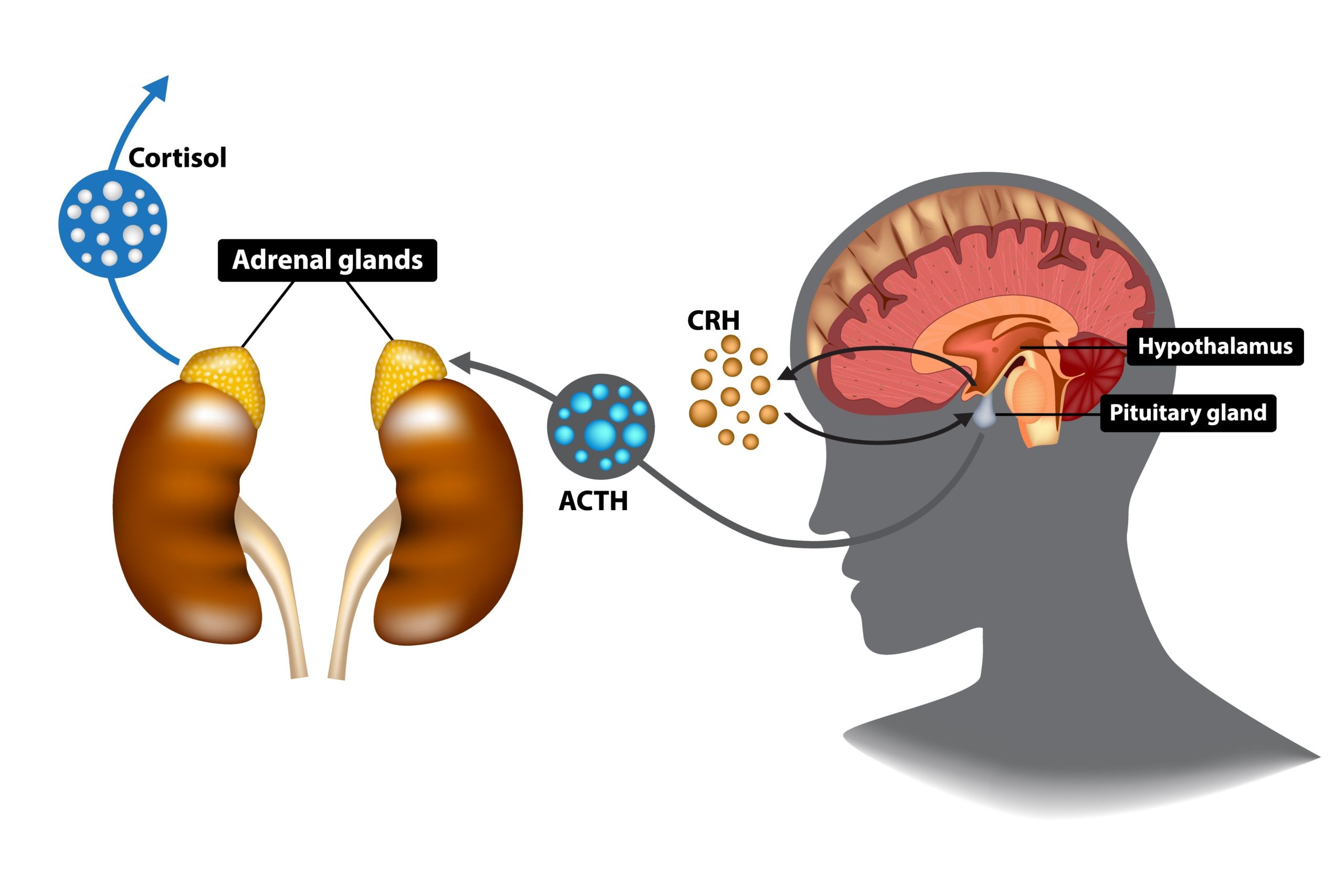
What Are Adaptogens: How Herbs Modulate the HPA Axis
Adaptogens are natural substances, typically derived from plants, that are believed to help the body resist stressors of various kinds, including physical, environmental, and emotional challenges. The term “adaptogen” was first coined in 1947 by Russian scientist Dr. Nikolai Lazarev, who sought to describe a category of herbs that enhanced the body’s resilience to stress while promoting overall well-being. This definition has since evolved as researchers have delved deeper into the biochemistry and therapeutic potential of these natural compounds.
One of the defining characteristics of adaptogens is their ability to act on the hypothalamic-pituitary-adrenal (HPA) axis, which plays a crucial role in managing stress response. This mechanism suggests that adaptogens may work to normalize disruptions caused by chronic stress, allowing the body to function more effectively. The ability to modulate the HPA axis helps to decrease the imbalance of cortisol and other stress hormones, leading to a more balanced physiological state.
Adaptogens have been associated with a variety of potential health benefits, including improved cognitive function, enhanced immune response, and increased energy levels. Highlighting their growing significance in modern wellness culture, adaptogens are now marketed in various forms—from teas and supplements to skincare products. It is essential to approach these claims with a critical eye, as scientific validation varies among different adaptogenic herbs. Furthermore, the safety profile and dosage recommendations require careful consideration when integrating adaptogens into one’s lifestyle.
Classification Rules: Defining Non-Toxic Homeostasis Herbal Actions
Adaptogens are classified based on several criteria, primarily their effects on the body and their safety profile. To be classified as an adaptogen, a substance must meet three primary criteria:
- Non-toxic: Adaptogens must be safe for regular use without causing any harmful side effects. This has been key to their historical use in traditional medicine, where safety and efficacy are paramount.
- Homeostasis Induction: They should help restore balance in bodily functions during times of stress. This encompasses a wide range of physiological processes, including metabolism, immune function, and mood regulation.
- Broad Spectrum Action: Adaptogens should promote resistance to a wide array of stressors, both physical and psychological. This broad efficacy is particularly important amid the increasing complexity of modern life.
Some common examples of adaptogens include ashwagandha, rhodiola rosea, ginseng, and reishi mushrooms. Each of these herbs carries its unique characteristics and health claims, demonstrated through various studies over the years. With a better understanding of what defines these natural substances, consumers can make more informed decisions regarding their incorporation into daily life.
Stress Relief: Exploring Proven Ashwagandha Benefits for Anxiety
Ashwagandha, scientifically known as Withania somnifera, is one of the most well-known adaptogens. This herb has been utilized in Ayurvedic medicine for centuries, primarily for its restorative properties. Research indicates that the root and leaves of ashwagandha contain a range of bioactive compounds, including alkaloids, steroidal lactones, and withanolides. These components are thought to contribute to its adaptogenic properties. Traditionally, ashwagandha has been used to enhance vitality, fertility, and reproductive health, alongside its roles in stress management.

Photo by ready made on Pexels
One of the most prominent ashwagandha benefits is its ability to manage stress. A meta-analysis published in the journal PLOS ONE found that participants who took ashwagandha extract displayed reduced levels of the stress hormone cortisol, which is often elevated in individuals experiencing chronic stress. The research indicated that consistent ashwagandha supplementation significantly reduced stress and anxiety levels compared to the placebo group. This is particularly relevant since many individuals in modern society grapple with heightened stress levels due to work, personal challenges, or external factors.
Moreover, ashwagandha has been linked to improved sleep quality. Chronic stress often disrupts sleep patterns, leading to insomnia and restlessness. A study published in the American Journal of Health Promotion found that participants who took ashwagandha reported better sleep quality improvement and overall wellness. Incorporating ashwagandha into a nighttime routine could serve as a natural alternative to pharmaceutical sleep aids, providing relief to those with sleep disturbances without significant side effects.
Rest & Cognition: Achieving Better Sleep Quality Improvement
Beyond stress reduction, ashwagandha has garnered attention for its potential to enhance cognitive function and memory retention. According to a study published in the journal Journal of Dietary Supplements, participants demonstrated improved cognitive performance after taking ashwagandha supplements over a period of eight weeks. This improvement could be attributed to the herb’s antioxidant and anti-inflammatory properties, which may protect brain cells from damage, potentially benefiting students, professionals, and older adults alike.
Furthermore, ashwagandha may also be beneficial for physical performance enhancement. Research indicates that strength-training athletes who incorporate ashwagandha into their regimen can experience increased muscle mass and overall strength. A study published in the Journal of the International Society of Sports Nutrition suggested that supplementation may lead to improvements in aerobic capacity and overall physical performance. For fitness enthusiasts, this means that ashwagandha could serve as a valuable ally in maximizing workout effectiveness and recovery.
Additionally, ongoing research hints at ashwagandha’s potential benefits in managing inflammation and blood sugar levels. These factors have significant implications for individuals dealing with chronic conditions such as diabetes and metabolic syndrome, where inflammation and glucose metabolism often play critical roles.
Energy Boost: Herbs That Alleviate Fatigue and Improve Resilience
Rhodiola rosea, commonly known as golden root or Arctic root, is another well-regarded adaptogen. Used for centuries, particularly in traditional Siberian medicine, rhodiola has been valued for its purported ability to alleviate fatigue and improve resilience to stress. Rhodiola is believed to contain several active compounds, including rosavin, salidroside, and tyrosol, which contribute to its adaptogenic effects. These compounds are thought to regulate key neurotransmitters, including serotonin and dopamine, thereby enhancing mood and overall mental clarity.

Photo by Wyxina Tresse on Pexels
A study published in the journal Phytotherapy Research demonstrated that individuals taking rhodiola experienced significant reductions in fatigue, especially during stressful periods. Participants reported increased mental performance and reduced mental fatigue when engaging in demanding cognitive tasks. The research highlights rhodiola’s potential as a cognitive enhancer during times of stress, making it especially relevant for students, professionals, and anyone in high-pressure environments.
Mood Regulation: Enhancing Endurance and Mental Clarity Naturally
In addition to reducing fatigue, rhodiola may also support physical performance. Some exercise studies show that it may enhance endurance during workouts, allowing for more prolonged and effective training sessions. This effect could be partly due to rhodiola’s ability to reduce perceived exertion, making it easier for individuals to push through challenging workouts. Many professional athletes and fitness enthusiasts are now seeking out rhodiola supplements to optimize their training regimens and performance outcomes.
Moreover, rhodiola is thought to have positive effects on mood regulation. A systematic review published in Current Neuropharmacology suggested that rhodiola may help alleviate symptoms of depression and anxiety, similar to conventional antidepressant medications but often with fewer side effects. The potential mood-boosting properties position rhodiola as a valuable tool in the holistic approach to mental wellness, offering an alternative for those seeking natural strategies to enhance mental health.
One practical way to incorporate rhodiola into your daily routine is through its powdered form. This can be added to smoothies or mixed into herbal teas, allowing for easy integration into a balanced diet.
Fungi Support: Maintaining a Balanced Immune System with Reishi
Reishi mushrooms, known scientifically as Ganoderma lucidum, have long been hailed as a medicinal mushroom within various cultures for their unique health benefits. Often referred to as the “mushroom of immortality,” reishi is reputed for its therapeutic properties, especially in maintaining a balanced immune system and reducing stress. The presence of polysaccharides and triterpenoids in reishi contributes significantly to its health benefits.

Photo by Liliana Drew on Pexels
Research supporting the adaptogenic capabilities of reishi mushrooms is emerging, with evidence suggesting they can modulate the body’s stress response. A study published in the Journal of Ethnopharmacology has shown that reishi may positively influence mood and alleviate stress-related symptoms. This is particularly beneficial for individuals dealing with chronic stress or anxiety, providing a natural means of promoting well-being.
Immune Defense: Polysaccharides and Therapeutic Benefits
One of the most celebrated benefits of reishi mushrooms is their immune-enhancing properties. Various studies indicate that compounds found in reishi, such as beta-glucans and triterpenes, can stimulate immune system activity. The immune-boosting effect is essential for both preventing illness and supporting recovery. For individuals looking to maintain their health during cold and flu season, incorporating reishi into their diet—through capsules, teas, or tinctures—can serve as a proactive measure.
Additionally, reishi mushrooms have been studied for their potential anticancer properties. Although more research is needed, preliminary studies suggest that they may inhibit tumor growth and reduce cancer cell proliferation. Their possible role in cancer prevention is an area of ongoing investigation, making them an intriguing subject in the world of nutraceuticals.
Reishi may also have calming properties that help promote restful sleep—a synergistic benefit when considering its immune-supporting capabilities. For individuals looking to unwind, a cup of reishi-infused herbal tea may help cultivate relaxation in the evening.
Wellness Integration: How to Add Adaptogen Powders to Meals
With an increasing focus on holistic health and natural remedies, adaptogens are becoming more prevalent in dietary supplements, teas, and functional foods. More people are turning to these natural substances to help adapt to daily stresses, manage anxiety, and improve overall well-being. However, it is crucial to approach adaptogens with an informed perspective; not all adaptogens are created equal in terms of their therapeutic efficacy.
People often wonder about the best approach to integrate adaptogens into their diets. For example, using ashwagandha in the form of a capsule may be ideal for those looking for convenience, while others may prefer to use the powder in smoothies or oatmeal for a more versatile application. Adapting them into daily routines can be straightforward, whether in the form of herbal teas or incorporated into meal preparations.
Safety Profile: Adhere to Reputable Sourcing Guidelines Carefully
While adaptogens like ashwagandha, rhodiola, and reishi have shown promise in studies, proper dosage and administration are critical. Consulting with a healthcare professional before incorporating adaptogens into your wellness routine is recommended, especially for individuals with underlying health conditions or those taking other medications. Dosage recommendations can vary widely depending on factors such as the specific herb in question, the formulation used, and the individual’s health and lifestyle considerations.
It’s also important to note any potential side effects associated with adaptogen use. For example, high doses of ashwagandha may lead to gastrointestinal discomfort, while excessive rhodiola can cause irritability or insomnia. Ensuring that you adhere to reputable sourcing guidelines and starting with lower doses can help mitigate such issues. Recognizing the body’s response to these herbs is crucial, as some individuals may experience heightened effects, while others may not perceive benefits at lower dosages.
Real-World Applications: Practical Tips for Integrating Adaptogens
As adaptogens increase in popularity, many people look for ways to integrate these herbs into their daily lives. Whether through capsules, powders, teas, or culinary dishes, the versatility of adaptogens makes it easier to include them in various diets. Here are some practical tips for incorporating adaptogens effectively:
- Start Small: If you are new to adaptogens, start with small doses. This allows you to gauge how your body reacts without overwhelming it.
- Experiment with Combos: Many adaptogens work synergistically when combined. For instance, ashwagandha and rhodiola can be taken together for enhanced stress resistance while promoting energy.
- Incorporate in Meals: Adaptogenic powders can be easily added to smoothies, oatmeal, or energy balls, making them integrate seamlessly into your diet.
- Mindful Moments: Pair the consumption of adaptogens with mindfulness practices, such as meditation or yoga. This enhances their calming effects and promotes overall well-being.
- Stay Consistent: Allow time for these herbs to enact their benefits; regular consumption over weeks or months is usually necessary to see positive effects.
Frequently Asked Questions
Q: Can everyone use adaptogens like ashwagandha or rhodiola?
A: While adaptogens are generally considered safe, not everyone should use them indiscriminately. Individuals with certain health conditions, such as autoimmune disorders or thyroid concerns, may need to exercise caution and should consult a healthcare professional before initiating adaptogen supplementation. Pregnant or nursing women should also seek medical guidance. Personalized recommendations can ensure safe and effective use of these herbs. For instance, those taking medications that impact hormone levels may find certain adaptogens unsuitable and should consider alternatives that suit their health needs.
Q: How long does it take for adaptogens to work?
A: The time it takes for adaptogens to exert noticeable effects varies significantly among individuals and depends on several factors, including the specific herb, dosage, and individual health status. Some people may experience immediate benefits after a single dose, particularly in terms of mood elevation or a reduced perception of stress. However, many adaptogens require consistent use over several weeks to see significant results. For example, studies on ashwagandha suggest that notable stress-reducing effects are typically observed after 6–8 weeks of regular supplementation. It’s recommended to give your body time to adapt and respond before evaluating effectiveness continuously.
Q: Are there any side effects associated with adaptogens?
A: Although adaptogens are generally well-tolerated, potential side effects may arise depending on individual sensitivities and dosages. High amounts of ashwagandha can cause gastrointestinal upset, while excessive use of rhodiola might lead to irritability. For reishi, it can cause headaches or digestive disturbances in some individuals. To minimize adverse reactions, starting with lower dosages and monitoring your body’s response is advisable. Always pay attention to how you feel and consider taking breaks or reducing dosages if you experience any discomfort.
Q: Can I combine different adaptogens?
A: Yes, many adaptogens can be effectively combined in a regimen, potentially enhancing their effects. However, consulting with a healthcare professional can provide guidance on tailored combinations that align with individual health goals and needs. Some popular combinations include pairing ashwagandha with rhodiola or reishi mushrooms for a holistic approach to health. For example, while ashwagandha may help reduce stress, rhodiola could provide the necessary energy boost for daily activities. When experimenting with different combinations, careful observation of how your body responds is essential.
Q: Are adaptogens a replacement for conventional treatments?
A: Adaptogens should not be viewed as a replacement for conventional medical treatments. While they can provide supportive benefits for stress management and overall wellness, it is crucial to maintain open communication with healthcare providers regarding any integrative approaches to health. Adaptogens should complement, not substitute, established treatments. For instance, individuals diagnosed with anxiety or depression should continue following their healthcare provider’s treatment plan while considering adaptogens as a potential adjunctive support to improve general feelings of well-being. Each person’s health journey is different, and tailored support is crucial for optimal outcomes.
Conclusion
Adaptogens like ashwagandha, rhodiola, and reishi offer exciting possibilities in the realm of stress management and overall health enhancement. The body of research suggests that these herbs may deliver real benefits, particularly concerning stress reduction, cognitive enhancement, and immune support. The unique properties of each adaptogen offer various avenues for individuals seeking to enhance their health and resilience against the challenges of modern living. However, like any supplement, it is vital to approach their use with caution, prioritizing quality sourcing and appropriate dosage.
By integrating these natural substances into a well-rounded wellness routine, individuals can potentially experience the benefits of adaptability and resilience in their lives. It’s crucial to consider personal health conditions, lifestyle, and individual responses to determine the optimal approach to using adaptogens safely and effectively. Nonetheless, as ongoing research continues to explore the implications of these remarkable herbs, individuals can look forward to more insights into how these ancient remedies can complement contemporary healthcare strategies. Adopting a comprehensive approach to health that combines proper nutrition, physical activity, and mindfulness practices will yield the most significant benefits in the journey toward well-being.
Other of articles:
Collagen peptides for skin elasticity
The information provided is for reference only. Please consult a professional physician if you experience any discomfort.