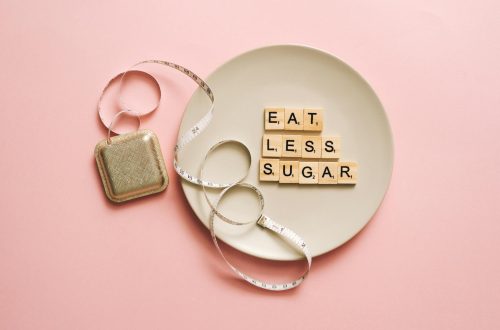
Finding a lasting solution to excess body weight can feel overwhelming, especially when quick‑fix diets promise dramatic results but often lead to rebound gain. The key to lasting change lies in an evidence‑based approach that respects the body’s biology, supports healthy habits, and fits into everyday life. By focusing on gradual, maintainable adjustments rather than extreme restrictions, you can achieve a healthier composition and keep it off for the long term. This article outlines ten research‑backed tactics that together form a comprehensive plan for sustainable weight loss.

Set Realistic Goals and Track Progress
Why SMART goals matter
Goal‑setting is more than wishful thinking; it provides a roadmap that guides daily decisions. The SMART framework—Specific, Measurable, Achievable, Relevant, Time‑bound—helps translate vague aspirations into concrete actions. For example, instead of saying “I want to lose weight,” a SMART goal would read, “I will lose 1–2 pounds per week for the next 12 weeks by walking 30 minutes five days a week and reducing sugary drinks.” This clarity reduces ambiguity and increases motivation.
Tracking progress reinforces accountability and highlights patterns that may need adjustment. Simple tools such as a notebook, a spreadsheet, or a mobile app can record weight, body measurements, food intake, and activity levels. Research published in the *American Journal of Preventive Medicine* shows that self‑monitoring is associated with a 20‑30 % greater weight loss compared with no monitoring. Regular review also allows you to celebrate small victories, which sustains enthusiasm over months.
It’s essential to set expectations that align with physiological limits. The National Institutes of Health notes that a safe, steady loss of 0.5–1 kg (1–2 lb) per week is realistic for most adults. Trying to shed weight faster often leads to muscle loss, nutrient deficiencies, and a higher likelihood of regaining the pounds. By honoring the body’s natural pace, you protect metabolic health while still moving toward your target.
Finally, adjust goals as you progress. If you find that a 12‑week target is too ambitious, extend the timeline rather than abandoning the plan. Flexibility prevents feelings of failure and keeps the momentum alive. Remember, the journey is iterative; each cycle of planning, acting, and reviewing brings you closer to lasting results.
Practical tip: use a weekly “progress snapshot” that includes a photo, a brief note on energy levels, and a single metric (e.g., waist circumference). Over time, visual evidence can be more motivating than numbers alone. Many successful participants report that seeing a slimmer silhouette in photos reinforces adherence even when the scale stalls.
Prioritize Whole Foods Over Processed Options
Understanding nutrient density
Whole foods—such as vegetables, fruits, legumes, nuts, seeds, lean proteins, and minimally processed grains—provide a rich matrix of vitamins, minerals, fiber, and phytonutrients. These components work synergistically to support satiety, blood‑sugar stability, and overall metabolic health. In contrast, highly processed foods often contain added sugars, refined starches, and unhealthy fats that can trigger rapid spikes in insulin and promote fat storage.
A systematic review in *Nutrients* found that diets emphasizing whole, minimally processed foods are consistently linked to greater weight loss and improved cardiometabolic markers compared with diets high in ultra‑processed items. The study highlighted that the sheer volume of fiber and water in whole foods increases gastric distension, leading to reduced calorie intake without conscious restriction.
Practical strategies include shopping the perimeter of the grocery store, where fresh produce, dairy, and meats are typically located, and limiting trips to aisles stocked with snack foods and sugary beverages. Preparing meals at home also grants control over ingredients, portion sizes, and cooking methods. When you need convenience, choose options like pre‑washed salad greens, frozen vegetables, or canned beans rinsed to remove excess sodium.
Transitioning to a whole‑food‑focused regimen does not require a complete overhaul overnight. Start by swapping one processed item per day for a nutrient‑dense alternative—replace sugary cereal with oatmeal topped with berries, or trade a bag of chips for a handful of almonds. Over weeks, these incremental changes accumulate, creating a dietary pattern that naturally supports weight management.
Real‑world example: a busy professional began packing a quinoa‑and‑black‑bean salad with chopped veggies for lunch instead of grabbing a fast‑food sandwich. Within four weeks, they reported feeling fuller longer, experienced fewer mid‑afternoon cravings, and lost approximately 3 pounds without counting calories.
Evidence from the CDC’s Healthy Weight portal confirms that increasing fruit and vegetable intake is associated with a modest but statistically significant reduction in BMI across diverse populations.
The Role of Balanced Nutrition in Sustainable Weight Loss

Macronutrient distribution
Achieving a harmonious balance of carbohydrates, proteins, and fats is central to maintaining energy levels while encouraging the body to use stored fat as fuel. Research from the Mayo Clinic indicates that a moderate protein intake (approximately 0.8–1.2 g per kilogram of body weight) helps preserve lean muscle during calorie deficits, which is crucial for sustaining metabolic rate.
Carbohydrates should primarily come from complex sources—whole grains, legumes, and starchy vegetables—that release glucose gradually, preventing the roller‑coaster of hunger and cravings. Meanwhile, healthy fats from avocados, olive oil, fatty fish, and nuts provide satiety and support hormone production, including those involved in appetite regulation.
Individual needs vary based on activity level, age, and health status, but a common starting point is the 40‑30‑30 split: 40 % of calories from carbs, 30 % from protein, and 30 % from fat. Adjustments can be made after monitoring how your body responds. For instance, athletes may benefit from a higher carbohydrate proportion, while those with insulin resistance might find a slightly lower carb ratio more effective.
Beyond macronutrients, micronutrients such as iron, calcium, and vitamin D play supporting roles in energy metabolism and bone health. Ensuring a colorful plate—rich in leafy greens, berries, and colorful vegetables—helps meet these needs without extra supplementation. When you pair balanced meals with regular movement, the body efficiently utilizes nutrients, fostering a healthier composition over time.
Practical tip: use the “hand‑portion” method to estimate macronutrient balance on the go. A palm‑sized portion of protein, a fist of carbs, and a thumb of healthy fat provide a quick visual cue that aligns with the 40‑30‑30 principle.
Additional evidence from Healthline notes that diets with adequate protein improve satiety hormones, leading to an average reduction of 200–300 calories per day without conscious restriction.
Incorporate Regular Physical Activity

Combining cardio and strength
Physical activity is a cornerstone of any effective weight‑management plan. Cardiovascular exercises—like brisk walking, cycling, or swimming—raise heart rate, increase calorie expenditure, and improve cardiovascular health. The Centers for Disease Control and Prevention recommends at least 150 minutes of moderate‑intensity aerobic activity per week for adults.
Strength training, on the other hand, builds lean muscle mass, which elevates resting metabolic rate. A study in *The Journal of Sports Medicine* demonstrated that participants who added two weekly resistance‑training sessions lost more fat and retained more muscle compared with those who performed cardio alone. Incorporating compound movements such as squats, deadlifts, and push‑ups engages multiple muscle groups, maximizing efficiency.
For sustainable adherence, choose activities you enjoy. If you love music, consider dance‑based workouts; if you prefer nature, schedule hikes or trail runs. Mixing modalities prevents boredom and reduces the risk of overuse injuries. Additionally, short bouts of high‑intensity interval training (HIIT) can be effective for those with limited time, delivering comparable benefits to longer steady‑state sessions.
Remember to include flexibility and mobility work—like yoga or dynamic stretching—to maintain joint health and improve recovery. Consistency, rather than intensity alone, drives long‑term results. By integrating a balanced mix of cardio, resistance, and flexibility training, you create a robust foundation for lasting weight control.
Real‑world example: a parent of two found that a 20‑minute morning HIIT routine combined with a 30‑minute evening walk fit into a hectic schedule. Over three months, they reported a 5 % reduction in body fat and a noticeable boost in energy for daily tasks.
Tip for beginners: start with two days of resistance training per week, focusing on major muscle groups, and gradually increase to three or four sessions as confidence grows.
Manage Stress and Sleep Quality
Hormonal impacts
Chronic stress and insufficient sleep are often overlooked contributors to weight gain. Elevated cortisol, the primary stress hormone, can increase appetite, promote cravings for high‑sugar foods, and encourage fat storage, particularly around the abdomen. A review in *Psychoneuroendocrinology* linked high cortisol levels with greater body‑mass index (BMI) and waist circumference.
Sleep deprivation disrupts the balance of leptin and ghrelin—hormones that signal satiety and hunger, respectively. When you get fewer than seven hours of sleep, leptin drops while ghrelin rises, leading to increased caloric intake. The National Sleep Foundation emphasizes that adults aim for 7–9 hours of quality sleep each night to support metabolic health.
Practical stress‑reduction techniques include mindfulness meditation, deep‑breathing exercises, and regular physical activity, all of which have been shown to lower cortisol. Establishing a bedtime routine—such as dimming lights, limiting screen time, and reading a book—can improve sleep onset and depth. If sleep problems persist, consider consulting a healthcare professional to rule out underlying conditions like sleep apnea.
Integrating these habits creates a virtuous cycle: better sleep reduces cravings, lower stress improves food choices, and both enhance the effectiveness of your exercise regimen. Over time, this holistic approach supports a healthier body composition without relying on restrictive dieting alone.
Example: a corporate employee began a 10‑minute guided meditation each evening and set a consistent 10 p.m. lights‑out time. Within six weeks, they reported a 15 % reduction in late‑night snacking and a modest 2‑pound weight loss, illustrating the power of sleep and stress management.
Stay Hydrated and Mindful of Beverages
Caloric hidden liquids
Water is the foundation of every metabolic process, from digestion to waste elimination. Adequate hydration supports satiety, often reducing the tendency to mistake thirst for hunger. A study in *Obesity* found that participants who drank 500 ml of water before meals consumed 13 % fewer calories on average.
Many beverages, however, are calorie‑dense without providing nutritional value. Sugary sodas, flavored coffees, and alcoholic drinks can add hundreds of calories daily. The CDC reports that sugary drinks are a leading source of added sugars in the American diet and are strongly associated with weight gain.
To curb hidden calories, replace sweetened drinks with water infused with lemon, cucumber, or fresh herbs. Unsweetened tea and black coffee are also low‑calorie options that can provide antioxidants and a mild metabolic boost. If you enjoy occasional alcohol, choose lower‑calorie choices like a single glass of wine and limit intake to moderate levels—no more than one drink per day for women and two for men, as advised by health authorities.
Tracking beverage intake alongside food can reveal surprising sources of excess calories. Using a simple log or a nutrition app helps you become aware of patterns and make informed swaps. Over weeks, these adjustments can create a noticeable calorie deficit without feeling deprived.
Practical tip: keep a reusable water bottle at your desk and set a reminder to take a sip every hour. This habit not only boosts hydration but also creates natural pauses that can deter mindless snacking.
Build a Supportive Environment and Community
Social accountability
Human behavior is profoundly influenced by the surrounding environment and social circles. Studies published in *Health Psychology* demonstrate that individuals who share their goals with friends or join supportive groups are more likely to achieve and maintain weight loss. The sense of accountability and encouragement reduces feelings of isolation.
Creating a home environment that aligns with your health objectives is equally important. Keep nutritious snacks—such as cut vegetables, fruit, or nuts—within easy reach, and store high‑calorie temptations out of sight or in another room. Meal planning and batch cooking can also reduce reliance on fast‑food options during busy weeks.
Online communities, local meet‑ups, or structured programs like weight‑loss workshops provide platforms for sharing successes, challenges, and practical tips. Engaging with a registered dietitian or a certified fitness professional adds expert guidance and personalized adjustments, increasing the likelihood of long‑term adherence.
Finally, celebrate milestones with non‑food rewards—such as a new workout outfit, a massage, or a day trip. Recognizing progress reinforces positive behavior and sustains motivation. By surrounding yourself with supportive people and an environment that encourages healthy choices, you set the stage for enduring change.
Real‑world example: a group of coworkers formed a lunchtime walking club, meeting three times per week for 20‑minute walks around their office park. Over six months, participants collectively lost an average of 4 pounds and reported higher job satisfaction, illustrating the power of communal activity.
Leverage Technology for Tracking and Motivation
Digital tools that work
Modern smartphones and wearable devices offer a wealth of data that can enhance self‑monitoring without adding complexity. Apps that log meals, steps, heart rate, and sleep patterns provide a comprehensive picture of daily habits. When data is reviewed weekly, trends become apparent, allowing you to fine‑tune your approach.
Evidence from a meta‑analysis in *JMIR mHealth and uHealth* shows that participants who used wearable activity trackers lost an average of 1.5 kg more than those who relied on paper logs alone. The visual feedback—such as a daily step count goal—creates an immediate sense of achievement.
Practical tip: set a daily step goal of 10,000 steps and use the device’s vibration reminder to stand up and move every hour. Pair this with a food‑logging app that includes a barcode scanner for packaged items, making entry quick and accurate.
Many platforms also feature community challenges, where you can compete or collaborate with friends. This gamified element adds fun and reinforces the social accountability discussed earlier. Just remember to protect your privacy by using strong passwords and reviewing app permissions.
Frequently Asked Questions
Q: How quickly can I expect to see results with these strategies?
A: While individual results vary, most experts agree that a safe and realistic rate of weight loss is about 0.5–1 kg (1–2 lb) per week. This pace reflects a modest calorie deficit created through a combination of dietary adjustments, increased activity, and lifestyle changes. Rapid loss often stems from extreme restrictions that are difficult to maintain and can lead to muscle loss or metabolic slowdown. By focusing on the evidence‑based tactics outlined above, you’ll likely notice gradual improvements in energy, clothing fit, and body composition within the first few weeks, with more pronounced changes emerging after several months of consistent effort. Patience is essential; sustainable progress builds a stronger foundation for long‑term health.
Q: Do I need to count calories to be successful?
A: Precise calorie counting is not mandatory for everyone, but awareness of portion sizes and overall intake can be helpful, especially in the early stages. Tools such as food diaries, visual portion guides, or mobile apps can provide insight into eating patterns without the rigidity of strict counting. Over time, many people develop an intuitive sense of appropriate portions and can maintain a healthy balance by focusing on whole foods, mindful eating, and regular activity. The key is to create a sustainable habit rather than a temporary fix. If you find that counting becomes stressful, shift toward using the hand‑portion method or the plate method to guide your meals.
Q: Can I follow these recommendations if I have a medical condition like diabetes?
A: Yes, but it’s essential to tailor the approach to your specific health needs. Individuals with diabetes should monitor carbohydrate quality and timing, work closely with a healthcare provider, and possibly adjust medication under professional guidance. Emphasizing low‑glycemic, fiber‑rich foods, regular physical activity, and consistent sleep can improve blood‑sugar control while supporting weight management. Always consult your physician or a registered dietitian before making significant changes to your diet or exercise routine, especially if you have chronic conditions. Personalized adjustments—such as spreading carbohydrate intake throughout the day—can help you stay within target glucose ranges while still benefiting from the broader strategies.
Q: How important is strength training compared to cardio for weight loss?
A: Strength training plays a crucial role because it preserves and builds lean muscle mass, which boosts resting metabolic rate. While cardio burns calories during the activity itself, resistance exercises create an afterburn effect—known as excess post‑exercise oxygen consumption (EPOC)—that continues to elevate calorie expenditure for hours after the workout. Combining both modalities offers the best results: cardio improves cardiovascular health and calorie burn, whereas strength training ensures those calories come from fat rather than muscle, leading to a healthier body composition. Aim for at least two resistance sessions per week alongside your aerobic routine for optimal benefits.
Q: What are some realistic ways to stay motivated over the long term?
A: Motivation often fluctuates, so building systems that support consistency is vital. Set short‑term, achievable goals and celebrate each milestone with non‑food rewards. Keep a visual progress tracker—such as a chart or photo log—to see tangible improvements. Engage a friend or join a community for shared accountability. Rotate your workouts to keep them fresh, and experiment with new recipes to avoid dietary boredom. Finally, remind yourself of the broader benefits—better sleep, increased energy, and reduced disease risk—to reinforce why you started this journey. When setbacks occur, view them as learning opportunities rather than failures, and adjust your plan accordingly.
Conclusion
Achieving lasting change in body composition is a multifaceted endeavor that extends beyond simple calorie restriction. By integrating realistic goal‑setting, whole‑food nutrition, balanced macronutrients, regular movement, stress and sleep management, proper hydration, a supportive environment, and modern technology, you create a resilient framework for sustainable weight loss. Each strategy is grounded in scientific research and designed to fit into everyday life, making the plan both effective and maintainable.
Remember that progress is cumulative; small, consistent actions compound over weeks and months, leading to meaningful, lasting results. Embrace the journey with patience and compassion, and you’ll discover a healthier, more vibrant version of yourself that endures beyond any fleeting diet trend. Sustainable weight loss is not a destination but a lifelong partnership with your body, guided by evidence, empathy, and empowerment.
Other of articles:
sweat in the morning or in the evening
The information provided is for reference only. Please consult a professional physician if you experience any discomfort.