



Pregnancy and the postpartum period are transformative times in a woman’s life, marked by profound physical, emotional, and psychological changes. Understanding how to nourish and care for oneself during these stages is essential for both the mother and the baby. This comprehensive guide aims to provide insights into pregnancy postpartum wellness, emphasizing nutrition, recovery, and overall well-being. By focusing on healthy eating habits, physical activity, mental health, and self-care practices, women can optimize their health and support their journey through pregnancy and the postpartum phase.


Wellness Overview: Transitioning Through Pregnancy and Postpartum
Pregnancy and postpartum wellness encompasses a holistic approach to a woman’s health during and after childbirth. This period requires special attention due to the significant changes occurring in the body. It is crucial to adopt a supportive framework that emphasizes physical health, mental well-being, and emotional resilience. During pregnancy, the body undergoes various modifications to accommodate the growing fetus, including hormonal changes and weight gain. These changes can lead to discomfort and stress, making self-care a priority.
Furthermore, the postpartum phase, which typically lasts until the baby is around six weeks old, can be challenging. Many women experience physical recovery from childbirth, including healing from any complications, as well as emotional fluctuations. Therefore, understanding the importance of nutrition and recovery strategies is vital. A well-rounded approach that includes dietary modifications, physical activity, and mental health resources can significantly impact a woman’s recovery and overall experience during this time.
Research shows that approximately 80% of women experience some form of mood disturbance during the postpartum period, highlighting the need for a strong support system and effective coping strategies. Emotional wellness is equally as important as physical recovery, as it influences how mothers interact with their newborns, engage in self-care, and manage daily tasks. Women should be encouraged to recognize their feelings and seek help when necessary, as it is a sign of strength rather than weakness.
Pregnancy Nutrition: Folic Acid and Iron for Healthy Growth
Nutritional needs dramatically increase during pregnancy. The body requires additional calories, vitamins, and minerals to support fetal growth and development. Key nutrients include folic acid, iron, calcium, and DHA, an omega-3 fatty acid essential for brain development. According to the CDC, a well-balanced diet should include a variety of foods from all food groups, such as fruits, vegetables, whole grains, lean proteins, and healthy fats.
Folic acid is particularly important, as it helps prevent neural tube defects. Women are advised to consume 400-800 micrograms daily, starting before conception and continuing through the first trimester. Iron supports increased blood volume and prevents anemia, while calcium is crucial for fetal bone development. Foods rich in these nutrients include leafy greens, dairy products, beans, and fortified cereals.
Moreover, it is crucial to consider the quality of calories consumed. A focus on whole foods rather than processed options can enhance both maternal and fetal health. For instance, incorporating sources of complex carbohydrates, such as quinoa and brown rice, can provide sustained energy levels necessary for the increased metabolic demands of pregnancy. Healthy fats, particularly those from fatty fish, nuts, and avocados, are essential for developing the baby’s brain and nervous system.
Pregnant women should also remain cautious about certain foods. It is advisable to avoid raw or undercooked seafood, eggs, and meat, as they can harbor harmful bacteria or parasites. Additionally, limiting caffeine intake and avoiding alcohol are critical steps in ensuring a healthy pregnancy. Engaging with a healthcare provider or registered dietitian can help tailor a nutritional plan that meets individual needs and preferences, ensuring both mother and baby receive optimal nourishment.
Postpartum Diet: Caloric Needs for Breastfeeding Mothers
After childbirth, a woman’s body continues to require adequate nutrition, particularly if breastfeeding. The caloric needs may increase by approximately 500 calories per day for breastfeeding mothers. Hydration also plays a critical role, as adequate fluid intake supports milk production and helps the body recover from labor and delivery.
Incorporating nutrient-dense foods into the diet during this time is essential. Foods rich in protein, fiber, and healthy fats can enhance recovery and provide sustained energy. Lean meats, legumes, nuts, seeds, and whole grains are excellent choices. Additionally, postpartum women should focus on consuming plenty of fruits and vegetables to ensure they receive ample vitamins and minerals.
Breastfeeding requires specific nutrients as well, including additional calcium and vitamin D, which are vital for both the mother’s and the baby’s health. Dairy products, fortified plant-based alternatives, and leafy greens are excellent sources of calcium. To ensure adequate vitamin D levels, mothers can consider safe sun exposure or supplements as advised by their healthcare provider.
Moreover, new mothers should be mindful of their eating habits. It can be easy to neglect self-care when caring for a newborn, but planning meals ahead of time can be beneficial. Preparing healthy snacks in advance, such as cut vegetables, yogurt, and nuts, can provide quick nourishment throughout the day. Meal delivery services or enlisting the help of family and friends for meal prep can also alleviate some of the burdens during this busy time.
Physical Recovery: Pelvic Floor Exercises After Birth
Regular physical activity is a cornerstone of postpartum recovery. Engaging in moderate exercise can help improve mood, boost energy levels, and support overall physical health. However, it’s important to approach exercise cautiously after childbirth. Healthcare providers often recommend waiting until the six-week postpartum check-up before resuming more vigorous exercise, especially for women who had cesarean deliveries or experienced complications.
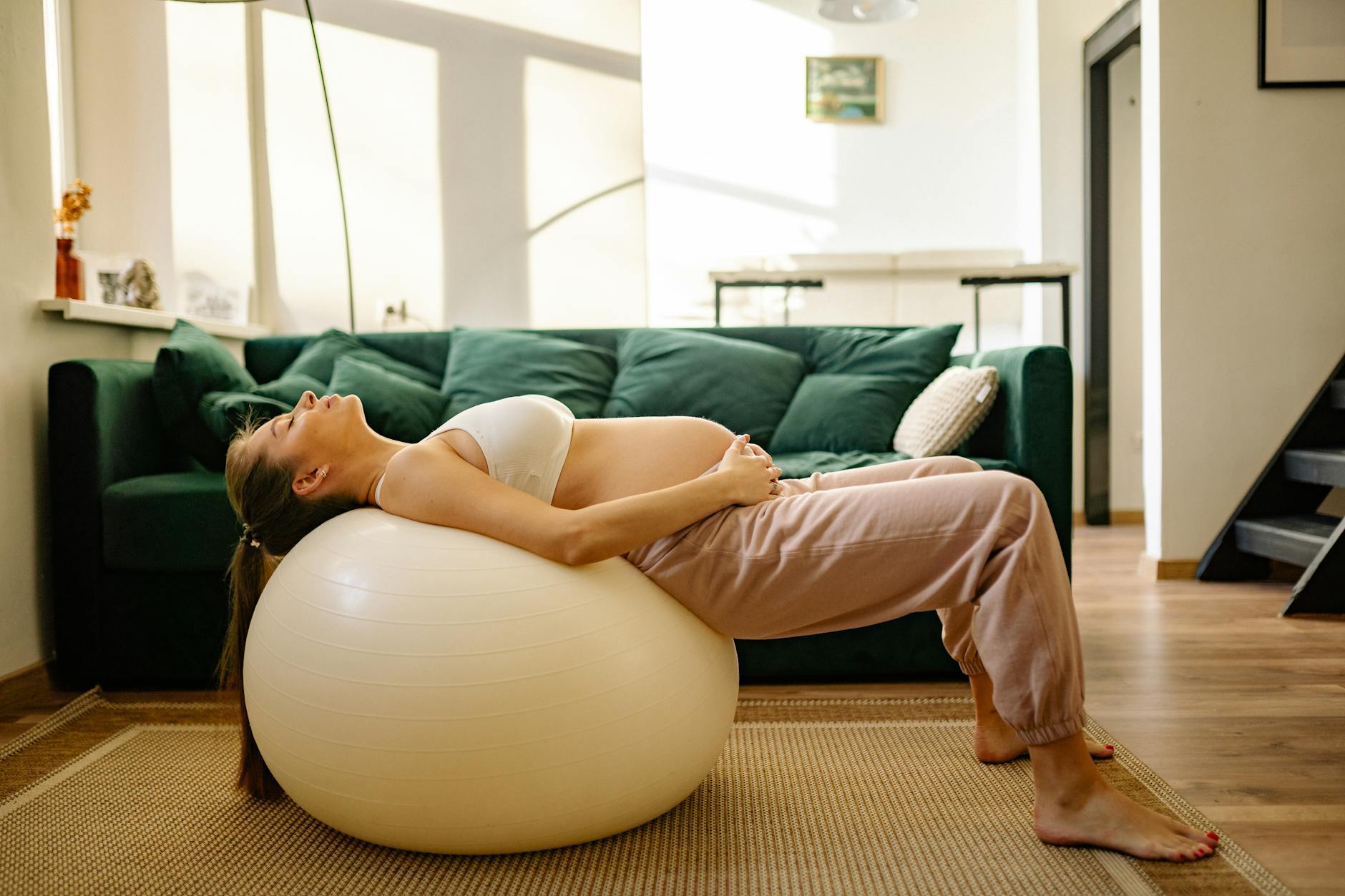
Photo by Yan Krukau on Pexels
Initially, pelvic floor exercises, such as Kegels, can be beneficial. These exercises help strengthen the pelvic muscles, which can become weakened during pregnancy and childbirth. Walking is another excellent way to ease back into physical activity. It allows new mothers to gradually rebuild strength and stamina while also providing an opportunity to bond with their babies.
Additionally, incorporating activities that promote flexibility and strength, such as yoga or Pilates, can be advantageous. These practices not only support physical recovery but also provide mental health benefits through relaxation and mindfulness techniques. Research indicates that women who engage in regular physical activity during the postpartum phase report higher levels of self-esteem and lower levels of anxiety and depression.
Exercise Benefits: Enhancing Mood and Physical Strength
Engaging in physical activity postpartum offers numerous benefits. Research indicates that exercise can help alleviate symptoms of postpartum depression and anxiety. According to the NHS, regular physical activity releases endorphins, which can enhance mood and emotional well-being.
Moreover, exercise can aid weight management and improve overall fitness levels. Many women find it helpful to join postpartum exercise classes or groups. These settings offer social support and motivation, which can be instrumental in maintaining a consistent exercise routine. It is essential to find activities that feel enjoyable and manageable, as this makes it more likely to stick with them long term.
Setting realistic fitness goals can also help maintain motivation. For instance, aiming for short daily walks or participating in a weekly yoga class can provide structure and accountability. Gradually increasing the intensity and duration of workouts can lead to sustainable progress. It’s crucial for new mothers to listen to their bodies and adjust their routines accordingly, allowing for rest when needed.
Incorporating Movement into Daily Life
Incorporating movement into daily routines can be an effective way to stay active without the pressure of formal exercise sessions. Simple changes, such as taking the stairs instead of the elevator or going for family walks, can add up. Stretching and gentle yoga can also provide physical benefits while promoting relaxation.
Another practical approach is to engage in activities that promote bonding with the baby, such as carrying the baby in a carrier while doing light housework or taking them for walks in a stroller. This not only allows for physical activity but also nurtures the parent-child relationship. Establishing a routine that includes physical activity can set a positive example for children as they grow, fostering a culture of health and fitness within the family.
Mental Health: Identifying Postpartum Depression (PPD) Signs
The physical demands of pregnancy and the postpartum period can take a toll on mental health. Many women experience mood swings, anxiety, or feelings of inadequacy during this time. It’s vital to prioritize emotional wellness through self-care practices and support systems. Recognizing the signs of postpartum depression (PPD) is crucial, as it affects approximately 1 in 7 women after childbirth.

Photo by Matilda Wormwood on Pexels
Seeking help and support is essential if a woman experiences prolonged feelings of sadness, hopelessness, or anxiety. Speaking with a healthcare provider can provide access to resources and treatment options, including therapy or medication. Additionally, support groups can offer a sense of community and understanding among mothers facing similar challenges.
Self-Care Strategies
Implementing self-care strategies can significantly enhance emotional well-being during the postpartum period. Creating a daily routine that includes time for oneself can help reduce stress and promote relaxation. This may involve engaging in activities that bring joy, such as reading, crafting, or enjoying a warm bath.
Mindfulness practices, including meditation and deep breathing exercises, can help manage stress and improve emotional regulation. According to the Mayo Clinic, these practices can enhance self-awareness and promote a sense of calm, which are particularly beneficial during times of transition.
Moreover, journaling can be an effective self-care tool. Writing down thoughts and feelings can provide an outlet for emotions and help mothers process their experiences. Setting aside a few minutes each day to reflect on positive moments or express concerns can promote mental clarity and emotional resilience.
Building a Support System
A strong support system is invaluable during the pregnancy and postpartum journey. Family, friends, and healthcare providers can provide emotional and practical support, which is essential for recovery. Open communication with loved ones about needs and feelings can foster understanding and assistance.

Photo by Andrea Piacquadio on Pexels
Partner involvement is also crucial. Sharing responsibilities related to childcare and household tasks can alleviate stress and promote balance. Establishing a routine that allows both partners to participate actively can strengthen the relationship and enhance the family dynamic.
Resources for Support
Many organizations offer resources for new mothers seeking support. These may include local parenting groups, online forums, and educational workshops. Connecting with other mothers can provide a sense of community and shared experience, which can be comforting during challenging times.
Additionally, healthcare providers can be a resource for recommendations on counseling services or mental health professionals specializing in postpartum care. Utilizing these resources can help women navigate the complexities of motherhood and promote overall wellness.
Rest Strategies: Sleep Hygiene for New Mothers
Getting adequate sleep and rest is essential for recovery during the postpartum period. However, many new mothers find it challenging to establish a regular sleep schedule due to the demands of caring for a newborn. Sleep deprivation can exacerbate feelings of fatigue, anxiety, and depression, making it crucial to find strategies to improve sleep quality.
Establishing a calming bedtime routine can signal to the body that it is time to rest. This may involve dimming the lights, engaging in relaxing activities, and minimizing screen time before sleep. Creating a comfortable sleep environment is also important; this includes ensuring the room is dark, quiet, and at a comfortable temperature.
Sleep Strategies for New Mothers
One effective strategy for new mothers is to nap when the baby sleeps. This can help mitigate sleep deprivation and support recovery. Additionally, sharing nighttime responsibilities with a partner can allow for more uninterrupted sleep. If possible, consider establishing a schedule that allows each parent to have designated sleep shifts.
It’s also beneficial to prioritize self-care during the day. Engaging in activities that promote relaxation can help reduce stress and improve overall sleep quality. If sleep problems persist, consulting a healthcare provider is advisable to rule out underlying issues and explore potential solutions. Sleep hygiene practices, such as avoiding caffeine in the afternoon and limiting fluid intake before bed, can also support better sleep.
Long-term Health Considerations
Pregnancy and postpartum wellness should not be viewed as a short-term focus. The habits established during these periods can impact long-term health. It’s essential to continue prioritizing nutrition, exercise, and mental health even after the initial postpartum phase. Engaging in regular check-ups with healthcare providers can help monitor health and identify any ongoing concerns.
Women should also be encouraged to maintain a healthy weight and engage in preventive health practices. This includes regular screenings and vaccinations. Understanding the importance of long-term wellness can empower women to take charge of their health and make informed decisions that benefit both themselves and their families.
Continuing a Healthy Lifestyle
Adopting a balanced lifestyle that includes healthy eating, regular exercise, and mental health awareness can promote overall well-being throughout motherhood. This framework can adapt as children grow and family needs change. Establishing healthful habits can also serve as a model for children, fostering a culture of wellness in the family.
Ultimately, investing in self-care and wellness during pregnancy and postpartum lays the foundation for a healthier future. By prioritizing their needs, women can enhance their well-being and create a nurturing environment for their children.
Frequently Asked Questions
Q: What are the best foods to eat during pregnancy?
A: The best foods during pregnancy include a variety of nutrient-dense options. Focus on fruits, vegetables, whole grains, lean proteins, and healthy fats. Foods rich in folic acid, iron, calcium, and omega-3 fatty acids are particularly important. Incorporating a colorful array of produce ensures a range of vitamins and minerals that support both maternal and fetal health. For example, consider leafy greens like spinach and kale, which are high in iron, or fatty fish like salmon, which provide essential omega-3s. Consulting with a healthcare provider or a registered dietitian can help tailor a diet that meets individual needs, ensuring both mother and baby receive optimal nourishment.
Q: How can I manage postpartum depression?
A: Managing postpartum depression involves seeking support and implementing self-care strategies. It is vital to talk about feelings with trusted individuals and consider professional help. Therapy, medication, and support groups can provide valuable resources for coping. Engaging in physical activity, maintaining a healthy diet, and practicing mindfulness can also improve emotional well-being. Furthermore, prioritizing sleep and rest is essential, as sleep deprivation can exacerbate symptoms. Remember, it’s essential to prioritize mental health and reach out for help when needed. Local resources, such as community health organizations or online support groups, can also offer assistance and understanding from others who have experienced similar challenges.
Q: When can I resume exercising after childbirth?
A: Resuming exercise after childbirth typically depends on individual circumstances. Most healthcare providers recommend waiting until the six-week postpartum check-up to start moderate activities. However, gentle exercises like walking and pelvic floor exercises may begin sooner, depending on recovery. It’s crucial to listen to your body and consult with your healthcare provider before initiating any exercise regimen to ensure safety and appropriateness based on personal health conditions. Engaging in light stretching and gradually increasing activity levels can help women ease back into a fitness routine while promoting healing. Additionally, joining postpartum exercise classes can provide guidance and social support.
Q: How can I get better sleep as a new mother?
A: Improving sleep as a new mother involves establishing a calming bedtime routine and creating a comfortable sleep environment. Napping when the baby sleeps can help manage sleep deprivation. Sharing nighttime responsibilities with a partner and prioritizing self-care during the day can also enhance sleep quality. If sleep problems persist, consulting a healthcare provider may help identify underlying issues and potential solutions. Implementing sleep hygiene practices, such as avoiding caffeine in the afternoon, creating a dark and quiet sleep space, and limiting screen time before bed, can further support better sleep. Additionally, consider using white noise machines or blackout curtains to enhance the sleep environment.
Q: What can I do to support my emotional well-being during postpartum recovery?
A: Supporting emotional well-being during postpartum recovery involves prioritizing self-care and building a supportive network. Engage in activities that bring joy, such as hobbies or relaxation techniques. Connecting with other mothers for shared experiences can provide comfort. If feelings of anxiety or sadness become overwhelming, seeking help from a healthcare provider or mental health professional is crucial for addressing these issues effectively. Additionally, setting aside time for personal interests and maintaining open communication with partners and family members can foster a supportive environment. Journaling, practicing mindfulness, and engaging in physical activities can also enhance emotional resilience and well-being during this period.
Conclusion
Pregnancy and postpartum wellness is a multifaceted journey that requires attention to nutrition, physical activity, mental health, and self-care practices. By understanding the importance of these elements, women can navigate this transformative period with greater ease and confidence. Prioritizing a balanced diet, engaging in regular exercise, and fostering emotional well-being can significantly enhance recovery and long-term health outcomes.
As you embark on this journey, remember that seeking support and investing in self-care are not signs of weakness but essential components of motherhood. Embrace the changes, be patient with yourself, and recognize that your health and wellness are integral to your family’s well-being. By focusing on pregnancy postpartum wellness, you are laying a strong foundation for both your health and the future of your family.
Ultimately, the postpartum experience is unique for every woman. By equipping yourself with knowledge and resources, you can create a personalized plan that supports your individual needs and circumstances. Whether through nutrition, exercise, mental health care, or community support, every step taken towards better health is a step towards a happier, healthier family. Cherish the journey, celebrate small victories, and remember that you are not alone; support is available as you navigate motherhood.
Other of articles:
Breast Health Screening and Self-Exam
Perimenopause and Menopause Symptoms
Hormonal Birth Control Methods
Menstrual Cycle Health Nutrition
The information provided is for reference only. Please consult a professional physician if you experience any discomfort.