Iron deficiency anaemia is a common health issue that often goes unnoticed until it leads to significant symptoms. It occurs when your body doesn’t have enough iron to produce adequate hemoglobin, the protein in red blood cells that transports oxygen. Iron is crucial for various bodily functions, from energy production to immune response. A lack of this essential nutrient can lead to fatigue, weakness, and impaired cognitive function. Identifying the signs and symptoms of inadequate iron intake is vital for your overall well-being and quality of life. Understanding the dietary strategies to prevent and manage this condition can empower you to take charge of your health.

Iron Deficiency Anaemia Signs: Key Symptoms to Watch (2026)
Photo by Chermiti Mohamed on Pexels
Medical Definition: Understanding Symptoms of Iron Deficiency Anaemia
Iron deficiency anaemia occurs when the body’s iron stores are depleted, leading to a reduction in the production of hemoglobin. Hemoglobin, found in red blood cells, is responsible for carrying oxygen throughout the body. When levels drop low enough, the result may be anaemia, characterized by symptoms like fatigue and weakness. Various factors contribute to the development of this nutritional deficiency, including dietary intake, absorption issues, and increased physiological demands. According to Harvard’s Nutrition Source, approximately 1 in 4 people globally may experience some degree of iron deficiency, making understanding this condition essential.
Iron is categorized into two forms: heme iron and non-heme iron. Heme iron, found in animal products such as red meat, poultry, and fish, is more easily absorbed by the body. Non-heme iron, present in plant-based sources like beans, lentils, and fortified cereals, requires a conducive dietary environment for optimal absorption. For example, vitamin C enhances the absorption of non-heme iron when consumed together. According to the National Institutes of Health, women of reproductive age, pregnant women, and growing children are particularly at risk for developing iron deficiency anaemia due to heightened iron requirements during these life stages. A balanced awareness of these varying levels of risk can lead to preventative measures tailored towards specific demographics.
Pathology: Identifying the Core Causes of Iron Deficiency
The development of iron deficiency can stem from various causes. One of the most prevalent sources is inadequate dietary intake. Many individuals, especially those following strict vegetarian or vegan diets, may not consume sufficient iron-rich foods. A study published by the World Health Organization highlights that dietary patterns devoid of sufficient iron sources can lead to significant health impairments.
Another contributing factor is increased iron requirements during specific life stages. Pregnant women, for example, need nearly double the iron intake to support fetal development and increase maternal blood volume. Menstruating women also face heightened needs due to blood loss during their menstrual cycles, with research suggesting that additional iron intake during these periods can help maintain overall health and vitality.
Moreover, gastrointestinal issues affecting iron absorption can play a significant role. Conditions such as celiac disease, Crohn’s disease, or gastric bypass surgery may hinder the body’s ability to process iron effectively. Chronic blood loss from conditions like ulcers or heavy menstruation can also lead to significant iron depletion. Identifying potential underlying causes, like gastrointestinal bleeding or malabsorption syndromes, is essential for effective treatment plans.
Clinical Signs: Recognizing Major Symptoms of Iron Deficiency Anaemia
Identifying the signs and symptoms of inadequate iron intake can facilitate early intervention and treatment. Fatigue is often one of the first noticeable symptoms experienced by individuals with this dietary insufficiency. The sensation of fatigue is not merely feeling tired; it’s an overwhelming lack of energy that can persist despite adequate rest. It may impair daily activities ranging from work productivity to social engagements, diminishing overall quality of life.
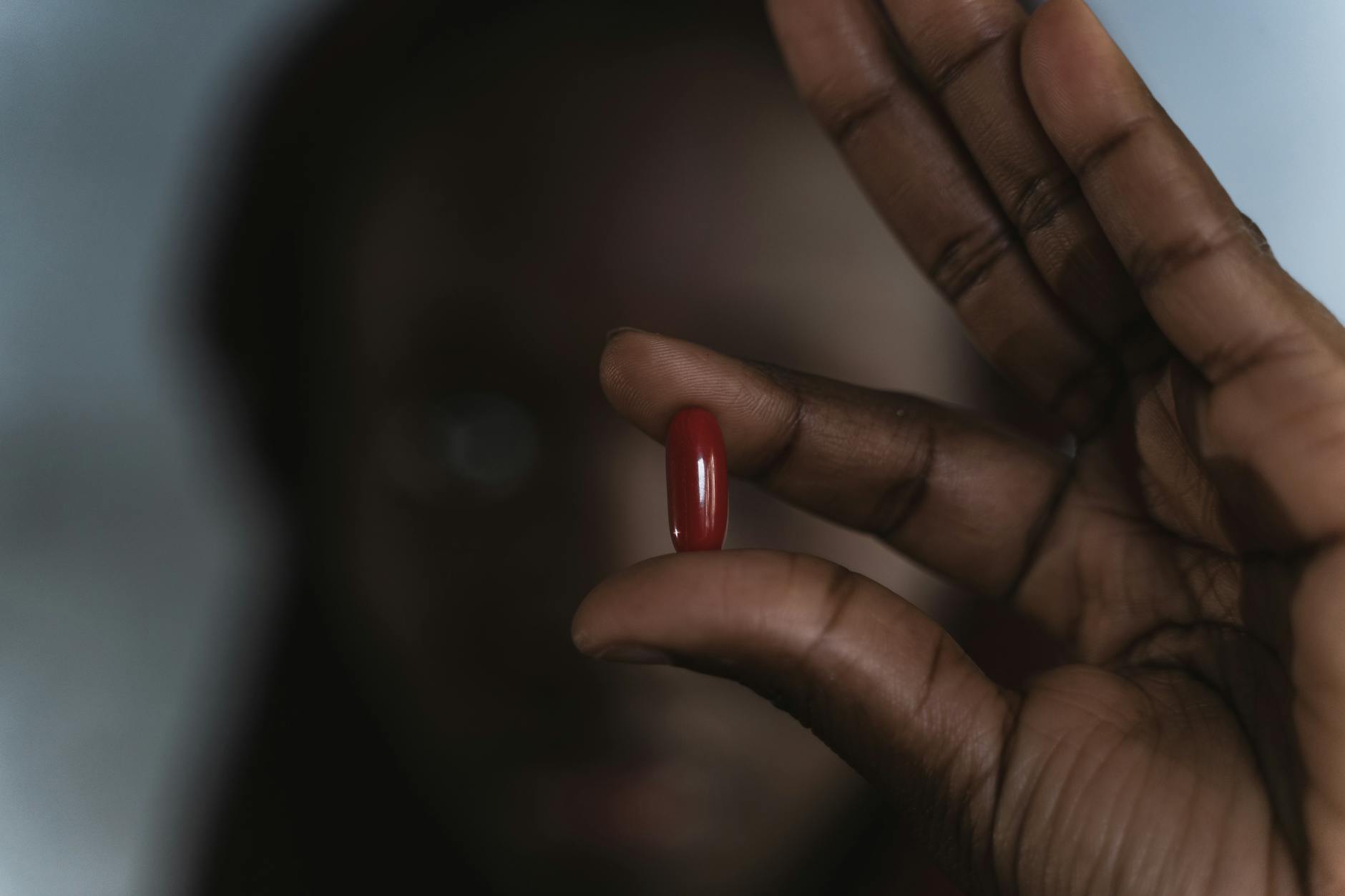
Photo by Tima Miroshnichenko on Pexels
Pale skin is another common indication of iron deficiency. When there is insufficient hemoglobin in the blood, the skin and mucous membranes may lose their healthy color, leading to a pallid appearance. This may be observed in the lower eyelids or even on the nails, which can also appear paler than usual. Additionally, other symptoms, such as shortness of breath during physical activity, could occur as your body struggles to get enough oxygen. As the body works harder to supply oxygen, individuals might notice an increased heart rate as well.
Advanced Warning: Identifying Other Symptoms of Iron Deficiency Anaemia
Aside from fatigue and pale skin, there are additional signs that may indicate iron deficiency anaemia. Cold hands and feet happen due to poor blood circulation, a result of the body diverting blood to essential organs in an effort to compensate for low oxygen levels. Individuals may also experience brittle nails, which can break easily and have a rough texture. The connection between iron deficiency and nail strength is well-documented, with untreated deficiency leading to conditions like koilonychia, or spoon-shaped nails, where the nails appear concave.
Another potential symptom is unusual cravings for non-nutritive substances, a condition known as pica, where individuals crave items like ice, clay, or starch. Though not entirely understood, this phenomenon is thought to arise from the body’s drive to obtain minerals or nutrients it is lacking. Moreover, individuals may notice cognitive symptoms such as difficulties with concentration or memory. This can be particularly concerning, especially for children and young adults engaged in academic environments where focus and cognitive function are pivotal in achieving their goals. The cognitive impact of iron deficiency, particularly in children, has been the subject of various studies, indicating long-term educational implications if not adequately addressed.
Systemic Effects: Chronic Fatigue and Cognitive Impairment Mechanics
The impact of inadequate iron levels extends beyond mere fatigue or discomfort. Chronic iron deficiency can lead to long-term health complications if left untreated. For instance, cardiovascular issues may arise due to the heart working harder to circulate oxygen throughout the body. Over time, this additional strain can lead to an enlarged heart or even heart failure. The heart compensates for low oxygen levels by pumping more blood, which can significantly tire the cardiovascular system and lead to long-term health problems.

Photo by 정규송 Nui MALAMA on Pexels
Moreover, the immune system may suffer, increasing susceptibility to infections and illnesses. According to research, iron is essential for the proliferation and maturation of immune cells. Its deficiency may disrupt immune responses, contributing to prolonged recovery periods from illnesses. Consequently, individuals may experience more frequent colds or infections when iron levels are low, affecting overall immunity.
High-Risk Groups: Iron Deficiency in Pregnant Women and Infants
For children, insufficient iron intake can have critical implications for growth and development. Evidence from numerous studies has shown that iron deficiency anaemia in children is associated with impaired cognitive function and can affect academic performance. Iron is vital for brain development, and its absence may lead to developmental delays and difficulties in learning. A meta-analysis conducted on this topic revealed a correlation between low iron levels and diminished learning capabilities, reinforcing the importance of adequate nutrition during developmental phases.
In pregnant women, iron deficiency poses risks not only for the mother but also for the developing fetus. Insufficient iron supports higher risks for preterm delivery and low birth weight. The implications do not end at birth; children born to iron-deficient mothers may experience long-term developmental delays. According to the Harvard School of Public Health, maternal iron deficiency can result in harmful effects that extend into childhood, affecting overall growth patterns and cognitive function.
Clinical Testing: Complete Blood Count and Ferritin Level Diagnosis
Diagnosing this nutritional deficiency typically involves a combination of medical history, physical examination, and laboratory tests. Healthcare professionals often start by asking about symptoms, dietary habits, and relevant family history. A simple blood test can confirm the deficiency by measuring hemoglobin and ferritin levels, which indicate iron stores in the body. Research indicates that early detection through routine screenings can significantly reduce complications associated with deficiency.

Photo by Ketut Subiyanto on Pexels
Ferritin levels below normal typically suggest a deficiency. It’s essential for healthcare providers to conduct comprehensive tests, including complete blood count (CBC), to fully understand the individual’s health condition. Additional tests such as the reticulocyte hemoglobin content or serum transferrin can provide even further insights into iron metabolism. Early diagnosis is crucial, as it allows for prompt treatment and minimizes potential complications associated with long-term iron deficiency. Regular screenings can be especially imperative among at-risk populations like pregnant women and children.
Diagnostic Criteria: Reading Blood Tests for Iron Deficiency
When testing for iron deficiency anaemia, several key components will be evaluated. Hemoglobin levels below normal suggest probable anaemia, while low mean corpuscular volume (MCV) can indicate microcytic anaemia, commonly due to iron deficiency. Serum ferritin levels provide insight into iron reserves, and low levels often confirm the deficiency. A hematologist or a general practitioner may recommend follow-up tests to identify the underlying cause of the deficiency, such as gastrointestinal bleeding or malabsorption syndromes.
Healthcare providers may also consider additional tests to rule out underlying causes of anaemia. This can involve evaluating additional nutrient levels, checking for gastrointestinal bleeding, and assessing overall health. Understanding these diagnostic criteria can empower individuals to seek appropriate help when necessary. Engaging in discussions about symptoms with healthcare providers can lead to tailored testing and even proactive nutritional counseling.
Nutritional Guidance: Best Dietary Sources of Iron for Recovery
Incorporating iron-rich foods into your diet is a fundamental strategy for preventing and managing iron deficiency anaemia. Heme iron sources, such as lean meats, poultry, and seafood, are highly absorbable and should be staples within a balanced diet. A serving of lean beef, for example, can provide a significant portion of an individual’s daily iron requirement, often approximately 2.1 mg of iron per 100 grams. Other excellent sources include chicken, turkey, and fish like salmon and tuna, which also provide an array of other beneficial nutrients.
Non-heme iron sources, while less readily absorbed, are still essential components of the diet. Foods like beans, lentils, tofu, and fortified cereals provide a plant-based option for those following vegetarian or vegan diets. The absorption of non-heme iron can be dramatically improved by including vitamin C-rich sources such as bell peppers, oranges, and strawberries in the same meal as non-heme iron foods. Pairing these foods with vitamin C-rich options can significantly improve absorption rates, sometimes up to 300%. According to the USDA National Nutrient Database, this pairing strategy is effective in counteracting the inhibitory effects of certain dietary factors.
Supplementation: Managing Lifestyle Modifications for Better Iron Absorption
Supplements can be beneficial for individuals struggling to meet their iron needs through dietary sources alone. Ferrous sulfate is the common form prescribed for iron deficiency anaemia, with dosages tailored to an individual’s needs. It’s essential to consult with a healthcare provider before beginning supplementation to ascertain appropriate dosages and assess potential interactions with other medications. Research indicates that absorption of iron supplements can be maximized when taken on an empty stomach, though some individuals may need to take them with food to minimize gastrointestinal side effects.
Caution should be exercised, as excessive iron intake can lead to toxicity. Symptoms of iron overload may include gastrointestinal distress, organ damage, and increased risk of chronic diseases. Therefore, monitoring iron status through follow-up blood tests is advisable when using supplements, enabling adjustments to be made based on individual absorption and tolerance levels. Additionally, consider incorporating bioavailable iron sources through diet if supplementation isn’t feasible, allowing for a balanced approach to iron intake.
Lifestyle Modifications for Better Iron Absorption
In addition to dietary changes, certain lifestyle modifications can enhance the body’s ability to absorb iron effectively. Pairing non-heme iron sources with vitamin C, as mentioned earlier, can create a synergistic effect that significantly boosts absorption. Creative culinary combinations can be both enjoyable and beneficial. For instance, consider enjoying a spinach salad with orange slices or combining chickpeas in a curry made with tomatoes and peppers.
Furthermore, avoiding substances that inhibit iron absorption can be beneficial. Phytates, often found in whole grains and legumes, can hinder the uptake of iron when consumed in high quantities. Choosing to soak, sprout, or ferment these foods can enhance their nutritional profile and reduce phytate levels. Similarly, excessive calcium intake can also interfere with iron absorption; spacing out meals containing high levels of calcium from iron-rich sources can be an effective strategy.
Maintaining a Balanced Diet
Ensuring a balanced diet that includes a variety of nutrient-dense foods is paramount for overall health. Other critical nutrients, such as vitamin B12 and folate, also play a role in red blood cell production and can significantly impact health outcomes when in deficiency. A well-rounded diet combining a variety of fruits, vegetables, whole grains, lean proteins, and healthy fats ensures that the body receives a comprehensive array of nutrients necessary for optimal function. Food variety can also make meals enjoyable and satisfying, promoting long-term health habits.
Incorporating foods rich in other beneficial nutrients can complement iron intake. For example, vitamin A-rich foods, such as carrots and sweet potatoes, support iron metabolism, while omega-3 fatty acids from fish can improve overall health. Including a rainbow of foods on your plate is a vital strategy that not only aids in iron absorption but also supports diverse nutritional needs.
Frequently Asked Questions
Q: What causes iron deficiency anaemia?
A: Iron deficiency anaemia can occur due to various reasons, including inadequate dietary intake of iron, increased physiological needs such as pregnancy or menstruation, and absorption issues from conditions like celiac disease or gastrointestinal surgeries. Chronic blood loss, whether from heavy menstruation, ulcers, or other medical conditions, can also significantly contribute to the development of this condition. Furthermore, lifestyle factors like certain eating habits and dietary restrictions may exacerbate the issue, especially in populations that rely heavily on non-heme iron sources for their nutritional intake.
Q: Can iron deficiency anaemia be cured?
A: Yes, iron deficiency anaemia can be effectively treated and often cured through dietary modifications and supplementation. Increasing the intake of iron-rich foods, both heme and non-heme sources, along with appropriate supplementation under medical supervision, can restore healthy iron levels. Regular monitoring through blood tests can help to track progress and ensure that individuals maintain adequate iron levels post-treatment. It is crucial to understand that while dietary changes can significantly ameliorate the condition, patients should follow specific advice from healthcare professionals to ensure safe and effective recovery.
Q: Are there any risks associated with taking iron supplements?
A: While iron supplements are beneficial for treating deficiency, they can carry risks if consumed indiscriminately. Excessive iron intake can lead to toxicity, which may result in gastrointestinal distress, organ damage, and increased risk of chronic diseases like liver cancer. Symptoms of iron overload can vary from abdominal pain to more severe health complications. Consulting a healthcare provider is crucial for personalized guidance on supplementation, as they can prescribe appropriate dosages based on an individual’s needs, medical history, and ongoing treatment plans. Engaging in a candid discussion about symptoms, dietary habits, and personal concerns with healthcare providers can lead to better health decisions throughout treatment.
Q: What are some non-dietary factors that affect iron absorption?
A: Non-dietary factors influencing iron absorption include certain medical conditions that compromise the gut’s ability to process nutrients, such as inflammatory bowel diseases. Medications and lifestyle habits can also play a role; for instance, excessive caffeine or calcium can inhibit iron absorption if consumed simultaneously with iron-rich food. Smoking and high levels of stress can interfere with the body’s function and overall nutrient assimilation. Furthermore, infections and chronic inflammation can suppress the functionality of proteins responsible for iron transport. Awareness of these non-dietary factors assists individuals in adopting proactive measures to enhance iron utilization and overall health.
Q: Is iron deficiency more common in certain populations?
A: Yes, some populations are more susceptible to iron deficiency anaemia than others. Women of reproductive age, particularly those who experience heavy menstrual cycles or are pregnant, face higher risks. Children, especially infants who are breastfeeding and not receiving sufficient complementary iron-rich foods, also require special attention due to their rapid growth and increasing iron demands. Vegetarians and vegans who may not consume enough iron-rich foods are at risk as well. Educational outreach regarding nutrition and awareness about dietary needs in these populations is crucial for prevention, personalized nutrition education initiatives can help at-risk groups make informed choices regarding iron intake.
Conclusion
Iron deficiency anaemia remains a significant public health concern, especially among vulnerable populations. Recognizing the signs and understanding the dietary strategies to combat this issue can lead to better health outcomes. A nutrient-rich diet that includes a variety of iron sources, along with lifestyle modifications to improve absorption, can make a profound difference in maintaining iron levels. Additionally, exploring the root causes of deficiency and engaging with healthcare providers during diagnostic evaluations can facilitate prompt treatment options.
Furthermore, education regarding the types of iron, dietary practices, and supplements can empower individuals to make informed choices about their diets. Proactive measures such as routine screenings and nutritional counseling are essential for those at risk. Ultimately, by prioritizing your nutritional intake and making informed choices, you can take significant steps towards enhancing your overall health and well-being. Regularly revisiting dietary habits, being mindful of body signals, and seeking guidance from professionals can contribute tremendously to long-term health sustainability.
Other of articles:
Intermittent Fasting Weight Loss Protocol
GLP-1 Agonists for Weight Loss
The information provided is for reference only. Please consult a professional physician if you experience any discomfort.