In recent years, cold plunges and ice baths have surged in popularity, often touted as miracle cures for a variety of ailments. Athletes, celebrities, and wellness enthusiasts alike have embraced this method, claiming it offers substantial health benefits. But do the cold plunge health benefits truly live up to the hype? This article aims to explore the science behind cold water immersion, its potential advantages for physical and mental health, and what the latest research reveals. By understanding the impact of cold exposure on the body, we can make informed decisions about whether to incorporate this practice into our routines.
 Cold Plunge Health Benefits: Science-Backed Recovery Guide
Physiological Mechanism: The Science Behind Cold Water Immersion
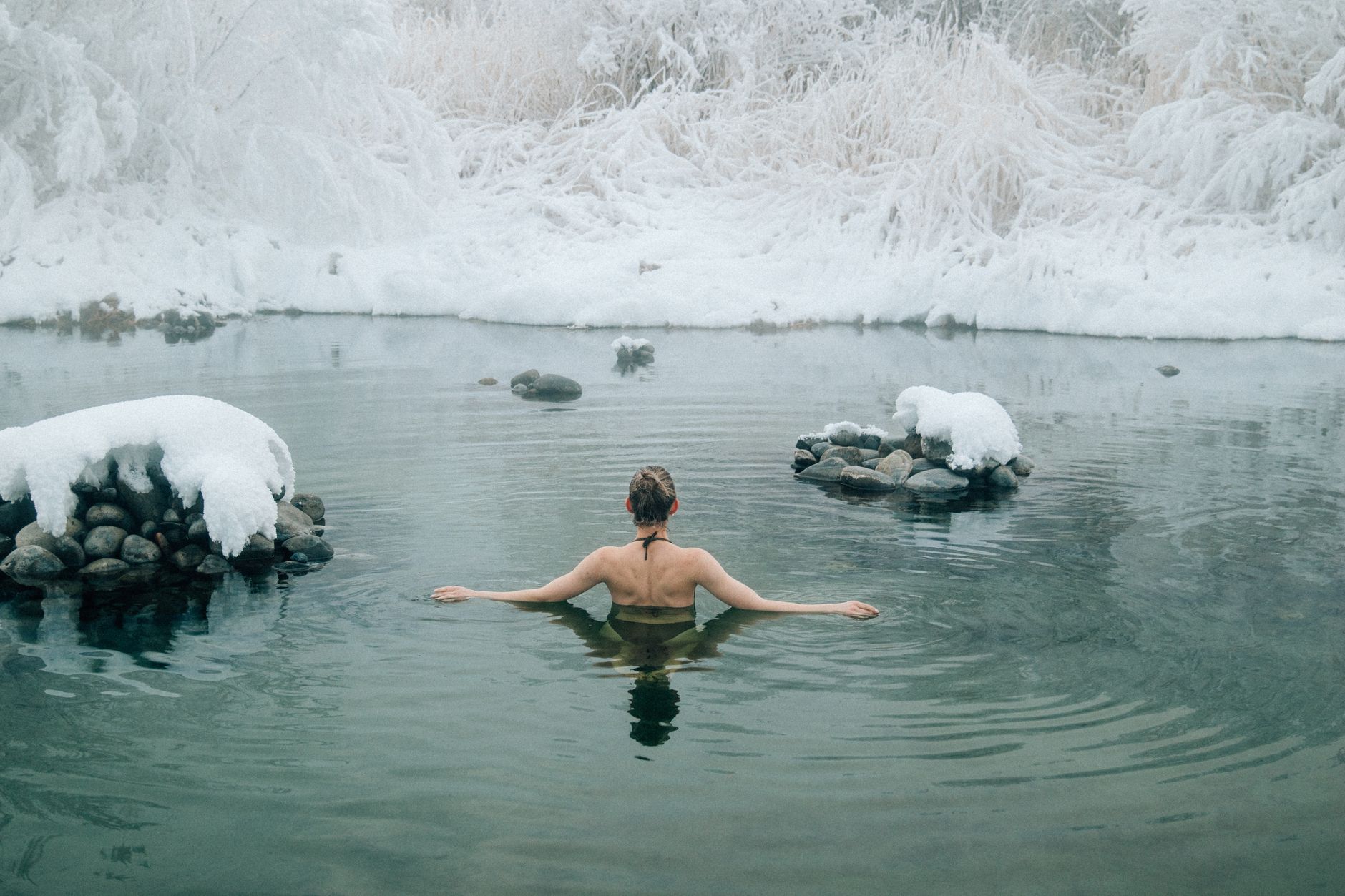
Cold water immersion involves submerging the body in cold water, typically at temperatures ranging from 50°F to 59°F (10°C to 15°C). This practice has been used for centuries, rooted in ancient traditions like Finnish saunas and Japanese ice baths. The primary physiological response to cold exposure is vasoconstriction, where blood vessels constrict to preserve body heat. This process can lead to several immediate and long-term effects on the body.
When the body experiences cold temperatures, it activates the sympathetic nervous system. This response can elevate heart rate and release stress hormones like norepinephrine, which may enhance mood and focus. Additionally, studies have shown that regular exposure to cold can increase the production of brown adipose tissue, which helps to burn calories and regulate metabolism. Research conducted by the Healthline indicates that this process may aid in weight management and improve overall metabolic health.
Moreover, cold immersion has been linked to improvements in immune function. A study published in the journal *PLOS One* found that participants who practiced cold exposure reported fewer sick days and experienced fewer upper respiratory infections compared to those who did not. This enhancement of the immune system may be attributed to the increased production of white blood cells during exposure to cold temperatures.
Furthermore, the physiological effects of cold immersion extend beyond immediate responses. Regular cold exposure has been shown to enhance resilience to stress and improve mental fortitude. A study published in *Frontiers in Psychology* highlighted that individuals who engage in cold exposure training report increased tolerance to discomfort. This resilience can transfer to other life challenges, making cold plunges not only a physical practice but a mental one as well.
Systemic Changes: Deep Diving into Physiological Responses to Cold
The body undergoes several physiological changes when exposed to cold water. Initially, cold exposure leads to a drop in skin temperature, triggering the body’s thermoregulatory mechanisms. As the skin cools, the hypothalamus signals the body to initiate heat-generating processes. This can include shivering, which increases metabolic rate, and non-shivering thermogenesis, where brown fat generates heat without muscle contractions.
Furthermore, cold exposure can enhance circulation. When the body is submerged in cold water, blood flow is redirected from the extremities to vital organs. Upon exiting the cold, the body warms up, leading to a rush of blood back to the extremities. This cycle can promote better blood circulation, which is crucial for nutrient delivery and waste removal. Enhanced circulation can also aid in muscle recovery, making cold plunges particularly appealing to athletes.
Additionally, the effects of cold immersion can extend to the endocrine system. Cold exposure stimulates the release of various hormones, including adrenaline and cortisol, which can improve alertness and cognitive function. Research suggests that these hormonal changes can lead to improved focus and productivity, making cold plunges a potential tool for enhancing mental performance in addition to physical recovery.
Psychological Resilience: Exploring Cold Exposure and Mental Health
Beyond the physiological benefits, cold plunges can have a significant impact on mental health. The practice can promote heightened awareness and improved mood, often attributed to the release of endorphins and other neurotransmitters. According to a study published in *Medical Hypotheses*, cold exposure may also help alleviate symptoms of anxiety and depression. The invigorating effect associated with cold baths can lead to a sense of euphoria and increased resilience against stress.
Another interesting aspect is the connection between cold exposure and mindfulness. Many individuals report that the intense sensation of cold forces them to focus on the present moment, fostering a meditative state. This aspect of cold immersion aligns with practices like mindfulness and yoga, where being present can enhance overall well-being. Furthermore, the practice of cold exposure can serve as a powerful tool for developing mental toughness, as it requires individuals to confront discomfort and push through their limits.
Moreover, research has shown that cold exposure can influence neurotransmitter systems in the brain, particularly dopamine, which plays a key role in mood regulation. Increased dopamine levels can lead to improved motivation and overall mental clarity. By incorporating cold plunges into a regular routine, individuals may find themselves better equipped to handle daily stresses and maintain a more positive outlook on life.
Athletic Edge: Cold Water Immersion for Muscle Recovery and Performance
A significant area of interest surrounding cold water immersion is its impact on recovery and athletic performance. Many athletes have turned to ice baths after intense workouts to reduce muscle soreness and expedite recovery. The theory is that the cold water minimizes inflammation and reduces muscle damage, thereby speeding up recovery time.

Photo by HUUM │sauna heaters on Pexels
Research supports the notion that cold plunges can reduce delayed onset muscle soreness (DOMS). A study in the *Journal of Sports Science and Medicine* found that athletes who utilized cold water immersion after training reported less muscle soreness compared to those who did not. This reduction in soreness can lead to quicker recovery times, allowing athletes to train harder and more frequently. Moreover, the psychological benefits of cold immersion, such as increased motivation and improved focus, can enhance overall performance in subsequent training sessions.
Physical Gains: How to Reduce Inflammation with Cold Therapy
Cold water immersion is often praised for its ability to reduce inflammation. Inflammation is a natural response to injury or stress, but excessive inflammation can hinder recovery and lead to chronic pain conditions. Cold therapy can help mitigate this by constricting blood vessels and reducing blood flow to inflamed areas. This can be particularly beneficial in sports medicine, where injuries like sprains and strains are common.
The anti-inflammatory effects of cold immersion can also have implications beyond athletic recovery. Chronic inflammation is linked to various health issues, including cardiovascular diseases and autoimmune disorders. Some studies suggest that regular cold exposure might help modulate inflammatory responses, potentially lowering the risk of these conditions. In fact, a review published in the *Journal of Inflammation Research* indicates that cold exposure can influence inflammatory markers in the body, supporting its use as a therapeutic modality.
In practical terms, athletes often combine cold water immersion with other recovery strategies, such as active recovery and proper nutrition, to optimize their performance. For instance, post-training cold baths can be complemented with protein-rich meals or supplements to facilitate muscle repair and growth.
Impact on Muscle Function
Besides reducing soreness and inflammation, cold immersion may also influence muscle function. A study published in the *European Journal of Applied Physiology* highlighted that cold exposure could improve muscle performance in specific scenarios. The cold may enhance the muscle’s ability to contract and recover, allowing for better performance during subsequent workouts.
However, while cold exposure can enhance recovery, it’s essential for athletes to use it strategically. Overuse of cold immersion may impede muscle adaptation, especially if used immediately after training sessions. Moderation is key, and understanding when to utilize cold exposure is crucial for maximizing its benefits. For example, some experts recommend reserving cold plunges for after particularly intense workouts or competitions, rather than regular training sessions, to allow muscles to adapt and strengthen.
Real-world examples abound of sports teams incorporating cold exposure into their recovery protocols. Professional athletes, such as those in the National Football League (NFL) and the National Basketball Association (NBA), often have dedicated recovery facilities that include ice baths, showcasing the importance of this method in elite sports.
Potential Risks and Considerations
Despite the numerous benefits associated with cold plunges, there are potential risks and considerations to keep in mind. Cold exposure can be uncomfortable, and improper practices may lead to adverse effects. Hypothermia is a significant concern, especially if individuals are submerged for extended periods. Therefore, it’s crucial to limit immersion times to avoid dangerously low body temperatures.

Photo by cottonbro studio on Pexels
Individuals with certain medical conditions should exercise caution. For example, those with cardiovascular issues or cold sensitivity may experience adverse effects from cold exposure. Consulting with a healthcare professional before starting a cold immersion regimen is advisable, especially for individuals with pre-existing health conditions.
Best Practices for Cold Water Immersion
If you’re considering incorporating cold plunges into your routine, here are some best practices to follow. Start gradually by using cooler water and progressively decreasing the temperature. Shorter immersion times, around 5 to 10 minutes, are advisable, especially for beginners. Always listen to your body—if you start to feel excessively cold or uncomfortable, it’s essential to exit the water.
Additionally, consider combining cold exposure with other recovery techniques, such as stretching and hydration. After a cold plunge, warming up gradually is important. Use warm clothing or a warm beverage to help the body return to its normal temperature without shock. This holistic approach can maximize the benefits of cold immersion while minimizing risks.
Furthermore, it can be helpful to track your experience with cold plunges. Keeping a journal to note how you feel before and after each session can help you identify patterns and determine what works best for you. You may also want to experiment with different temperatures and immersion times to discover your optimal regimen.
Alternatives to Cold Plunges
For those who are hesitant about cold plunges, several alternatives can provide similar benefits. Contrast baths, which alternate between hot and cold water, can stimulate circulation and reduce muscle soreness. Additionally, ice packs or cold compresses can be used on specific areas to reduce inflammation without full immersion.
Moreover, cryotherapy, a method that exposes the body to extremely cold air for a short duration, is gaining popularity. While it may not provide the same comprehensive benefits as full immersion, it can still aid in recovery and inflammation reduction. Many wellness centers now offer cryotherapy sessions, allowing individuals to experience the benefits of cold exposure without needing to immerse themselves in water.
Ultimately, exploring these alternatives can help individuals find the method that best suits their preferences and needs. Whether through cold plunges, contrast baths, or cryotherapy, the goal remains the same: to harness the power of cold exposure for improved health and recovery.
Cold Plunge Trends and Popularity
The resurgence of interest in cold water immersion can be attributed to social media and wellness influencers. Platforms like Instagram and TikTok showcase individuals enthusiastically sharing their cold plunge experiences, contributing to its popularity. This trend has led to an increase in the availability of home cold plunge tubs and ice bath products designed for consumer use.

Photo by Liliana Drew on Pexels
Moreover, wellness retreats and fitness programs often incorporate cold exposure as part of their offerings. Many people are drawn to the idea of cold plunges as a way to enhance overall health and wellness, contributing to a growing market for related products and services. The rise of this trend has been supported by various wellness experts emphasizing the importance of recovery techniques, further validating the use of cold immersion.
Celebrity Endorsements
Celebrity endorsements have also fueled the popularity of cold plunges. High-profile athletes and wellness advocates often credit their recovery and performance to cold exposure. This visibility has encouraged the general public to explore the potential benefits of cold immersion, further solidifying its place in mainstream wellness culture.
However, while celebrity endorsements can inspire many, it’s essential for individuals to make informed decisions based on scientific evidence. Understanding the underlying mechanics and evidence supporting cold water immersion can help individuals incorporate it into their routines responsibly. It is also worth noting that what works for one person may not work for another; individual experiences with cold exposure can vary widely.
Cold Plunge Communities
As the trend continues to grow, communities centered around cold plunges are emerging. These groups often gather for group cold exposure sessions, providing social support and motivation. Connecting with others who share similar interests can enhance the experience and encourage individuals to explore the benefits of cold immersion together.
Many online forums and local meet-up groups have formed around cold plunges, where members share experiences, tips, and encouragement. This communal aspect can foster a sense of accountability and camaraderie, making the practice more enjoyable and sustainable. Engaging with a community can also provide valuable insights into individual experiences with cold exposure and its effects on health and wellness.
Frequently Asked Questions
Q: How long should I stay in a cold plunge?
A: The duration of a cold plunge can vary based on personal tolerance and experience level. For beginners, starting with 3 to 5 minutes is advisable. As you acclimate, you can gradually increase the time, but it’s generally recommended not to exceed 10 to 15 minutes. Listening to your body is crucial; if you start to feel excessively cold or uncomfortable, it’s best to exit the water to prevent hypothermia. Additionally, many experts suggest that shorter, more frequent plunges may be more beneficial than longer sessions, allowing for better adaptation to the cold.
Q: Can cold plunges help with weight loss?
A: Cold water immersion may play a role in weight management through the activation of brown adipose tissue, which burns calories to generate heat. While this can contribute to calorie expenditure, it should not be viewed as a standalone weight loss solution. A balanced diet and regular exercise remain essential components of an effective weight loss plan. Cold immersion can complement these efforts by enhancing metabolic responses. Some research suggests that regular cold exposure can increase overall energy expenditure, but the effects are modest compared to traditional weight-loss strategies. Therefore, it’s best to view cold plunges as a supplementary tool rather than a primary method for weight loss.
Q: Are there any risks associated with cold plunges?
A: Yes, there are some risks associated with cold water immersion. Hypothermia is a significant concern, especially if individuals remain submerged for too long. Additionally, people with certain medical conditions, such as cardiovascular issues or cold sensitivity, should consult a healthcare professional before attempting cold exposure. It’s essential to approach cold plunges with caution and awareness of personal limits. Other potential risks include frostbite in extreme cases or heightened anxiety for those sensitive to cold. Being aware of your body’s signals and starting gradually can help mitigate these risks while allowing you to enjoy the benefits of cold immersion.
Q: How often should I do cold plunges?
A: The frequency of cold plunges can vary based on individual goals and tolerance. Many athletes incorporate cold immersion into their recovery routines after intense workouts, while others may use it a few times a week for general wellness. It’s important to find a balance that works for you, ensuring that you allow your body to acclimate and recover between sessions. Some individuals may benefit from daily cold exposure, while others might find that once or twice a week is sufficient. Ultimately, it’s about listening to your body and adjusting accordingly based on how you feel and what your goals are.
Q: Can I take a cold shower instead of a cold plunge?
A: Yes, cold showers can be an effective alternative to cold plunges. They can provide similar benefits, such as improved circulation and enhanced mood, albeit in a less intense form. Cold showers are more accessible and can be easily incorporated into daily routines. However, the effects may differ from full immersion, so it’s essential to find what works best for you. A cold shower may not achieve the same level of temperature drop as a full plunge, but it can still stimulate the body and provide a refreshing experience. Some individuals prefer starting with warm water and gradually transitioning to cold to ease into the experience.
Q: How should I warm up after a cold plunge?
A: After a cold plunge, warming up gradually is essential. You can do this by putting on warm clothing, drinking a warm beverage, or taking a warm shower. It’s important to avoid sudden temperature changes, as this can be stressful for the body. Gradual warming allows your body to return to its normal temperature comfortably. Engaging in light physical activity, such as gentle stretching or walking, can also facilitate circulation and help the body warm up more effectively. Additionally, consuming warm foods or drinks, such as herbal tea or soup, can support the warming process from the inside out.
Conclusion
Cold plunges and ice baths offer a fascinating array of potential health benefits, from improved recovery and inflammation reduction to enhanced mental well-being. The scientific evidence supporting these claims is continually evolving, demonstrating that cold exposure can positively impact various aspects of health. However, it’s crucial to approach this practice with caution and awareness of individual limits. While many people have found success and improvement through regular cold immersion, it is not a one-size-fits-all solution.
Ultimately, the decision to incorporate cold plunges into one’s routine should be based on personal goals, preferences, and health considerations. By understanding the science behind this method and adopting best practices, individuals can enjoy the potential benefits while minimizing risks. Whether you’re an athlete seeking recovery or someone exploring wellness strategies, cold immersion may be a valuable addition to your health regimen.
As interest in cold water immersion continues to grow, it’s essential to stay informed and approach the practice with a balanced perspective. Engaging with community resources, seeking expert advice, and listening to your body are all integral to maximizing the benefits of cold plunges. By doing so, you can create a personalized experience that contributes to your overall well-being and enhances your physical and mental performance.
Other of articles:
HSA Health Savings Account Benefits
Journaling for Mental Health Anxiety
Sleep Mental Health Connection
The information provided is for reference only. Please consult a professional physician if you experience any discomfort.